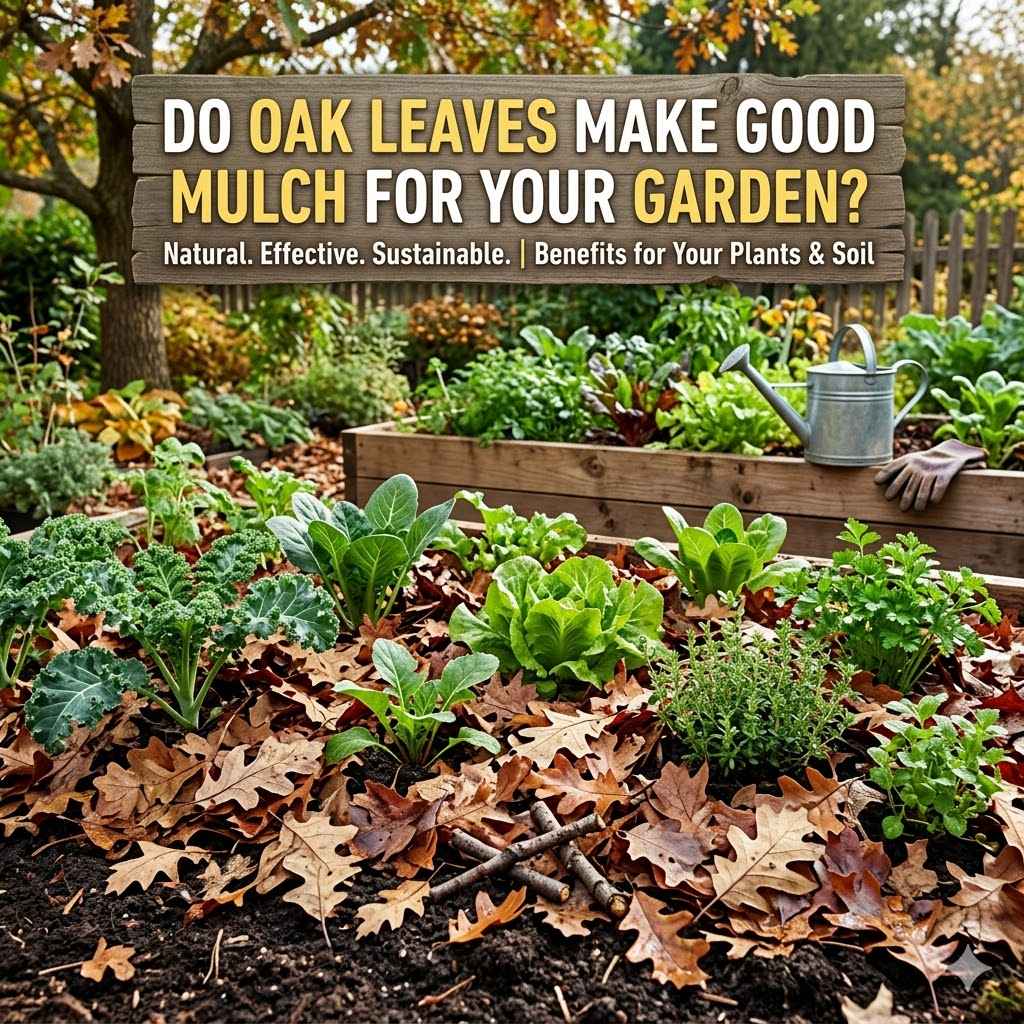
Do Oak Leaves Make Good Mulch For Your Garden?
Are you wondering if those fallen oak leaves can help your garden thrive? Many gardeners, especially those just starting out, often ask, Do Oak Leaves Make Good Mulch for Your Garden? It’s a common question because leaves are plentiful in autumn, but knowing how to use them best can seem a bit tricky. Don’t worry, we’ll break it down simply.
This guide will show you exactly how to turn those leaves into a garden treasure, step by step. Get ready to learn how to give your plants a fantastic boost.
Using Oak Leaves As Garden Mulch
Oak leaves can indeed be a wonderful asset for your garden when used as mulch. They offer numerous benefits, from improving soil health to suppressing weeds and conserving moisture. However, their effectiveness depends on how they are prepared and applied.
Understanding these nuances will help you maximize their potential and avoid common pitfalls. This section explores the core advantages and the essential preparation steps required to ensure oak leaves are a beneficial addition to your garden beds.
Benefits of Oak Leaf Mulch
Mulching your garden beds with organic materials like oak leaves provides a protective layer for the soil. This layer helps plants thrive in various conditions. It’s a natural way to boost your garden’s health and appearance without resorting to synthetic products.
The process is simple and rewarding, making your garden a happier place for both you and your plants.
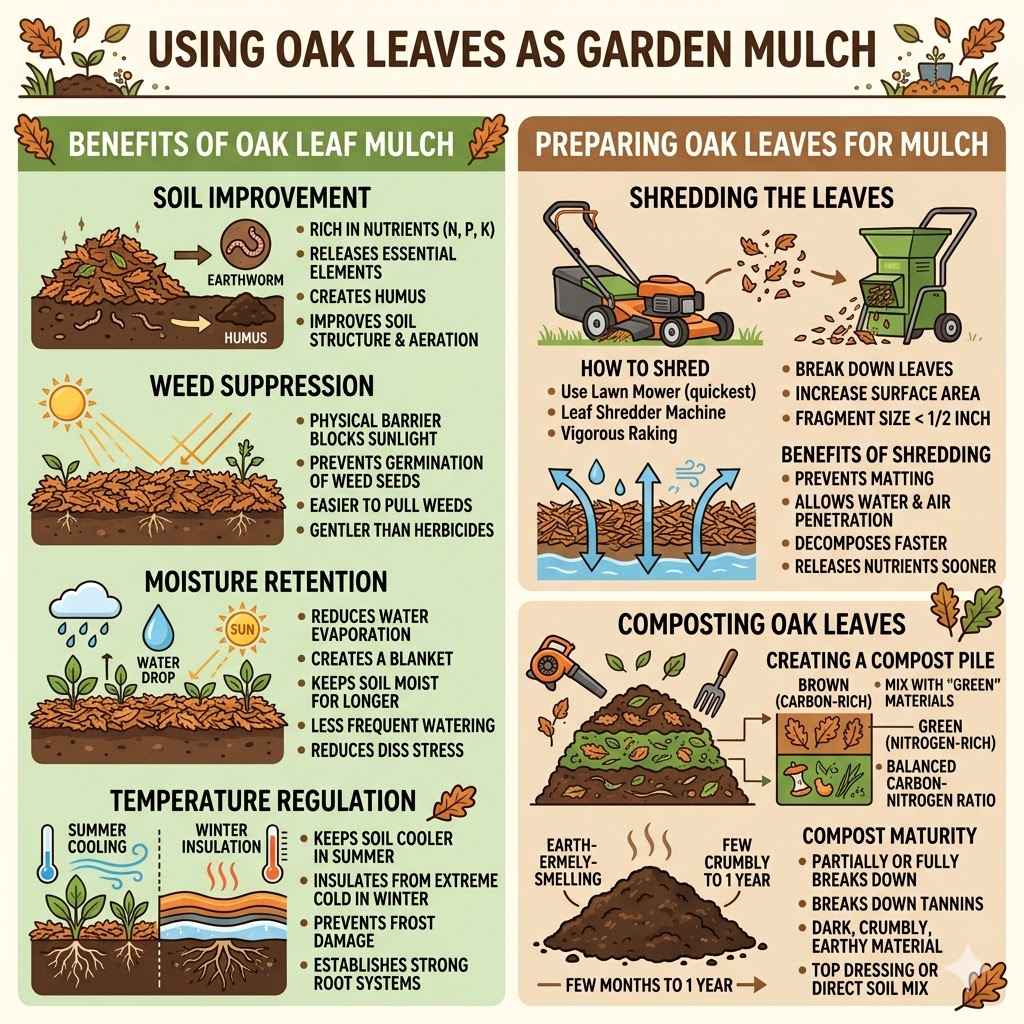
- Soil Improvement Oak leaves are rich in nutrients like nitrogen, phosphorus, and potassium. As they decompose, they release these essential elements into the soil, acting as a natural fertilizer. This gradual nutrient release feeds your plants over time, promoting healthier growth and better flowering or fruiting. The decomposition process also creates humus, a stable form of organic matter that improves soil structure, aeration, and water retention. This is especially beneficial for clay soils that tend to compact, as well as sandy soils that drain too quickly. Over time, using oak leaves as mulch can transform poor soil into a rich, loamy environment.
- Weed Suppression A thick layer of oak leaves acts as a physical barrier, blocking sunlight from reaching weed seeds in the soil. This prevents many common weeds from germinating and growing. For weeds that do manage to sprout, the mulch makes it easier to pull them out as their roots are held loosely by the leaves. Effective weed suppression means less work for you and fewer competing plants stealing water and nutrients from your desired garden inhabitants. This natural method is much gentler on the soil and surrounding plants than chemical herbicides.
- Moisture Retention Mulch helps to reduce water evaporation from the soil surface. Oak leaves create a blanket that shields the soil from the sun and wind, keeping it moist for longer periods. This means you’ll need to water your garden less frequently, which is a great benefit, especially during dry spells or if you live in a warm climate. Conserving soil moisture also helps plants cope better with stress from heat or drought, leading to more consistent growth and fewer wilting issues.
- Temperature Regulation The insulating properties of oak leaves help to moderate soil temperatures. In summer, they keep the soil cooler, protecting plant roots from overheating. In winter, they provide a protective layer that insulates the soil from extreme cold, preventing frost damage to perennial plants and their root systems. This consistent temperature helps plants establish strong root systems and reduces stress caused by rapid temperature fluctuations throughout the year.
Preparing Oak Leaves for Mulch
Simply raking a thick layer of whole oak leaves onto your garden beds might not be the best approach. While better than nothing, whole leaves can sometimes mat together, forming a dense, water-repellent layer. This can prevent water and air from reaching the soil and plant roots.
To ensure your oak leaf mulch is effective and beneficial, a little preparation goes a long way.
Shredding the Leaves
The most important step in preparing oak leaves for mulch is shredding them. This process breaks down the leaves into smaller pieces, increasing their surface area. Shredded leaves decompose faster and are less likely to mat.
They also integrate more easily with the soil over time, contributing to a richer soil structure. This is the key to unlocking their full potential as a garden amendment.
- How to Shred You can shred leaves using a lawn mower with a mulching attachment, a leaf shredder machine, or even by vigorously raking them back and forth. Using a lawn mower is often the quickest and most efficient method. Simply rake the leaves into piles and run the mower over them a few times until they are broken into small fragments, ideally no larger than a quarter or half-inch in size.
- Benefits of Shredding Smaller leaf pieces allow water and air to penetrate the mulch layer more effectively, reaching the soil and plant roots. Shredded leaves also decompose at a faster rate, meaning they can start releasing their nutrients into the soil sooner. This speeds up the process of soil improvement and reduces the risk of the mulch becoming a barrier rather than a benefit.
Composting Oak Leaves
Another excellent way to prepare oak leaves for mulch is by composting them. Composting allows the leaves to break down partially or fully into a rich, earthy material that is perfect for amending soil. This process also helps to break down any tannins or other compounds that might otherwise inhibit plant growth if applied in large quantities directly.
- Creating a Compost Pile Oak leaves are considered a “brown” material in composting, rich in carbon. For a balanced compost pile, you’ll want to mix them with “green” materials like kitchen scraps (vegetable peels, coffee grounds) and grass clippings. A good ratio is roughly two parts brown to one part green. This balance provides the necessary carbon and nitrogen for effective decomposition by microorganisms.
- Compost Maturity Depending on your compost pile’s management (turning, moisture levels), oak leaves can break down within a few months to a year. The resulting compost will be dark, crumbly, and smell earthy. This composted material can be used as a top dressing for garden beds or mixed directly into the soil to improve its structure and fertility. Even partially composted leaves, if they are no longer whole, can be applied as mulch.
Applying Oak Leaf Mulch in Your Garden
Once you have prepared your oak leaves, applying them as mulch is straightforward. The goal is to create a beneficial layer without overwhelming your plants or hindering their growth. Proper application ensures that the mulch performs its intended functions effectively, promoting plant health and garden productivity.
Best Practices for Application
Applying oak leaves requires a bit of thought to ensure they serve your garden well. You want to create a helpful layer that nourishes the soil and protects plants, not one that suffocates them. These simple guidelines will help you use your prepared oak leaves effectively.
- Layer Thickness Apply a layer of shredded oak leaves about 2 to 4 inches deep around your plants. This thickness is generally sufficient to suppress weeds, retain moisture, and insulate the soil. Too thin a layer might not provide adequate benefits, while too thick a layer could restrict air and water circulation, potentially harming plant roots. Adjust the thickness based on your specific garden needs and plant types.
- Keeping Away from Stems It is important to leave a small gap, about an inch or two, between the mulch layer and the base of plant stems or tree trunks. This prevents moisture from accumulating directly against the bark or stems, which can lead to rot or disease. It also helps deter pests that might otherwise find shelter in the moist conditions right at the plant’s base.
- Timing of Application The best time to apply oak leaf mulch is typically in the spring after the soil has warmed up, or in the fall after the growing season has ended. Applying in spring helps retain moisture as temperatures rise and suppresses early weeds. Applying in fall provides winter protection for perennial plants and enriches the soil as the leaves slowly decompose over winter.
- Incorporating with Soil For annual gardens, especially vegetable beds, you can gently work some shredded oak leaves into the top few inches of soil in the fall. This helps them begin decomposing before the next planting season, improving soil structure and fertility. For established perennial beds, it’s often best to leave the mulch on the surface.
Where to Use Oak Leaf Mulch
Oak leaf mulch is incredibly versatile and can be used in many areas of your garden. Its natural properties make it suitable for a wide range of plants and garden features. Knowing where to best apply it will maximize its benefits and contribute to a healthier, more beautiful garden.
Vegetable Gardens
Vegetable gardens benefit greatly from the moisture retention and weed suppression qualities of oak leaf mulch. It helps keep the soil consistently moist, which is vital for steady vegetable growth and yield. The gradual decomposition also adds valuable nutrients, enriching the soil for future crops.
For root vegetables like carrots and potatoes, a layer of shredded oak leaves can help them grow larger and straighter.
Flower Beds and Perennial Borders
In flower beds, oak leaves help keep the soil cool and moist, which is ideal for many flowering plants, especially those that prefer consistent conditions. They also suppress weeds that would otherwise compete with your prized blooms. For perennial plants, the mulch provides insulation against winter cold and helps protect their roots from frost heave, ensuring they return strong in the spring.
This organic mulch also enhances the visual appeal of your garden beds.
Around Trees and Shrubs
Applying a layer of shredded oak leaves around the base of trees and shrubs mimics their natural environment. It helps conserve water, reduce soil compaction, and add nutrients as the leaves decompose. Ensure you keep the mulch a few inches away from the trunk to prevent rot and pest issues.
This practice is particularly beneficial for newly planted trees and shrubs, helping them establish a healthy root system.
Paths and Unused Areas
A thick layer of shredded oak leaves can also be used to create natural-looking pathways in your garden. It provides a soft surface to walk on and helps suppress weeds in areas where you don’t want vegetation to grow. This is an eco-friendly alternative to gravel or wood chips for garden paths.
In unused areas of your yard, a covering of leaves can help prevent erosion and improve the soil over time.
Potential Downsides and How to Avoid Them
While oak leaves are a fantastic garden resource, there are a few potential issues to be aware of. Addressing these proactively will ensure that your use of oak leaf mulch is overwhelmingly positive for your garden.
Acidity Concerns
Oak leaves are often perceived as being highly acidic, which can be a concern for some gardeners. While fresh oak leaves can have a slightly acidic pH (around 4.5 to 5.5), this acidity is generally not a problem for most garden plants when the leaves are properly prepared and applied. The acidity is primarily due to tannins, which are also present.
As the leaves decompose, their pH tends to become more neutral, especially when mixed with alkaline soil or other compost materials. For most common garden plants, the slight acidity is either beneficial or negligible.
- Decomposition Neutralizes Acidity The breakdown process by soil microbes neutralizes much of the acidity. This is why composted oak leaves are generally not acidic. If you are particularly concerned, you can test your soil pH before and after applying oak leaf mulch. Most plants thrive in a pH range between 6.0 and 7.0, and decomposed oak leaves typically fall within or near this range.
- Choosing Plants Wisely If you have acid-loving plants like blueberries, rhododendrons, or azaleas, oak leaf mulch can be particularly beneficial as it naturally complements their pH requirements. For plants that prefer alkaline conditions, it’s even more important to shred and compost the leaves, or to mix them with other, more neutral organic materials.
- Avoid Over-Application of Fresh Leaves Applying a very thick layer of fresh, un-shredded oak leaves could potentially create a more noticeable acidic environment. This is another reason why shredding and mixing or composting is highly recommended. It ensures better aeration and faster decomposition, leading to a more balanced outcome.
Water Repellency Issues
As mentioned earlier, whole oak leaves can mat together, forming a dense layer that repels water. This can prevent rain and irrigation from reaching the soil, leading to dry patches in your garden, even when it has rained. This issue is directly related to the preparation of the leaves.
- The Importance of Shredding Shredding is the most effective solution to the water repellency problem. Smaller pieces of leaves do not interlock as easily as whole leaves. They allow water to penetrate the mulch layer and reach the soil beneath. The increased surface area from shredding also helps the leaves absorb moisture and break down more quickly.
- Mixing with Other Materials If you can’t shred your leaves thoroughly, mixing them with other mulch materials like wood chips or straw can help prevent matting. These other materials can create air pockets and break up the density of the oak leaves. This creates a more porous mulch layer that is permeable to water and air.
- Checking Moisture Levels Regardless of your mulch type, it’s always a good practice to check the soil moisture regularly, especially during dry periods. Gently push your finger into the soil beneath the mulch. If it feels dry a couple of inches down, it’s time to water, even if the mulch surface appears moist.
Potential for Disease or Pests
Some gardeners worry that oak leaves might harbor diseases or attract pests. While it’s true that any organic matter can potentially host organisms, this is generally not a significant concern with oak leaves when handled correctly. In fact, mulch can sometimes deter certain pests.
- Healthy Trees Resist Pests Leaves from healthy oak trees are unlikely to carry significant disease pathogens that would harm garden plants. If you are concerned about leaves from a tree that appeared unhealthy, it’s best to avoid using those for mulch and instead compost them thoroughly. Hot composting can kill most pathogens.
- Mulch as Pest Deterrent A well-maintained mulch layer can actually deter some common garden pests. For example, the mulch can provide a barrier that makes it difficult for slugs and snails to reach plants. It can also offer habitat for beneficial insects like ladybugs and ground beetles, which prey on harmful pests.
- Observe Your Garden The best approach is to observe your garden. If you notice any signs of disease or pest infestation that you suspect might be related to your mulch, remove the affected mulch and monitor the situation. In most cases, problems are minor and can be managed through good gardening practices.
Real-Life Examples and Scenarios
Let’s look at how using oak leaves as mulch plays out in real gardening situations. These examples show the practical benefits and how to manage potential challenges.
Case Study 1 The Suburban Vegetable Patch
Sarah, a home gardener in a suburban area, had an abundance of oak leaves every fall. Initially, she just let them blow away. The next year, she decided to try using them in her vegetable garden.
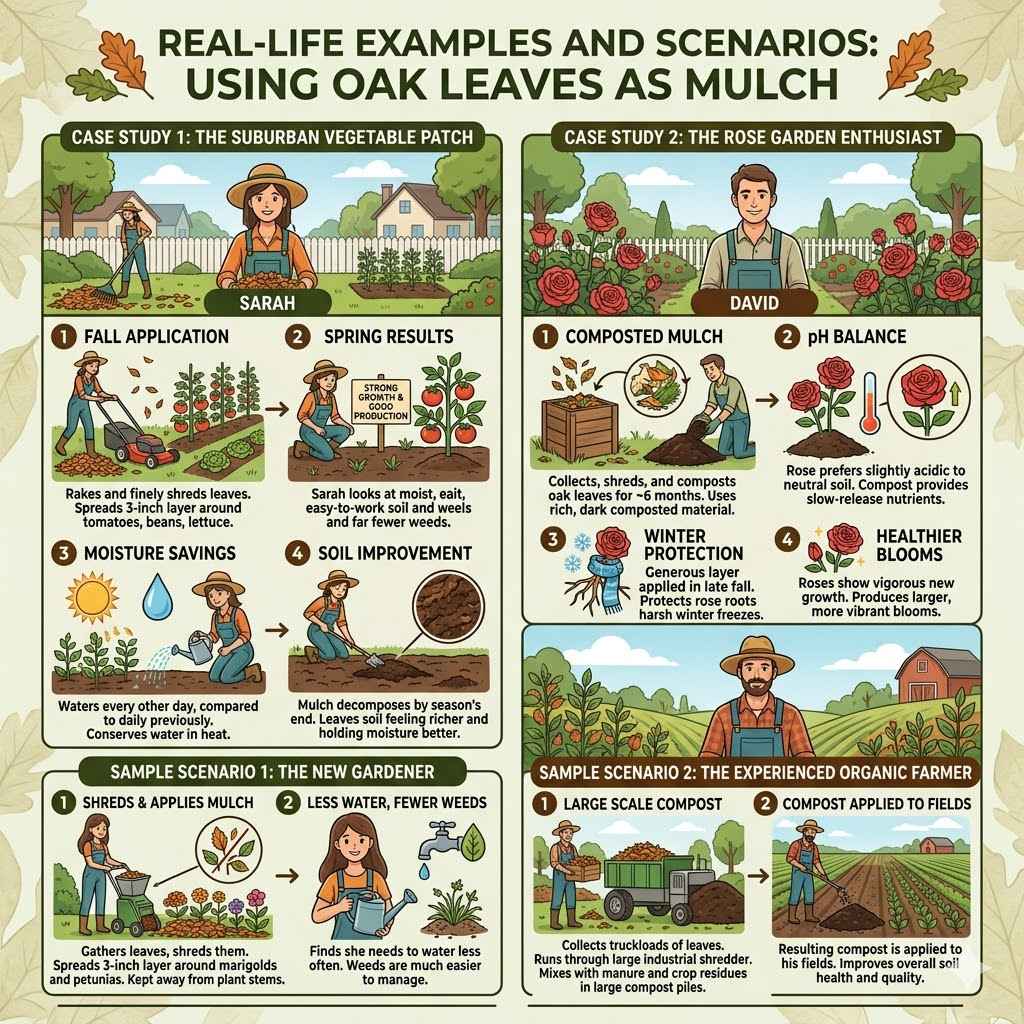
She raked the leaves, ran her lawn mower over them several times until they were finely shredded, and then spread a 3-inch layer around her tomato plants and among her rows of beans and lettuce.
- Fall Application: Sarah applied the shredded leaves after harvesting her late-season crops. This protected the soil over winter.
- Spring Results: In spring, she noticed the soil was moist and easy to work. Weed growth was significantly less than in previous years. Her tomato plants grew strong and produced well.
- Moisture Savings: During a hot July, she found she only needed to water her vegetable garden every other day, compared to daily watering the year before.
- Soil Improvement: By the end of the season, the mulch had broken down, and she lightly tilled it into the soil, noticing it felt richer and held moisture better.
Sarah’s experience showed a clear improvement in weed control, water conservation, and soil quality. She learned that shredding was key to making the leaves work for her garden.
Case Study 2 The Rose Garden Enthusiast
David, who loved his rose garden, was always looking for ways to improve the soil and health of his prize-winning roses. He collected oak leaves, composted them for about six months with kitchen scraps and grass clippings, and then applied the rich, dark composted material as a top dressing around his rose bushes.
- Composted Mulch: David used composted oak leaves, ensuring they were well-broken down. This eliminated any concerns about acidity or matting.
- pH Balance: His rose bushes, which prefer slightly acidic to neutral soil, thrived with the addition of the composted leaves. The compost provided slow-release nutrients.
- Winter Protection: He applied a generous layer in late fall, which protected the rose roots from harsh winter freezes.
- Healthier Blooms: The following spring, his roses showed vigorous new growth and produced larger, more vibrant blooms.
David’s method of composting the oak leaves before application ensured optimal results for his specific plant needs. He found that the resulting compost was a superior soil amendment.
Sample Scenario 1 The New Gardener
Maria is new to gardening and wants to try mulching her small flower beds. She has a large oak tree in her yard and has gathered many leaves. She’s heard that oak leaves can be good mulch.
She decides to shred the leaves using her neighbor’s leaf shredder. She then spreads a 3-inch layer around her marigolds and petunias, making sure to keep the leaves a little away from the plant stems. She finds that she needs to water less often, and the weeds are much easier to manage.
She feels confident using this free resource from her yard.
Sample Scenario 2 The Experienced Organic Farmer
John, an organic farmer, uses oak leaves extensively. He collects truckloads of leaves from surrounding neighborhoods and runs them through a large industrial shredder. He then incorporates these shredded leaves into his compost piles, mixing them with other organic materials like manure and crop residues.
The resulting compost is applied to his fields to improve soil structure, fertility, and water-holding capacity. This practice is integral to his sustainable farming system.
Frequently Asked Questions
Question: Are oak leaves too acidic for most plants?
Answer: Fresh oak leaves can be slightly acidic, but as they decompose, their pH tends to become more neutral. For most garden plants, this slight acidity is not an issue, and for acid-loving plants, it can be beneficial. Shredding and composting the leaves helps to neutralize any potential acidity further.
Question: Can I use whole oak leaves as mulch?
Answer: While you can use whole oak leaves, it’s not ideal. Whole leaves can mat together, preventing water and air from reaching the soil. Shredding the leaves is highly recommended to improve their effectiveness as mulch.
Question: How thick should the layer of oak leaf mulch be?
Answer: A layer of shredded oak leaves about 2 to 4 inches deep is generally recommended. This thickness provides good weed suppression and moisture retention without hindering air and water circulation.
Question: When is the best time to apply oak leaf mulch?
Answer: The best times to apply oak leaf mulch are in the spring after the soil has warmed up, or in the fall after the growing season. Spring application helps retain moisture and suppress weeds, while fall application provides winter protection.
Question: Can oak leaf mulch harm my plants?
Answer: When prepared and applied correctly (shredded, not too thick, kept away from stems), oak leaf mulch is beneficial and unlikely to harm your plants. Issues can arise from using large amounts of un-shredded leaves that mat and repel water, or if applied directly against plant stems, which can cause rot.
Final Thoughts
Yes, oak leaves make excellent mulch for your garden when prepared correctly. Shredding them prevents matting and aids decomposition, while composting further neutralizes acidity. Applying a 2-4 inch layer around plants conserves water, suppresses weeds, and enriches your soil naturally.
Enjoy using this free, valuable resource!