Do Termites Die After They Swarm? Uncover the Truth
Imagine this: you’re relaxing in your living room when suddenly, you spot a swarm of tiny insects fluttering around your window. Panic sets in as you realize they’re termites.
The question pops into your mind—do termites die after they swarm? This isn’t just a trivial curiosity; it’s a crucial piece of information that could impact your home and peace of mind. Understanding the life cycle of these pesky invaders can empower you to make informed decisions about protecting your space.
In this blog post, we’re diving into the world of termite swarms to uncover the truth. You’ll learn whether these swarming pests pose a lingering threat or if they vanish after their sky-high dance. So, if you’re eager to find out what happens after termites swarm and how it affects you, keep reading. The answers may surprise you and could change the way you approach pest control forever.
Termite Swarming Behavior
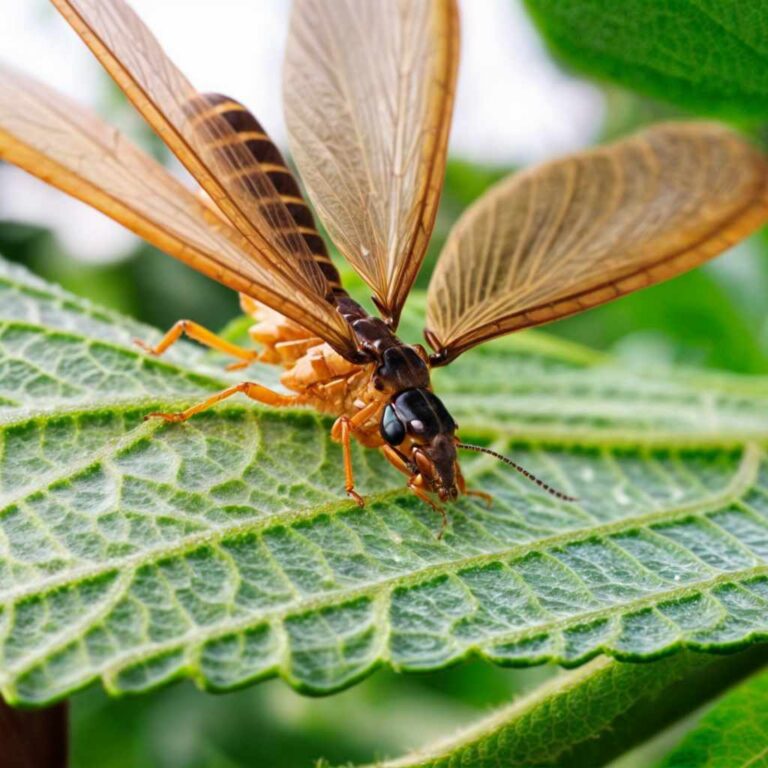
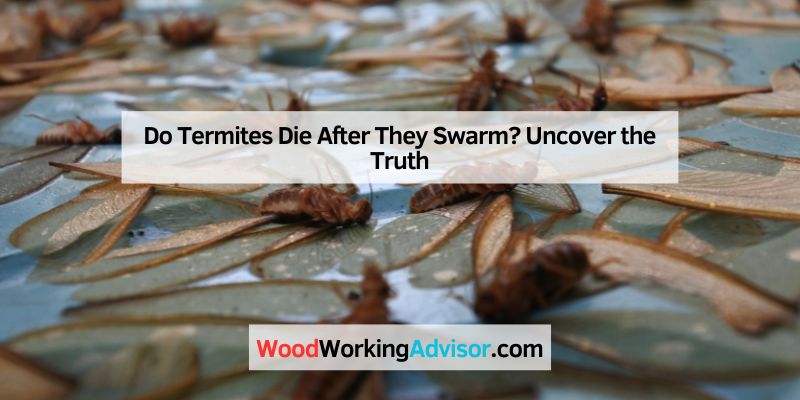
Termites swarm to start new colonies. This is their way of growing the termite family. Winged termites, called alates, leave the nest in groups. They search for mates during swarming. Finding a mate is the first step. Once they mate, they shed their wings. This means they are ready to build a new home. Swarming is a natural process. It helps termites find new places to live. Without swarming, termite colonies wouldn’t spread.
Termites usually swarm in spring. Warm and rainy weather is best for swarming. Different termites have different swarming times. Some swarm in summer. Others prefer fall. Weather plays an important role in swarming. Humidity helps them fly better. Swarming can happen during the day or night. Light attracts many termites. They gather near windows or lights. This is why people see them inside homes.

Credit: www.trustterminix.com
Life Cycle Of Termites
Termites start as tiny eggs. The eggs hatch into nymphs. Nymphs grow into different types of termites. Some become workers. Others become soldiers. A few turn into alates. Alates are winged termites. They are ready to leave the colony. Alates swarm to find new homes. Swarming is a big part of their life cycle. After swarming, alates shed their wings. Then, they become kings and queens. Kings and queens start new colonies. This is how termites spread.
Alates have a special job. They are the builders of new colonies. They fly away from their home. Swarming helps them find new places. This means more termite colonies can grow. Alates are important for termite life. They ensure survival of their species. Without alates, termites cannot spread. They would stay in one place. Alates keep the termite life cycle moving. They are key to termite growth.
Post-swarming Fate
Termites swarm to start new colonies. Many termites die during this journey. Only a few survive to find a safe place. They need a warm and damp spot to settle. Without this, they can’t start a colony. Wings fall off after swarming. This helps them settle down. Their journey is risky. Birds and other animals eat them. Weather also affects their survival. Rain can wash them away. Wind can blow them off course. Only the strong ones live to settle.
Many factors can cause termite death. Predators are a big threat. Birds love to eat termites. Weather plays a part too. Heavy rain and strong wind are dangerous. Habitat loss affects their survival. Human actions destroy their homes. Food availability is crucial. No food means no survival. Termites need wood to live. Disease can also kill them. Weak termites fall sick easily. These factors make life hard for termites.
Impact On Ecosystem
Termites play a vital role in nature. They break down dead wood. This helps return nutrients to the soil. Plants grow better when the soil is rich. Termites also serve as food. Many animals eat them. Birds, reptiles, and small mammals need termites to survive.
Many termites die after they swarm. This creates a big impact. Soil may become less fertile. Fewer termites mean less food for animals. Some species might struggle. A balance in nature is important. Too many or too few termites can cause problems.
Preventive Measures
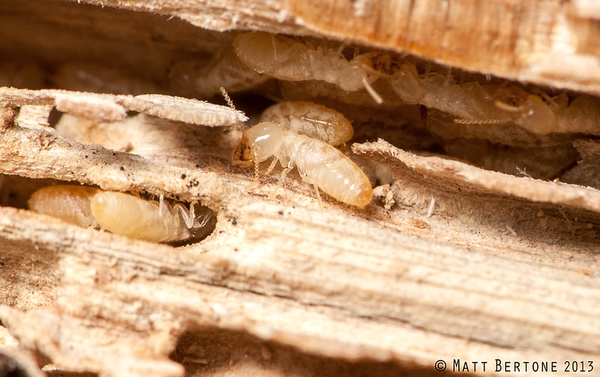
Protect your home from termites with some simple steps. Seal all cracks in walls. Termites can crawl through tiny spaces. Keep wood away from your home. Termites love wood. Store wood off the ground. Trim plants near the house. Keep them away from walls. Remove dead trees and stumps. Termites hide in them. Check for leaks often. Water attracts termites. Fix any leaks fast. These steps help keep termites away.
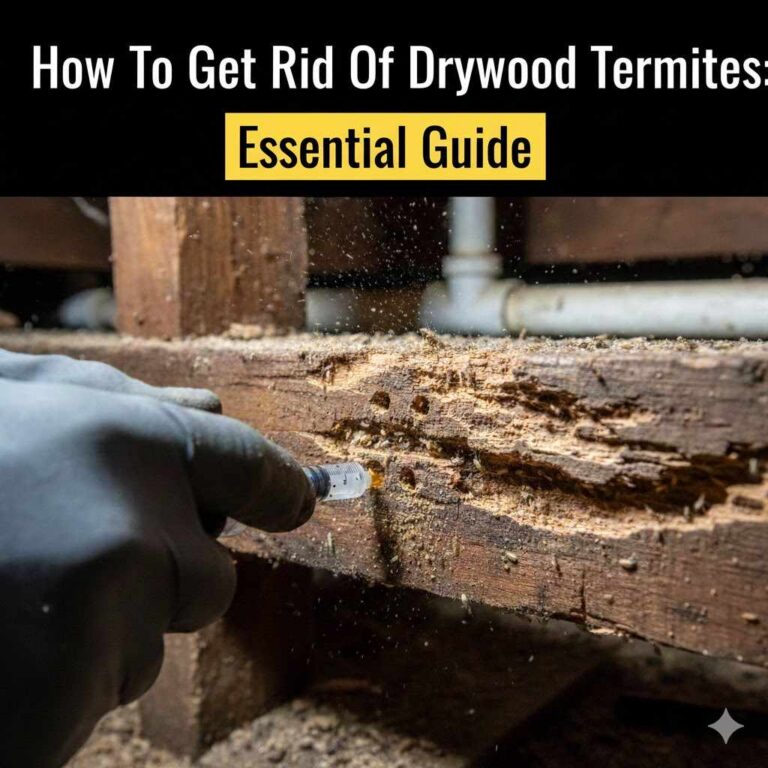
Sometimes, help is needed. Pest control experts know what to do. They spot signs of termites. They use safe treatments to kill termites. Experts check for hidden termites. They use special tools to find them. Professionals give advice. They help keep homes safe. Hiring experts can save your house.
Credit: content.ces.ncsu.edu
Frequently Asked Questions
How Long Do Termites Live After They Swarm?
Termites typically live for a few weeks after swarming. During this period, they seek suitable nesting sites. After mating, they establish new colonies, and the queen can live for several years, while workers and soldiers have shorter lifespans. Environmental factors influence their survival duration post-swarming.
Should I Kill A Termite Swarm?
Yes, killing a termite swarm is crucial. Swarming termites can cause severe damage to your property. Act quickly by contacting a pest control professional to eliminate them effectively. Regular inspections and treatments can prevent future infestations, protecting your home from costly repairs.
Do Swarming Termites Mean Infestation?
Swarming termites often indicate an infestation, as they are searching for new places to establish colonies. Immediate action is crucial to prevent damage. Contact a pest control professional for a thorough inspection and effective treatment plan to safeguard your property.
Act promptly to avoid costly repairs and ensure peace of mind.
Do Termites Die After Shedding Wings?
Termites do not die after shedding their wings. Wing shedding indicates they are ready to establish a new colony. These wingless termites are called alates or swarmers and are now reproductive termites. They play a crucial role in the growth and expansion of termite colonies.
Conclusion
Termites swarm in spring, seeking new homes to build colonies. Many die after swarming due to predators or harsh conditions. Surviving termites find mates and start new colonies. Understanding termite behavior helps in managing infestations effectively. Regular inspections can prevent severe damage to structures.
Simple prevention measures protect homes from costly repairs. Keep areas dry and free from wood debris to deter termites. Early action is key to avoiding termite problems. Homeowners benefit from staying informed about termite habits. Protect your investment by learning more about these pests.
Stay proactive for a termite-free environment.