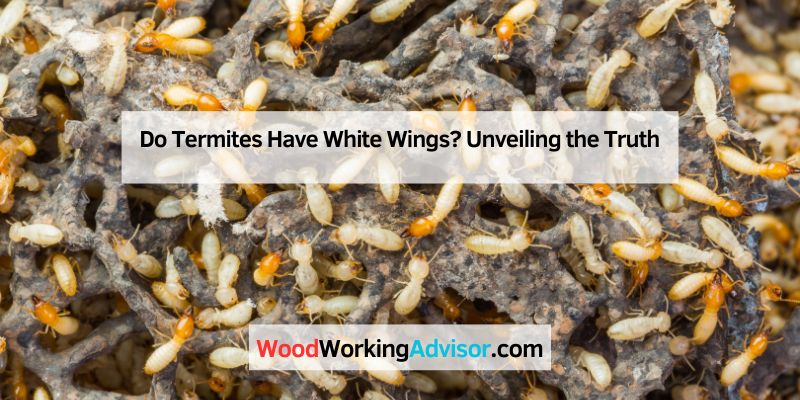
Do Termites Have White Wings? Unveiling the Truth
Imagine stepping into your living room, only to spot tiny creatures fluttering around with delicate white wings. You might wonder, “Are these termites, and do termites even have white wings?”
These little intruders can stir up worry, especially if you’re concerned about the safety of your home. But don’t worry, you’re about to uncover the truth. Understanding these pests can empower you to protect your space effectively. You deserve a home free from unwanted guests, and discovering the facts about termite wings is your first step.
Keep reading to learn how to identify these insects and ensure your home remains your sanctuary.

Credit: www.piantospestcontrol.com.au
Termite Anatomy Basics
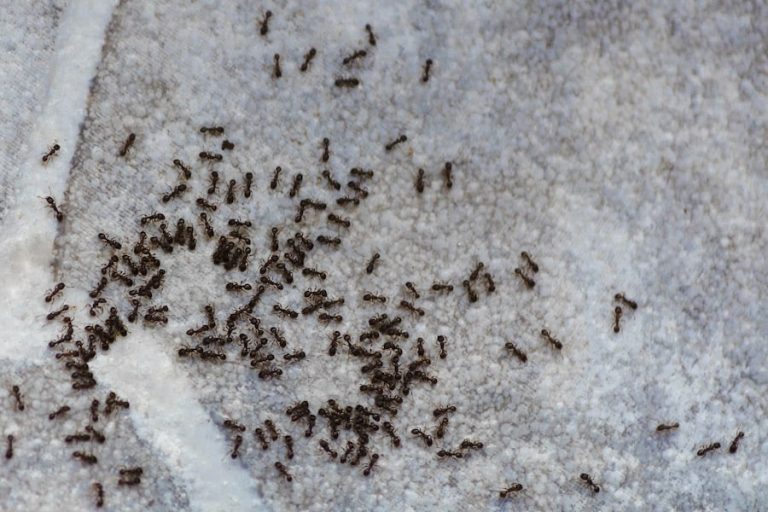
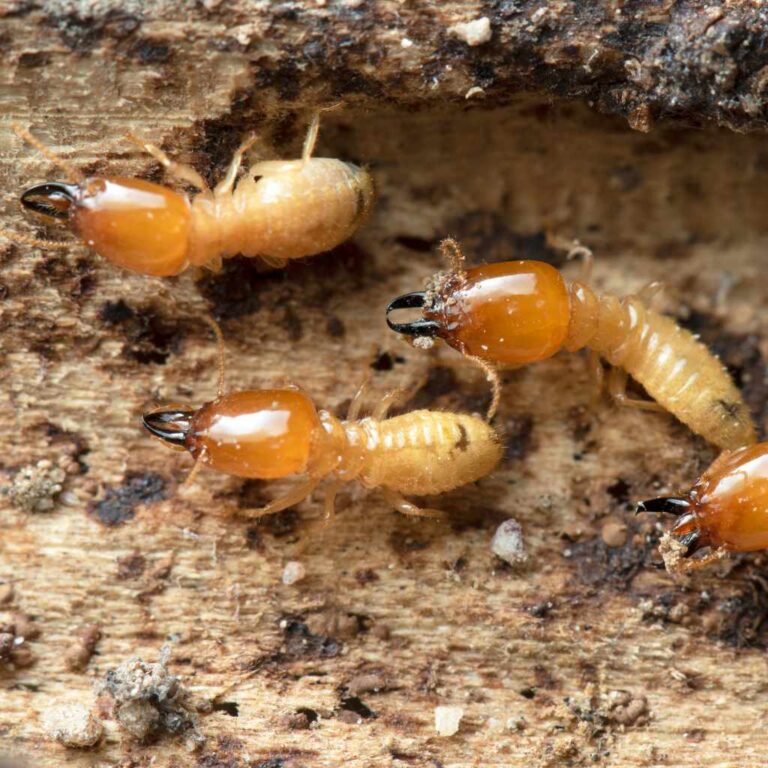
Termites are small insects with soft bodies. Their color is usually pale. Some people think they look like ants. But termites have a different body shape. They have a broad waist, unlike ants. Termites have straight antennae. This is another way to tell them apart from ants. They usually have six legs. Their bodies are divided into three parts: head, thorax, and abdomen.
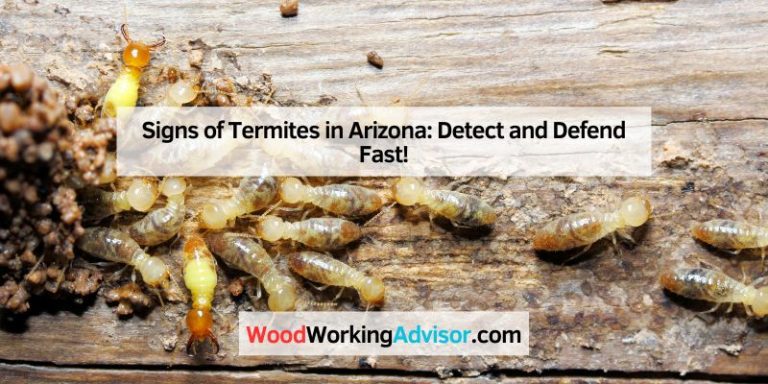
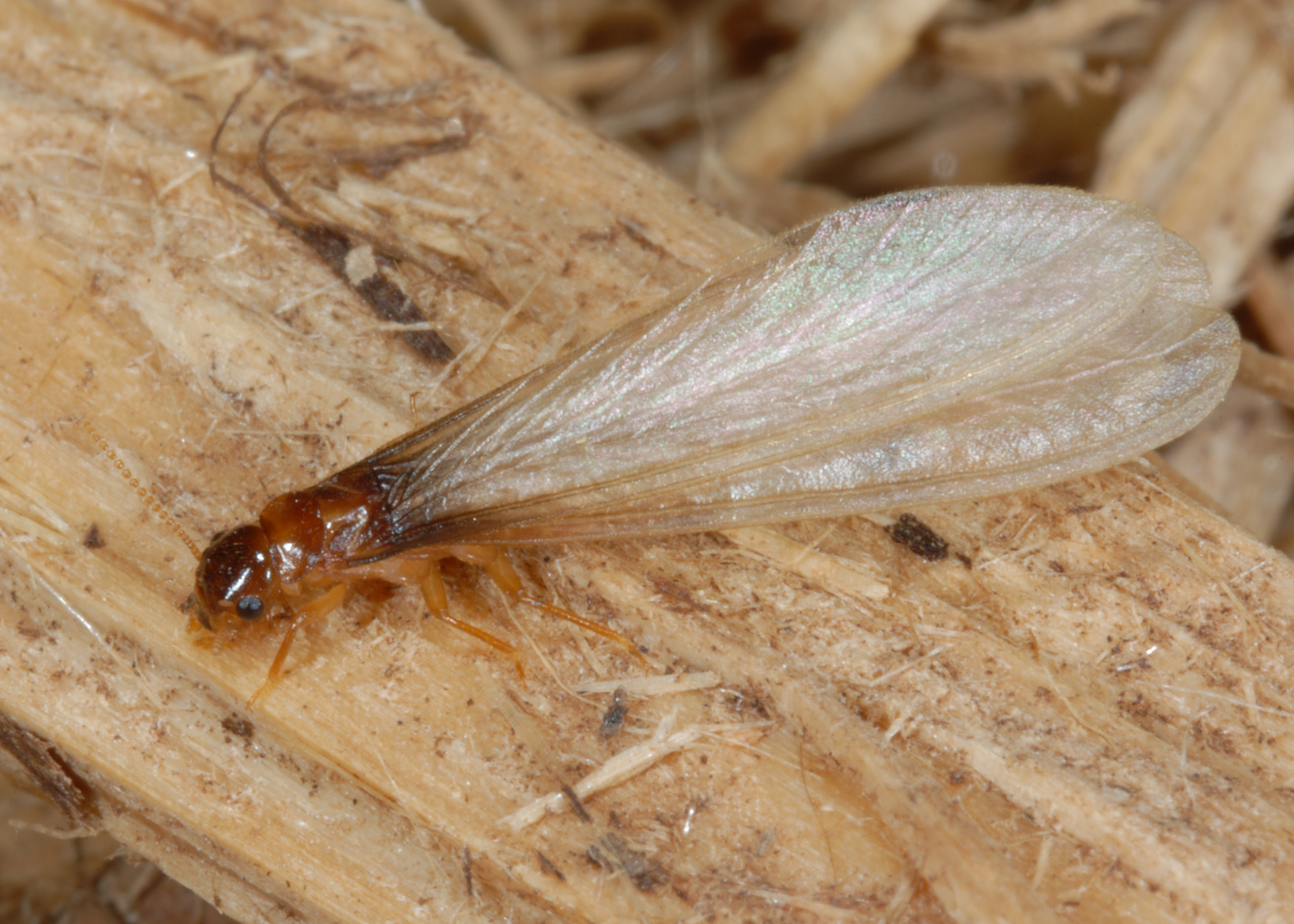
Termites have wings during a certain time. These are called alates. Their wings are equal in size. They are usually white or clear. These wings help them in flying. They leave their colony to start a new one. After flying, termites shed their wings. You can often find these wings near light sources. This is a sign of a termite swarm.
Color Variations In Termite Wings
Termite wings come in different colors. White is one common color. Some wings can be gray or brown. The color helps termites hide from predators. Different termite species have different wing colors.
Many factors affect wing color. Species is one factor. Environment also plays a role. Wings can change color in different seasons. Age of the termite may change wing color too. The food termites eat can also affect wing colors.
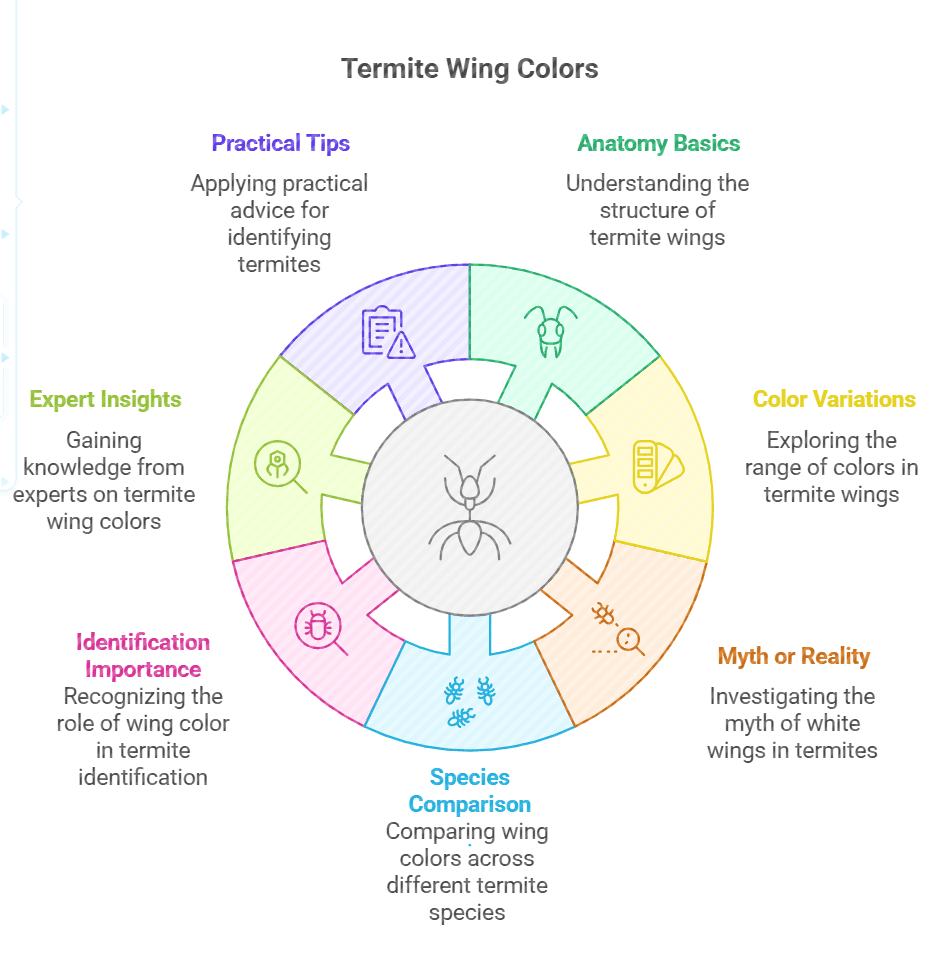
White Wings: Myth Or Reality?
Some people say termites have white wings. This idea comes from seeing termites in the dark. Light can make their wings look white. In truth, termites have brown or clear wings. The myth is strong, but it is not correct.
Scientists study termites closely. They find termites with wings that are not white. Termite wings are usually brown or transparent. This helps them hide from enemies. White wings would make them easy to see. So, the idea of white wings is not true.
Comparing Termite Species
Subterranean termites build their homes underground. They need moisture to survive. These termites are the most common type. Their wings are transparent and equal in size. They swarm in the spring. They can cause a lot of damage to homes. They eat wood from the inside out.
Drywood termites live inside the wood. They do not need much moisture. They have white wings that are longer than their bodies. These termites form small colonies. They are often found in dry wood, like furniture. They swarm in warm weather. They can be a big problem in homes.
Dampwood termites love wet wood. They live in forests or near water. Their wings are white and big. They don’t need contact with soil. They are not as common in homes. These termites can be found in fallen trees. They prefer wood that is already wet.
Importance Of Wing Color In Identification
Wing color helps to identify termite species. Termites have different wings. Some are white, others are darker. White wings are common in certain termites. Knowing wing color can help us.
Identifying species is key for pest control. Each species behaves differently. Some prefer dry wood. Others like damp places. Wing color gives clues. Experts use wing color for quick identification.
Pest control uses wing color to plan strategies. Knowing termite type helps in choosing methods. Treatments target specific species. This saves time and resources. Effective control is possible with the right knowledge.

Credit: www.piantospestcontrol.com.au
Expert Insights On Termite Wing Colors
Termites are small insects. They are known for their destructive nature. Some termites have wings. These wings are mostly white or pale. Entomologists study these insects. They say wing color can change. It depends on the species. Most have translucent wings. The wings look almost like glass.
Research shows interesting facts. Some termites have different wing colors. Wing color helps in identifying species. Scientists use this for research. Studies reveal patterns on wings. Patterns help in understanding behavior. Each species has unique traits. These traits help in termite control. Knowing wing color is important. It aids in identifying termites quickly.
Practical Tips For Termite Identification
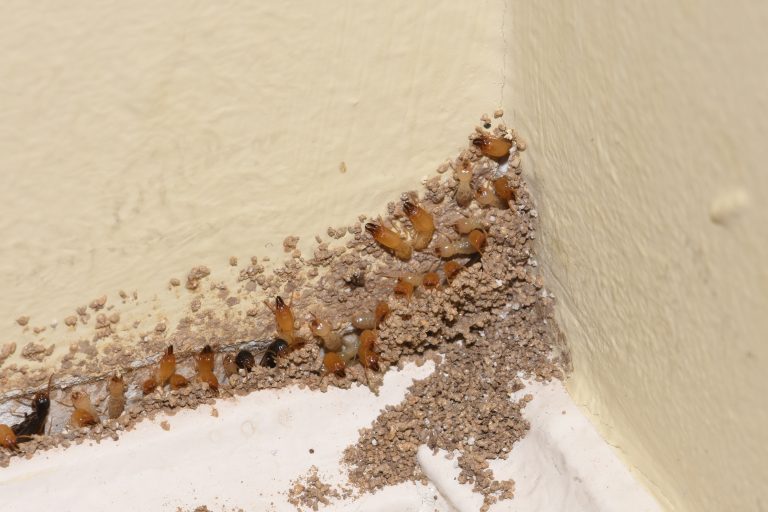
Termites can be sneaky. Look for tiny white wings near windows or lights. These wings are usually from swarmer termites. They shed their wings after mating. Check for mud tubes on walls. These are made by termites to travel safely. Wood damage is another sign. Tap the wood gently. If it sounds hollow, termites might be inside. Use a flashlight to see better in dark places.
Sometimes termites are hard to find. Call experts if you see a lot of wings. They can help you find and remove termites. Experts use special tools to check your home. They can also help protect your home in the future. Professional help can save your home from big damage. It’s better to be safe than sorry.
Credit: extension.msstate.edu
Frequently Asked Questions
Are Termite Wings White?
Termite wings are typically translucent with a whitish hue. They appear delicate and are often mistaken for white.
What Bug Can Be Mistaken For Termites?
Carpenter ants are often mistaken for termites. Both insects can damage wood structures. Flying ants and powderpost beetles can also be confused with termites. It’s crucial to identify them accurately for effective pest control.
How Do You Get Rid Of Winged Termites?
To eliminate winged termites, seal entry points and remove wood debris. Use termite baits and insecticides. Consult a pest control professional for severe infestations. Regularly inspect your property to prevent recurrence. Maintain dry and well-ventilated areas to deter termites.
What Insect Has White Wings?
Several insects can have white wings, including the Cabbage White Butterfly and the White Moth. These insects are often seen fluttering around gardens and fields. Their wings can sometimes appear translucent or have light patterns, depending on the species and environmental conditions.
Conclusion
Termites can be confusing with their white wings. Yes, termites do have white wings. This characteristic helps identify them. It’s essential for homeowners to recognize them. Early detection can prevent damage to homes. Stay informed and protect your property. Knowing what to look for makes a difference.
Keep an eye out for these tiny pests. Regular inspections can save you trouble. Understanding termite behavior is key. Stay vigilant and secure your home. Your home’s safety matters. Knowledge is your best defense.