Does Wood Chips Attract Termites? (300-Ft Foraging Range)
Wood chips don’t attract termites from across the yard — but a damp, thick pile against your foundation gives termites that are already nearby a sheltered place to survive. Piled within 6 to 24 inches of your house, chips let foraging termites move from soil to siding unnoticed. This guide covers why chips aren’t the “food magnet” most articles claim, how chip size compares to bagged mulch, and the exact spacing that keeps your home safe.
Insert your Affiliate Disclosure reusable block here
Do Wood Chips Actually Attract Termites, or Just Help Them Survive?
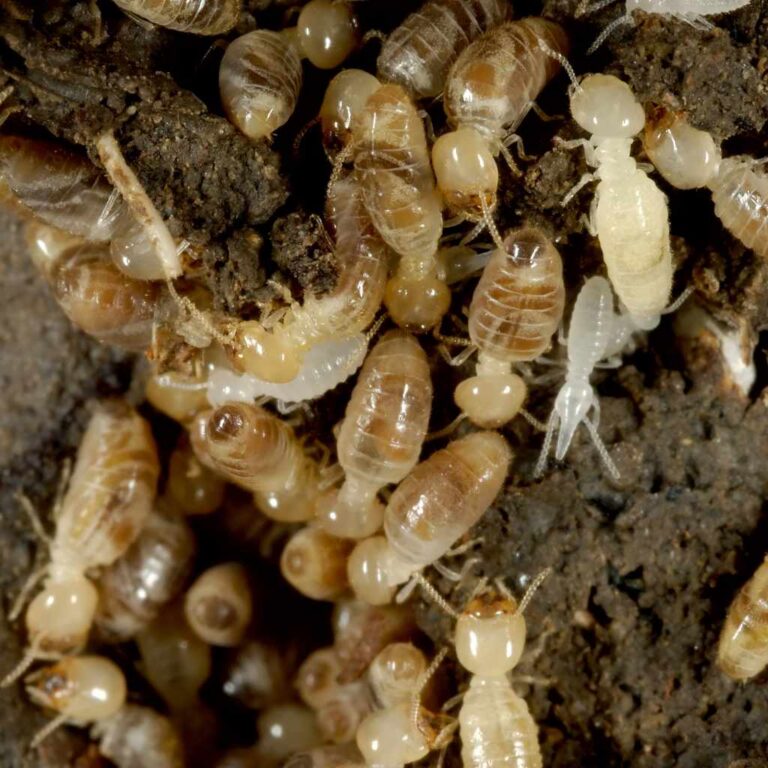
Termites don’t smell a chip pile from 50 feet away and beeline toward it. Entomologists have found no evidence that moist wood chips or mulch pull foraging termites in from the surrounding landscape. What chips actually do is more subtle: once a termite happens to wander into a damp pile while tunneling through soil (which they do constantly, searching for food and moisture), the pile gives it a humid, sheltered spot to keep surviving. That’s a real risk — just not the one most articles describe.
It also means wood chips aren’t a great food source on their own. For a deeper look at how species and chip type affect what termites will actually eat, see our guide on what subterranean termites eat and how far they’ll travel to find it.
📊 University of Maryland entomologists found termites fed only eucalyptus, hardwood, or pine bark mulch had significantly lower survival rates than termites on a normal diet — evidence that wood chips are a poor primary food source, even though a damp pile can still shelter foraging termites. The same research found termites can forage up to 300 feet from their nest looking for food and moisture. Source: Iowa State University Extension and Outreach, 2001
“Termites don’t need to smell a chip pile from across the yard to find it — they discover food and moisture simply by tunneling into whatever they wander into while foraging, sometimes hundreds of feet from the colony.”
Wood Chips vs. Wood Mulch: Does Particle Size Change the Termite Risk?
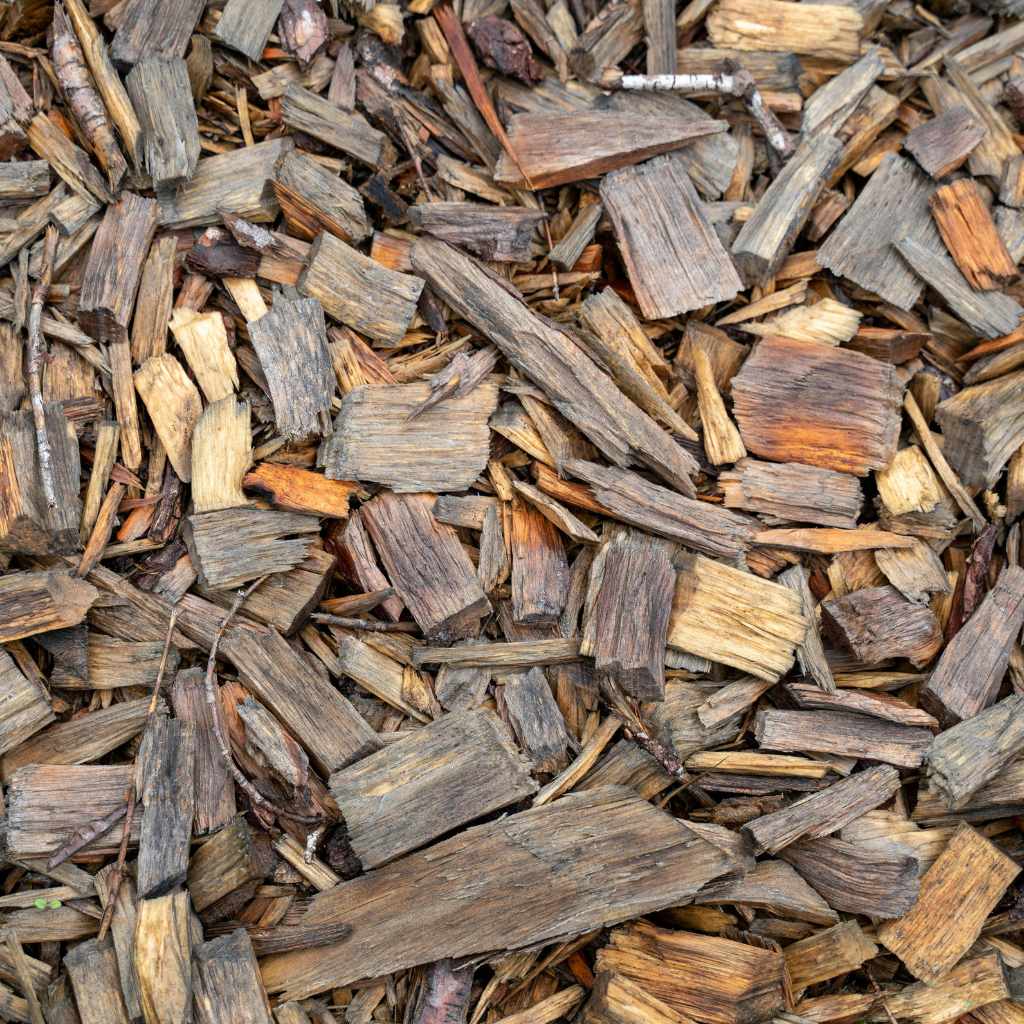
“Wood chips” and “wood mulch” get used interchangeably, but they’re not the same material, and the difference actually changes their termite risk. Coarse arborist chips (the kind you get free from a tree service) behave differently underfoot than the fine, often-dyed mulch sold in bags at a garden center.
| Factor | Coarse Wood Chips | Fine Bagged Mulch |
|---|---|---|
| Typical source | Free tree-service chip drops, straight from a chipper | Bagged product, often dyed and screened |
| Particle size | Large, irregular chunks with air gaps | Small, uniform, packs tightly |
| Moisture behavior | Surface dries faster; base of a thick, aged pile still stays damp | Packs tighter, so surface moisture is held longer at any depth |
| Decomposition speed | Slower — chunks take a season or more to break down | Faster — fine material breaks down in weeks to months |
| Termite risk note | Risk concentrates at the damp base once a pile is left to age untouched | Risk is more even across depth since it holds surface moisture longer |
Also worth knowing: fresh arborist chips go straight from chipper to yard with no curing or heat-treatment step that bagged, dyed mulch usually gets during processing. Any insects that were already living in the felled tree can hitch a ride — though termites are less likely than bark beetles, since a termite colony lives underground in the soil, not inside the branch being chipped. If you’re specifically weighing bagged wood mulch instead of chips, our guide on whether wood mulch causes termites covers that comparison and the bagged-product risk in more depth.
Best Long-Term Prevention Pick
Bora-Care with Mold-Care Concentrate – $149.99
A borate wood treatment for the deck posts, fence bases, and siding closest to your chip beds — the areas this guide flags as highest-risk within the 6–24 inch buffer zone.
- Best for: Long-term prevention on structural wood near mulch or chip beds
- Why we picked it: Penetrates deep into wood fiber for years of residual termite and decay protection, not just a surface coating
- Main drawback: Concentrate needs diluting and a pump sprayer — not a grab-and-go product
Compare more wood chip termite protection options
 Option 1 PenaShield Wood Preservative – $40.19
|
 Option 2 TERRO Termite Killer Spray – $19.99
|
 Option 3 General Tools Moisture Meter – $37.70
|
As an Amazon Associate we earn from qualifying purchases.
Which Wood Chip Species Are Riskiest Near Your Home?
You’ll find conflicting species lists online — one source says redwood resists termites, another lists it as susceptible. That’s usually because they’re not distinguishing heartwood from sapwood on the same tree. The heartwood of naturally durable species (cypress, cedar, eucalyptus) contains natural extractives that resist termites better than the sapwood of those same trees, which behaves more like ordinary softwood. Loblolly pine, slash pine, and most sapwood are consistently favored by termites over heartwood chips.
If a supplier can’t tell you whether their chips came from heartwood or sapwood, treat them as average risk and rely on placement and depth (below) rather than species alone to manage termite exposure.
How Far Should Wood Chips Be From Your Foundation?
Extension offices don’t fully agree on one number: Iowa State University Extension recommends 6 to 12 inches of bare, chip-free ground between a mulch bed and your foundation; other landscaping guidance pushes that to 24 inches for extra margin. Every source agrees on the principle — closer is riskier — so treat 24 inches as the safer target if you have the space, and never let chips touch siding, a wooden deck post, or pressure-treated lumber directly.
Depth matters as much as distance. Keep chip beds to 2 to 4 inches deep — a pile piled deeper than that stays damp at the base long after the surface looks dry, which is exactly the microclimate the University of Maryland research above ties to termite survival.
How to Use Wood Chips Without Inviting Termites
- Control the depth: Spread chips no more than 3 to 4 inches deep so the pile can dry out between rains.
- Maintain a buffer: Leave 6 to 24 inches of bare ground between the chip bed and your foundation, siding, or deck posts.
- Choose heartwood near structures: Ask for cypress, cedar, or eucalyptus heartwood chips for beds closest to the house.
- Check moisture and turn the pile: Test the base with a moisture meter or by hand every few months, and rake it to release trapped damp.
Signs Of Termite Activity In Wood Chips
Wood chips can hide termite activity for months before it’s obvious. Checking a pile every few months, especially in spring and summer swarm season, catches problems while they’re still limited to the yard instead of your framing.
Identifying Termite Damage
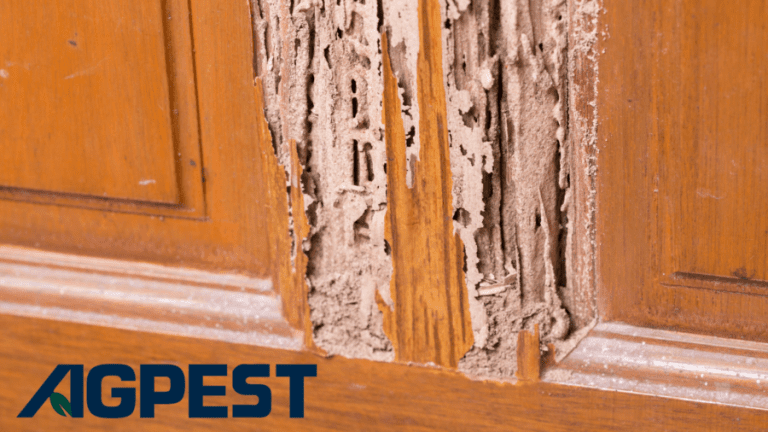
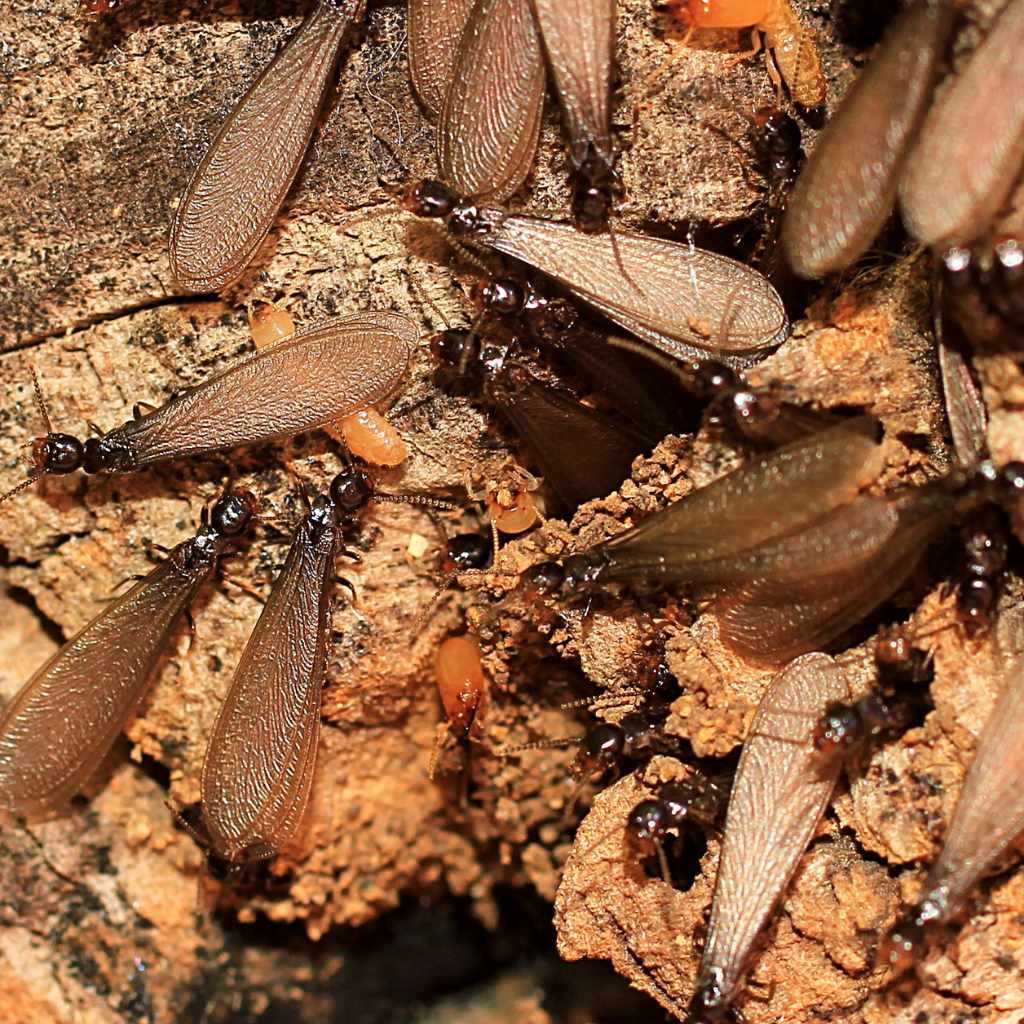
Termite-damaged wood looks different from ordinary rot. Check for hollowed-out chips or tunnels running through them — the wood often feels soft or crumbles under light pressure. Mud tubes (pencil-width tunnels of soil and saliva) running across or into a chip pile are a strong, unambiguous sign of subterranean termites moving between soil and food source.
Early Detection Methods
Inspect chip piles for changes in texture and color every few months. Probe suspect wood with a screwdriver — sound wood resists, termite-hollowed wood gives way easily. Look for small, sand-like droppings (frass) near the pile, and shine a flashlight into the base of the pile at night, since termites avoid light and cluster in dark, damp pockets. If you find live termites already established in structural wood rather than just chips, our termite-infested wood guide covers what to do next.
Treatment And Control Strategies
Termite activity near a chip pile calls for prompt action before it reaches structural wood. Chemical and natural options each have a role, depending on how established the activity is.
Chemical Treatments
Liquid termiticides create a soil barrier that blocks termite entry, while bait stations let foraging termites carry slow-acting poison back to the colony. A borate wood treatment (like the concentrate above) protects the structural wood itself rather than just the soil around it. Always follow label instructions, and consider a licensed pest control company once activity is confirmed in structural wood rather than just in landscaping.
Natural Remedies And Moisture Control
Diatomaceous earth dehydrates and kills termites on contact, and orange or neem oil disrupts termite growth on smaller, localized problems. But the single highest-leverage fix is moisture control: check a chip pile’s base with a moisture meter, keep depth to 2 to 4 inches, and turn the pile periodically. Since chips are a marginal food source at best (see the University of Maryland data above), removing the moisture is usually more effective than removing the chips.
For a broader look at prevention across your whole property, see our termite prevention and control hub.
Frequently Asked Questions
Do Wood Chips Attract Termites To My Yard?
No, not from a distance. University of Maryland research (cited by Iowa State University Extension) found no evidence that wood chips pull foraging termites in from the surrounding landscape. But a thick, damp chip pile against your foundation gives termites that are already nearby a sheltered, moist place to survive, which is why placement and depth matter more than the chips themselves.
How Far Should Wood Chips Be From My House?
Keep at least 6 to 24 inches of bare, chip-free ground between any wood chip bed and your foundation — extension offices differ on the exact number, but all agree closer is riskier. Keep the pile itself under 3 to 4 inches deep so it dries out between waterings instead of staying damp at the base.
Is Wood Chip Mulch Worse For Termites Than Bagged Mulch?
Not worse, just different. Coarse chips dry faster on the surface but hold damp at the base of an aged pile; fine bagged mulch packs tighter and holds surface moisture longer at any depth. See the comparison table above for the full breakdown, or our dedicated guide on wood mulch and termites if you’re specifically using bagged mulch.
Which Wood Chips Are Least Attractive To Termites?
Heartwood from naturally durable species — cypress, cedar, and eucalyptus — resists termites better than the sapwood of the same trees or softwoods like pine and fir. Because online species lists often don’t separate heartwood from sapwood, you’ll see contradictory claims about the same tree; ask your supplier which part of the tree the chips came from if resistance matters for your project.
Can Fresh Or Store-Bought Wood Chips Already Have Termites In Them?
It’s unlikely. Termite colonies live underground, not inside the branches a tree service feeds into a chipper, and the chipping process itself kills most insects that were present. The real risk isn’t chips arriving with termites already in them — it’s a damp pile later giving termites that are already in your soil a place to settle in.
Conclusion
Wood chips don’t pull termites in from across the yard — but a deep, damp pile against your foundation gives termites that are already foraging nearby a place to survive and a bridge toward your home. Keep beds under 4 inches deep, hold a 6 to 24 inch buffer from your foundation, favor heartwood over sapwood near structures, and check the base with a moisture meter a few times a year. Placement and moisture control do more work here than the chips themselves.