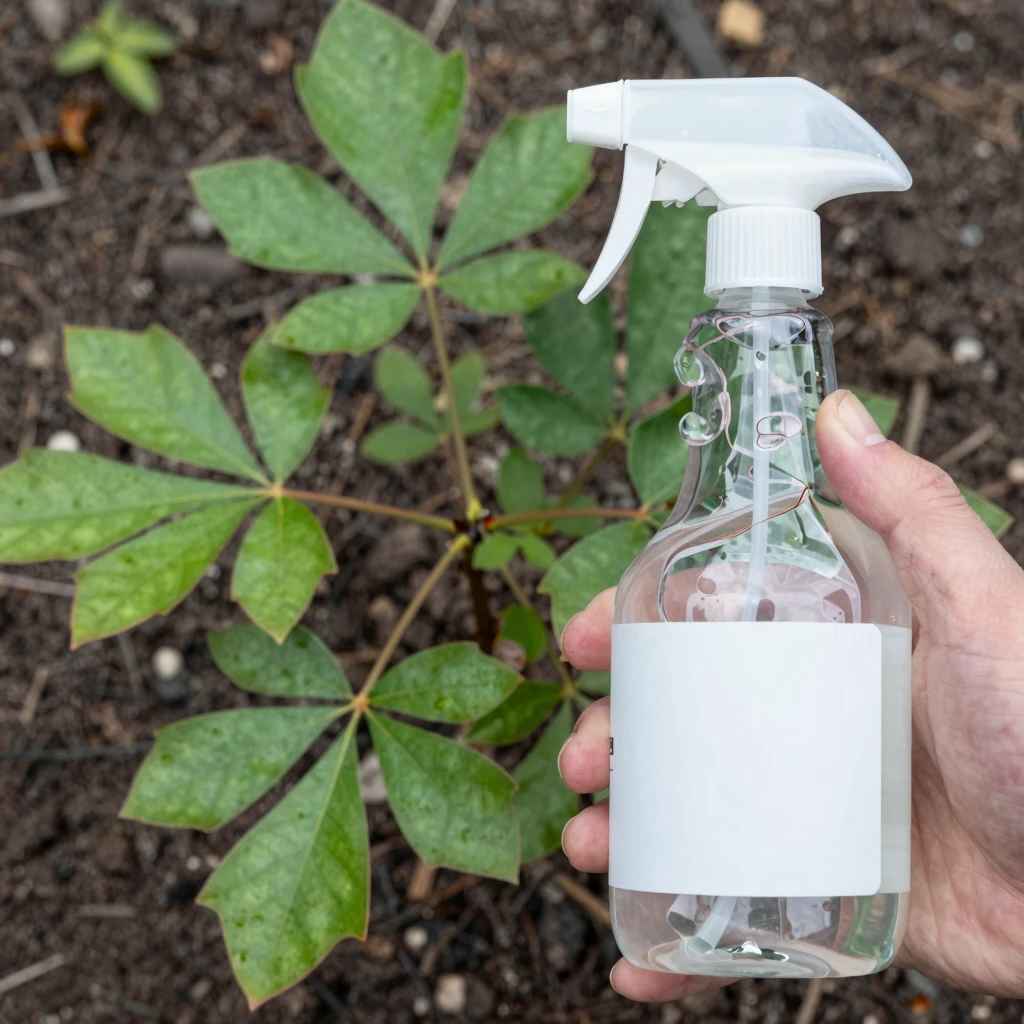
Does Bleach Kill Poison Oak Effectively
Dealing with poison oak can be a real pain, especially when you’re not sure the best way to get rid of it. Many people wonder, Does Bleach Kill Poison Oak Effectively? It’s a common question because bleach is a strong cleaner. For beginners, figuring out if it’s safe and how to use it without harming yourself or the environment can be tricky.
Don’t worry though, we’ll break it down simply and show you exactly what to do. We’ll explore the effectiveness, safety, and best practices so you can tackle that itchy plant problem.
Understanding Poison Oak and Its Spread
Poison oak is a plant that causes a frustrating rash when its oil, urushiol, touches your skin. It grows in many places and can spread easily. Knowing how it grows helps us fight it better.
This section will explain what poison oak looks like and how it makes more of itself.
Identifying Poison Oak
Poison oak often looks like a small shrub or a climbing vine. It has leaves that grow in groups of three. The middle leaf has a longer stem than the two side leaves.
The edges of the leaves can be smooth or toothed. Leaf color changes with the seasons. They are green in spring and summer, turning yellow, orange, or red in the fall.
It’s important to be able to spot it to avoid touching it. Urushiol is the oil that causes the rash. This oil is in all parts of the plant – the leaves, stems, and roots.
Even dead plants can still have the oil and cause a rash.
- Leaf Shape: Always look for leaves in groups of three. This is a key sign of poison oak.
- Stem Color: Stems can be reddish, especially in spring.
- Growth Habit: It can grow as a low shrub or climb trees.
- Seasonal Changes: Leaves change color in autumn.
The “leaves of three, let it be” rhyme is a good reminder. This pattern is common to poison ivy, poison oak, and poison sumac, though poison sumac is less common and grows in wet areas, typically as a tree. Poison oak leaves are usually lobed, like small oak leaves, hence its name.
Young stems might have a fuzzy appearance. The color can vary depending on the plant’s age and the season. Older stems might be woody and greyish.
This makes it hard to avoid in different environments. In wooded areas, it often climbs, making it look like part of the tree bark. As a shrub, it forms dense patches, especially in open fields or along forest edges.
This is when it’s easiest to spot in some regions as the bright autumn colors stand out. However, leaf drop means you might only see the stems in winter, making identification harder.
How Poison Oak Spreads
Poison oak spreads in a couple of main ways. Its roots can spread underground, creating new plants. Birds and animals also help spread its seeds.
This means one patch can quickly become many.
The plant’s roots are tough and can survive even when the top parts are damaged. These underground roots send up new shoots, forming dense thickets. This makes it very persistent and difficult to remove completely.
Seeds are spread when birds eat the plant’s berries. The seeds then pass through the bird’s digestive system and are deposited in new locations. This can happen over long distances, introducing poison oak to new areas where it wasn’t before.
Does Bleach Kill Poison Oak Effectively
When people think of killing stubborn weeds, bleach often comes to mind. But does bleach truly get rid of poison oak permanently? This section will explore how bleach works on plants and whether it’s a good option for poison oak.
How Bleach Affects Plants
Bleach, which is usually sodium hypochlorite, is a strong chemical. It works by oxidizing organic matter. This means it breaks down plant tissues and kills cells.
When you pour bleach on a plant, it damages the leaves, stems, and roots.
The chemical reaction with plant cells is aggressive. It disrupts the cellular structures and vital functions of the plant, leading to its demise. This is why bleach can kill many types of plants quickly.
However, its effectiveness on different plants can vary. Some plants have natural defenses that make them more resistant to certain chemicals. The concentration of bleach and how long it stays in contact with the plant also play a big role.
Bleach and Poison Oak: The Verdict
Yes, bleach can kill poison oak. It’s a strong herbicide that will destroy the plant’s foliage and can damage its root system, especially with repeated applications. When applied directly to the leaves and stems, the urushiol oil present can be neutralized by the bleach, reducing the risk of a rash during removal.
However, bleach is not a perfect solution. It can harm the soil and surrounding plants if it runs off. It’s also not usually recommended for large infestations because it’s costly and can be harmful to the environment.
For smaller, manageable patches, it might be an option.
The key is to apply it carefully. Diluting the bleach can make it safer for the soil. But strong, undiluted bleach will kill the plant more effectively, though with greater risk to the environment.
Consider this: A study by the University of California, Division of Agriculture and Natural Resources, found that while bleach can kill poison oak top growth, it often requires repeated applications to affect the persistent root system. This suggests that while it can kill it, it might not be the most efficient or sustainable method for long-term control.
Safer and More Effective Alternatives
While bleach can work, there are better ways to manage poison oak. These methods are often safer for you and the planet. We’ll look at ways to remove poison oak without harsh chemicals and how to prevent it from coming back.
Mechanical Removal
One of the most effective ways to get rid of poison oak is by physically removing it. This means pulling it up by the roots or cutting it down. It’s important to wear protective clothing to avoid contact with the urushiol oil.
Always wear long sleeves, long pants, gloves, and eye protection. Wash your clothes and tools immediately after use. This helps prevent the oil from spreading to other things or people.
For small plants, you can dig them out, making sure to get the entire root system. For larger vines or shrubs, you might need tools like a shovel, loppers, or a saw. Dispose of the plant material properly, perhaps by burning it if allowed in your area, or bagging it securely.
- Wear Protective Gear: Always dress for battle.
- Dig Out Roots: Get the whole plant.
- Proper Disposal: Don’t spread the poison.
This is the most critical step. Thick, disposable gloves are best. Consider a Tyvek suit for larger infestations.
Even if it’s hot, protect your skin fully from head to toe. Gardening clothes should be dedicated to poison oak removal and washed separately.
Poison oak has a strong taproot and spreading root system. Simply cutting the top will not kill the plant. Use a trowel or shovel to loosen the soil around the base and carefully pull the entire root system free.
Place all removed plant parts, including leaves, stems, and roots, into heavy-duty plastic bags. Seal the bags tightly. If your local waste management allows for it, burning the plant material can be effective, as the heat destroys the urushiol.
However, never burn poison oak without checking local regulations, as smoke can still carry the oil.
Natural Herbicides
There are natural options that can help kill poison oak. Boiling water can kill small plants. Vinegar can also be effective, especially horticultural vinegar which is stronger than kitchen vinegar.
Boiling water poured directly onto the plant can scald and kill the leaves and shallow roots. It’s a quick method for small, isolated plants. Be careful not to splash yourself with boiling water.
Vinegar works by drawing moisture out of the plant’s leaves and stems, causing them to dry out and die. Horticultural vinegar, with a higher acetic acid content (20-30%), is more potent than household vinegar (around 5%). Apply it on a sunny day for best results.
Be aware that vinegar can also harm other plants and can affect soil pH.
Preventative Measures
Once you’ve removed poison oak, you need to stop it from coming back. One way is to plant ground cover or other plants that will crowd out the poison oak. Mowing regularly can also weaken it over time.
Keeping your yard tidy helps. Remove any debris where poison oak might sprout. Educate yourself and your family on how to identify it, so you can avoid contact and remove new sprouts quickly.
Mulching can also be beneficial. A thick layer of mulch can suppress weed growth, including poison oak seedlings. Over time, consistent effort in removal and prevention will make a big difference in controlling this persistent plant.
How to Safely Use Bleach on Poison Oak
If you choose to use bleach, doing it the right way is key for safety and effectiveness. This means using the right amount, applying it properly, and protecting yourself. Here’s how to handle it.
Dilution and Application
For poison oak, a strong solution of bleach is often needed to kill it. However, for environmental reasons and to protect other plants, it’s sometimes advised to dilute it. A common mix is 1 part bleach to 4 parts water.
For tougher cases, you might use a stronger solution, like 1 part bleach to 1 part water, but this increases the risk to surrounding soil and plants.
Apply the bleach solution directly to the leaves and stems of the poison oak plant. A spray bottle or a watering can works well. Try to avoid spraying nearby desirable plants, as bleach will kill them too.
Aim to cover the foliage thoroughly.
Timing and Repeat Treatments
The best time to apply bleach is on a dry, sunny day. This helps the bleach penetrate the plant and dry out the tissues. Avoid applying it before rain, as the rain will wash the bleach away before it can do its job.
It’s unlikely that one application will completely kill a well-established poison oak plant, especially its roots. You will likely need to repeat the treatment. Wait a week or two, and if you see new growth, apply the bleach solution again.
Persistence is key when dealing with stubborn plants.
- When to Apply: Sunny and dry days are best.
- How Often: Repeat treatments are usually needed.
- Safety First: Always protect yourself.
Sunny weather allows the plant to absorb the bleach more effectively and prevents dilution by rain. Avoid windy days, as the spray can drift onto other plants or yourself. Choose a time when you can monitor the area for a few days without rain.
Poison oak is resilient. New shoots might appear from the roots even after the tops have died. Keep an eye out for any regrowth and reapply the bleach solution as needed.
Don’t expect a single spray to solve the problem forever.
Even with diluted bleach, wear protective clothing like gloves, long sleeves, and eye protection. Avoid inhaling the fumes. Wash any skin that might have come into contact with the bleach solution immediately with soap and water.
Environmental Concerns
Using bleach can harm the environment. It can kill beneficial soil microbes and damage nearby plants. If it runs off into waterways, it can harm aquatic life.
So, use it sparingly and with great care.
Consider the impact on your soil’s health. Bleach can sterilize the soil temporarily, making it harder for new plants to grow. If you’re treating a large area, the cost of bleach can add up, and the environmental damage might outweigh the benefits compared to other methods.
Always be mindful of where the runoff will go. Try to contain the application to the target plant as much as possible. Using a sponge or brush to apply bleach directly to the leaves can be more precise than spraying.
Case Studies and Examples
Let’s look at real-world examples of how people have dealt with poison oak, including using bleach and other methods. These stories show what works and what doesn’t.
Example 1 A homeowner’s success
A homeowner in the Pacific Northwest found their backyard was overrun with poison oak. They tried many things. First, they wore thick gloves and a long-sleeved shirt.
They dug out smaller plants. For larger, woody plants, they used loppers and a saw. They bagged everything carefully and disposed of it.
They also used a diluted bleach solution on persistent smaller shoots that regrew. They repeated this about three times over a summer. They also planted a dense ground cover in the cleared areas to prevent new poison oak from taking root.
This combined approach worked well over a year.
Example 2 A public park management
A local park struggled with poison oak along hiking trails. They decided on a multi-pronged strategy. They trained staff on proper identification and safe removal techniques.
They used mechanical removal for larger patches, clearing trails safely for visitors.
For areas that regrew quickly, they used spot treatments. Sometimes this involved horticultural vinegar, and in specific, controlled zones, they used a carefully diluted bleach solution. They prioritized methods that would minimize harm to the soil and surrounding native plants.
They also educated park visitors about poison oak and how to avoid it.
Example 3 A gardener’s mistake
One gardener, eager to clear poison oak quickly, sprayed undiluted bleach on a large patch near their vegetable garden. They didn’t wear enough protective gear and got some on their arms. The bleach killed the poison oak tops but also killed the soil and several nearby tomato plants.
The oil from the dead poison oak also caused a rash on their arms.
This shows the risks of using strong chemicals without proper precautions. It also highlights how bleach can be indiscriminate, harming other plants and posing health risks if not handled correctly. This gardener learned that safety and care are just as important as effectiveness.
| Method | Pros | Cons | Effectiveness for Poison Oak |
|---|---|---|---|
| Bleach (Diluted) | Kills top growth, can neutralize oil | Can harm soil, other plants, requires repeat treatments | Moderate to High (short-term), Low (long-term root control) |
| Mechanical Removal | Gets to the root, no chemical risk | Labor intensive, requires protective gear | High (when roots are removed) |
| Boiling Water | Natural, safe for soil | Only effective on small plants, risk of burns | Low to Moderate (short-term) |
| Vinegar (Horticultural) | Natural, burns foliage | Can harm soil, requires repeat treatments, less effective on roots | Moderate (short-term) |
Frequently Asked Questions
Question: Will bleach kill poison oak instantly?
Answer: Bleach will damage poison oak quickly, causing the leaves to brown and wilt within a day or two. However, it may not kill the entire plant, especially the roots, instantly. Multiple applications are often needed for complete eradication.
Question: Is it safe to touch poison oak after spraying it with bleach?
Answer: While bleach can help neutralize the urushiol oil, it’s still best to avoid touching the plant directly, even after treatment. Wear protective gloves and clothing when handling treated or untreated poison oak to be completely safe.
Question: Can bleach harm pets or children if used on poison oak?
Answer: Yes, undiluted or improperly handled bleach can be harmful. Keep pets and children away from treated areas until the bleach has been washed away or dried completely. Always follow safety precautions.
Question: What is the best concentration of bleach to use for poison oak?
Answer: A common recommendation is a 1:4 ratio of bleach to water. For tougher infestations, a 1:1 ratio can be used, but this significantly increases the risk to surrounding plants and soil. Always test in a small area first.
Question: Will bleach kill the poison oak roots?
Answer: Strong concentrations of bleach can damage the roots, and repeated applications can weaken them significantly. However, poison oak roots are very resilient, and complete eradication of the root system might require mechanical removal in conjunction with chemical treatments.
Conclusion
Does bleach kill poison oak effectively? Yes, it can kill the plant’s leaves and stems, and with repeat treatments, it can weaken the roots. However, it’s not always the most environmentally friendly or easiest solution.
For best results, consider combining bleach with physical removal and preventative measures.