Are Oak Leaves Edible? What’s Actually Proven
No — oak leaves aren’t an established human food. Unlike acorns, which have centuries of documented use as a leached, ground flour, there’s no verified traditional or scientific record of people safely eating oak leaves as a regular food. Their tannin content is real, and in concentrated amounts it has caused documented poisoning in livestock, so “leach the leaves for a week and eat them like spinach” instructions deserve real skepticism.
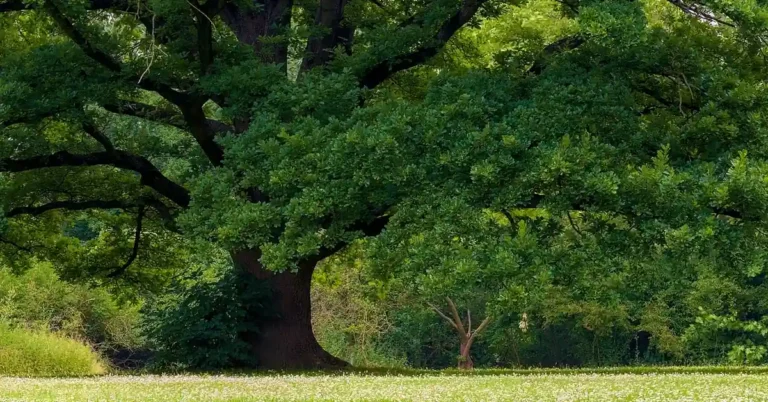
Oak leaves show up constantly in survival and foraging content because oak trees are everywhere and their leaves are loaded with tannins — the same family of bitter compounds found in tea, red wine, and acorns. That chemical overlap is where most of the “oak leaves are secretly a survival food” claims come from. But overlap in chemistry doesn’t mean overlap in safety record. This guide separates what’s actually documented about oak leaves from what gets repeated online without a real source, and points you toward the oak-tree food that does have a genuine track record: acorns.
Oak Leaves vs. Acorns: Why They’re Not the Same Question
It’s easy to assume that if acorns from oak trees are edible after processing, the leaves must be too — they’re part of the same tree, after all. But the evidence for each is completely different. Acorns have a well-documented, centuries-old human food tradition: Indigenous communities across North America, along with groups in Korea, Japan, and parts of the Mediterranean, ground leached acorns into flour and meal, and that practice is written up in ethnobotany records, historical accounts, and modern foraging references alike.
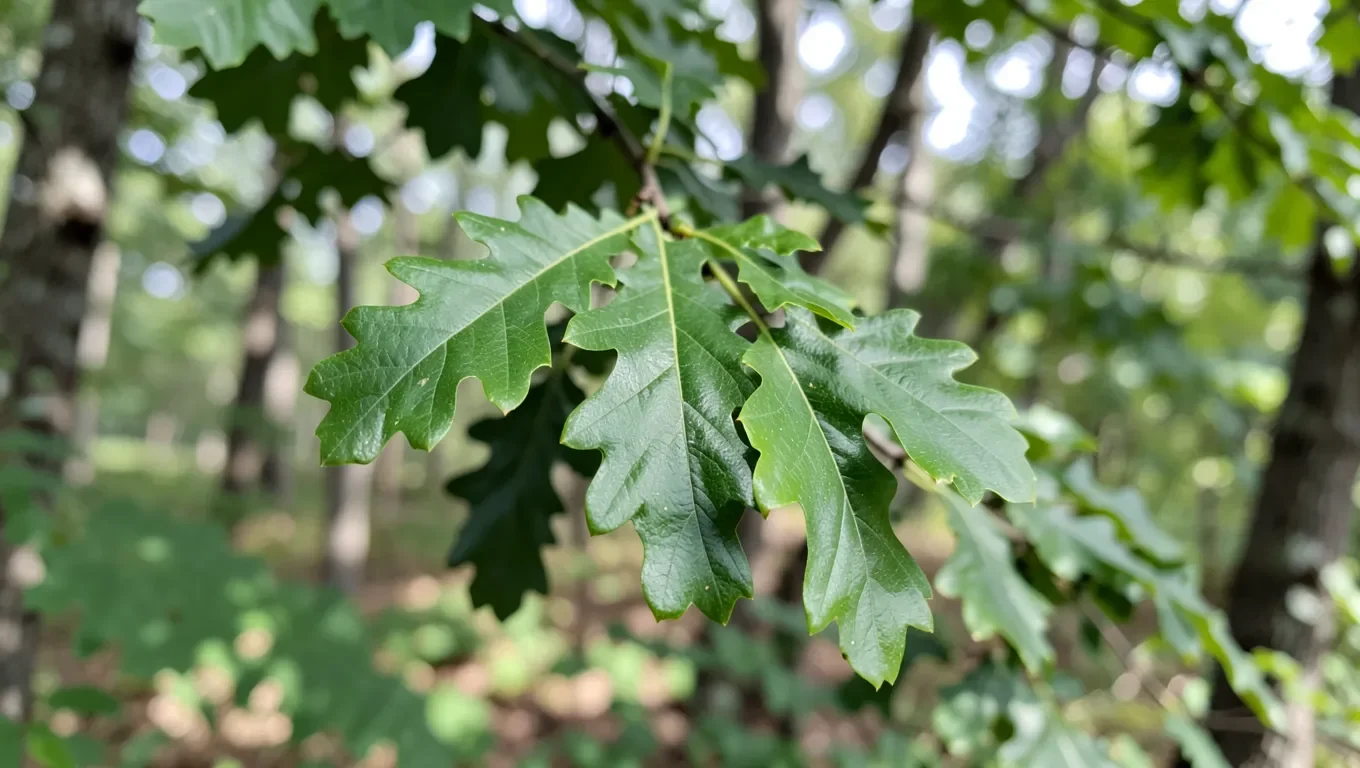
Oak leaves don’t have that same paper trail. Search through actual foraging and ethnobotany references and you’ll find oak leaves mentioned for oak-leaf wine (a historical curiosity, not a staple) and for topical or gargle use as an astringent — not as a leached vegetable eaten in quantity. That absence of documentation doesn’t automatically mean “dangerous,” but it does mean the confident, step-by-step “here’s how to eat oak leaves” instructions you’ll find on some survival sites are going well beyond what’s actually been verified.
Foragers’ First Reference
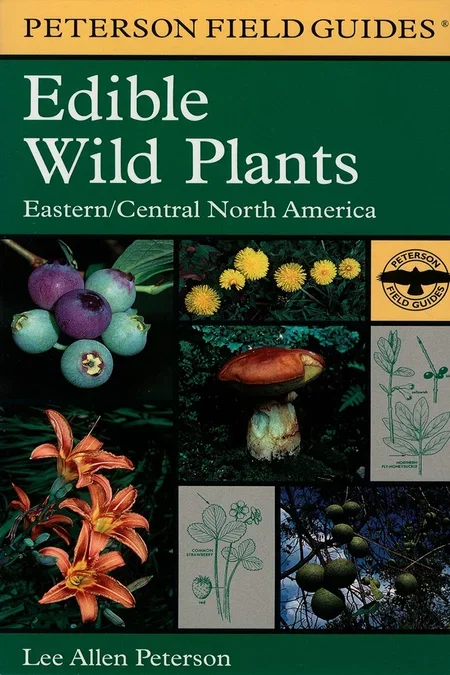 |
A Peterson Field Guide to Edible Wild Plants – $22.62 If oak leaves aren’t a reliable food source, acorns and hundreds of other wild plants genuinely are — but only if you can positively identify them and rule out toxic lookalikes first. This is the reference foragers actually carry in the field for that.
|
What Tannins Actually Do in the Body
Tannins are astringent plant compounds that bind to proteins — that’s what causes the dry, puckering feeling from strong black tea or an under-ripe persimmon. In small, regular doses, tannins are genuinely harmless; humans consume them all the time in tea, coffee, red wine, and leached acorns. The concern is dose and concentration, not the mere presence of tannins.
In larger, concentrated amounts, tannins act as an antinutrient: they can interfere with protein and iron absorption and irritate the digestive tract, leading to nausea, stomach cramps, and diarrhea. Oak leaves carry a meaningfully higher tannin concentration than a cup of tea — particularly young spring foliage — which is exactly why the “just eat them” framing skips over a real variable: nobody has published a tested threshold for how much leaching actually gets oak leaf tannins down to a safe, repeatable level for regular human consumption.
The Livestock Evidence: What Documented Oak Poisoning Actually Shows
This is the part most “oak leaves are a survival food” articles leave out entirely: oak leaf and acorn toxicosis is a real, veterinary-documented condition in cattle, and it’s specifically tied to eating large quantities of young oak leaves and buds in spring. Affected cattle can develop kidney damage, gastrointestinal bleeding, and in severe cases, death — the tannins are the primary suspected cause. Horses and other grazing animals will generally avoid oak leaves on their own when other forage is available, precisely because of the bitterness.
This doesn’t mean a human eating a small, well-leached amount of oak leaf will end up with the same outcome — body size, digestion, and quantity all matter, and cattle poisoning cases involve animals eating pounds of fresh foliage. But it is real, documented evidence that oak tannins are a genuine dose-dependent toxin, not just an unpleasant flavor to mask. That’s a meaningfully different starting point than the “it’s just bitter, soak it out” framing common online.
Identifying Oak Species: White Oak Group vs. Red Oak Group
Whatever you use oak leaves for — mulch, compost, or just general plant ID — it helps to know the two broad groups, because they consistently differ in tannin levels.
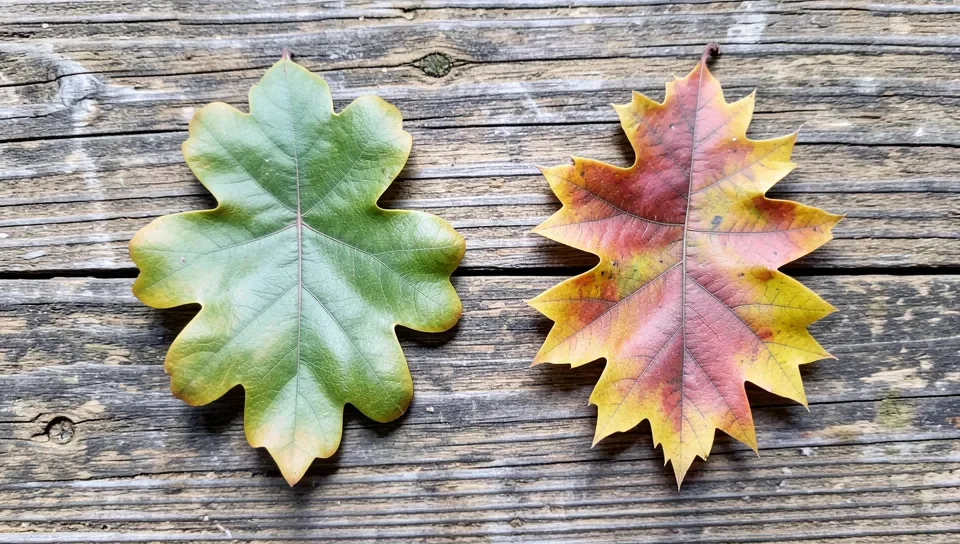
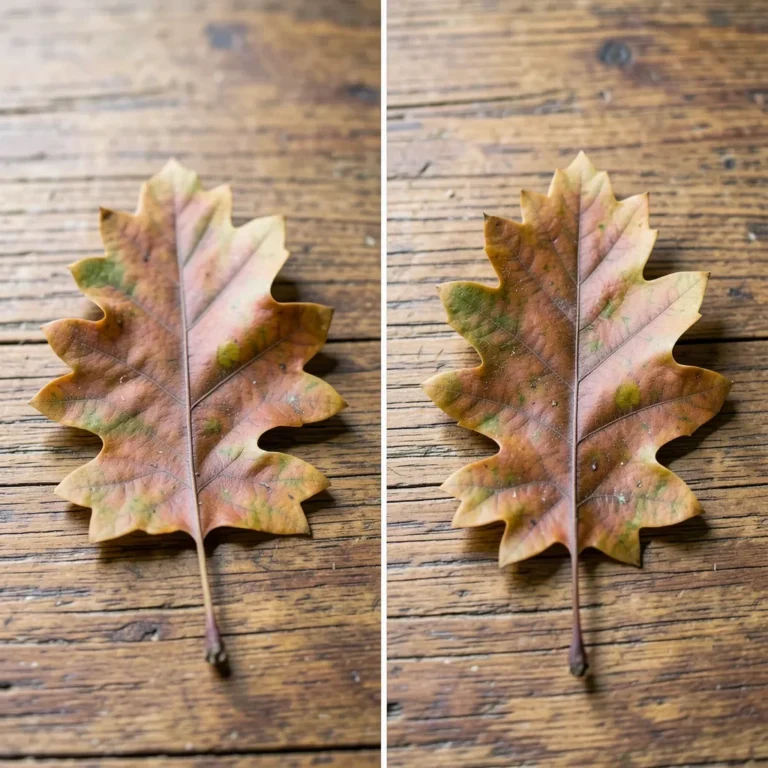
- White oak group (Quercus alba, Bur Oak, Post Oak): rounded leaf lobes without bristle tips, generally lower tannin levels, lighter ash-gray bark. Acorns from this group mature in one season and are the ones most commonly leached for food.
- Red oak group (Quercus rubra and relatives, section Lobatae): pointed lobes with bristle tips, generally higher tannin levels and darker, rougher bark. Acorns from this group take two seasons to mature and are notably more bitter.
If you can’t confidently tell the two apart, that’s a good sign you shouldn’t be experimenting with eating anything from that tree yet — misidentifying a lookalike species is a far more common real-world foraging injury than tannin overdose.
Why the Week-Long Leaching Instructions You’ll See Online Don’t Hold Up
You’ll find a fairly consistent recipe repeated across survival sites: chop young oak leaves, soak them in water you change twice a day for 5–7 days (or boil-and-drain 3–5 times), taste-test a small piece, then cook and eat them like a starchy green or dry them into flour. The steps themselves mirror real acorn-leaching technique reasonably closely — which is exactly the problem. Acorn leaching has generations of practical use behind it, refined against an actual record of what worked. The oak-leaf version reads like the same process copy-pasted onto a different plant part, without an equivalent trail of use showing it was ever tested for leaves specifically.
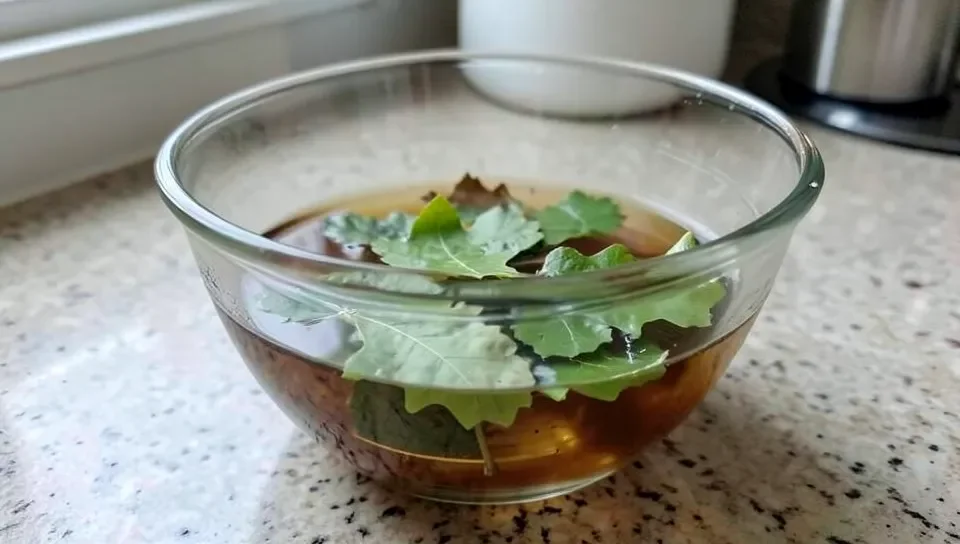
A “taste test” is also not a reliable safety check. Tannin concentration and bitterness don’t track perfectly, and gastrointestinal irritation from tannins can show up hours after eating, not immediately on the tongue. None of this means a small amount of well-processed oak leaf is guaranteed to hurt you — it means the specific claim that this is a tested, safe survival technique isn’t backed by the kind of evidence that exists for acorns, and treating it as equivalent is the actual misinformation here.
If You Want a Real Oak-Based Wild Food, Acorns Are It
If the goal is genuinely learning to use oak trees for food, acorns are the part with an actual track record. The short version: shell the acorns, grind or chop them, then leach the meal in repeated changes of water (cold or hot) until the bitterness is gone, and dry it into flour. White oak group acorns need less leaching than red oak group acorns because they start with less tannin. Our full acorn guide covers species-by-species tannin differences and the complete leaching process in more detail.
What Oak Leaves Are Actually Good For
None of this makes oak leaves useless — they just have a different, better-documented job than being dinner.
- Compost and mulch: the concern that oak leaves are “too acidic” or toxic for compost is largely overstated — shredded oak leaves break down like any other leaf litter and make solid mulch. See our guides on oak leaves for compost and oak leaves for mulch.
- Topical and gargle use: oak bark (and to a lesser extent, leaves) has a real traditional history as an astringent — used as a cooled tea gargled for a sore throat or applied to minor skin irritation. That’s a different exposure route than eating a bowl of leaves, and a much smaller total tannin dose.
- Wildlife and soil habitat: leaf litter under oaks supports insects, fungi, and soil health even when it’s just left where it falls.
When to Never Try This
- If you can’t positively identify the tree as an oak in the first place — several toxic species have superficially similar lobed leaves.
- If the leaves come from a roadside, treated lawn, or anywhere pesticides or pollutants are likely.
- If you have kidney issues, are pregnant, or are feeding this to children — the antinutrient and GI effects of tannins hit sensitive groups harder.
- If your plan is to feed processed oak leaves to pets or livestock in any real quantity — the documented poisoning cases are specifically about animals, not a reason to worry about a single ornamental tree dropping leaves in your yard.
Wild Edibles: What’s Actually Documented
Here’s how oak leaves stack up against other wild plants people forage, based on how well-documented each one’s use as food actually is — not just whether it’s theoretically non-toxic.
| Food Source | Human Food Track Record | Preparation Needed | Primary Nutrient |
|---|---|---|---|
| Oak Leaves | Not established — no verified traditional use as a staple food | Unverified leaching claims only | Unclear |
| Acorns | Well documented for centuries across multiple cultures | Leaching (grinding + repeated water changes) | Carbohydrates, fats |
| Dandelion (leaves & roots) | Well documented, widely eaten today | Minimal — raw or lightly cooked | Vitamins A, C, K |
| Wild Berries | Well documented, widely eaten today | None, eaten raw | Vitamins, antioxidants |
| Cattail (shoots & roots) | Well documented historically | Low — raw or cooked | Carbohydrates |
Frequently Asked Questions About Eating Oak Leaves
Are oak leaves poisonous?
In small amounts, the tannins in oak leaves aren’t an acute poison — but in concentrated, repeated amounts they’ve caused documented poisoning in cattle, with kidney and gastrointestinal damage. That makes them a real dose-dependent risk rather than a food to eat casually.
Can you eat oak leaves raw?
No. Raw oak leaves are highly astringent from unprocessed tannins and can cause stomach upset, nausea, and diarrhea even in modest amounts.
What’s the difference between eating acorns and eating oak leaves?
Acorns have a genuine, centuries-long documented history as a leached food across multiple cultures. Oak leaves don’t have an equivalent record — the leaching instructions that circulate online for leaves appear to be adapted from acorn technique rather than tested and verified for leaves specifically.
Is oak leaf tea safe to drink?
Oak bark and leaf tea has a traditional history as an astringent gargle or wash for minor skin irritation, used occasionally and in small amounts — a much smaller total tannin dose than eating a serving of boiled leaves. It isn’t the same claim as “safe to eat as food.”
Which oak species are least bitter?
White oak group species (White Oak, Bur Oak, Post Oak) generally carry less tannin than red oak group species (Red Oak and relatives), which is why white oak acorns need less leaching to become edible.
Are oak leaves safe for compost even if you shouldn’t eat them?
Yes. The tannin and acidity concerns that make oak leaves a questionable food don’t translate into a compost or garden problem — shredded oak leaves break down like any other leaf litter and are commonly used as mulch.
Bottom Line
Oak leaves aren’t proven safe as a regular human food, and they aren’t proven dangerous in every amount either — the honest answer is that nobody has published the evidence to call this a tested survival technique the way acorn leaching is. Documented tannin poisoning in livestock shows the risk is real at high doses, not just a myth to wave off. If you want a genuine oak-based wild food with a real track record, learn to process acorns instead, and carry an actual field guide before you eat anything you find in the woods.
Sponsored / affiliate links. As an Amazon Associate I earn from qualifying purchases. I may earn additional commission from eligible campaigns.
 Wine Away Red Wine Stain Remover, 12oz - Removes Wine Spots, Perfect Fabric Upholstery & Carpet Cleaner Spray Solution, Spray on Stain Wash & Resolve Laundry to Vanish Stain, Citrus Scent (Pack of 2)
 Wine Away Red Wine Stain Remover - Removes Wine Spots - Perfect Fabric Upholstery and Carpet Cleaner Spray Solution - Spray on Stain Wash and Resolve Laundry to Vanish Stain - Citrus Scent - 1 Gallon