Is White Oak Good for Cutting Boards? Yes, Unlike Red Oak
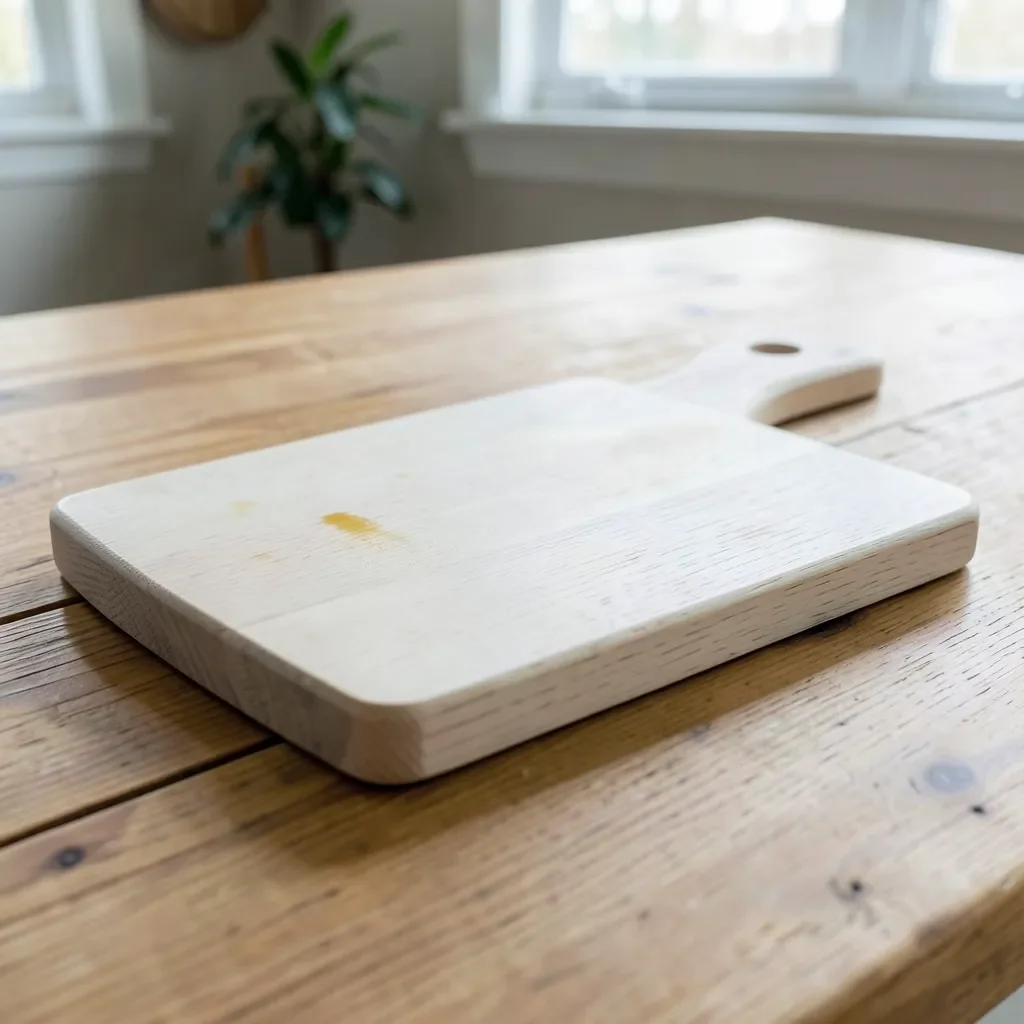
White oak works well for cutting boards because cell growths called tyloses naturally plug its wood pores, sealing out food and bacteria — red oak lacks these tyloses, so its open pores stay a genuine food-safety problem for cutting boards. White oak also runs harder than maple on the Janka scale, which means fewer knife-groove marks over time. This guide covers the tylose science, how white oak compares to maple, and monthly care.
Affiliate disclosure: Woodworking Advisor is reader-supported. If you buy through links on this page, we may earn an affiliate commission at no extra cost to you.
Why White Oak Is Food-Safe But Red Oak Isn’t
Best Board Conditioner Pick
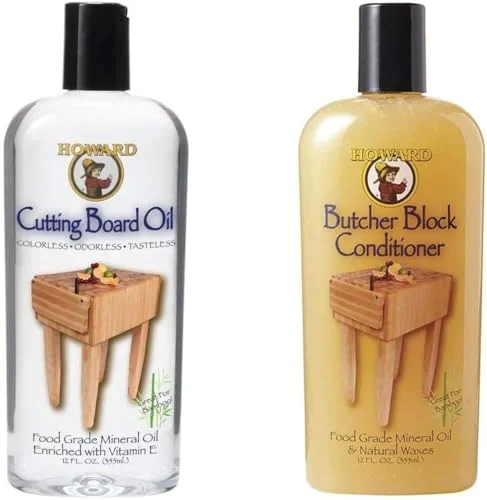 |
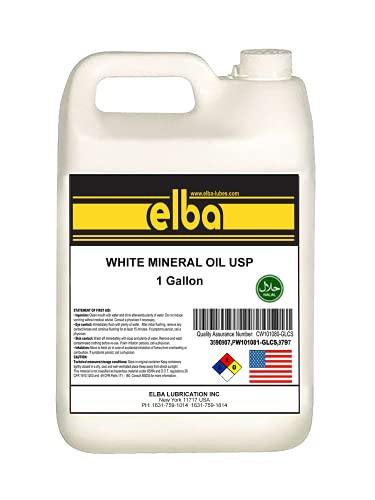
Howard Butcher Block Conditioner – $17.05 Monthly oiling is the maintenance step that keeps a white oak board’s sealed pores from drying out and cracking, as covered in the care steps below.
|
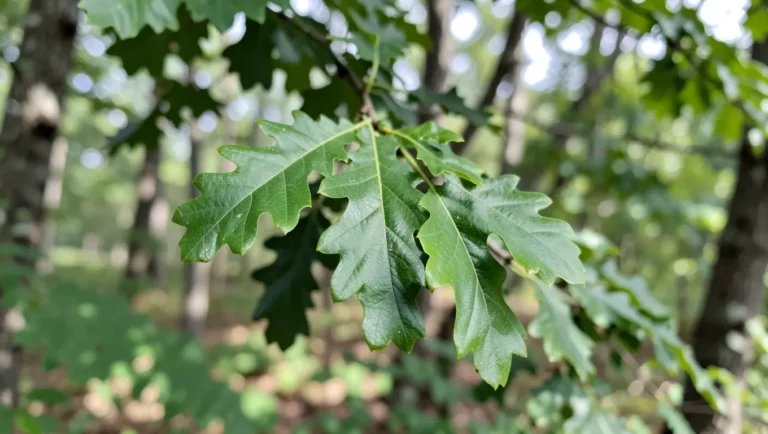
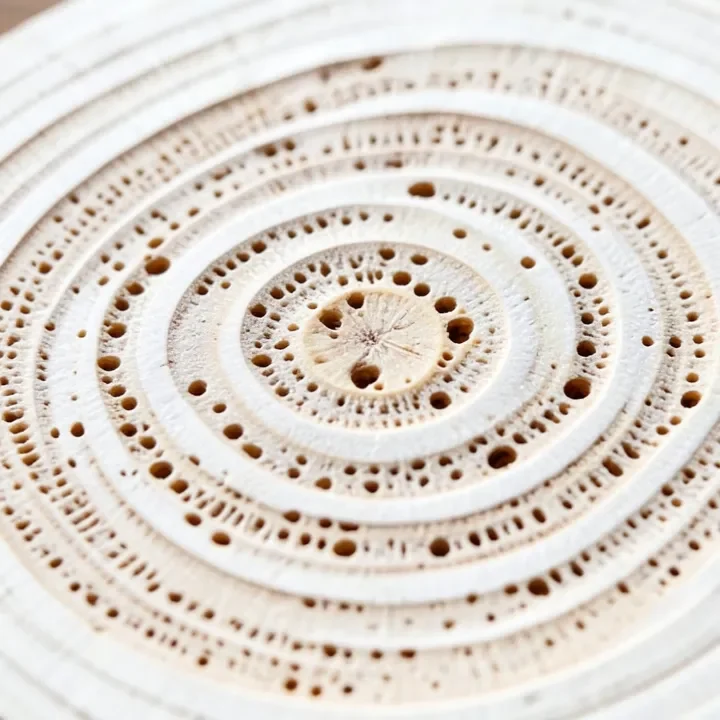
Both oaks have open, porous grain structure, but that’s where the similarity ends for kitchen use. White oak’s pores are naturally plugged by tyloses — balloon-like cell growths that block the pore channels as the tree matures — which keeps food particles and moisture from working into the wood. Red oak never develops these plugs (you can actually blow air through a red oak branch section, which is a classic wood-shop demonstration), so its pores stay open channels that trap bacteria and moisture no amount of sanding fully solves.
White Oak vs. Maple: Which Cutting Board Wood Wins?
Maple is the traditional butcher-block choice, but white oak is a legitimate competitor on a few specific points.
| Factor | White Oak | Hard Maple |
|---|---|---|
| Janka hardness | ~1,350 lbf | ~1,450 lbf |
| Grain | Open, sealed by tyloses | Closed, naturally tight |
| Knife feel | Slightly more forgiving on blade edges | Harder surface, can dull knives faster |
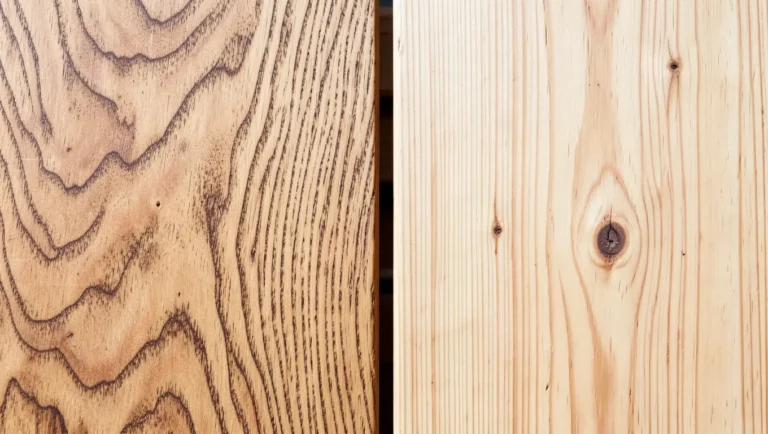
| Look | Prominent grain, tan-to-brown tone | Pale, subtle grain |
Maple edges out white oak slightly on raw hardness, but the difference is small enough that both hold up for years of normal home use. The bigger practical difference is look: white oak’s bold grain shows through a cutting board’s face far more than maple’s subtle figure. If you’re also weighing other hardwood options, our hickory vs. white oak comparison covers a third common choice.
Grain Orientation: Face, Edge, or End Grain
White oak’s sealed pores mean it works in all three common cutting board constructions, which isn’t true of every wood:
- Face grain: The simplest and cheapest to build, shows the full width of the grain pattern, but shows knife marks the most visibly.
- Edge grain: Strips glued on their edge; more durable and knife-friendly than face grain, moderate build complexity.
- End grain: Blocks arranged so the end grain faces up; self-healing under a knife edge and the most knife-friendly, but the most labor-intensive and expensive to build.
Maintaining a White Oak Cutting Board
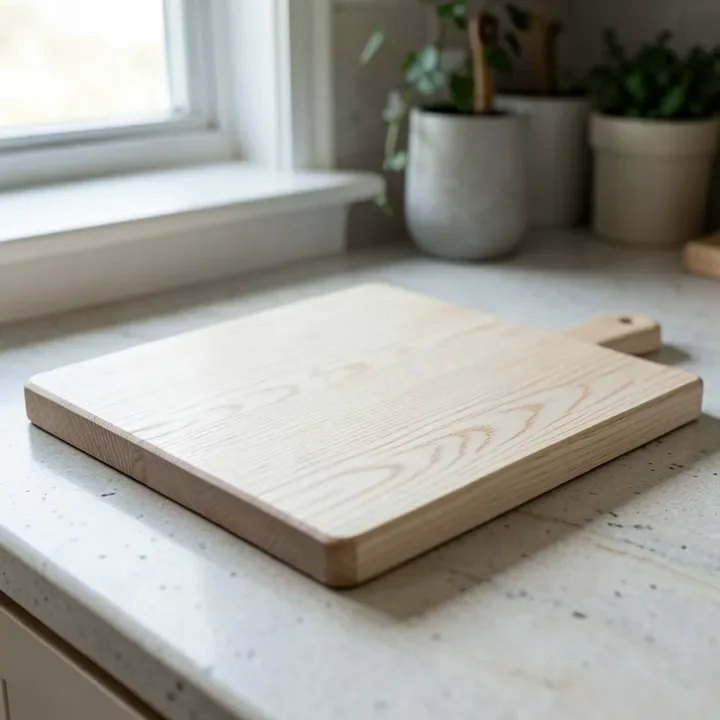
- Oil monthly: Apply a food-safe mineral oil or a board conditioner monthly, or more often if the surface looks dry or pale.
- Hand wash only: Wash with mild soap and water, then dry standing on edge — never soak it or run it through a dishwasher, which will crack and warp any wood board, white oak included.
- Sand out deep cuts: Light sanding with fine-grit paper removes deep knife grooves before they become bacteria traps, then re-oil immediately after sanding.
📊 Tyloses form naturally as white oak heartwood matures, which is the same structural feature that makes white oak (not red oak) the wood species historically used for whiskey barrels and wine barrels — the sealed pores that make it food-safe for cutting boards are the same ones that make it liquid-tight for barrels.
“You can tell white oak from red oak in the shop with a quick pore test: red oak pores are open enough to hold a strand of hair or a needle, while white oak pores look closed and speckled with the tyloses. If you’re buying rough lumber and can’t tell which is which, that test settles it before you commit.”
— Our team, from sourcing hardwood for cutting board builds
Frequently Asked Questions
Is white oak better than red oak for cutting boards?
Yes, significantly. White oak’s tyloses seal its pores against food and bacteria, while red oak’s open pores stay a genuine food-safety concern regardless of finish. Red oak is not recommended for cutting boards for this reason.
Does white oak need a special finish for food safety?
No special sealant is required beyond food-safe mineral oil or a beeswax-mineral oil board conditioner, reapplied monthly. Avoid polyurethane or varnish on cutting surfaces, since those finishes crack under knife use and aren’t meant to be cut into.
Will a white oak cutting board dull my knives?
Slightly more than a softer wood like walnut, but less than a harder surface like bamboo or glass. White oak’s hardness is close enough to maple that most home cooks won’t notice a meaningful difference in edge retention.
Can I use white oak for an end-grain cutting board?
Yes. White oak’s sealed pores and reasonable hardness make it a solid end-grain choice, though its bolder grain pattern will look different from the more subtle end-grain checkerboard effect maple produces.
Between the tylose seal, respectable hardness, and flexibility across face, edge, and end-grain builds, white oak earns its place next to maple as a genuine cutting board hardwood — red oak simply doesn’t belong in the same conversation. For more on identifying which oak you actually have, see our wood species guide.
Sponsored / affiliate links. As an Amazon Associate I earn from qualifying purchases. I may earn additional commission from eligible campaigns.