Does Red Oak Stain Well Expert Tips
Many DIYers wonder, Does Red Oak Stain Well? Expert Tips are key because this wood can be tricky. Red oak’s natural grain has open pores and a reddish undertone that sometimes make stains look blotchy or uneven.
It’s not always straightforward for beginners to get that smooth, consistent finish they want. But don’t worry! We’ll break down exactly how to stain red oak beautifully, step by step, so you can achieve amazing results with confidence.
Understanding Red Oak Wood for Staining
Red oak is a popular hardwood known for its strength and distinct grain pattern. Its name comes from the reddish hues that become more apparent as the wood ages or when it’s finished. This wood type is widely used in furniture, flooring, cabinetry, and decorative items.
However, its natural characteristics present unique challenges when it comes to applying stain. The open-grained nature of red oak means it absorbs stain differently across its surface, which can lead to an inconsistent appearance if not properly prepared.
When you’re thinking about staining red oak, one of the biggest considerations is its porosity. Red oak has larger pores than its white oak cousin. These pores can soak up more stain, making those areas appear darker.
This is where blotching often happens. Imagine pouring water on a sponge; some spots soak it up faster than others. Wood works similarly.
This uneven absorption is why many people ask, “Does red oak stain well?” The answer is yes, but it requires a specific approach to manage these natural tendencies and achieve a beautiful, uniform color.
Understanding the wood’s structure helps us overcome these challenges. We need to think about how to equalize the stain absorption. This involves preparing the wood surface in ways that prevent the stain from sinking too deeply into the open grain.
Without proper preparation, the beauty of the red oak’s grain can be overshadowed by unsightly dark patches. Our goal is to highlight, not hide, the wood’s natural character. This guide will provide you with the expert insights needed to get that perfect stain job.
The Unique Grain Structure of Red Oak
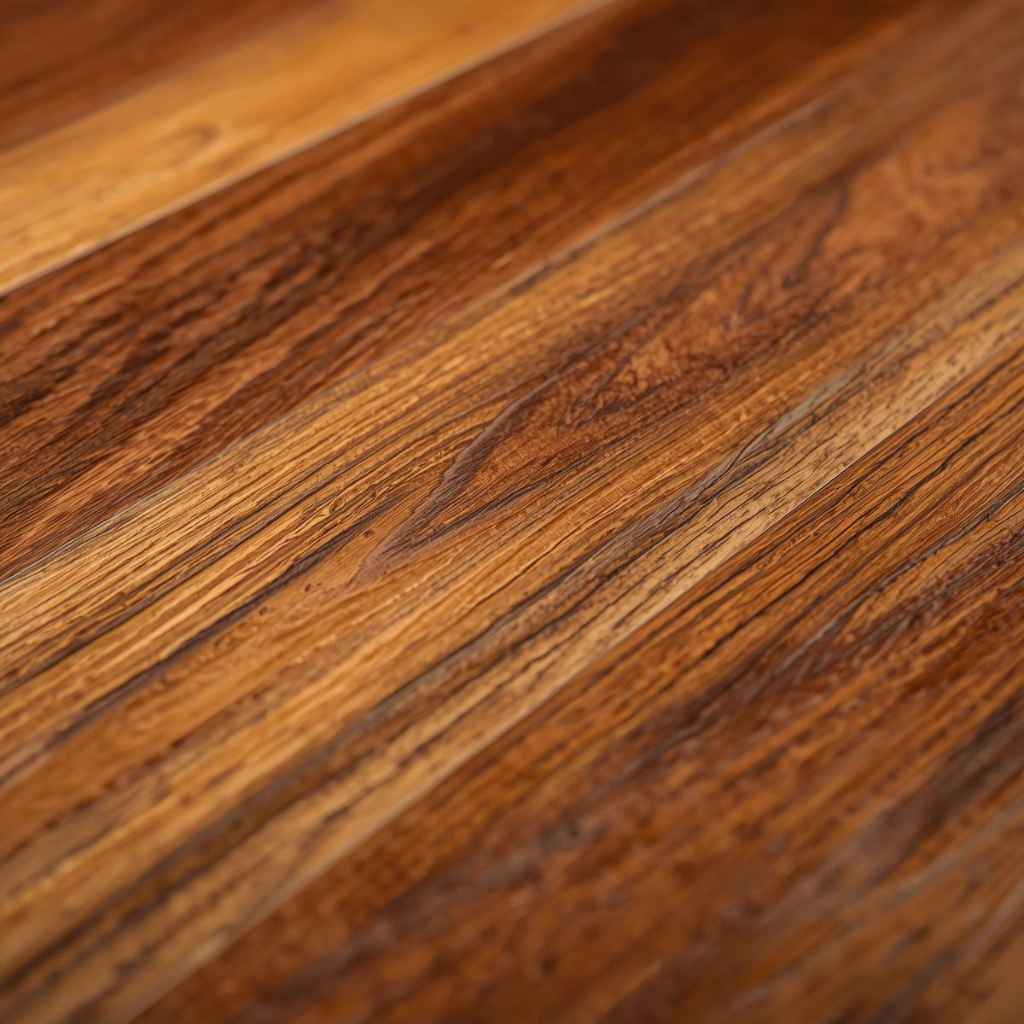
Red oak is classified as a ring-porous hardwood. This means that during the tree’s growth, the larger vessels that transport water are concentrated in the earlywood, forming distinct rings. These earlywood vessels create the characteristic open pores that give red oak its distinctive grain.
The latewood, which forms after the earlywood, has smaller pores and denser tissue.
When you apply stain, the stain-soaked finish penetrates these open pores much more readily than it does the denser latewood. This difference in penetration is the primary reason why red oak can appear blotchy when stained. The darker, more saturated areas correspond to the open grain, while the lighter areas are where the stain hasn’t penetrated as deeply.
For anyone new to woodworking or finishing, this is often the first hurdle they encounter when asking, Does Red Oak Stain Well? Expert Tips are crucial here to avoid this common pitfall.
The natural reddish undertone of red oak also plays a role. Some stains can interact with these red pigments, leading to unexpected color shifts. For example, a dark walnut stain might appear more purple on red oak than on other woods.
Understanding this interaction allows for better stain selection and adjustment. It’s not just about the stain itself, but how it reacts with the wood’s natural chemistry.
Think of it like painting a textured wall. If you apply paint too quickly, it might pool in the deeper parts of the texture, leaving the raised parts with less coverage. Wood staining is similar, but instead of pools, you get darker absorption.
This is why surface preparation is so important. It’s about making the “wall” as uniform as possible before you apply the “paint” (the stain).
Common Staining Challenges with Red Oak
The most common problem when staining red oak is blotching. This happens when the stain absorbs unevenly, creating dark patches and light streaks that detract from the wood’s natural beauty. Beginners often overlook the need for a pre-stain conditioner, which is a vital step for porous woods like red oak.
Without this, the stain can seep too quickly into the open grain, leading to a splotchy finish that’s difficult to fix.
Another challenge is achieving a consistent color. The natural variations in red oak’s grain and its reddish undertones can make it hard to get the exact hue you’re aiming for. A stain that looks perfect on a sample board might appear significantly different on the actual project piece.
This unpredictability can be frustrating, especially when you have a specific aesthetic in mind.
Color matching can also be an issue. If you’re working with existing red oak furniture or flooring, getting a new piece to match can be difficult. The age of the wood, its previous finishes, and the specific species of red oak can all affect how new stain takes.
This means careful testing and color adjustment are often necessary.
Finally, some people struggle with the finishing process itself. Applying the stain, wiping off the excess, and then applying a topcoat without damaging the stain layer requires a gentle touch and the right techniques. It’s a delicate balance between allowing the stain to penetrate enough to show color and wiping off the excess before it dries unevenly.
Why Preparation Is Absolutely Key
Preparation is the cornerstone of a successful stain job on red oak. Without it, you’re likely to end up with a blotchy, uneven finish that doesn’t reflect the beauty of the wood. Think of it like building a house; you wouldn’t start putting up walls without a solid foundation.
Proper preparation for staining involves several critical steps that prepare the wood’s surface to accept the stain evenly.
The goal of preparation is to control how the stain interacts with the wood. This means not just sanding, but also using specific products that help equalize the wood’s porosity. These steps ensure that the stain penetrates uniformly, preventing the dark, splotchy areas that often plague beginners.
It’s about creating a canvas that will accept the color you want, consistently and beautifully.
When we talk about preparation, we’re referring to everything from cleaning and sanding to applying special conditioners. Each step has a specific purpose in ensuring the final stain looks professional and intentional, rather than accidental. Mastering these preparation techniques is what truly separates a good stain job from a great one, especially with woods like red oak.
The Essential Steps to Stain Red Oak Beautifully
Staining red oak doesn’t have to be complicated. By following a few key steps, you can achieve a beautiful, even finish. It all starts with preparing the wood correctly.
This means sanding the surface smooth and then applying a pre-stain wood conditioner. This conditioner is like a primer for your stain; it helps the wood absorb the color more evenly, preventing those dreaded blotchy patches.
After conditioning, you can apply your chosen stain. It’s important to work in manageable sections, applying the stain evenly and then wiping off the excess before it dries. The technique you use for wiping can affect the final color, so practice on scrap pieces first.
You might need more than one coat of stain to achieve the depth of color you desire. Always allow each coat to dry thoroughly.
Finally, protect your stained wood with a topcoat. This could be polyurethane, varnish, or a similar protective finish. The topcoat not only adds durability but also enhances the color and sheen of the stain.
Applying multiple thin coats of topcoat is better than one thick coat. Each step, from conditioning to the final protective layer, contributes to a stunning and long-lasting finish on your red oak projects.
Step 1 Sanding for a Smooth Surface
The first crucial step in staining red oak is proper sanding. You need to start with a coarser grit sandpaper, typically around 100-120 grit, to remove any imperfections and smooth out the wood’s surface. Sand in the direction of the wood grain.
Never sand across the grain, as this will create visible scratches that will show up even more prominently once the stain is applied.
After the initial sanding, you’ll move to finer grits. Progress to 150 grit, then 180 grit, and finally 220 grit sandpaper. Each successive grit removes the scratches left by the previous one, resulting in an increasingly smooth surface.
A smooth surface is essential because stain settles into imperfections. If the wood isn’t smooth, the stain will highlight those rough spots.
Once you’ve finished sanding with 220 grit, it’s important to remove all the dust. You can use a vacuum cleaner with a brush attachment, followed by a tack cloth. A tack cloth is a slightly sticky cloth that picks up any remaining fine dust particles.
This dust-free surface is critical for the next step, as any remaining dust can interfere with the adhesion of the pre-stain conditioner and the stain itself.
The feeling of the wood after proper sanding should be silky smooth. Run your hand across the surface; you shouldn’t feel any raised grain or rough patches. This attention to detail in sanding sets the stage for the rest of the finishing process, ensuring that the stain will have the best possible chance to adhere evenly.
Step 2 Applying a Pre-Stain Wood Conditioner
This is arguably the most important step for staining red oak. A pre-stain wood conditioner, sometimes called a wood conditioner or pre-stain treatment, is designed to equalize the absorbency of the wood. Red oak’s open grain absorbs stain much faster and deeper than its closed-grain areas.
The conditioner penetrates these open pores, sealing them slightly so they don’t soak up as much stain.
Apply the conditioner generously with a brush or cloth, working it into the wood grain. Follow the manufacturer’s instructions regarding how long to let it sit and whether to wipe off any excess. Typically, you let it penetrate for about 15-30 minutes.
Some products require you to wipe off the excess after a certain period, while others are designed to be left on. Always read the label carefully.
The goal is not to create a visible film on the wood but to alter the wood’s absorbency. You won’t see a dramatic change in appearance after applying the conditioner, but its effect will be evident when you apply the stain. It’s this invisible preparation that prevents blotching and allows the stain to spread evenly across the entire surface.
Think of it this way: the conditioner acts like a mild sealant for the most absorbent parts of the wood. This ensures that the stain, when applied, will have a more uniform “grip” on all areas of the wood. Skipping this step is the most common reason why DIYers struggle with blotchy red oak.
It’s a simple step that makes a world of difference in the final outcome.
Step 3 Stain Application Techniques
Once the pre-stain conditioner has had time to work (and any excess wiped away according to instructions), you’re ready to apply the stain. It’s best to stir the stain thoroughly before use, as pigments can settle to the bottom. Never shake stain, as this can introduce air bubbles that may appear in your finish.
Use a good quality brush or a clean, lint-free cloth for application.
Apply the stain evenly, working in small sections. Brush or wipe the stain on in the direction of the wood grain. Be sure to cover the entire surface you intend to stain without letting the stain dry too quickly.
For larger projects, it’s often easier to work from one end to the other, so you can maintain a wet edge. This means you’re always applying new stain next to an area that is still wet.
After applying the stain to a section, let it penetrate for the time recommended by the manufacturer. This is usually between 5 to 15 minutes. The longer you let it sit, the darker the color will become.
Then, using a clean, lint-free cloth, wipe off the excess stain. Again, wipe in the direction of the wood grain. It’s important to wipe thoroughly to prevent dark streaks or uneven color where excess stain has pooled and dried.
For a deeper color, you can apply a second coat of stain. Wait for the first coat to dry completely (this can take 24 hours or more, depending on humidity and temperature) before applying the second coat. Repeat the application and wiping process.
Always test your stain color and technique on a scrap piece of red oak before working on your actual project to ensure you achieve the desired look.
Step 4 Applying a Protective Topcoat
After your stain has completely dried—and this is crucial, as a still-wet stain can be lifted by the topcoat—it’s time to apply a protective finish. This topcoat, often a polyurethane, varnish, or lacquer, seals the stain and protects the wood from wear, moisture, and UV damage. It also enhances the sheen and depth of the color.
Choose a topcoat that suits your needs. Water-based polyurethanes dry clear and are less prone to yellowing over time, making them ideal for maintaining lighter stain colors. Oil-based polyurethanes offer a warmer, amber tone and are known for their durability but can yellow over time.
Varnish is very durable, while lacquer dries quickly but might be less resistant to scratches and moisture compared to polyurethane.
Apply the topcoat in thin, even coats using a high-quality brush, foam applicator, or spray gun. Again, always work in the direction of the wood grain. Avoid applying the topcoat too thickly, as this can lead to drips, uneven drying, and a cloudy appearance.
Allow each coat to dry thoroughly according to the manufacturer’s instructions before applying the next. Lightly sanding with very fine-grit sandpaper (like 320 or 400 grit) between coats, followed by wiping with a tack cloth, can help create a smoother finish by removing any dust nibs or imperfections.
Most projects will benefit from at least two to three coats of topcoat for adequate protection. For high-traffic areas like tabletops or floors, four or more coats might be necessary. Proper application of the topcoat is the final step in achieving a beautiful, durable, and professional-looking finish on your red oak projects.
This seals in the stain and protects your work for years to come.
Choosing the Right Stain for Red Oak
Selecting the perfect stain is a critical decision when you want your red oak project to look its best. The “right” stain depends entirely on the desired outcome. Do you want to enhance the wood’s natural reddish tones, or do you want to completely transform it with a darker, more dramatic color?
Understanding different stain types and how they interact with red oak will guide you toward the best choice. Many factors, from the stain’s composition to the finish you’re aiming for, come into play.
There isn’t a single “best” stain for red oak; rather, there are stains that work better for specific aesthetics and applications. For instance, gel stains offer more control over color depth and are excellent for achieving rich, opaque finishes. Oil-based stains penetrate deeply and offer a rich, warm look, while water-based stains dry faster and offer a wider range of colors with less odor.
The journey to finding the perfect stain involves considering these properties and how they align with your project’s vision. We will explore these options to help you make an informed decision.
Understanding Different Stain Types
There are several primary types of wood stains, each with its own characteristics and best uses, especially when considering red oak. The choice of stain type significantly impacts the final appearance and the ease of application.
- Oil-Based Stains: These are the most traditional and common type of wood stain. They consist of pigments suspended in an oil-based solvent, typically linseed oil or mineral spirits. Oil-based stains penetrate the wood deeply, offering rich, warm tones and good durability. They dry slowly, which allows for more working time and easier blending, reducing the risk of lap marks. However, they have a strong odor and require mineral spirits for cleanup. On red oak, they can produce deep, rich colors that complement the wood’s natural warmth.
- Water-Based Stains: These stains use water as the primary solvent. They dry much faster than oil-based stains, which can be an advantage for quick projects but requires more careful application to avoid lap marks. Water-based stains are available in a wide array of colors, often offering brighter and more contemporary hues. They have a less potent odor and clean up easily with soap and water. While they don’t penetrate as deeply as oil-based stains, they can still yield beautiful results on red oak when properly conditioned.
- Gel Stains: Gel stains are a thicker, more concentrated form of stain. They sit more on the surface of the wood rather than penetrating deeply. This makes them excellent for achieving a rich, opaque color and for use on surfaces that are difficult to stain, like veneer or previously finished wood. Gel stains offer excellent control over color depth, allowing you to build color in thin layers. They are particularly good for transforming red oak to a much darker shade without excessive blotching, as their thicker consistency limits deep penetration into the open grain.
- Dye Stains: Unlike pigment stains, dye stains are transparent and color the wood by dissolving into it. They allow the wood grain to show through clearly and can produce very vibrant, rich colors. Dye stains are often used as a first step to achieve a specific base color, which can then be enhanced or altered with a pigment stain over the top. They are less prone to blotching but offer less opacity.
When staining red oak, the porous nature of the wood means that pigments in oil-based and water-based stains can sink into the open pores, creating darker areas. Gel stains, due to their thicker consistency, tend to provide more uniform coverage and are often recommended for achieving a solid, even color on red oak, especially for beginners. Dye stains can be used to impart an initial color evenly, but their transparency means that the inherent blotchiness of the wood’s grain will still be visible.
Consider the longevity and durability of the finish you need. For high-wear surfaces, an oil-based stain followed by multiple coats of a durable polyurethane offers excellent protection. For pieces where color saturation is the primary goal, gel stains are often the go-to choice.
Understanding these differences helps you make the best selection based on your project’s requirements and your comfort level with application techniques.
Color Selection and Testing
Choosing the right color stain is as important as the application method. Red oak naturally has a warm, reddish undertone. This means that certain stain colors will look different on red oak compared to other woods like maple or pine.
For example, a light-colored stain might appear pinkish on red oak, while a darker stain might take on a more purplish hue.
Before you commit to a stain color for your project, it is absolutely essential to test it. Obtain small sample cans of the stains you are considering, or purchase inexpensive pieces of the same type of wood you will be using. Apply each stain to a small, inconspicuous area of the wood or to your test samples.
Follow all the preparation steps you plan to use for your main project, including sanding and applying a pre-stain conditioner.
Allow the stain to dry completely for at least 24 hours. Then, apply your chosen topcoat over the stained samples. The topcoat can alter the appearance of the stain color, so it’s important to see the final look before proceeding.
Observe how the stain interacts with the red oak’s grain. Does it look blotchy? Is the color what you expected?
Does it complement the overall design or existing decor?
Consider the mood you want to create. Warm, earthy tones like walnut, cherry, or even deep browns can enhance the natural beauty of red oak. Cooler tones, like grays or blues, can offer a modern contrast.
If you’re trying to match existing furniture or flooring, take a piece of that material with you when you shop for stains and hold them side-by-side in natural light. This testing process is your best defense against an undesirable stain outcome. It’s a small investment of time that can save a lot of frustration and costly mistakes.
Enhancing Grain and Color Depth
The beauty of red oak lies in its prominent grain pattern. When staining, you want to enhance this characteristic, not hide it. The open pores of red oak absorb stain readily, which, with proper technique, can create a beautiful contrast between the grain lines and the wood between them.
This contrast is what gives wood projects a rich, dimensional look.
To enhance grain depth, consider using stains that have a slightly different pigment in their formulation. Some stains are designed to highlight grain features. For example, a darker stain applied over a pre-conditioned surface will often leave the smoother, less porous areas a lighter shade than the deeper, open grain.
This natural contrast is what many woodworkers aim for.
Building color depth is another way to achieve a more impressive finish. Instead of trying to achieve a dark color in a single coat, apply multiple thin coats of stain. Allow each coat to dry fully before applying the next.
This gradual buildup of color allows you to achieve a richer, more saturated hue. It also gives you more control over the final shade. You can stop at any point to achieve the exact color you desire.
Another technique to enhance grain and color is to use a glaze after the stain has dried. A glaze is a translucent coating that can be wiped back to highlight the grain and add depth or subtle color variations. It acts like a thin layer of color over the stained surface, settling into the pores and crevices, thereby emphasizing the wood’s texture.
This is an advanced technique but can yield truly stunning results. Always test glazes on scrap pieces first to master the technique.
Finally, the choice of topcoat plays a role in color depth. A satin or semi-gloss finish will generally make the color appear richer and more vibrant than a matte finish. The slight sheen reflects light, giving the stained surface a lively appearance.
The key is to experiment and find the combination of stain type, color, and application technique that best suits your vision for the red oak project.
Troubleshooting Common Red Oak Staining Issues
Even with careful preparation, you might encounter some challenges when staining red oak. Knowing how to address these common issues can save your project and your sanity. Blotching is the most frequent offender, but there are ways to fix it or at least minimize its appearance.
Understanding the root cause of these problems is half the battle. We will discuss how to deal with these hiccups so you can confidently complete your project.
Don’t be discouraged if your first attempt isn’t perfect. Wood finishing is a skill that improves with practice. The good news is that many staining issues on red oak are correctable.
Whether it’s a case of uneven color, a finish that’s too dark, or a patchy appearance, there are practical solutions. Let’s explore these common problems and their remedies.
Dealing with Blotching and Uneven Color
Blotching is the most common problem when staining red oak, characterized by dark, uneven patches where the stain has soaked in more deeply. If you’ve already applied the stain and it’s blotchy, don’t panic. The first step is to try wiping it off immediately with a clean cloth dampened with mineral spirits (if it’s an oil-based stain) or water (for water-based stains).
This might lighten the affected areas. However, this is often more effective if done right after application.
If wiping doesn’t fully correct the blotching, you might need to strip the stain. This is a more intensive process that involves using a chemical stripper or sanding the wood down to bare wood again. Once you’re back to bare wood, the best course of action is to reapply a pre-stain wood conditioner.
Apply it generously and allow it to penetrate for the recommended time. Then, reapply the stain, ensuring you wipe off the excess evenly and promptly. Working in smaller sections can also help prevent blotching.
For future projects, the key is prevention. Always use a pre-stain wood conditioner on red oak. If you want to achieve a very dark or uniform color, consider using a gel stain or a wood dye followed by a pigment stain.
These methods offer more control over the stain absorption. Another trick is to use a pre-conditioner that has a slight tint. This can help even out the base color before you even apply your main stain, masking some of the inherent blotchiness of the wood.
If your stain is too dark after applying and drying, you can often lighten it by gently sanding the surface with very fine-grit sandpaper (320 or 400 grit) or by using a clean cloth dampened with the appropriate solvent to lift some of the pigment. Work carefully and test on a scrap piece first. This process can be repeated until you reach a satisfactory color.
Remember, it’s easier to add more stain than to remove it, so start with a lighter shade if you’re unsure.
Correcting a Stain That’s Too Dark or Too Light
If your stain turns out darker than you intended, there are a few ways to lighten it. The most common method is to use a clean cloth lightly dampened with mineral spirits (for oil-based stains) or water (for water-based stains). Gently wipe the surface in the direction of the grain.
This process will lift some of the pigment. You may need to repeat this several times, using a clean section of the cloth each time, until you achieve the desired lightness. Be cautious not to oversaturate the wood, as this can cause issues with the topcoat.
For a more aggressive approach, you can lightly sand the stained wood. Use very fine-grit sandpaper (320 or 400 grit). Sanding will remove some of the stain pigment.
Always sand in the direction of the wood grain and be careful not to sand through the stain entirely, unless you intend to reapply it in specific areas. After sanding, remove all dust with a tack cloth. You can then apply a lighter stain or a tinted glaze to achieve your desired color.
This method requires a delicate touch to avoid creating new problems.
If your stain is too light, the solution is more straightforward: apply another coat of stain. Ensure the first coat is completely dry before applying the second. Stir the stain well and apply it evenly, again wiping off the excess.
You can continue adding coats until you reach the desired depth of color. Remember that each additional coat will make the color darker. Testing on scrap pieces is essential to determine how many coats are needed to achieve your target shade.
Sometimes, the issue isn’t the stain itself but the wood’s natural color. If you’re trying to achieve a very different color, like a pale gray or a cool blue, on naturally reddish red oak, you might need to use a dye stain as a base coat. Dye stains are more transparent and can more effectively impart a foundational color that can then be slightly modified with a pigment stain or glaze.
This multi-step approach can help overcome the wood’s natural undertones for more dramatic color changes.
Fixing Minor Imperfections After Staining
Minor imperfections after staining, such as small drips, uneven patches that were missed during the initial wipe-off, or small areas that didn’t take the stain well, can often be fixed. The key is to address them before applying the topcoat. If you notice a small drip, you can sometimes carefully scrape it off with a sharp blade (like a razor blade held at a low angle) before it dries completely.
For small areas that are uneven or blotchy, you might be able to blend them in. If the area is too dark, you can try to lighten it using the damp cloth method described earlier. If an area is too light, you can carefully apply a small amount of stain with a fine artist’s brush, working within the grain lines.
Feather the edges of the applied stain to blend it with the surrounding area. This requires a steady hand and patience.
After the stain has dried completely and you’ve made any necessary touch-ups, it’s time to prepare for the topcoat. If you had to do any sanding to fix imperfections, be sure to clean the surface thoroughly with a tack cloth to remove all dust. Any dust left behind will be sealed into the finish, creating bumps and imperfections in the final protective layer.
If the imperfections are more significant, such as large splotches or areas where the stain has peeled, you might need to sand down to bare wood and restain that section. This is where having extra wood of the same type for practice comes in handy. It allows you to refine your touch-up techniques without risking your main project.
Remember, patience and careful observation are your best tools when fixing staining issues.
Applying a Topcoat for Durability and Shine
The stain gives your red oak its color, but the topcoat provides the protection and aesthetic finish. Without a topcoat, your stained piece is vulnerable to damage. Selecting the right topcoat and applying it correctly is as crucial as the staining process itself.
This final layer seals in the stain, prevents wear and tear, and can enhance the wood’s natural beauty.
There are several types of topcoats available, each offering different levels of durability, sheen, and appearance. The choice depends on the intended use of the project. For a piece that will see a lot of use, like a dining table or a countertop, a highly durable finish is essential.
For decorative items, a less robust but perhaps more aesthetically pleasing finish might be suitable. We will look at the options and the best practices for application.
Types of Protective Finishes
Choosing the right protective finish is vital for the longevity and appearance of your stained red oak project. Each type of finish has its own set of properties, advantages, and disadvantages.
- Polyurethane: This is one of the most popular finishes due to its excellent durability and resistance to water, heat, and abrasion. It is available in both water-based and oil-based formulations.
- Water-Based Polyurethane: Dries clear, is low in odor, cleans up with water, and is less likely to yellow over time, making it ideal for lighter stains. It typically requires more coats than oil-based for similar durability.
- Oil-Based Polyurethane: Dries with a warmer, amber tone, which can enhance the richness of darker stains. It is generally more durable and offers better protection against moisture and chemicals, but it has a stronger odor and yellows over time, which might alter lighter stain colors.
- Varnish: Similar to oil-based polyurethane, varnish is a durable finish that offers good protection against moisture and abrasion. It often contains more oil than polyurethane, making it more flexible but potentially slower to dry and more prone to yellowing.
- Lacquer: Lacquer dries very quickly and provides a hard, durable finish. It is often used in professional settings for furniture and cabinetry because of its fast drying time. However, it can be less resistant to scratches and moisture compared to polyurethane and can release strong fumes.
- Shellac: A natural finish derived from the secretions of the lac beetle. It dries very quickly and provides a beautiful, warm tone. Shellac is easy to repair and is often used as a seal coat under other finishes. However, it is not as durable as polyurethane or varnish and can be sensitive to heat and alcohol.
- Tung Oil and Linseed Oil: These are penetrating finishes that soak into the wood, providing a natural, matte look and a comfortable feel. They offer moderate protection and require periodic reapplication to maintain their finish. They don’t build up a hard surface film like polyurethane.
For most DIY projects, polyurethane, especially water-based for lighter colors and oil-based for darker colors, offers the best balance of durability, ease of application, and aesthetic appeal. If you want a very natural, low-sheen look, penetrating oils are a good choice, but they require more maintenance.
Achieving a Smooth, Even Topcoat Application
Applying the topcoat smoothly and evenly is key to a professional-looking finish. The goal is to build up thin layers of protection rather than applying one thick, uneven coat. Start by ensuring your stained wood is completely dry.
Any moisture or dust can cause problems.
Use a high-quality applicator, such as a synthetic-bristle brush for water-based finishes or a natural-bristle brush for oil-based finishes. Foam applicators or spray guns can also be used. Work in a dust-free environment if possible.
Before you begin, stir the topcoat gently; avoid shaking, as this can introduce air bubbles.
Apply the topcoat in thin, even strokes, always following the direction of the wood grain. Avoid overworking the finish, as this can lead to streaks or a dull appearance. Overlap each stroke slightly to ensure complete coverage and maintain a “wet edge” to prevent lap marks.
If you are using a brush, don’t overload it, and keep an even pressure.
Allow each coat to dry completely according to the manufacturer’s instructions. This is crucial. Applying a new coat too soon can cause the finish to become soft or wrinkled.
For most finishes, it’s beneficial to lightly sand between coats with very fine-grit sandpaper (320 to 400 grit). This “de-nibbing” removes any dust particles or imperfections and creates a slightly rougher surface for the next coat to adhere to, resulting in a smoother final finish. After sanding, always wipe the surface with a tack cloth to remove all dust.
Multiple thin coats are always better than one thick coat. For most projects, 2-3 coats of a water-based polyurethane or 3-4 coats of an oil-based polyurethane are recommended. For high-wear surfaces like tabletops or floors, you may need even more coats for adequate protection.
The final coat should be applied without sanding, unless you desire a very flat, matte finish.
Curing vs. Drying Times
It’s important to understand the difference between drying time and curing time for wood finishes. Drying time refers to the period it takes for the surface of the finish to become touch-dry and for solvents to evaporate to a degree that allows for light sanding or the application of another coat. Curing time, on the other hand, is the much longer period it takes for the finish to reach its maximum hardness and durability.
Most finishes feel dry to the touch within a few hours. You can usually sand and reapply another coat after 4-24 hours, depending on the product and environmental conditions (temperature and humidity). However, this does not mean the finish is fully hardened.
It will still be relatively soft and susceptible to damage, such as dents, scratches, or water rings.
The curing process can take anywhere from 7 to 30 days, or even longer, depending on the type of finish. For example, oil-based polyurethanes typically take longer to cure than water-based ones. During the curing period, it’s essential to treat your finished piece with care.
Avoid placing heavy objects on it, exposing it to extreme temperatures or moisture, or cleaning it with harsh chemicals.
Understanding these timelines helps prevent premature damage to your project. Even if the finish feels hard after a few days, it’s not yet at its full strength. Patience during the curing process will ensure that your beautiful stained red oak piece remains protected and looks great for years to come.
Treat it gently until it is fully cured.
Frequently Asked Questions
Question: Does red oak naturally have a reddish tint?
Answer: Yes, red oak is known for its distinct reddish-brown hue, which can become more pronounced with age and finishing.
Question: Is red oak harder to stain than white oak?
Answer: Red oak is generally considered more challenging to stain evenly than white oak due to its larger, more open pores that can absorb stain unevenly, leading to blotching.
Question: Do I really need a pre-stain wood conditioner for red oak?
Answer: For red oak, using a pre-stain wood conditioner is highly recommended to equalize the wood’s absorbency and prevent blotchy results. It’s a critical step for achieving an even stain.
Question: Can I use any type of stain on red oak?
Answer: While most stains can be used, gel stains and dyes are often preferred for red oak because they offer more control over color depth and can help minimize blotching compared to traditional oil or water-based stains.
Question: How many coats of topcoat are usually needed for stained red oak?
Answer: Typically, 2-3 coats of a water-based polyurethane or 3-4 coats of an oil-based polyurethane are recommended for good durability on stained red oak projects.
Summary
Yes, red oak stains well with the right approach. By understanding its porous grain and reddish undertones, you can overcome common challenges like blotching. Proper preparation, including sanding and using a pre-stain conditioner, is key.
Choosing the right stain type and testing colors ensures your desired look. Applying stain evenly, allowing for adequate drying, and finishing with a durable topcoat will result in a beautiful, long-lasting piece.