Bur Oak vs White Oak: Same Wood Group? (ID + Janka)
Bur oak (Quercus macrocarpa) isn’t a separate lumber species from white oak (Quercus alba) — the USDA groups both as “white oak,” and milled boards are nearly impossible to tell apart. Janka hardness is almost identical: 1,360 lbf vs. 1,350 lbf, so a barrel, floor, or furniture build performs about the same either way. This guide covers identifying the living trees, what changes once the log hits the sawmill, and when species actually matters.
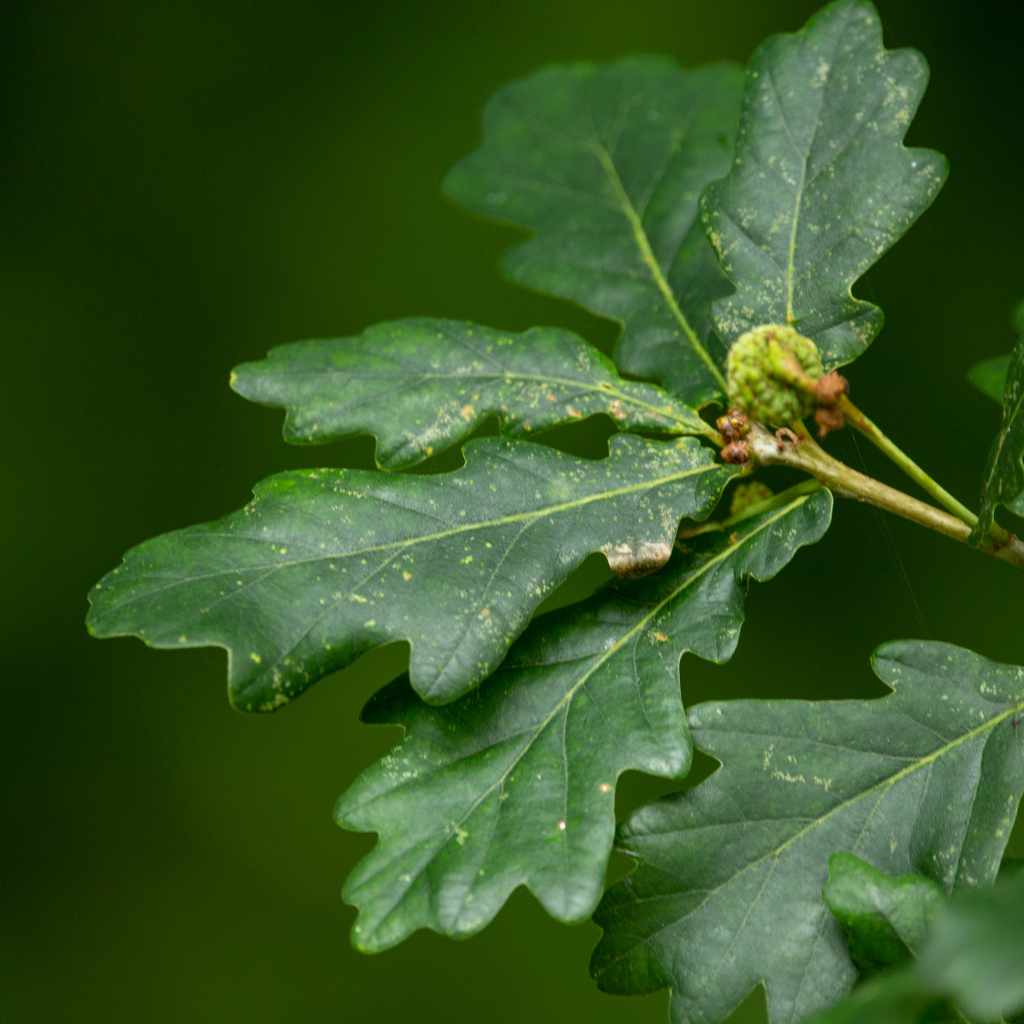
Leaves and Their Unique Features
Best Oak Pre-Stain Pick
Varathane Pre-Stain Wood Conditioner
Applied before stain, it evens out how oak’s open pores absorb color so both Bur Oak and White Oak finish without blotching.
- Best for: Prepping oak before staining cabinetry, furniture, or trim
- Why we picked it: Fast-drying, low-odor, made for exactly this open-grain blotching problem
- Main drawback: Adds a full extra step and dry time before you can stain
Compare more oak finishing options
 Option 1 Varathane Premium Wood Conditioner, Quart
|
 Option 2 Varathane Dry Summer Oak Wood Stain
|
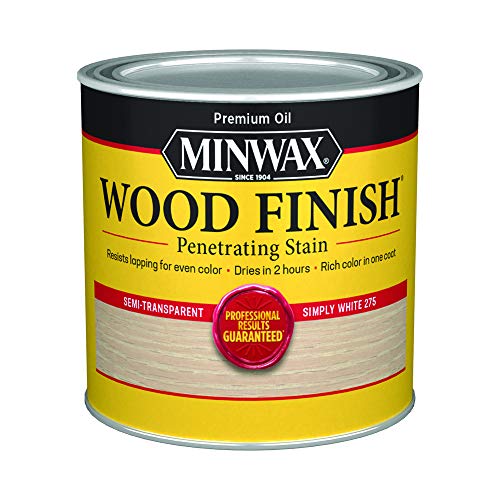
 Option 3 Minwax Gel Stain, Aged Oak
|
As an Amazon Associate we earn from qualifying purchases.
The fastest way to tell a Bur Oak from a White Oak while they’re still standing is the leaf. Both species have distinct lobe patterns and sizes that make identification straightforward once you know what to look for.
Bur Oak Leaf Characteristics
Bur Oak leaves are large, typically 4 to 8 inches long, with a distinctive oval shape. The top half has many deep, irregular lobes, while the bottom half has fewer, more rounded lobes — giving the leaf an almost “fluffy” outline. Leaves are dark green in summer and turn yellow-brown in fall.
- Size: Generally larger than White Oak leaves.
- Shape: Distinctive oval outline.
- Lobes: Deep and irregular.
- Color: Dark green in summer, yellow-brown in fall.
White Oak Leaf Characteristics
White Oak leaves run 5 to 9 inches long and are also oval, but with shallow, rounded lobes instead of the Bur Oak’s dramatic ones. They’re lighter green during the growing season and turn reddish-brown to purple in fall — a useful contrast when the two are planted side by side.
- Size: Similar to Bur Oak leaves, 5–9 inches.
- Shape: Oval with more rounded edges.
- Lobes: Rounded and shallow.
- Color: Light green in summer, reddish-brown or purple in fall.
Examining Acorns and Their Differences
Acorns are the other reliable identifier. Size, cap coverage, and color all differ enough between the two species to settle an ID even from a distance.
Bur Oak Acorn Details
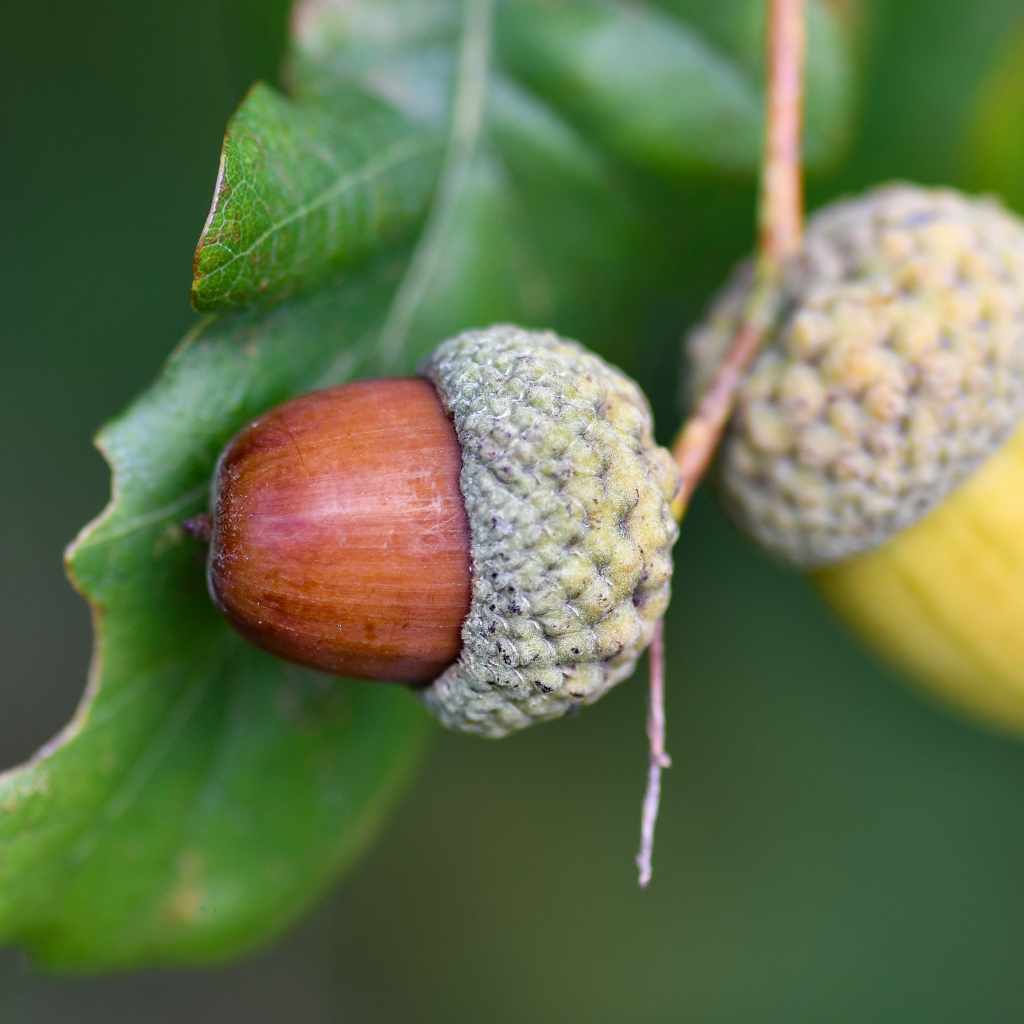
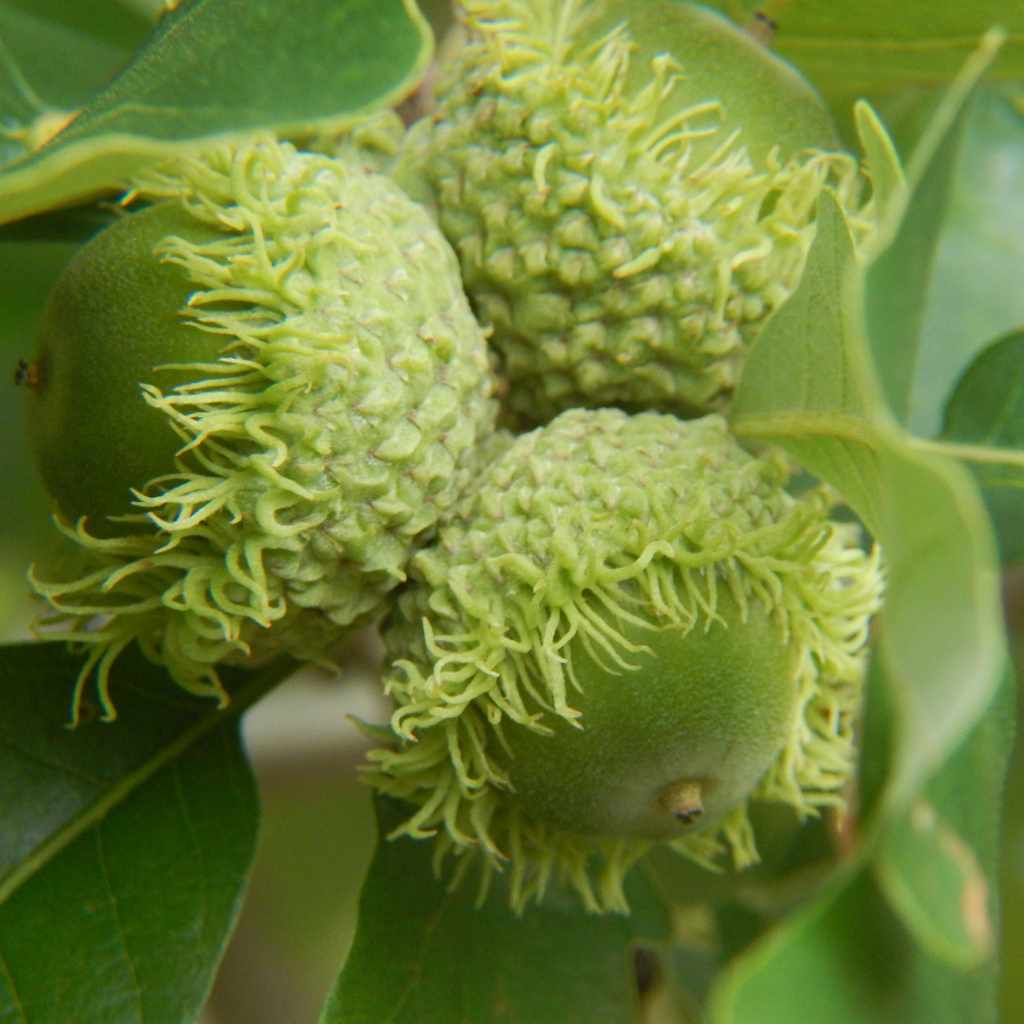
Bur Oak acorns are among the largest of any North American oak, often 1 to 2 inches long. The cap almost completely covers the nut and has a shaggy, fringed edge that resembles a bur — which is where the tree gets its name.
- Size: Often 1 to 2 inches long.
- Cap: Nearly covers the acorn, with a fringed edge.
- Color: Light brown.
- Weight: Heavier than White Oak acorns.
White Oak Acorn Details
White Oak acorns are smaller, typically 0.75 to 1 inch long, with a cap that covers only about a quarter to a third of the nut. The cap is warty rather than fringed, and the acorn itself is a medium brown, less bitter than Bur Oak’s.
- Size: 0.75 to 1 inch long.
- Cap: Covers about one-quarter to one-third of the acorn.
- Color: Medium brown.
- Taste: Usually less bitter than Bur Oak.
Examining the Bark of the Trees
Bark is the most reliable ID when leaves and acorns aren’t available — useful in winter or when you’re looking at milled logs at a sawyer’s yard.
Bur Oak Bark Characteristics
Bur Oak bark is thick, deeply furrowed, and grayish-brown, with rough ridges that create a blocky look. The thickness increases with age and gives the tree strong fire resistance — a trait that helped it dominate the fire-prone prairie/forest transition zones it’s native to.
- Texture: Thick and deeply furrowed.
- Color: Grayish-brown.
- Ridges: Rough and blocky.
- Notable trait: Strong resistance to fire damage.
White Oak Bark Characteristics
White Oak bark is lighter — grayish-white to light gray — and still deeply furrowed but noticeably less rough, with smoother, more continuous ridges than Bur Oak.
- Texture: Deeply furrowed but less rough than Bur Oak.
- Color: Grayish-white to light gray.
- Ridges: Smoother and more continuous.
- Notable trait: Lighter bark reflects more sunlight than Bur Oak’s darker bark.
Habitat and Growing Environment
Where a tree grows is a strong clue on its own. Bur Oak and White Oak favor different conditions, which is part of why regional lumber yards sometimes stock one much more than the other.
Bur Oak Habitat
Bur Oak tolerates a wide range of conditions — open prairies, riverbanks, and flood-prone bottomlands with well-drained soil. It handles drought and fire better than most oaks, which is why it’s often the only oak species growing at the prairie/forest edge.
- Sunlight: Full sun.
- Soil: Well-drained, tolerates calcareous soils.
- Moisture: Tolerant of both drought and periodic flooding.
- Habitat: Prairies, open woodlands, riverbanks.
White Oak Habitat
White Oak prefers moist, well-drained soil in mixed hardwood forests, typically with more consistent partial shade than Bur Oak tolerates. It’s less drought-tolerant, which is part of why it’s more common east of the Mississippi than on the drier plains where Bur Oak thrives.
- Sunlight: Tolerates partial shade.
- Soil: Moist, well-drained soil.
- Moisture: Needs more consistent moisture than Bur Oak.
- Habitat: Mixed hardwood forests.
Bur Oak vs White Oak for Woodworking: Does the Species Even Matter Once It’s Lumber?
This is the question the tree-identification guides don’t answer, and it’s the one that actually matters if you’re buying boards instead of admiring trees. The USDA Forest Service classifies Bur Oak in the white oak group alongside Quercus alba — not the red oak group — because both share the same ring-porous structure with tyloses (membrane-like growths that plug the wood’s pores). That’s the anatomical feature that makes true white oaks watertight, which is exactly why the group has been the default choice for whiskey barrels and boat hulls for centuries. Visually and structurally, once a Bur Oak log and a White Oak log are milled into boards, distinguishing them by grain alone is extremely difficult even for an experienced sawyer.
Where they diverge slightly is density and texture. Bur Oak is marginally softer and a bit coarser-grained than White Oak, though the gap is small enough that it rarely changes a tool or technique decision:
| Property | Bur Oak | White Oak |
|---|---|---|
| Janka hardness | 1,360 lbf | 1,350 lbf |
| Specific gravity (dry) | 0.57 | 0.60 |
| Avg. dried weight | 45 lbs/ft³ | 47 lbs/ft³ |
| Rot/decay resistance | Very good | Very good |
| Workability | Glues, stains & finishes well | Glues, stains & finishes well; steam-bends well |
| Typical price vs. Red Oak | Slightly more, moderate supply | Slightly more, moderate supply |
Source: Wood Database species data for Quercus macrocarpa and Quercus alba.
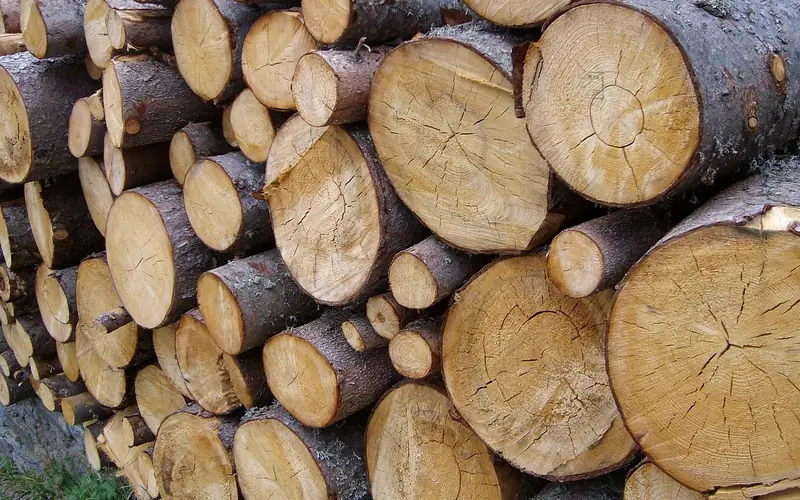
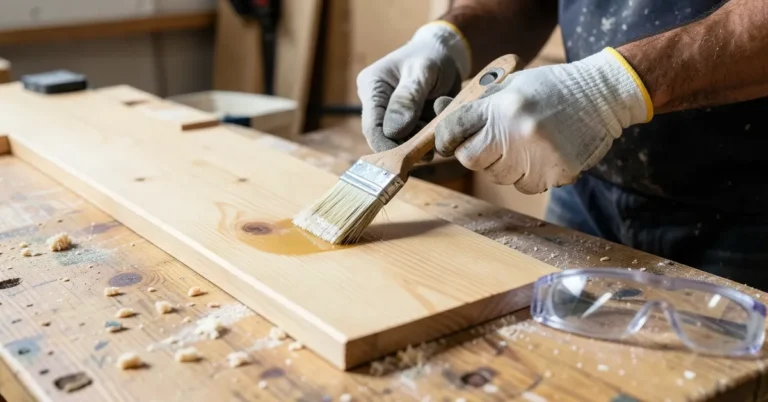
Practically, this means: if a supplier sells you “white oak” lumber, you may well be getting a mix of both species, and it won’t matter for cabinetry, flooring, interior trim, or veneer — the two most common uses for either wood. For outdoor and wet-use projects — barrels, boat parts, mine timbers, planters — both hold up well thanks to that shared tylose-filled pore structure, though White Oak has the longer documented track record in commercial cooperage. If you’re pricing lumber, our white oak board foot cost guide applies to Bur Oak boards sold under the same “white oak” label. And because both species share oak’s characteristically open, deep grain, a pre-stain conditioner or gel stain gives more even color than a straight oil stain applied directly — open pores otherwise soak up stain unevenly and blotch.
Bur Oak vs White Oak: Quick Identification Table
A quick reference for telling the living trees apart in the field:
| Feature | Bur Oak | White Oak |
|---|---|---|
| Leaf shape | Oval with deep, irregular lobes | Oval with shallow, rounded lobes |
| Acorn size | Large (1–2 in.), fringed cap | Smaller (0.75–1 in.), cap covers less of the nut |
| Bark appearance | Thick, deeply furrowed, grayish-brown | Lighter, less rough, grayish-white |
| Habitat | Open areas, tolerates drought and flooding | Moist, well-drained soil, partial shade |
| Janka hardness (lumber) | 1,360 lbf | 1,350 lbf |
Frequently Asked Questions
Is Bur Oak the same as White Oak?
Not the same species, but the same lumber group. The USDA classifies Bur Oak (Quercus macrocarpa) in the white oak group along with true White Oak (Quercus alba), because both share the same tylose-filled, water-resistant pore structure. Lumber yards routinely sell Bur Oak boards simply labeled “white oak.”
Which is harder, Bur Oak or White Oak?
They’re nearly identical. Bur Oak measures 1,360 lbf on the Janka hardness scale versus White Oak’s 1,350 lbf — a 10-point difference that has no practical effect on how either wood sands, cuts, or wears in furniture or flooring.
Can you substitute Bur Oak for White Oak in a project?
Yes, for nearly every common use — cabinetry, furniture, interior trim, flooring, and veneer. Both take stain, glue, and finish similarly. The one place to double-check is commercial cooperage (whiskey barrels), where White Oak has the longer documented track record, though Bur Oak’s decay resistance rating is just as high.
How do you tell Bur Oak and White Oak apart once they’re milled into lumber?
You mostly can’t by grain alone — that’s the honest answer. Both have the same ring-porous structure and light-to-medium brown color. The only clue is that Bur Oak tends to run very slightly coarser-textured, but it’s not a reliable species test on its own.
Is Bur Oak good for outdoor or wet-use woodworking projects?
Yes. Bur Oak carries the same “very good” decay resistance rating as White Oak, thanks to the tyloses that plug its pores and block water and rot organisms. It’s a solid choice for planters, outdoor furniture, and boat parts — the same reason true White Oak has historically been used for boatbuilding and barrels.
How can I tell Bur Oak and White Oak leaves apart quickly?
Look at the lobes. Bur Oak leaves have deep, irregular lobes that give the leaf a fluffy outline; White Oak leaves have shallower, more rounded lobes and a gentler overall shape.
Final Thoughts
In the field, Bur Oak and White Oak split on leaf lobing, acorn cap coverage, bark texture, and habitat — Bur Oak leans toward open, drier ground and White Oak toward moist hardwood forest. In the shop, that split mostly disappears: both belong to the same white oak lumber group, both post nearly identical Janka hardness numbers, and both take stain, glue, and outdoor exposure about the same. Unless you’re sourcing for commercial cooperage, buying “white oak” lumber that happens to be Bur Oak isn’t a downgrade. For a wider look at how oak stacks up against other species, see our hickory vs white oak comparison or the full types of wood guide.
Sponsored / affiliate links. As an Amazon Associate I earn from qualifying purchases. I may earn additional commission from eligible campaigns.