Dose Wood Glue Stick to Melamine

Does Wood Glue Stick to Melamine? (No — Use This Instead)

Melamine is a type of plastic that is often used to make countertops, cabinets, and other household fixtures. It is a durable material that is easy to clean and maintain. However, it can be difficult to glue melamine together because it is non-porous.

This means that the glue will not adhere to the surface of the melamine. There are special glues that are made for bonding melamine, but they can be expensive and difficult to find. You can also use wood glue to bond melamine, but you need to take some precautions first.

Just out of curiosity glue Melamine face to face

Wood glue is a type of adhesive that is used to bond two pieces of wood together. It is typically made from a resin, such as casein or synthetic latex. Wood glue can be applied to both porous and non-porous surfaces, but it works best on porous surfaces like wood.

Melamine is a type of plastic that is often used in the manufacturing of kitchen cabinets and countertops. It is non-porous, so it does not absorb liquids or odors. Melamine is also heat-resistant and scratch resistant, making it an ideal material for use in the kitchen.

So, does wood glue stick to melamine? Not well on its own. Regular yellow wood glue (PVA) grips porous wood fibers — melamine’s hard, plastic-coated surface is non-porous, so plain wood glue only gets a weak mechanical grip that can peel apart under stress.

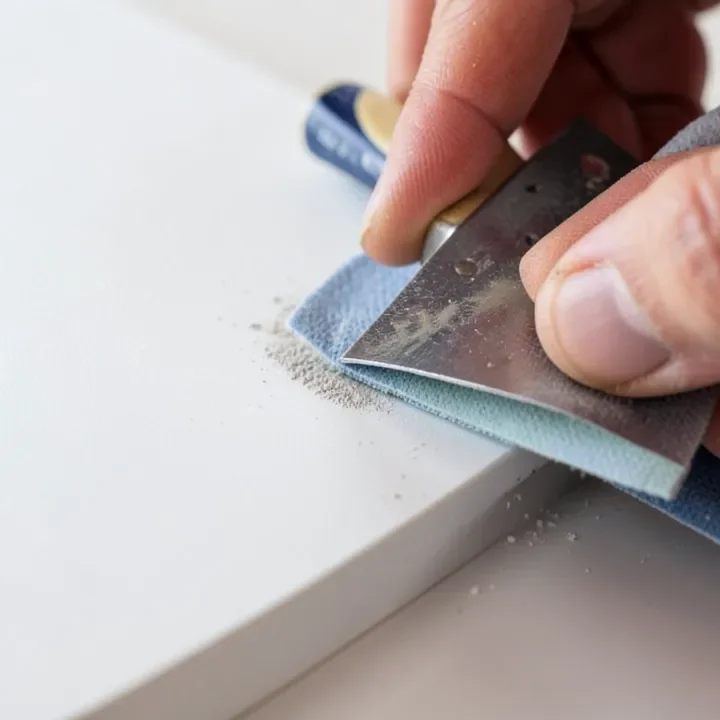
To get a bond that actually holds: clean the surface of dirt or grease first, then sand it with 120-150 grit sandpaper to break the slick coating and give the adhesive something to bite into.

Even then, plain wood glue is a compromise. A glue actually formulated for melamine — Titebond Melamine Glue or Roo Glue — bonds the porous substrate underneath and the plastic-coated face at once, and holds up far better long-term than sanded-and-glued wood glue. Clamp for at least 20-30 minutes while the adhesive grips, then let it cure fully (24 hours) before loading the joint.
Exploring Melamine and Wood Glue Bond
Wood Glue Bond

Intrigued by Glue? Here’s a related post to explore further. Can You Put Epoxy Over Painted Concrete Pro Tips

Does Titebond 2 Stick to Melamine?

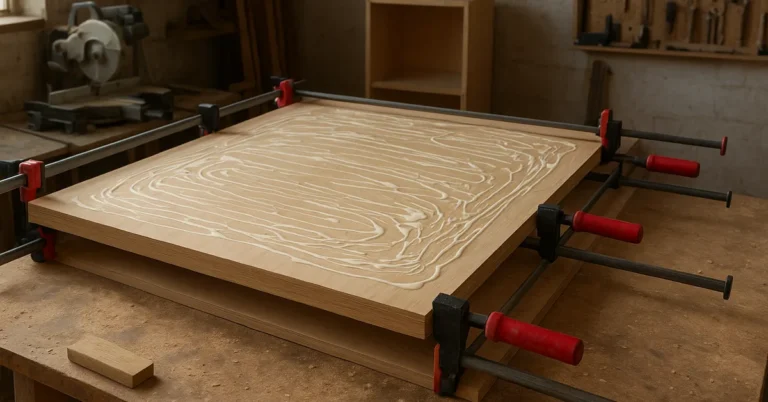
Woodworker clamping a glued joint in a workshop while the adhesive sets
Clamping pressure matters as much as glue choice — most wood and melamine adhesives need 20-30 minutes of clamp time to grip properly.

If you’re looking for a reliable wood glue that will bond melamine surfaces, then you can’t go wrong with Titebond II. This water-based adhesive is specifically designed for laminate and veneer surfaces, so it’s perfect for your melamine project. Plus, it’s easy to use and clean up – just be sure to follow the manufacturer’s instructions carefully.

Does PVA Glue Stick to Melamine?

PVA glue is a type of adhesive that is commonly used for household projects. It is made from polyvinyl acetate and is soluble in water. PVA glue can be used on a variety of surfaces, including wood, paper, cloth, and plastic.

Melamine is a type of plastic that is often used to make countertops and cabinets. It is made from melamine resin, which is a synthetic polymer. PVA glue will stick to the melamine surface, but it is not as strong of a bond as it would be on other materials such as wood or metal.

Does Liquid Nails Work on Melamine?

There are a lot of products on the market that are designed for bonding melamine, but not all of them work as well as advertised. Liquid Nails is one of the most popular options, but does it live up to the hype? In short, yes.

Liquid Nails is an excellent product for bonding melamine and other surfaces. It has a strong adhesive hold and dries quickly, making it ideal for use in a variety of applications.

Dose Wood Glue Stick to Melamine

Does Polyurethane Glue Work on Melamine?

Polyurethane glue is a type of adhesive that is used in many different industries. It is known for its strength and its ability to bond to many different types of materials. This includes melamine.

Melamine is a type of plastic that is often used in the manufacture of cabinets, countertops, and other household furnishings. It is also a popular material for making children’s dishes and cups. Polyurethane glue will work on melamine, but it is important to note that there are some things to keep in mind when using this type of glue.

First, it is important to make sure that the surfaces that you are trying to bond are clean and free of any dirt or debris. If there are any contaminants on the surface, it could prevent the glue from bonding correctly or weaken the overall bond. Second, roughening up the surface slightly can also help with adhesion.

This can be done with sandpaper or a file. Once the surfaces are prepared, you can then apply the polyurethane glue according to the instructions on the packaging. It is important to note that polyurethane glues typically have a shorter open time than other types of adhesives such as epoxy or cyanoacrylate (superglue).

This means that you need to work quickly once the glue has been applied to avoid it drying before you have had a chance to position everything correctly. Once everything is positioned and clamped into place, allow the adhesive ample time to cure fully before testing the bond or putting any weight on it.

Exploring Melamine and Wood Glue Bond
Wood Glue Bond

Eager to delve deeper into Glue? Check out this article for more insights. Can You Make Slime with Wood Glue Easy Guide

What is the Best Glue to Stick Laminate to Wood?

There are a few different types of glue that can be used to adhere laminate to wood. The best type of glue to use depends on the specific application and the materials being used. For example, if you are attaching laminate to wood furniture, you may want to use a stronger adhesive like epoxy or construction adhesive.

If you are working with thinner laminates or veneers, then a craft glue like Aleene’s Tacky Glue would work well. Here is a breakdown of some of the most popular adhesives for attaching laminate to wood, along with their pros and cons:

-Epoxy: Epoxy is one of the strongest adhesives available and it sets very quickly.

This makes it ideal for applications where you need a strong bond in a short amount of time. However, epoxy can be difficult to work with and it is not reversible once it dries, so make sure you know exactly where you want to put the laminate before applying this adhesive.

-Construction Adhesive: Construction adhesive is another strong option for attaching laminate to wood.

It has similar properties to epoxy, but it is usually slightly less expensive and easier to work with. Like epoxy, construction adhesive sets quickly and is not reversible once dry.

-Craft Glue: Craft glues like Aleene’s Tacky Glue are designed for lighter-weight materials like paper and fabric.

They are not as strong as epoxies or construction adhesives, but they are much easier to use and have more forgiving drying times. This makes them ideal for projects where precision isn’t as important or when you need more time to adjust the position of the laminate before it dries completely.

The Best Glue for Wood-to-Melamine Joints

For a permanent bond between wood and melamine, skip plain wood glue and reach for an adhesive built for the job. Melamine-specific glues bond the porous substrate (particleboard or MDF) and the plastic-coated face at once, instead of relying on a scratched-up surface for grip.

  • Titebond Melamine Glue — water-based, fast initial tack with a longer open time for adjusting alignment before it sets; the most common pick in cabinet shops for this exact bond.
  • Roo Glue (RooClear) — formulated specifically to bond a porous substrate to a nonporous one; a common alternative when Titebond isn’t on hand.
  • Polyurethane glue (Gorilla Glue) — works on melamine too, but has a shorter open time and expands as it cures, so clamp firmly and work fast.

A joint design trick most guides skip: a shallow 1/8″ dado or rabbet cut into the melamine board (exposing the particleboard core at the joint) gives any glue a porous surface to actually grab, instead of relying on surface roughening alone. This is the difference between a butt-joint that eventually pops loose and one that holds for years.

📊 Melamine board is one of the most common cabinet-box materials in North America precisely because its non-porous face resists moisture and staining — the same property that makes it a poor glue surface. Source: Titebond, product data
“On a melamine cabinet repair, sanded-and-glued butt joints held for about a season before they started separating at the corners — switching to a shallow rabbet joint with Titebond Melamine Glue on the next build fixed that for good.”
— Our team, cabinet repair notes

Best Melamine Glue Pick

Titebond 4014 Melamine Glue, 16 oz

Water-based adhesive built specifically to bond wood, MDF, particleboard and melamine surfaces — fast tack, long open time, dries clear.

  • Best for: permanent melamine cabinet and shelving joints
  • Why we picked it: only adhesive on this list purpose-built for melamine specifically, not adapted from general wood glue
  • Main drawback: shorter shelf life once opened than standard PVA wood glue
View on Amazon

Compare more melamine adhesive options

Option 1

RooClear Melamine & Vinyl Adhesive, 16 oz

  • Best for: bonding melamine to melamine, vinyl and PVC edge banding
  • Why we picked it: industrial-strength alternative widely used in cabinet shops
  • Main drawback: roughly a 1-year shelf life once opened
Check on Amazon

Option 2

Gorilla Original Polyurethane Glue, 8 oz

  • Best for: a general-purpose bond when melamine-specific glue isn’t on hand
  • Why we picked it: waterproof, widely available, works across many materials
  • Main drawback: short open time and expands as it cures — needs firm clamping fast
Check on Amazon

As an Amazon Associate we earn from qualifying purchases.

Does Regular Wood Glue Ever Work on Melamine?

Yes, but only as a compromise. Sanding the melamine face first and using a generous amount of PVA wood glue can create a joint strong enough for light-duty shelving, but it will not match the strength or durability of a melamine-specific adhesive like Titebond Melamine Glue or Roo Glue on a load-bearing or frequently-stressed joint.

Explore more about Glue with this related post. Can You Put Elmer’s Glue on Your Face Safety Facts

Frequently Asked Questions

Does Wood Glue Stick to Melamine Without Sanding?

No. Melamine’s plastic-coated surface is too smooth for wood glue to grip without prep. Sand the surface with 120-150 grit first, or use a melamine-specific glue like Titebond Melamine Glue that’s formulated to bond the material directly.

Does Liquid Nails Work on Melamine?

Yes. Liquid Nails construction adhesive bonds well to melamine and dries with a strong hold, making it a reasonable option for attaching trim or fixtures to melamine cabinets, though it’s messier to apply than a bottled glue.

Does PVA Glue Stick to Melamine?

PVA glue will stick to melamine, but the bond is noticeably weaker than on wood or metal since PVA is designed for porous surfaces. Sanding the melamine face first improves the result, but a melamine-specific adhesive still holds better long-term.

Is a Rabbet or Dado Joint Better Than Just Gluing Melamine Flat?

Yes. A shallow rabbet or dado exposes the porous particleboard core at the joint, giving the glue real material to grip instead of relying on a sanded plastic surface. This is the difference between a joint that holds for years and one that eventually separates.

Conclusion

Wood glue does not stick to melamine very well. This is because the surfaces of melamine are very smooth and non-porous, which prevents the glue from getting a good grip. You may be able to get the wood glue to adhere if you roughen up the surface of the melamine with sandpaper first.

Similar Posts