Does Wood Glue Stick to Parchment Paper? No — Here’s Why That’s Useful
No — wood glue does not stick well to parchment paper, and that’s actually the whole point. Parchment paper is coated with a thin layer of silicone, which is specifically designed to repel adhesives and food alike. Once PVA wood glue dries on parchment paper, it peels right off cleanly — which is exactly why woodworkers keep a roll of it in the shop as a release layer for glue-ups, not because glue bonds to it.
No. Parchment paper’s silicone coating repels PVA wood glue, so dried glue squeeze-out peels off cleanly instead of bonding. That’s why woodworkers place parchment paper under and around glue-ups — it protects the workbench and clamps without gluing itself to the project.
Why Parchment Paper Repels Wood Glue
Best Glue-Up Release Layer Pick
Reynolds Kitchens Unbleached Parchment Paper Roll
45 ft x 12 in roll — the same parchment paper used in the kitchen doubles as a reliable glue-up release layer for the workbench.
- Best for: protecting the workbench and clamps during any glue-up
- Why we picked it: heat-tolerant, widely available, peels away cleanly once glue cures
- Main drawback: a full roll is overkill if you only need occasional small pieces
Compare more glue-up release surfaces
 Option 1 Unbleached Wax Paper Rolls (12-Pack)
|
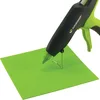 Option 2 Silicone Non-Stick Glue Mat (8″x8″)
|
 Option 3 Reynolds Wrap Aluminum Foil Roll
|
As an Amazon Associate we earn from qualifying purchases.
Standard PVA wood glue bonds by penetrating into a porous surface and mechanically interlocking with the material’s fibers as it cures — that’s why it grips bare wood so well. Parchment paper’s silicone coating is specifically engineered to be non-porous and release-friendly, the same property that lets baked goods lift off a sheet pan without sticking. That coating leaves glue nothing to grip: PVA glue cures on top of the silicone layer rather than into it, and once fully dry, it separates cleanly with a light flex or peel.
📊 Parchment paper performs better as a glue-up release surface than most other non-stick papers — dried glue drips pop off cleanly rather than tearing the paper or leaving residue, which is why it’s a common workbench-protection choice among woodworkers.
Using Parchment Paper as a Glue-Up Release Layer
- Lay parchment paper under the joint before clamping, especially where squeeze-out is likely to contact the workbench.
- Wrap small sections around clamp jaws or cauls that will touch glue directly, so the clamp itself doesn’t bond to the project.
- Let the glue cure fully before removing the parchment — pulling it too early can smear still-wet glue.
- Peel the parchment away once cured; dried glue should separate cleanly, leaving the workbench and clamps glue-free.
What Wood Glue Doesn’t Stick To
Beyond parchment paper, PVA wood glue also fails to bond well to wax paper (a similar release-coating logic, though wax paper uses an actual wax layer rather than silicone), aluminum foil, and most plastics and silicones generally. If you need a genuinely non-stick work surface for glue-ups, any of these will do the job — parchment paper is simply the most heat-tolerant and cleanly-removable option of the group.
“Keeping a roll of parchment paper next to the glue bottle is one of those small shop habits that saves real cleanup time — squeeze-out that would otherwise need scraping or sanding off the bench just peels away once it’s dry.” — Woodworking Advisor team note
Frequently Asked Questions
Does Elmer’s Glue Stick to Parchment Paper?
No. Elmer’s Glue-All and Elmer’s wood glue are both PVA-based, so they behave the same way as any other PVA wood glue on parchment paper — the silicone coating repels the bond, and dried glue peels off cleanly.
How Do You Prevent Wood Glue From Sticking to the Workbench?
Lay a sheet of parchment paper (or wax paper) under the workpiece before applying glue and clamping. Squeeze-out will land on the paper instead of the bench, and it peels away cleanly once fully cured.
What Kind of Paper Does Wood Glue Not Stick To?
Any paper with a silicone or wax release coating — parchment paper and wax paper both fall into this category. Uncoated papers like cardboard, printer paper, or cardstock are porous and will bond well with PVA wood glue.
What Can I Use So Wood Glue Doesn’t Stick?
Parchment paper, wax paper, aluminum foil, or a silicone glue mat all work as release surfaces. Parchment paper is usually the most convenient choice since it’s heat-tolerant, widely available, and peels away cleanly once the glue has cured.
Conclusion
Wood glue doesn’t stick to parchment paper because the silicone coating that makes it non-stick for baking does the exact same job against PVA adhesives. That’s a feature, not a limitation — it’s why parchment paper is a genuinely useful release layer for protecting a workbench or clamps during glue-ups, not a surface meant to bond with anything.
For more on gluing choices and surfaces, see our guides on attaching small wood pieces, using wood glue on painted surfaces, whether hot glue works on plastic, and whether Elmer’s glue is waterproof.
Sponsored / affiliate links. As an Amazon Associate I earn from qualifying purchases. I may earn additional commission from eligible campaigns.