European Oak vs White Oak Which Is Better
Choosing the right wood for your project can feel a bit tricky, especially when two popular options like European Oak and White Oak sound so similar. For many people starting out, figuring out the differences and what makes one better than the other is a common question. Don’t worry, though!
We’re going to break down the European Oak vs White Oak: Which Is Better? debate in a super simple, step-by-step way. Stick around, and we’ll help you understand all you need to know.
European Oak Wood Properties And Uses
This section looks at European Oak wood. We will talk about what makes it special and the many ways people use it. You’ll learn about its natural strengths and where it shines in different applications.
We aim to give you a clear picture of this wood’s character and practical value so you can see its potential for your needs.
What Is European Oak
European Oak, also known as English Oak or Pedunculate Oak, is a hardwood species native to Europe and parts of Asia. It’s famous for its strength, durability, and attractive grain patterns. For centuries, it has been a go-to material for furniture makers, builders, and artisans.
The wood itself is dense and strong, making it resistant to wear and tear. Its color can range from light brown to a rich reddish-brown, often with noticeable figuring like medullary rays. These rays appear as flecks or streaks, adding a beautiful decorative touch to the wood.
Appearance And Grain Structure
European Oak typically displays a medium to coarse texture. Its grain is usually straight but can sometimes be wavy, which gives it a distinctive look. The presence of prominent medullary rays is a key visual characteristic.
These rays are thin lines that run perpendicular to the growth rings.
When quarter-sawn, these rays become very visible, creating a beautiful, often sought-after flecked or rayed pattern. This makes European Oak especially prized for decorative veneers and high-end furniture. The overall appearance is one of classic elegance and natural beauty.
Durability And Strength
This wood is known for its excellent durability and strength. It has a high density, which contributes to its resistance to damage. This makes it a great choice for areas that see a lot of use, like flooring or tabletops.
European Oak is also naturally resistant to decay and insect attack, especially the heartwood. This natural resistance means it can last for a very long time, even in challenging environments. This makes it a sound investment for long-lasting projects.
Common Uses For European Oak
Because of its strength and beauty, European Oak is used in many ways. It’s very popular for high-quality furniture, including dining tables, chairs, and cabinets. Its solid build and attractive grain make pieces stand out.
It’s also a top choice for wood flooring. Imagine walking on floors that are both beautiful and can withstand heavy foot traffic year after year. This wood is also used in boat building, barrels for aging wine and spirits, and for structural timbers in traditional construction.
Working With European Oak
European Oak machines reasonably well, but its hardness can dull tools faster than softer woods. It takes stains and finishes very nicely, allowing for a wide range of aesthetic possibilities. Gluing can sometimes be a bit tricky due to its density, so proper preparation is important.
Sanding requires patience, as the dense grain can require multiple passes to achieve a perfectly smooth surface. However, the effort is usually well worth the stunning final look.
White Oak Wood Properties And Uses
Now, let’s explore White Oak. We will discuss its unique traits, how it looks, and why it’s chosen for so many different projects. This part will help you understand its specific advantages, especially when you compare it to other oaks.
Get ready to see why White Oak is a favorite for so many builders and designers.
What Is White Oak
White Oak is another very popular and sturdy hardwood. Its scientific name is Quercus alba, and it’s native to eastern North America. Like its European cousin, it’s prized for its strength, durability, and resistance to moisture and decay.
This makes it a versatile material for many applications, both indoors and outdoors.
The wood is generally lighter in color than many European Oaks, often a pale brown or grayish-brown. It has a slightly coarser grain than some other hardwoods, which can be a desirable aesthetic feature. Its natural properties make it a reliable choice for many building needs.
Appearance And Grain Structure
White Oak typically has a straighter grain than Red Oak but can still show attractive figuring. Its texture is medium to coarse, and like European Oak, it features medullary rays. However, the rays in White Oak are generally shorter and less pronounced than those found in European Oak.
This can result in a less overtly flecked appearance when quarter-sawn, often leading to a more subtle and uniform look. The color is typically a pale brown, which can sometimes have a slightly grayish tint. This lighter tone makes it a good base for various stain colors.
Durability And Strength
White Oak is exceptionally durable and strong. It’s known for being one of the hardest and most rot-resistant hardwoods available. This excellent resistance to decay and insects makes it ideal for outdoor use and for applications where moisture is a concern.
Its tight grain structure also contributes to its strength and stability. This means it’s less likely to warp or shrink compared to some other woods, ensuring that projects made from White Oak maintain their shape and integrity over time.
Common Uses For White Oak
White Oak’s moisture resistance makes it a top choice for outdoor furniture, decks, and exterior trim. It’s also widely used for boat building, where its ability to withstand water is critical. Inside, it’s a very popular material for hardwood flooring, cabinets, and high-quality furniture.
The wood is also famously used in the production of whiskey and wine barrels. Its dense nature and chemical compounds contribute to the aging process, imparting specific flavors to the spirits. This practice highlights its natural suitability for contact with liquids.
Working With White Oak
White Oak works well with most woodworking tools, though its hardness means sharp blades are a must. It glues well and takes finishes beautifully, allowing for a wide range of looks from natural to stained. Its stability means it’s less prone to splitting during nailing or screwing.
Sanding White Oak to a smooth finish is similar to European Oak. You need to be patient and use good quality sandpaper. Once sanded and finished, the wood provides a durable and attractive surface that can last for generations.
European Oak vs White Oak Which Is Better Comparison
Here we directly compare European Oak and White Oak. We will look at their key differences in appearance, strength, durability, and how they are best used. This comparison will help you decide which wood might be the better fit for your specific needs and preferences.
We’ll highlight what makes each unique.
Appearance Differences
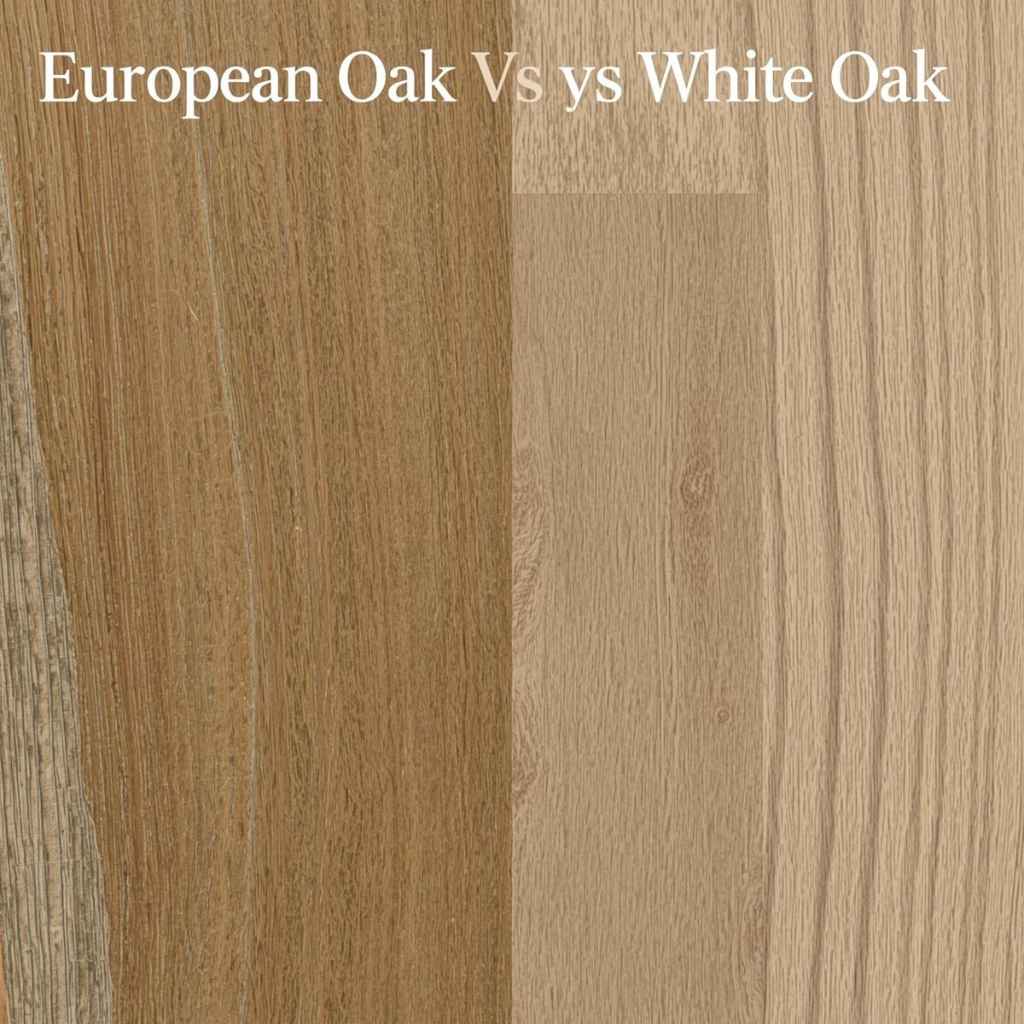
The most noticeable difference is often the color. European Oak tends to be a bit richer and can have more reddish tones, ranging from light to dark brown. White Oak is generally lighter, appearing more pale brown or grayish-brown.
Grain patterns can also differ. European Oak often exhibits more prominent and longer medullary rays, giving it a more distinctive flecked or rayed appearance when quarter-sawn. White Oak’s rays are typically shorter and less conspicuous, leading to a subtler grain pattern.
Strength And Hardness
Both woods are very strong and hard hardwoods. On the Janka hardness scale, which measures wood hardness, White Oak typically rates slightly higher than European Oak. This means White Oak is generally a bit more resistant to dents and scratches.
However, both are exceptionally durable and suitable for high-traffic areas. The difference in hardness is often minor enough that other factors become more important in making a choice.
Moisture And Decay Resistance
White Oak has a significant advantage in moisture and decay resistance. Its closed cell structure makes it much less permeable to water and more resistant to rot and fungal growth. This is why it’s preferred for outdoor applications and boat building.
European Oak is also reasonably durable and resistant to decay, especially its heartwood. However, it doesn’t quite match the superior performance of White Oak when exposed to consistent moisture or harsh outdoor conditions.
Cost And Availability
Cost and availability can vary greatly depending on your location and the specific grade of wood. Generally, White Oak is widely available in North America and can sometimes be more affordable due to its abundant supply.
European Oak, while also available globally, can sometimes be more expensive, especially if sourced from specific regions or if it features particularly desirable grain patterns. Supply chain logistics also play a role in pricing.
Which Is Better For Specific Projects
For outdoor projects, decks, patios, or any application exposed to weather and moisture, White Oak is usually the better choice due to its superior rot resistance. Its ability to withstand the elements is a key factor.
For indoor furniture, cabinetry, and flooring where extreme moisture isn’t a concern, either oak can be excellent. If you prefer a warmer, richer tone and a more prominent flecked grain, European Oak might be appealing. If you like a lighter, more neutral color and a subtler grain, White Oak could be ideal.
Here’s a quick comparison table:
| Feature | European Oak | White Oak |
|---|---|---|
| Color | Light to dark brown, often reddish tones | Pale brown to grayish-brown |
| Grain | Medium to coarse, often prominent medullary rays | Medium to coarse, shorter and less prominent rays |
| Hardness (Janka) | High | Slightly Higher |
| Moisture Resistance | Good | Excellent |
| Decay Resistance | Good | Excellent |
| Best For | Indoor furniture, flooring, decorative veneers | Outdoor furniture, decks, boats, flooring, barrels |
Factors To Consider When Choosing Oak Wood
When you’re picking between European Oak and White Oak, several things matter beyond just the wood itself. We’ll go over these important points to help you make a choice that you’ll be happy with for years to come. Think about how the wood will be used and what look you’re going for.
Project Requirements
Your project’s demands are the first thing to think about. Is it going to be inside or outside? Will it get wet often?
Is it furniture that needs to be super tough, or is it something more decorative? These questions will point you toward the best oak for the job.
For example, if you’re building an outdoor bench that will sit in the rain, White Oak’s superior moisture resistance is a big plus. If you’re crafting a fancy dining table for indoors, both oaks can work beautifully, but your preference for color and grain might sway you.
Aesthetic Preferences
Looks are very important! Do you like a wood that is a bit warmer and richer in tone, with those striking flecks that European Oak can offer? Or do you prefer a more subdued, lighter, and more consistent look that White Oak often provides?
Consider the style of your home or project. A rustic cabin might look great with the bold grain of European Oak. A modern, airy space might be better suited to the clean lines and lighter tones of White Oak.
Budget Considerations
Price is almost always a factor. While both are premium hardwoods, their costs can differ based on where you buy them and how readily available they are in your area. Sometimes, one type might be more plentiful and thus more affordable than the other.
It’s a good idea to get quotes for both types of oak for your specific project. This will give you a clearer picture of the financial impact. Remember that investing in quality wood often means a longer-lasting and more beautiful final product.
Sustainability And Sourcing
It’s also worth thinking about where the wood comes from. Are the forests managed responsibly? Many suppliers offer sustainably harvested wood, which is good for the environment.
Both European Oak and White Oak are generally considered sustainable when sourced correctly. Look for certifications like FSC (Forest Stewardship Council) to ensure responsible forestry practices. This adds another layer of value to your project.
Tooling And Finishing
As mentioned earlier, both oaks are hardwoods and will require sharp tools for cutting and shaping. They both finish beautifully, but the outcome can vary slightly.
European Oak’s richer color might take stains a bit differently than the lighter White Oak. Testing stains on scrap pieces of each wood is a smart move to see how they react and achieve the exact look you want.
Real-Life Examples And Scenarios
Let’s look at some real situations where choosing between these two oaks makes a difference. Seeing how others have used them can offer great ideas and insights for your own projects. We’ll share practical examples to make it easier to decide.
Example 1 High-End Furniture Making
A furniture maker is designing a statement dining table. They want something elegant and durable that will last for generations. They are considering both European Oak and White Oak for the tabletop and legs.
The furniture maker decides to use European Oak for the tabletop. They are drawn to its classic, slightly richer color and the beautiful, pronounced medullary rays that add a decorative touch. For the table legs, they might also use European Oak for consistency or opt for White Oak if they want a slightly harder leg that might resist accidental bumps better.
The key here is the aesthetic appeal of the European Oak for the main visible surface.
Example 2 Outdoor Deck Construction
A homeowner wants to build a new deck for their backyard. The deck will be exposed to rain, sun, and potential humidity changes throughout the year. They need a wood that can withstand these conditions and resist rot and decay.
In this scenario, White Oak is the clear winner. Its exceptional resistance to moisture and decay makes it far more suitable for an outdoor deck than European Oak. While European Oak is durable, it simply doesn’t offer the same level of long-term protection against the elements that White Oak provides.
The homeowner selects White Oak for its longevity and lower maintenance needs in this harsh environment.
Scenario 1 Kitchen Cabinetry
Imagine you’re refacing your kitchen cabinets. You want a beautiful, natural wood look that is also very durable, as kitchens can be busy places. You also need the wood to take a finish well, whether you want a natural look or a painted finish.
- Consider the color. If you prefer a warmer, slightly darker tone for your cabinets, European Oak might be a good choice.
- If you are aiming for a lighter, more neutral look that is also very hard-wearing, White Oak would be excellent.
- Think about the grain. If you like the subtle flecks that medullary rays can add, explore how European Oak might look. If you prefer a straighter, more uniform grain, White Oak is a solid option.
- Both woods are excellent for cabinetry due to their durability and ability to hold finishes. The decision often comes down to your personal style and the specific look you want to achieve in your kitchen.
Scenario 2 Barrels for Aging Beverages
A craft distillery is looking for wood to make barrels for aging their signature whiskey. They need a wood that will impart desirable flavors and aromas to the spirit during the aging process and is also airtight.
- For this specific application, White Oak is the traditional and preferred choice.
- Its dense, porous structure allows for slow evaporation of the liquid, which concentrates flavors and interacts with compounds in the wood.
- White Oak contains lactones, which give whiskey its characteristic woody or vanilla notes.
- While European Oak could technically be used, White Oak’s unique chemical composition and pore structure make it far superior for creating the complex flavor profiles desired in aged spirits like whiskey and bourbon.
Frequently Asked Questions
Question: Is European Oak as hard as White Oak
Answer: White Oak is generally a bit harder than European Oak, meaning it can be slightly more resistant to dents and scratches. However, both are very hard and durable woods suitable for demanding uses.
Question: Which oak is better for outdoor furniture
Answer: White Oak is better for outdoor furniture because it has superior resistance to moisture, rot, and decay compared to European Oak. This makes it more durable in outdoor conditions.
Question: Can I stain both European Oak and White Oak
Answer: Yes, you can stain both European Oak and White Oak. They both accept stains well, but the final color will depend on the wood’s natural tone and the stain used. It’s always good to test on a scrap piece first.
Question: Is European Oak more expensive than White Oak
Answer: The price can vary greatly based on location, availability, and specific grade. Often, White Oak is more readily available in North America and might be more affordable there. European Oak can sometimes be more costly.
Question: Which oak wood looks more classic
Answer: Both oak types have a classic look. European Oak is often favored for its richer color and more prominent, decorative medullary rays, which can give it a very traditional appeal. White Oak offers a lighter, more neutral classic look.
Conclusion
Choosing between European Oak and White Oak comes down to your project’s needs and your personal style. White Oak shines with its superior moisture resistance for outdoor uses. European Oak offers a richer color and distinct grain for indoor beauty.
Both are strong, durable hardwoods. Consider your priorities for durability, appearance, and budget to make the best selection for a lasting and beautiful result.