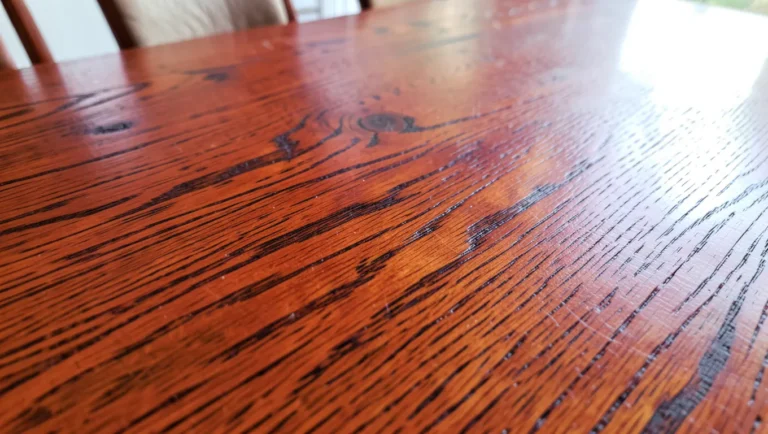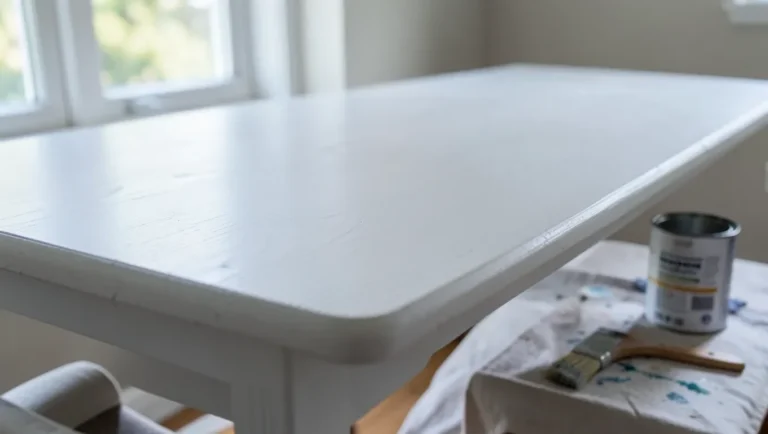
Is Red Oak Good for Outdoor Furniture? (No, Not Sealed Right)
Red oak is a poor choice for outdoor furniture unsealed – its open, porous end grain lets rain soak straight through the wood, unlike white oak’s moisture-blocking tyloses. Left untreated, red oak furniture can show rot and cracking within one or two seasons outdoors. This guide covers why red oak’s pore structure fails outside, how it compares to white oak and other outdoor woods, and the sealing routine that can still make it work.
Quick Answer
Red oak is a poor pick for outdoor furniture without heavy sealing. Its large, open pores let water soak straight through the end grain, and it lacks the tyloses that make white oak naturally rot-resistant. Untreated red oak can warp or start rotting within 1-2 seasons outside. A yearly coat of spar urethane extends its life considerably.
Why Red Oak’s Open Grain Fails Outdoors
Red oak fails outdoors because its pores never seal shut. Every log has vessels – the tiny tubes that once carried sap when the tree was alive – and in red oak those vessels stay open end to end even after the tree is milled into lumber.
A classic shop demonstration proves it: cut a 6-inch length of red oak with straight-running grain, cover one end with your palm, and blow into the other. Air passes clean through, like blowing through a bundle of drinking straws. Try the same test on white oak furniture stock and nothing happens – its pores are plugged with tyloses, bubble-like cell growths that seal the vessels shut. That single structural difference is why coopers chose white oak for water-tight barrels and never used red oak for them.
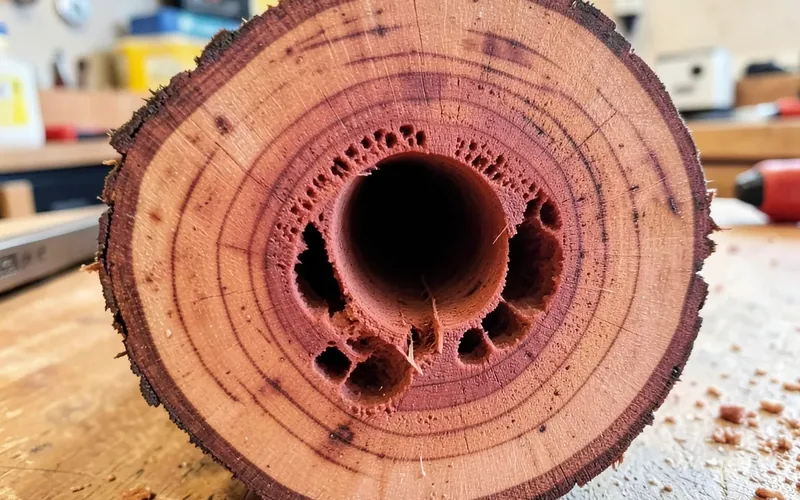
📊 Red oak’s open pores allow water to penetrate freely, while white oak’s tylose-filled pores block it almost entirely. – Source: The Wood Database, 2026
Outdoors, that open channel network means every rainstorm gets pulled straight into the board through the end grain and any exposed pore faces, then held there long after the surface looks dry. That trapped moisture is what starts fungal decay, not just surface weathering.
Red Oak vs. White Oak: Why the Name “Oak” Doesn’t Mean the Same Wood
Tyloses are bubble-like cell structures that form inside a tree’s water-conducting vessels. White oak grows them naturally, which permanently plugs its pores. Red oak never develops them, which is why its pores stay open for the life of the board. This one microscopic difference – not color, not grain pattern – is what separates a wood used for whiskey barrels and boat planking (white oak) from one that belongs indoors (red oak).
If you’re deciding between species for an outdoor build, or wondering whether a water-resistant wood option makes more sense than oak at all, the table below lines up the realistic outdoor lifespan of each without an annual sealing routine.
| Wood | Pore Structure | Unsealed Outdoor Life | Best For |
|---|---|---|---|
| Red Oak | Open, no tyloses | 1-2 seasons before rot starts | Indoor furniture only |
| White Oak | Sealed by tyloses | 15-25 years | Outdoor furniture, boat trim |
| Cedar | Natural oils, not pore-sealed | 10-20 years with periodic sealing | Budget outdoor builds |
| Teak | High natural oil content | 25-50 years, no sealing required | High-end outdoor furniture |
| Ipe | Very dense, natural extractives | 40-75 years | Decking, heavy-use furniture |
Already Have Red Oak Outside? How to Protect It
If red oak furniture is already sitting on your patio, sealing is the only thing standing between it and the open-pore problem described above. The goal is a finish that penetrates and keeps flexing as the board expands and contracts with humidity, not one that just sits on top and cracks.
- Sand first: knock down any raised grain or old finish with 150-220 grit before the first coat.
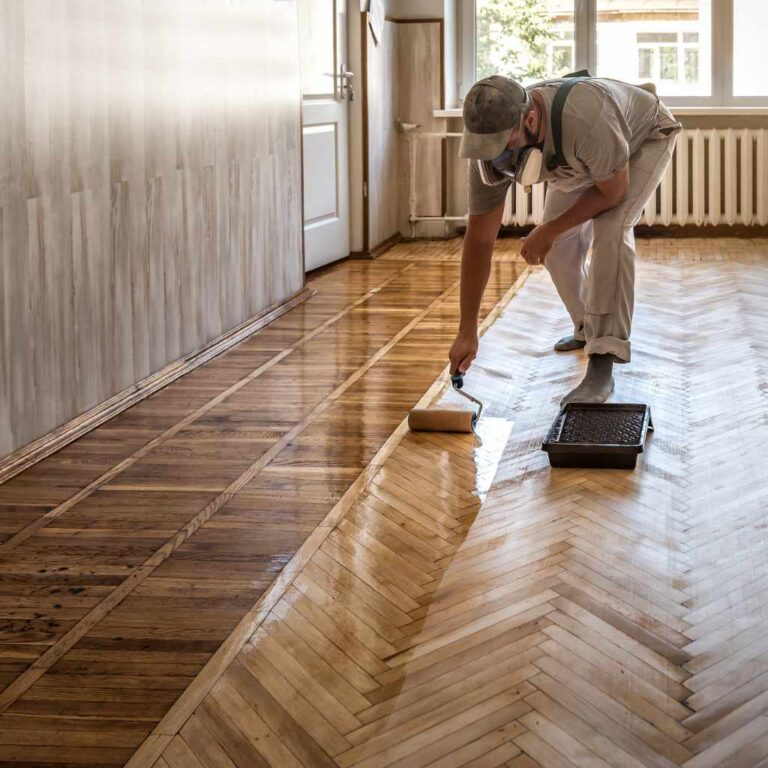
- Choose a spar-type finish: spar urethane or marine varnish is formulated to flex with wood movement instead of cracking like a rigid film finish.
- Seal the end grain hardest: end grain drinks far more finish than face grain because the pores are cut open – give it two extra coats.
- Reapply annually: UV breaks the finish down over a single season in most climates; twice a year in coastal or high-rain regions.
Best Exterior Sealer Pick
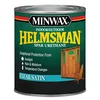 |
Minwax Helmsman Indoor/Outdoor Spar Urethane, Satin, Quart – $24.88 A flexible spar-type finish built for exactly the two problems this guide covers – UV graying and a rigid film cracking as the open-pored end grain swells and shrinks with moisture.
|
As an Amazon Associate we earn from qualifying purchases.
What Happens When Red Oak Is Left Unsealed Outside
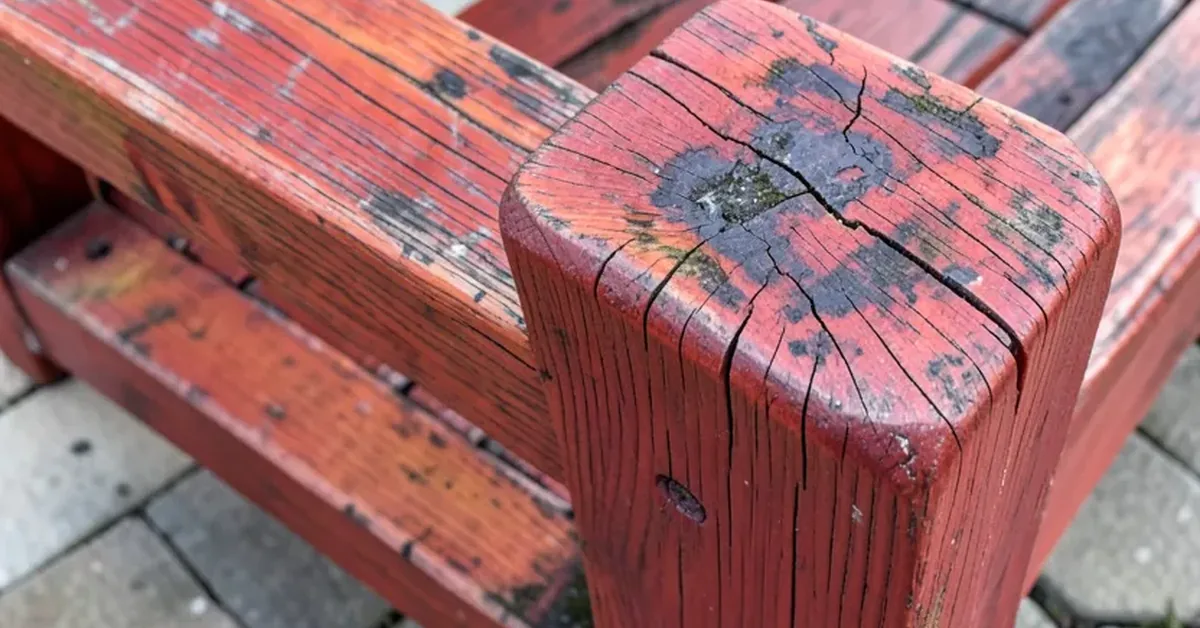
Skip the sealant and the failure pattern is predictable. The end grain darkens first as it holds standing moisture longer than the surrounding face grain. Cracks then open along the rings as the board swells when wet and shrinks when it dries out, a cycle that stresses the wood far more than steady humidity would. Soft, spongy patches – active rot – typically follow wherever water collects, such as where a tabletop meets a leg joint.
In the shop, the difference is obvious the moment you handle two boards side by side: a red oak offcut that has sat outside for even a few rainy weeks feels noticeably heavier and colder to the touch than the same board kept indoors, because it is genuinely waterlogged through the open pore structure – not just damp on the surface. That is the open-grain problem in a nutshell, and no single coat of finish erases it permanently.
“The pore structure is the whole story with red oak. It’s a fantastic cabinet and flooring wood precisely because those open vessels take stain so evenly – the same trait that makes it a poor bet outdoors without real maintenance.”
Better Wood Choices for Outdoor Furniture
If you’re building new rather than protecting furniture you already own, it’s usually faster to pick a species that doesn’t need the open-pore workaround at all. White oak is the closest swap to red oak in weight, workability, and look, while genuinely resisting rot on its own. Cedar is the budget-friendly option and is light enough to move easily. Acacia is another mid-range option worth comparing if white oak isn’t available locally. Teak and ipe cost more up front but need the least ongoing maintenance of any wood on this list.
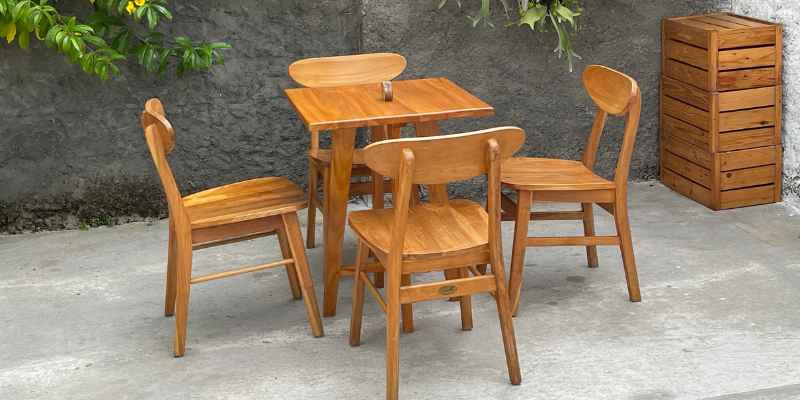
Whichever species you land on, the same sealing and joinery principles that apply to garden benches apply here too – end grain and joints are always the first places outdoor furniture fails, regardless of species.
Common Mistakes to Avoid With Red Oak Outdoors
- Using leftover indoor-furniture stock outside: red oak sold for cabinets and flooring is the same wood as the furniture-grade stock at the lumberyard – neither has been treated for exterior exposure.
- Sealing only the visible faces: skipping the end grain because it’s less visible is the single most common reason sealed red oak still rots at the joints first.
- Assuming a coat of paint is enough: paint films crack under the same swell-shrink cycle that damages clear finishes, and once cracked, they trap moisture against the wood instead of shedding it.
- Confusing red oak and white oak at the lumberyard: the two look similar until you check the end grain or the leaf shape on any surviving bark – see our full guide on water-resistant wood species for how to tell them apart.
For general upkeep once a piece is sealed and outside, the same routine covered in our wood care and maintenance guide applies – regular cleaning, prompt spot repairs, and not letting standing water sit on any horizontal surface.
Frequently Asked Questions
Is red oak wood durable for outdoor use?
No, not without heavy sealing. Red oak’s open pores lack the tyloses that block moisture in white oak, so untreated red oak absorbs water readily and can begin warping or rotting within one to two seasons outdoors. With an annual spar-urethane or marine-varnish coat, it can last longer, but it will never match naturally rot-resistant species.
Does red oak resist weather conditions?
No. Red oak has no natural resistance to rain, humidity, or temperature swings. Its open vessel structure lets water move freely in and out of the board, which causes the repeated swelling and shrinking that leads to surface checking and cracking over time.
What is the difference between red oak and white oak for outdoor furniture?
White oak’s pores are naturally plugged with tyloses, cell structures that block water from entering the wood, which is why it was historically used for barrels and boat planking. Red oak never develops tyloses, so its pores stay open, making it far more prone to moisture absorption and decay outdoors.
How should I care for red oak outdoor furniture?
Clean it regularly with a mild cleanser, sand away any raised grain, and apply a penetrating spar urethane or marine varnish, giving extra coats to the end grain. Reapply the sealant annually in most climates, or twice a year in wet or coastal regions, and avoid letting water pool on flat surfaces.
Can red oak furniture be left outside year-round?
It’s not recommended. Even well-sealed red oak benefits from a cover or indoor storage during the harshest months, since prolonged rain and freeze-thaw cycles will eventually work past any finish. If it must stay outside, keep the sealant schedule current and check joints and end grain each season for early cracking.
Red oak can work outdoors, but only as a maintained finish, not a naturally durable wood the way white oak, teak, or cedar are. If you already have red oak furniture outside, a proper spar-urethane routine and yearly attention to the end grain will keep it going for years. If you’re building new, it’s worth choosing a species that doesn’t depend on that maintenance schedule in the first place.
Sponsored / affiliate links. As an Amazon Associate I earn from qualifying purchases. I may earn additional commission from eligible campaigns.