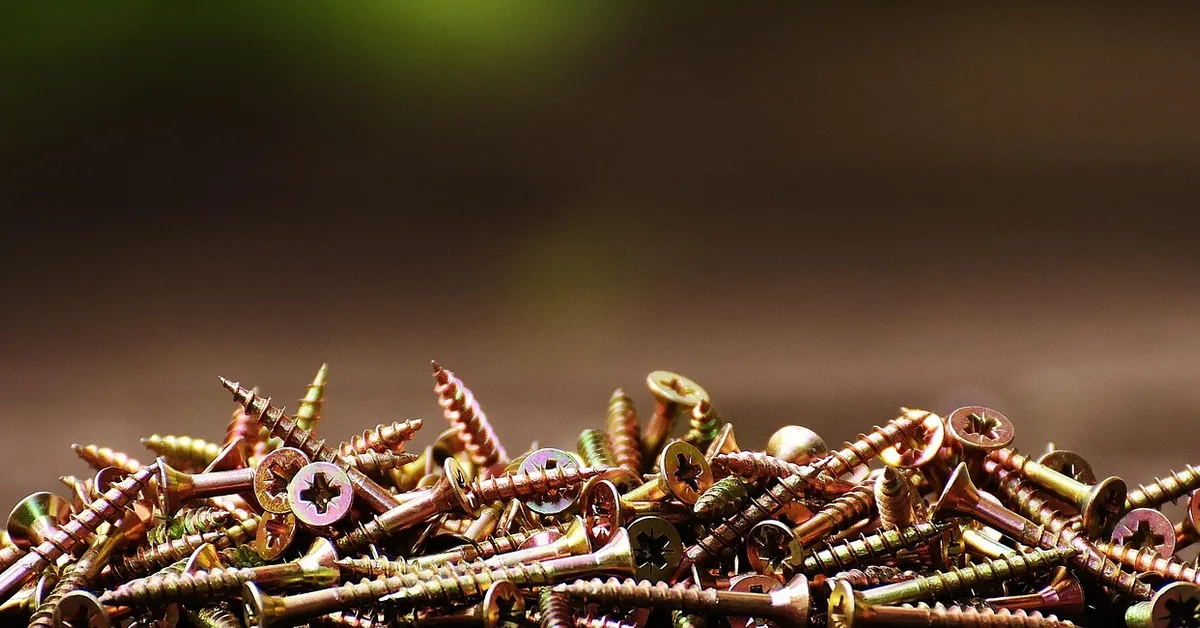
Fine Thread vs Coarse Thread Screws: Which Is Best for Hardwood?
Fine thread screws hold better in hardwoods like oak, maple, and cherry because their shallow threads displace less wood fiber than coarse threads — but coarse thread screws grip softwood and plywood more securely per thread. Using the wrong type causes stripped pilot holes or split boards, especially in dense stock under 3/4 inch thick. This guide covers thread pitch differences, pilot hole sizes for #6 through #12 screws, and when coarse thread still wins.
Insert your Affiliate Disclosure reusable block here
What Makes a Screw “Fine Thread” Instead of “Coarse Thread”?
Best Fine Thread Screw Pick
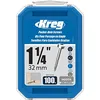
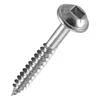
Kreg Zinc Pocket-Hole Screws, Fine Thread, 1-1/4 in (SPS-F125-100)
The standard fine thread pocket-hole screw most cabinet shops keep on hand — sized for 3/4-inch hardwood face frames and pocket joinery.
- Best for: Pocket-hole joints in 3/4-inch oak, maple, or cherry face frames
- Why we picked it: Kreg’s pan head and fine thread pairing is the reference spec most pocket-hole jig instructions are written around
- Main drawback: Indoor-rated zinc only — not for exterior or wet locations
Compare more fine thread screw options
 Option 1 LIONMAX Fine Thread #8 x 1-1/4 in, 100 Pack
|
 Option 2 Bora Fine Thread Pocket Hole Screws, 1 in
|
 Option 3 Trend Pocket Hole Screws for Hardwoods, 1-1/4 in (500-Pack)
|
As an Amazon Associate we earn from qualifying purchases.
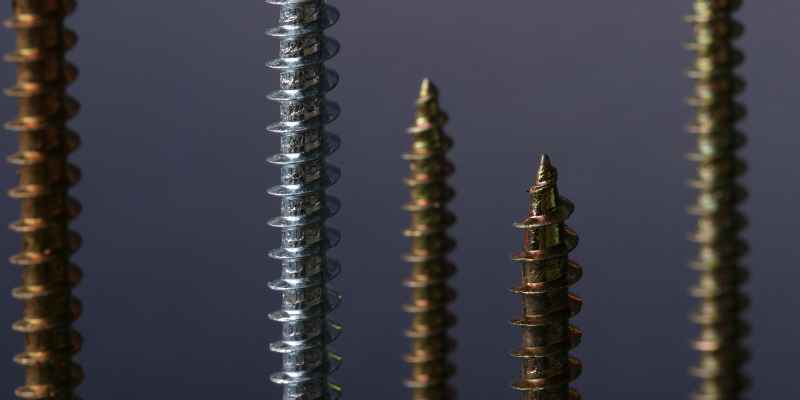
Fine thread is a wood screw designation that means more, shallower threads per inch (TPI) than a coarse thread screw of the same gauge. Coarse thread screws (common deck and framing screws) typically run around 8–14 threads per inch, while fine thread wood screws — including most pocket-hole screws — run in the 18–32 TPI range depending on gauge. The shallower thread removes less wood fiber with each turn, which is exactly why it matters in hardwood: less fiber displacement means less splitting pressure on dense, brittle stock.
Fine Thread vs. Coarse Thread Screws: Quick Comparison
| Property | Fine Thread | Coarse Thread |
|---|---|---|
| Threads per inch (typical) | 18–32 TPI | 8–14 TPI |
| Best material | Hardwood (oak, maple, cherry), metal, MDF edges | Softwood (pine, cedar, fir), plywood, particle board |
| Splitting risk in hardwood | Low — shallow threads displace less fiber | High — deep threads force fiber apart |
| Holding power per thread | Lower per single thread | Higher per single thread |
| Typical use case | Pocket-hole joinery, cabinetry, furniture | Deck framing, subfloor, general construction |
Fine thread is the better default any time you’re joining hardwood, driving into metal, or working with pocket holes on furniture-grade stock. For general construction in softwood framing and drilling projects, coarse thread remains the standard because it bites harder into looser fiber and drives faster.
Pilot Hole Sizes for Fine Thread Screws in Hardwood
Fine thread screws in hardwood still need a pilot hole in most cases — the shallow thread reduces splitting risk, but dense oak, maple, and cherry can still crack near the surface without one, especially close to an edge. The table below compiles standard U.S. wood-screw pilot hole guidance by gauge, sized up one increment for hardwood as most fastener manufacturer references recommend.
| Screw Gauge | Shank Diameter | Pilot Hole – Softwood | Pilot Hole – Hardwood |
|---|---|---|---|
| #6 | 0.138 in | 3/32 in (0.094 in) | 7/64 in (0.109 in) |
| #8 | 0.164 in | 7/64 in (0.109 in) | 1/8 in (0.125 in) |
| #10 | 0.190 in | 1/8 in (0.125 in) | 9/64 in (0.141 in) |
| #12 | 0.216 in | 9/64 in (0.141 in) | 5/32 in (0.156 in) |
📊 Rule of thumb: a hardwood pilot hole should be roughly one drill-bit increment larger than the same screw’s softwood pilot hole — the goal is removing enough fiber to prevent splitting without removing so much that the threads can’t grip.
“The giveaway you grabbed a coarse-thread box by mistake is a faint tick or a hairline crack appearing at the pilot hole before the screw head seats. Back it out immediately, switch to fine thread, and drill the hardwood-sized pilot hole before trying again — redriving into an already-cracked hole almost never seats clean.”
When Coarse Thread Screws Are Actually the Better Choice
Coarse thread wins in softwood, plywood, OSB, and particle board — anywhere the fiber is loose enough that a deep thread can bite hard without cracking anything. Deck framing, subfloor installation, and general construction with pine, fir, or cedar all call for coarse thread because the deeper threads grip loose fiber better and drive faster with less torque resistance from the material itself. Using fine thread in softwood is not dangerous, but it wastes the fine thread’s main advantage and can strip out under load faster in loose fiber, since there’s less material per thread gripping back.
Where Fine Thread Screws Make Sense
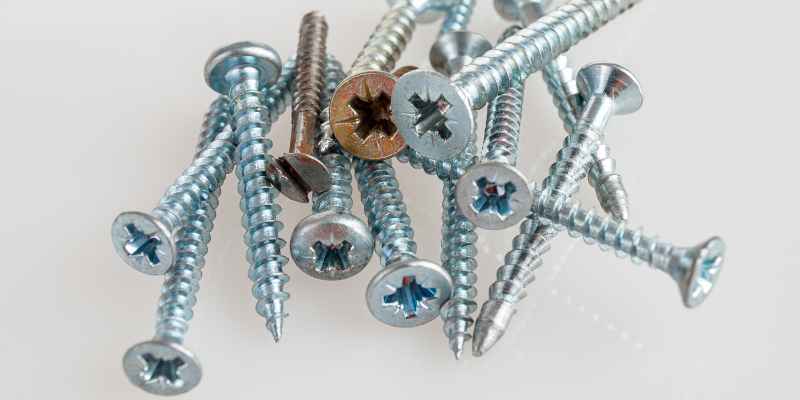
- Pocket-hole joinery: Cabinet face frames, drawer boxes, and furniture assembly in hardwood — this is the single most common fine thread application in a woodworking shop.
- Machine screws: Threading into pre-tapped metal or threaded inserts, where standardized machine thread pitch (UNF) is a different spec than wood screw TPI but follows the same fine-vs-coarse logic.
- Drywall on metal studs: Fine thread self-tapping drywall screws cut cleanly into thin sheet metal without the deep thread that would just spin and strip.
- MDF and dense engineered panels: The tighter thread reduces the edge-crumbling that coarse thread causes in MDF’s compressed fiber.
For the screw length itself rather than thread type, see how Kreg screw length is chosen by material thickness, and cross-check the wood screw pilot hole size guide for gauges outside the hardwood table above. If you’re deciding between screw categories rather than thread pitch, cabinet screws vs. wood screws covers that separate decision, and screws for pressure-treated lumber covers the coated-fastener side of coarse thread work outdoors.
Common Mistakes
- Skipping the pilot hole because “fine thread self-taps”: fine thread reduces splitting risk, it doesn’t eliminate it in dense, dry hardwood — drill the pilot hole from the table above.
- Using deck screws (coarse thread) for cabinet face frames: the deep thread routinely blows out oak and maple near edges and corners.
- Assuming all pocket-hole screws are interchangeable: confirm fine thread on the packaging — some bulk generic screw assortments mix thread types in the same box.
- Driving too fast with a drill on high torque: fine thread needs less torque to seat; going in too fast can strip the screw head before it’s fully driven, especially in dense wood.
Frequently Asked Questions
What is the difference between fine thread and coarse thread pocket-hole screws?
Fine thread pocket-hole screws have more, shallower threads per inch and are made for hardwoods and dense material like MDF edges. Coarse thread pocket-hole screws have fewer, deeper threads and are made for softwoods and plywood. Using the wrong one is the most common cause of split face frames or stripped-out joints.
Do you need a pilot hole for fine thread screws in hardwood?
Yes, in most cases. Fine thread reduces splitting risk compared to coarse thread, but dense hardwoods like oak and maple can still crack near an edge or corner without a pilot hole. Use the hardwood pilot hole sizes in the table above, sized about one drill-bit increment larger than the softwood size for the same gauge.
What TPI is a fine thread screw?
Fine thread wood screws typically run 18 to 32 threads per inch depending on gauge, compared to roughly 8 to 14 TPI for coarse thread screws of the same gauge. The exact count varies by manufacturer and screw size, so check the packaging if a project has a strict spec.
Can you use fine thread screws in softwood or plywood?
Yes, it will hold, but it’s not the better choice. Coarse thread grips loose softwood fiber more securely per thread and drives faster with less resistance. Fine thread in softwood can strip out under load sooner than coarse thread would in the same material.
Is 8-32 a fine thread size?
8-32 refers to a machine screw thread (UNC coarse pitch for a #8 machine screw), not a wood screw gauge — it’s a different standard than wood screw TPI. The fine-thread machine equivalent is typically labeled 8-36 UNF. Don’t confuse machine screw thread callouts with wood screw fine/coarse designations; they use separate numbering systems.
Fine thread screws are the right default for hardwood, pocket-hole joinery, and metal — coarse thread stays the right call for softwood framing and plywood. Match the thread type to the material first, then size the pilot hole from the chart above, and most splitting and stripping problems in hardwood joinery go away.
Sponsored / affiliate links. As an Amazon Associate I earn from qualifying purchases. I may earn additional commission from eligible campaigns.
 MR SCREWS #8 x 3 Drywall Screws 100PCS Coarse Thread Wood Screws 1 LBS Flat Truss Head Self Tapping Screws Black Phosphate Coated Stainless Fast Self Tapping LZDRY-009
 MR SCREWS #6 x 2 Drywall Screws 180PCS Coarse Thread Wood Screws 1 LBS Flat Truss Head Self Tapping Screws Black Phosphate Coated Stainless Fast Self Tapping LZDRY-013