Full Grown Termite: Identifying and Managing Infestations
Imagine this: you’re sitting comfortably in your living room, enjoying the serene ambiance of your home. But lurking beneath the surface, there might be a silent intruder threatening the very structure of your sanctuary.
Yes, we’re talking about full-grown termites. These tiny, yet powerful creatures can cause significant damage before you even realize there’s a problem. You might think your home is safe, but termites can be sneaky, hiding in wood, walls, and even under your floorboards.
Understanding these pests is crucial if you want to protect your property effectively. You’ll discover what a full-grown termite is, how to spot signs of an infestation, and ways to prevent these unwelcome guests from turning your home into their next meal. Keep reading to arm yourself with the knowledge you need to keep your home safe and sound.
Termite Life Cycle
Termites have a fascinating life cycle. They start as eggs. Then, they become nymphs. Nymphs are young termites. They look like tiny adults. As they grow, they molt. Molting means shedding their skin. After several molts, they become adults. Adults have different roles in the colony. Some are workers. Others are soldiers. A few become reproductive termites. These include kings and queens. The queen lays eggs. The king helps her. Together, they grow the colony.
Each termite has a special job. Workers build tunnels. They gather food. Soldiers protect the colony. They have strong jaws. Jaws help them fight enemies. Reproductive termites start new colonies. The queen is the most important. She lays thousands of eggs. The king helps her. Without them, the colony cannot grow.
Credit: extension.msstate.edu
Characteristics Of Full Grown Termites
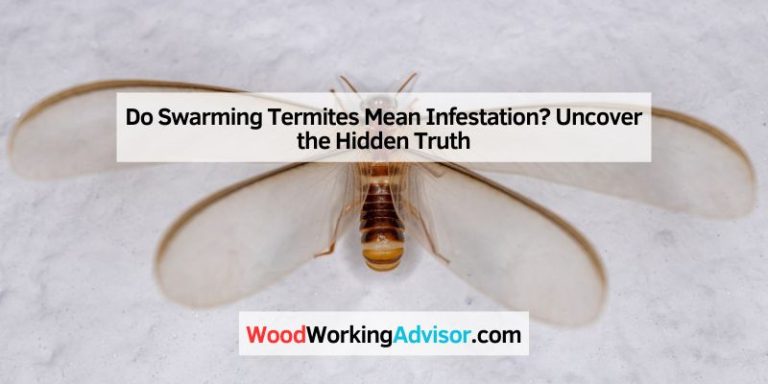
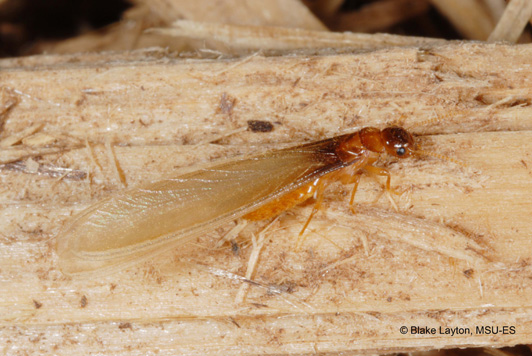
Full grown termites are small insects. Their color is usually pale or white. Termites have soft bodies. They have straight antennas on their head. Their wings are equal in size. Termites look similar to ants but are different. The queen termite is larger than others.
Termites live in large colonies. They work together to build their homes. These homes are called mounds. Termites eat wood and plant material. They help break down dead trees. They can cause damage to houses. Termites like warm and moist places. They stay hidden and avoid light.
Signs Of Termite Infestation
Termites love to eat wood. Furniture and walls might get weak. Holes may appear in wooden surfaces. Paint might crack. Floors can sag. Doors and windows may not close properly. These are signs of damage. Call a pest expert if you see them.
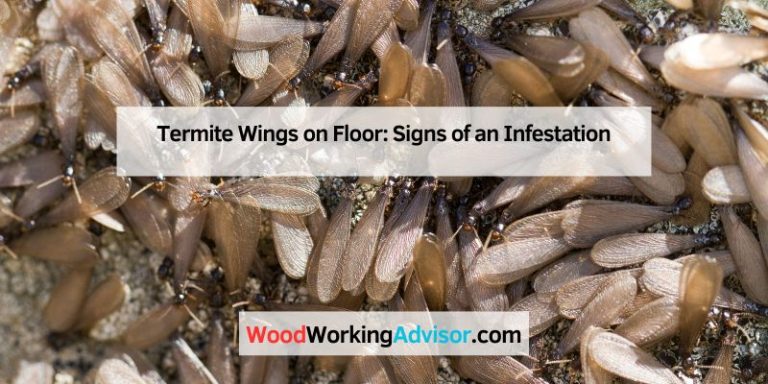
Termite swarms look like flying ants. They appear near light sources. Wings can be found on the floor. Wing piles are a strong sign. Termites leave these after mating. Swarming happens during warm seasons. Watch out for them.
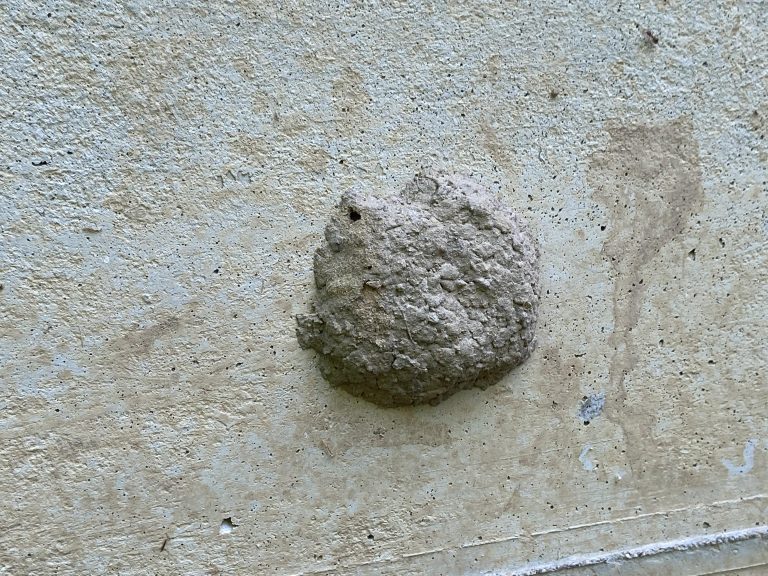
Termites build mud tubes. These tubes are like tunnels. Termites use them to move. They are made of soil and wood. Tubes can be found on walls. Or near foundations. They protect termites from air and light. Mud tubes signal an infestation.

Credit: marybatessciencewriter.com
Common Areas For Infestations
Termites love dark and damp places. Basements are a favorite indoor hotspot. They hide in wooden beams and floorboards. Kitchens also offer many wooden cabinets. Termites can eat these quickly. Bathrooms are another target area. They like the moisture there. Watch out for window frames too. Termites can enter through small cracks. Regular checks can help you spot them early.
Gardens and yards are risky too. Woodpiles attract termites. They find it easy to chew through. Dead trees are another danger. Termites can nest inside them. Fences made of wood are at risk as well. Termites can move from there to your house. Mulch in gardens can be inviting. It provides the perfect environment for them. Keep outdoor areas tidy to reduce risks.
Preventive Measures
Regular inspections help find termites early. Early detection is vital. Check your home often for signs. Look for wings, mud tubes, and damaged wood. Professional checks are best. Experts know what to look for. They can spot hidden problems. Quick action can save your home.
Termites love moisture. Keep your home dry. Fix leaks quickly. Seal cracks in walls and floors. Use dehumidifiers if needed. Proper drainage is important. Water should flow away from your house. Check your roof and gutters often. No standing water near your home.
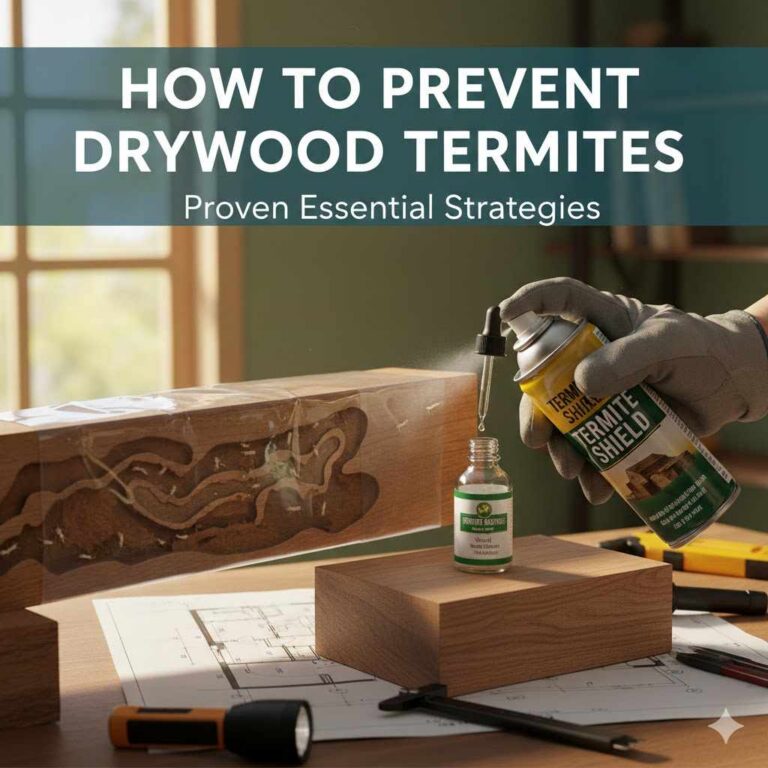
Treat wood to deter termites. Chemical treatments work well. They protect wood from pests. Use them on fences, decks, and more. Natural treatments are also good. Borate solutions are safe and effective. Seal exposed wood to keep it safe. Regular maintenance is key.
Effective Control Methods
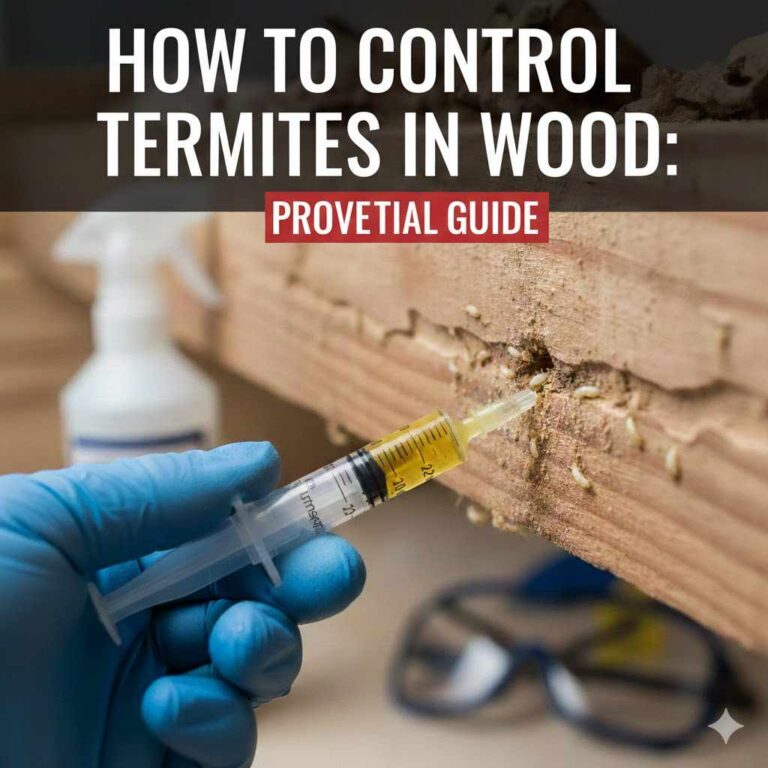
Using chemical treatments can help eliminate termites. Termiticides are strong chemicals. They kill termites quickly. Liquid barriers are used around homes. This keeps termites away. Bait stations attract termites. They eat poisoned bait. Then they die. Safety is important. Follow instructions carefully.
Natural methods can control termites. Nematodes are tiny worms. They eat termites. Orange oil kills termites on contact. Borax is a powder. It stops termites from eating wood. Sunlight can kill termites. They hate bright light. Moisture control helps. Keep wood dry to prevent termites.
Experts know how to handle termites. Trained professionals use special tools. They inspect homes thoroughly. Effective strategies are planned. They ensure no termites return. Safety is their priority. Choose licensed pest control services. They have the best solutions. Experience matters. Trust those with years of work.
Long-term Management Strategies
Monitoring systems help track termite activity. They use special devices. These devices detect termite movement. Regular checks are important. This keeps termite numbers low.
Experts use these systems often. They find termites quickly. This prevents damage. Monitoring systems are a key part of termite control. They help keep homes safe.
Integrated Pest Management (IPM) is a smart way to control termites. It uses different methods. Chemical treatments are one way. Traps catch termites too. IPM means using safe and smart techniques.
Experts plan IPM carefully. This plan stops termites. It saves homes from damage. IPM is a team effort. It needs regular checks. It helps keep homes safe from termites.
Frequently Asked Questions
How Big Is A Full Grown Termite?
A full-grown termite typically measures between 0. 25 to 0. 5 inches long. Queen termites can reach up to 4 inches. Their size varies by species, with some being larger or smaller. Termites have soft bodies and are often pale in color.
These insects are crucial for decomposing wood and plant material.
What Does An Adult Termite Look Like?
Adult termites have straight antennae and soft bodies. They typically measure 1/4 to 1/2 inch. Their color varies from white to brown, with some species having wings. Winged termites, or swarmers, have two equal-sized pairs of wings. Their appearance can resemble ants, but termites have a straight waist.
Can You Physically See Termites?
Yes, you can see termites, especially winged ones during swarms. Soldier termites have distinct heads and jaws. However, most termites remain hidden inside wood or soil, making them hard to spot. Regular inspections can help identify signs of termite presence, such as mud tubes or damaged wood.
Are Termites Hard To Get Rid Of?
Termites are challenging to eliminate due to their hidden nests and rapid reproduction. Professional pest control is often necessary. Regular inspections and preventive measures can help. Early detection improves success rates. DIY treatments are less effective, but professional solutions can provide long-term protection.
Conclusion
Termites play a crucial role in nature. They decompose wood and recycle nutrients. Understanding their life cycle helps in managing them effectively. Full-grown termites can cause damage to structures. Awareness and timely action prevent costly repairs. Regular inspections can keep infestations at bay.
Simple measures ensure your home stays termite-free. Knowledge empowers you to protect your property. Stay informed. Stay vigilant. Act promptly to maintain peace of mind.