Grizzly Vs Delta Table Saw: A Detailed Comparison
In the world of woodworking, choosing the right table saw can make all the difference in achieving precise cuts and efficient project completion. Two popular contenders in the market are Grizzly and Delta table saws. Both brands have their own unique features and advantages, catering to the needs of professional woodworkers and hobbyists alike.
Grizzly and Delta table saws offer powerful cutting capabilities, but differ in features and build quality. Grizzly excels in durability and precision, while Delta focuses on user-friendliness. Consider your specific needs and budget to determine which brand suits you best.
This article aims to delve into the comparison between Grizzly and Delta table saws ultimately helping you make an informed decision when selecting the ideal table saw for your woodworking needs. Let’s start.
One practical difference most comparisons skip: how you actually buy one. Grizzly sells primarily factory-direct through its own catalog and website, with limited brick-and-mortar showroom presence, so you’re usually buying based on specs and reviews rather than testing the fence and miter gauge in person first. Delta saws are more commonly stocked through big-box and specialty tool retailers, making a hands-on look easier before you commit – though Delta’s own product line has narrowed since a change in ownership a few years back, with fewer high-end cabinet-saw options than it once offered.
Grizzly Vs Delta Table Saw: Differences in Key Features
Best Safety Upgrade for Either Saw
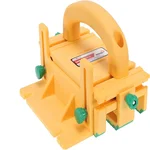 |
MICROJIG GRR-RIPPER GR-100 Pushblock – $30.99 Whichever brand you buy, keeping hands off the blade path on narrow rips matters more than the fence brand – this works on any table saw.
|
“Which brand has more power” isn’t a fair question without specifying the saw class first – both companies sell everything from portable 120V jobsite saws to full 220V cabinet saws, and comparing a jobsite Grizzly to a Unisaw-class Delta tells you nothing useful. The table below compares the two brands at equivalent saw classes instead of treating “Grizzly” and “Delta” as single products.
| Feature | Grizzly (cabinet-class) | Delta (cabinet-class, e.g. Unisaw) |
| Motor | Typically 3–5HP, 220V single or three-phase options on larger models | Typically 3–5HP, 220V |
| Table material | Cast iron table with cast iron or steel extension wings | Cast iron table, historically cast iron wings on the Unisaw line |
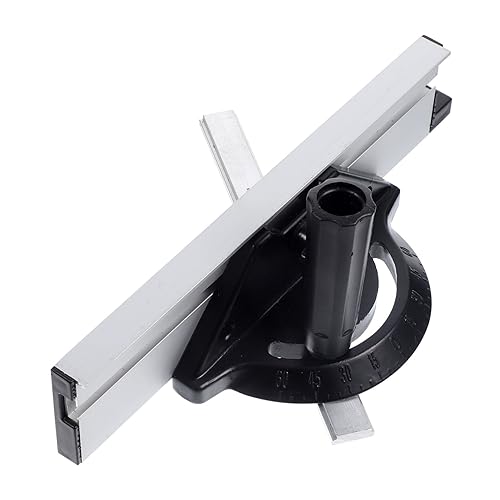
| Fence system | T-square style fence on an aluminum rail | Biesemeyer-style fence – Delta popularized this design, which became the industry reference other fence makers still benchmark against |
| Dust collection | Enclosed cabinet base with a 4″ port, collects well when connected to a shop vac or dust collector | Enclosed cabinet base with a 4″ port, comparable collection efficiency |
| Purchase channel | Primarily factory-direct through Grizzly’s own catalog/site – fewer showrooms to test in person, but often a lower price for comparable specs | Widely stocked through big-box and specialty retailers, but the lineup has narrowed since a 2019 ownership change reduced the number of high-end cabinet-saw options |
Grizzly Vs Delta Table Saw: Key Differentiating Factors
Beyond the spec sheet, the two brands split along a few practical lines worth understanding before you buy.
Company History And Distribution
Delta dates back to 1919 and, under various ownership groups over the decades (including the Rockwell era that produced the original Unisaw), built a reputation as one of the reference brands in American woodworking machinery. Grizzly Industrial, founded in 1983, built its business on a different model – import machinery sold factory-direct at a lower markup than traditional retail brands, which is still how most Grizzly saws reach buyers today.
Fence Systems
Delta’s Unisaw popularized the Biesemeyer T-square fence design, which locks parallel to the blade with a single clamp lever and reads directly off a tape on the front rail – a design so influential that most aftermarket fence upgrades on other brands’ saws are still judged against it. Grizzly’s cabinet saws use their own T-square-style fence on an aluminum rail that operates on the same clamp-and-read principle, and in shop tests both hold parallel well enough for cabinet-grade work; the meaningful difference for most buyers is rail length and how far right of the blade the fence can travel, which varies by specific model rather than by brand across the board.
Safety Systems
Both brands’ current lineups use a riving knife – a curved blade guard component that rises and falls with the blade and stays close behind it at every cutting height, which does a better job preventing kickback on a workpiece that starts to pinch closed than the older fixed splitter design it replaced. Anti-kickback pawls (small spring-loaded teeth that dig in if the wood tries to move backward) are standard on both brands’ guard assemblies. Neither Grizzly nor Delta currently offers the flesh-detecting blade-brake technology that SawStop patented and still holds exclusively, which is worth knowing if that specific feature is a priority.
Parts, Service, And Long-Term Ownership
Grizzly’s factory-direct model means parts and support come straight from Grizzly rather than through a dealer network, and the company has a reputation for holding parts inventory for older models longer than some competitors. Delta’s ownership changes over the past decade (most recently to Chang Type Industrial Co. in 2019) have made parts sourcing for older, pre-transition Delta saws less predictable than buying new – worth checking directly with Delta before assuming a 15-year-old Unisaw’s parts are still stocked.
Tips To Choose Between Grizzly and Delta Table Saw: Buying Guide
If you are still confused about which one is the best for you, I am here to help. I have some tips for you that you may consider to make the right decision and choose between the two options.
- Research and Compare Models: Look into the specific models offered by both brands. Compare their features, specifications, and capabilities to ensure they align with your woodworking needs and preferences.
- Consider Your Woodworking Requirements: Assess the type of projects you typically undertake and the materials you work with. Determine the necessary motor power, rip capacity, and other features that will best accommodate your woodworking needs.
- Read Customer Reviews and Feedback: Explore online reviews and customer feedback for the specific models you are considering. Pay attention to overall satisfaction, performance, durability, and any recurring issues mentioned by users.
- Evaluate Build Quality and Durability: Examine the construction and build quality of the table saws. Look for sturdy frames, quality materials, and overall durability. Consider factors such as stability, vibration control, and long-term reliability.
- Assess Safety Features: Ensure the table saws come with essential safety features, such as blade guards, riving knives, and anti-kickback pawls. Safety should always be a priority in any woodworking tool.
- Test User-Friendliness: If possible, try out the table saw models in person or read user experiences regarding their ease of setup, operation, and adjustment. Consider factors like intuitive controls, accessibility of features, and user-friendly design.
- Compare Pricing and Value for Money: Evaluate the pricing of the table saw models in relation to the features they offer. Consider the overall value for money and how well the tools align with your budget.
- Seek Recommendations: Consult other woodworkers or professionals who have experience with Grizzly and Delta table saws. Their insights and firsthand experiences can provide valuable guidance in making a decision.
FAQs
What Factors Should I Consider When Choosing Between Grizzly And Delta Table Saws?
When comparing these brands, consider factors such as motor power, build quality, safety features, user-friendliness, pricing, and customer reviews.
Are Grizzly Table Saws More Affordable Than Delta Table Saws?
Grizzly’s factory-direct pricing model usually undercuts a comparably specced Delta by a real margin, particularly at the cabinet-saw end, since Grizzly skips the traditional retail markup Delta’s big-box distribution carries. That gap narrows or disappears at the jobsite-saw end, where both brands compete closely on price.
Do Grizzly And Delta Table Saws Have Similar Cutting Power?
Motor power tracks saw class more than brand: both companies’ jobsite saws run around 1.5HP on 120V, while their cabinet saws climb to 3-5HP on 220V. Comparing horsepower only makes sense within the same saw class, not brand-to-brand in the abstract.
Are There Significant Differences In Build Quality Between Grizzly And Delta Table Saws?
Both use cast iron tables on their cabinet-class saws, which hold flatness and dampen vibration better than the stamped-steel tables found on entry-level contractor saws from either brand. Where they differ is extension wings – some Grizzly models use cast iron wings for a fully rigid table, while some Delta models use lighter stamped-steel wings bolted to a cast iron center, worth checking on the specific model.
Can I Find Spare Parts Easily For Grizzly And Delta Table Saws?
Grizzly ships parts directly and has a reputation for stocking older-model parts longer than average. Delta’s 2019 change in ownership (to Chang Type Industrial Co.) made parts sourcing for pre-transition Delta saws less predictable, so check directly with Delta before assuming a decade-old Unisaw’s parts are still on the shelf.
Are Grizzly And Delta Table Saws Suitable For Professional Use?
Grizzly’s cabinet saws see regular use in small production shops precisely because the factory-direct price lets a shop equip multiple stations for the cost of fewer premium-brand saws. Delta’s Unisaw-class saws remain a fixture in cabinet shops that value the Biesemeyer fence pedigree and don’t mind paying more for it. Either brand covers professional woodworking use well – the deciding factor is usually shop layout and budget, not a capability gap.
Do Grizzly And Delta Table Saws Come With Adequate Safety Features?
Current models from both brands use a riving knife (which tracks the blade height, unlike an older fixed splitter) plus anti-kickback pawls as standard equipment. Neither brand currently offers SawStop’s patented flesh-detecting blade brake, so factor that in separately if it’s a priority.
Conclusion
In conclusion, choosing between Grizzly and Delta table saws ultimately depends on your specific woodworking needs and preferences. Both brands offer a range of models with powerful motors, sturdy construction, and safety features. Grizzly excels in affordability and value for money, while Delta is known for its heritage and reputation.
Consider factors such as motor power, build quality, user-friendliness, pricing, and customer reviews to make an informed decision. Ultimately, the right choice will be the one that aligns best with your woodworking requirements and provides the features you value most.
Sponsored / affiliate links. As an Amazon Associate I earn from qualifying purchases. I may earn additional commission from eligible campaigns.