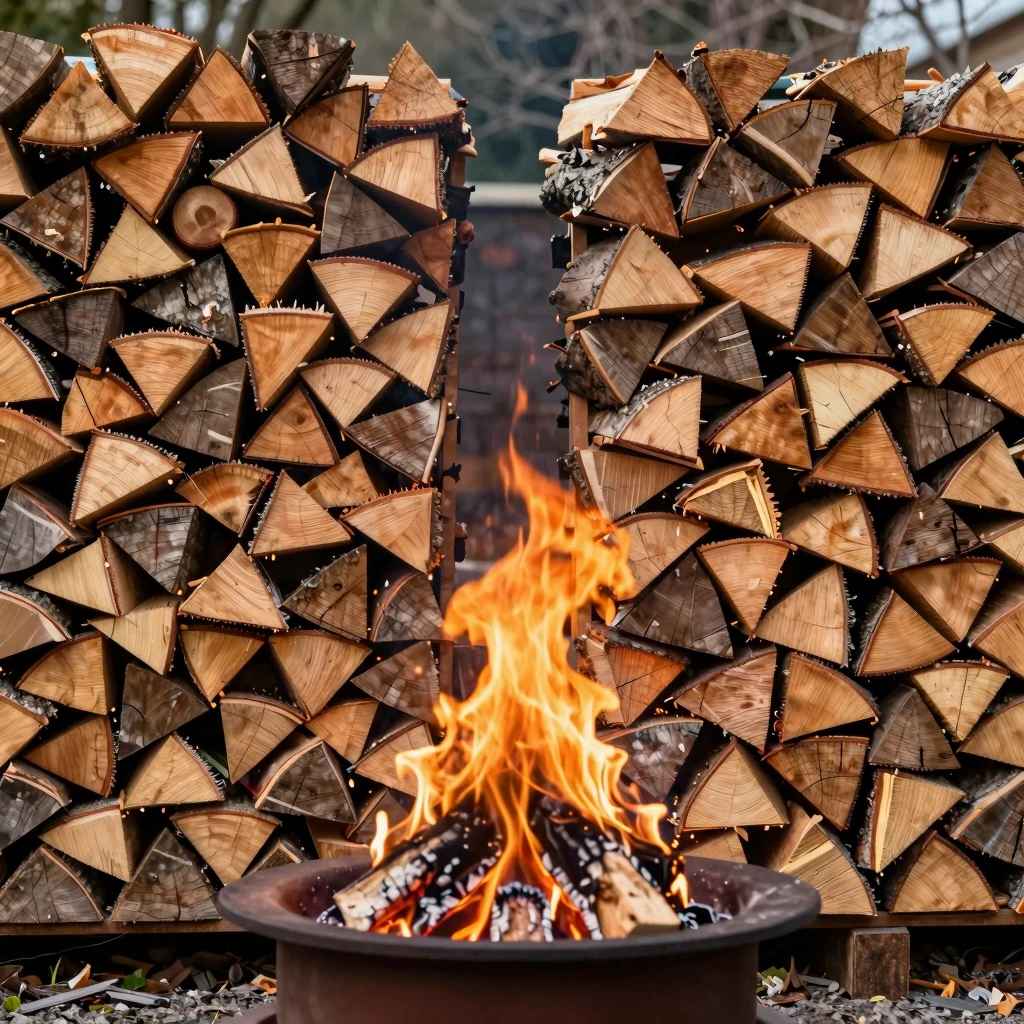
Hickory vs Oak Firewood Which Burns Best
Figuring out which firewood is best can seem tricky when you’re new to making fires. You’ve heard about different woods, and the big question of Hickory vs Oak Firewood: Which Burns Better? pops up often. It’s like choosing the right tool for the job; you want the best results. Don’t worry, this guide breaks it down super simply. We will walk through everything you need to know step-by-step, so you can pick the perfect wood for your cozy fire.
Hickory vs Oak Firewood Heat Output
This section looks at how much heat these two popular woods give off. It is a key factor for anyone wanting a warm and lasting fire. We will compare their energy density and how that translates to BTUs, the standard measure for heat.
Understanding BTUs and Firewood
BTUs, or British Thermal Units, measure the amount of heat energy a fuel can produce. When we talk about firewood, higher BTU ratings mean more heat for the same amount of wood. This is really important because it tells you how efficiently a wood will warm your space. Different types of wood have different densities and chemical compositions, which directly affect their BTU output. Hardwoods generally have higher BTU ratings than softwoods.
Hickory’s BTU Power
Hickory is famous for its high heat output. It’s a very dense hardwood. This means that when you burn hickory, you get a lot of warmth from each log. It is one of the best woods for generating sustained heat. Think of it as a super-heater for your fireplace or wood stove. This makes it a great choice for very cold nights when you need your fire to last and stay hot.
Oak’s Radiant Warmth
Oak is also a fantastic hardwood with a high BTU rating, though typically slightly lower than hickory. It burns hot and long, providing excellent warmth. Oak is a very popular choice because it balances good heat output with availability and cost. It might not be the absolute hottest wood available, but it’s a reliable performer that many people love.
Comparing BTU Ratings
While exact numbers can vary based on the wood’s dryness and specific species, hickory generally boasts BTU ratings in the 20 to 22 million BTUs per cord range. Oak usually falls between 18 to 21 million BTUs per cord. This small difference can be noticeable over a long heating season. For example, if you need to heat a large area or have a very drafty home, the extra heat from hickory might be more beneficial.
Hickory vs Oak Firewood Burn Time
The length of time a log burns is just as important as how hot it gets. You want a fire that lasts without needing constant attention. We will examine how the density and structure of hickory and oak affect their burn duration.
Dense Woods Burn Longer
The density of firewood plays a big role in how long it burns. Denser woods have more wood material packed into the same volume, meaning they take longer to break down and burn. This also relates to how much ash is produced. Hardwoods, being denser, generally burn much longer than softwoods.
Hickory’s Long-Lasting Embrace
Hickory is known for its exceptionally long burn time. Because it’s so dense and burns slowly, you can load your stove or fi
Oak’s Enduring Glow
Oak also offers an impressive burn time. It’s a slow burner that provides steady heat for extended periods. While maybe not quite as enduring as the very best hickory, oak is still a top performer for longevity. You can count on oak logs to keep the embers glowing for a good while, providing reliable warmth and a pleasant fire experience.
Factors Affecting Burn Time
Besides the wood type, several other things impact how long a log burns. The moisture content is critical; seasoned firewood (dried for at least 6-12 months) burns much longer and hotter than green wood. The size and shape of the logs also matter. Smaller pieces burn faster, while larger, split logs tend to burn slower. The way your stove or fireplace is set up, including air intake settings, can also influence burn rate.
Here is a simple comparison table:
| Firewood Type | Typical BTU per Cord | Typical Burn Time |
|---|---|---|
| Hickory | 20-22 Million BTUs | Very Long |
| Oak | 18-21 Million BTUs | Long |
Hickory vs Oak Firewood Smoke and Coals
The experience of a fire is not just about heat and duration; it also involves the smoke it produces and the quality of the coals left behind. We will explore how hickory and oak compare in these aspects, which can affect your comfort and the ambiance of your fire.
Smoke and Coals Enhance the Fire Experience
The type of smoke a wood produces can affect air quality inside and outside your home. Dense hardwoods, when properly seasoned, tend to produce less smoke and a pleasant aroma. The coals are what keep the fire going after the flames die down. Good coals provide radiant heat and make it easy to restart the fire.
Hickory’s Smoky Aroma and Steady Coals
Hickory is well-loved for its distinctive, rich aroma when burning. It’s often described as smoky and pleasant, making it a favorite for cooking as well as heating. While it burns, hickory produces a good amount of smoke, but it is usually a cleaner burn than softer woods. The coals that hickory leaves behind are often described as deep, long-lasting, and very hot. These coals are excellent for providing radiant heat long after the visible flames have subsided.
Oak’s Mild Smoke and Excellent Coals
Oak produces a mild, pleasant smoke that is not overpowering. It’s a clean-burning wood, especially when well-seasoned, contributing to less creosote buildup in chimneys. The coals from oak are also outstanding. They are dense, hot, and can last for many hours, maintaining a good level of heat. Many people appreciate the steady, consistent glow from oak coals, making it a reliable choice for a sustained fire.
Creosote Buildup Considerations
Creosote is a tar-like substance that can build up in your chimney. It is formed from unburned wood particles and moisture. Different woods produce varying amounts of creosote. Hardwoods like oak and hickory, when burned dry, produce less creosote than damp or soft woods. Regular chimney cleaning is always important, but choosing dry, dense hardwoods can help reduce the rate of buildup.
Hickory vs Oak Firewood Ease of Splitting and Seasoning
When you’re getting your firewood ready, how easy it is to handle makes a difference. This involves splitting the logs and letting them dry out properly. We will compare hickory and oak in terms of how manageable they are before they’re ready for your fire.
Handling Firewood Matters
Getting firewood ready involves several steps. You usually buy it in larger pieces or as whole logs, which then need to be split into smaller, manageable sizes for burning. After splitting, the wood needs to season, meaning it needs to dry out to reduce its moisture content. The ease of these processes can influence your decision.
Oak’s Splitting Challenges and Seasoning Ease
Oak is known for being a very hard and dense wood, which can make it quite challenging to split. You’ll often need a strong axe or a hydraulic log splitter to break down oak rounds effectively. Once split, oak tends to season relatively well. It typically takes about 12 to 18 months for oak to dry sufficiently, depending on the climate and how it’s stacked.
Hickory’s Splitting Demands and Seasoning Time
Similar to oak, hickory is also very dense and can be tough to split. It requires significant effort and proper tools. Hickory’s density means it can take a bit longer to season compared to some other hardwoods, often requiring 12 to 24 months to reach optimal dryness. However, when seasoned, it offers superior burning qualities.
Importance of Seasoned Wood
Seasoned wood is wood that has been dried to a moisture content of 20% or less. Burning unseasoned (green) wood is problematic. It burns poorly, produces a lot of smoke, and creates excessive creosote buildup in chimneys, which can be a fire hazard. Seasoned wood burns hotter, cleaner, and more efficiently, providing a better and safer fire experience. It also smells much better.
Here’s a look at the practical aspects:
Splitting Difficulty:
Hickory: Very Difficult. Requires significant force and sharp tools.
Oak: Difficult. Also requires considerable effort and good equipment.
Seasoning Time:
Hickory: 12-24 months. Dense wood needs ample time to dry.
Oak: 12-18 months. Generally seasons a bit faster than hickory.
Hickory vs Oak Firewood: Which Burns Better For You
Now that we’ve explored the heat, burn time, smoke, coals, and handling of both hickory and oak, you can make a more informed choice. This section will help you decide based on your specific needs and preferences, bringing together all the points we’ve discussed. The ultimate goal is a satisfying and efficient fire.
Making the Right Choice for Your Fire
Choosing between hickory and oak often comes down to prioritizing certain qualities for your fire. Both are excellent hardwoods and will provide a superior burning experience compared to softwoods. However, subtle differences can make one a better fit for your situation.
When to Choose Hickory
Select hickory if your top priority is maximum heat output and the longest possible burn time from each log. If you need your fire to provide intense warmth for extended periods, especially during the coldest parts of the year, hickory is an exceptional choice. Its distinct aroma also adds to the cozy atmosphere. Be prepared for the effort involved in splitting and seasoning it, and consider its potentially higher cost due to its premium burning qualities. For those who want the absolute best in terms of heat and duration, hickory is often the winner.
When to Choose Oak
Oak is a fantastic all-around firewood that offers a great balance of heat, burn time, and availability. If you’re looking for a reliable, long-burning wood that’s often more readily available and potentially less expensive than hickory, oak is an excellent option. It produces a pleasant smoke and great coals, making it enjoyable for everyday fires. Oak is a solid choice for most heating needs, providing consistent warmth and a good fire experience without the extreme splitting difficulty sometimes associated with hickory. It is a very popular and dependable hardwood.
A Real-Life Scenario
Imagine Sarah lives in a region with very cold winters and has an older, less insulated home. She needs a firewood that will provide consistent, high heat throughout the night to keep her family warm. She also enjoys the ambiance of a crackling fire in the living room during the evenings.
Given her needs, hickory would likely be the better choice. Its higher BTU output means she’ll get more heat from each log, which is crucial for an uninsulated home. Its longer burn time means she can load the stove before bed and not worry about it going out until morning. While oak would still provide good heat and burn time, hickory’s superior performance in these areas would make a noticeable difference for Sarah’s heating situation.
Another Scenario
Consider Mark, who lives in a milder climate and primarily uses his fireplace for ambiance and occasional heating on cooler evenings. He wants a wood that burns well, smells pleasant, and is relatively easy to manage. He buys his firewood from a local supplier and doesn’t want to spend extra for premium woods if a good alternative is available.
For Mark, oak would probably be the ideal choice. It burns long enough for his evening fires, produces a nice warmth, and has a pleasant aroma. Oak is often more accessible and more affordable than hickory, fitting Mark’s budget and desire for ease of management. While hickory is excellent, its top-tier performance might be overkill for Mark’s specific, less demanding needs.
Frequently Asked Questions
Question: Is hickory or oak better for starting a fire?
Answer: Both hickory and oak are hardwoods and can be a bit harder to start than softer woods. You’ll typically want to start your fire with smaller pieces of very dry kindling and then add your hardwood logs once you have a good bed of embers. Neither is inherently “better” for starting; it’s more about the preparation of your kindling and the initial stages of building the fire.
Question: Which wood produces more creosote in a chimney?
Answer: When properly seasoned, both hickory and oak produce relatively low amounts of creosote. Unseasoned or “green” wood of any type will produce significantly more creosote. If you have to choose, oak might produce slightly less creosote than hickory due to its slightly lower resin content, but the dryness of the wood is the most critical factor.
Question: Can I mix hickory and oak firewood?
Answer: Absolutely! Mixing hickory and oak firewood is a great way to get the benefits of both. You can use oak for a longer, steady burn and add a piece of hickory when you want an extra boost of heat.
This combination offers excellent heat, good burn time, and a pleasant fire experience.
Question: Which firewood is best for cooking?
Answer: Hickory is a very popular choice for cooking, especially for smoking meats, because of its distinct, smoky flavor. Oak is also excellent for cooking and grilling, offering a milder flavor profile that works well with various foods. Both produce good coals for grilling.
Question: Is hickory more expensive than oak firewood?
Answer: Generally, yes. Hickory is often considered a premium firewood due to its superior heat output and long burn time. This can make it more expensive to purchase than oak, which is more widely available and considered a very good, but slightly less premium, hardwood option.
Conclusion
Choosing between hickory and oak firewood depends on what you value most for your fire. Hickory offers the highest heat and longest burn time, ideal for extreme cold. Oak provides a great balance of heat, duration, and availability, making it a reliable all-around choice. Both are dense hardwoods that burn clean and produce excellent coals when seasoned properly. Consider your heating needs and budget to pick the best wood for your cozy fires.