Homemade Vinyl Floor Cleaner: Shine Without Chemicals
Are you tired of those unsightly stains or dull patches on your beautiful vinyl floors? You’re not alone.
Many people struggle to find the perfect cleaner that restores the shine without harsh chemicals. Imagine being able to whip up an effective, natural cleaner right in your own kitchen. It’s not only satisfying but also kind to your environment and wallet.
In this guide, we’ll unveil the secrets to making a homemade vinyl floor cleaner that will transform your cleaning routine. You’ll discover easy-to-find ingredients and simple steps that promise spotless floors every time. Get ready to say goodbye to grime and hello to gleaming surfaces! Keep reading to learn how you can achieve sparkling clean floors with minimal effort.

Credit: oneessentialcommunity.com
Benefits Of Homemade Vinyl Floor Cleaner
Homemade cleaners are safe for the environment. They use natural ingredientsthat break down easily. No harsh chemicals means clean airat home. Good for plants and pets too. Everyone can breathe better. It’s a win for nature. Your floors will be shiny and clean. No more worrying about pollution.
Save money with homemade cleaners. Ingredients are cheap and easyto find. Use items like vinegar and baking soda. These are often already in your kitchen. Store cleaners can be expensive. Homemade options are budget-friendly. Clean more for less money. Smart choices help your wallet. Enjoy clean floors without spending much.
Essential Ingredients
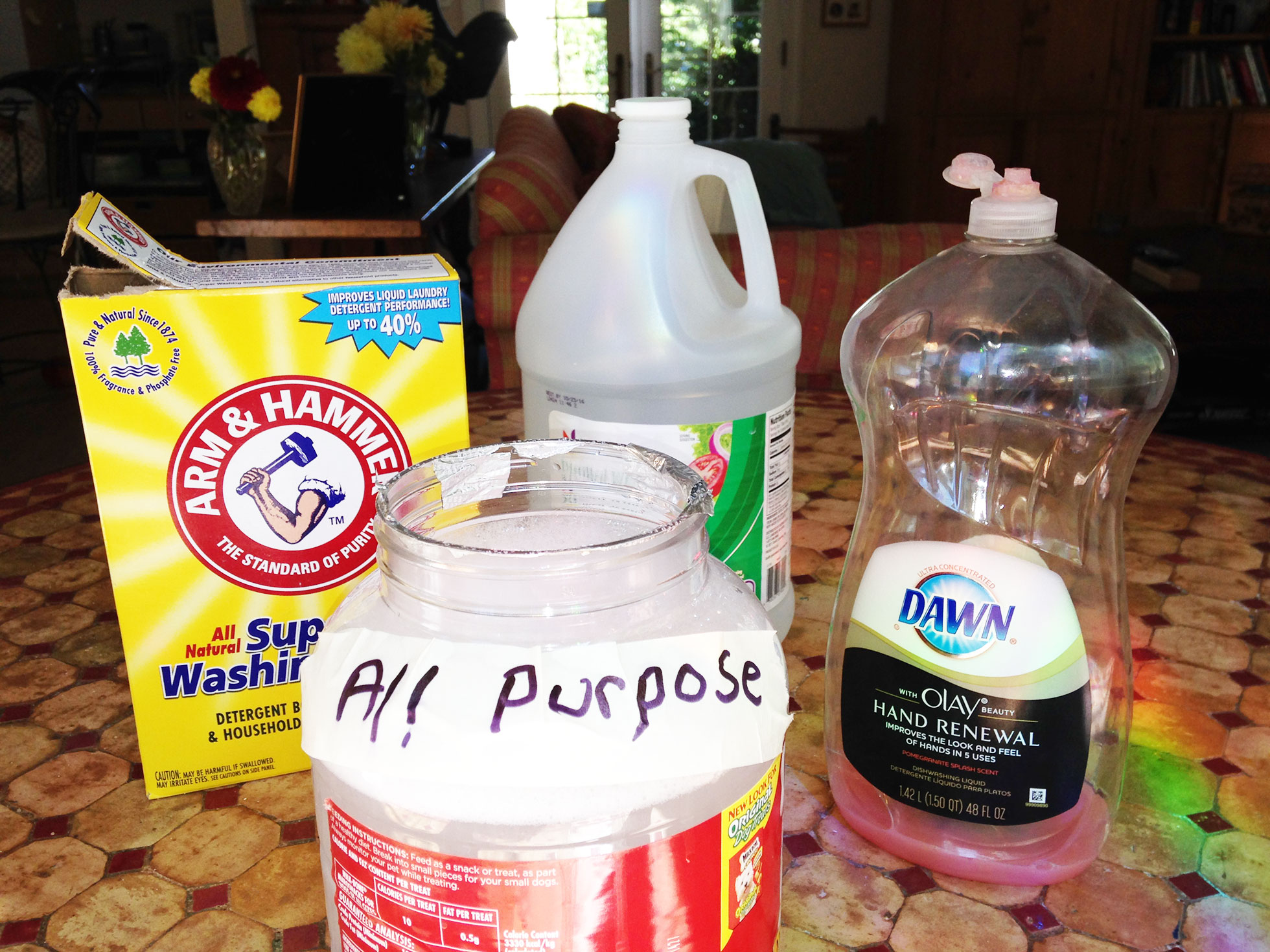
Vinegar is a great option. It’s natural and effective. It can remove dirt and grime. Baking soda is another choice. It helps clean tough spots. Both are safe for vinyl floors. Water is a must. It dilutes the vinegar. This makes a gentle cleaner. Use a spray bottle for easy use. Mix equal parts vinegar and water. Add a bit of baking soda. Shake well before use.
Add lemon juice for a fresh smell. Lemon is natural and pleasant. Essential oils can add fragrance too. Lavender oil is calming. Peppermint oil smells fresh. Use only a few drops. Too much can be strong. Mix oils with vinegar and water. This creates a nice smell. Your floors will be clean and fresh.
Step-by-step Preparation
Creating a homemade vinyl floor cleaner involves mixing natural ingredients like vinegar, water, and essential oils. This eco-friendly solution ensures a clean, shiny floor without harsh chemicals. Follow simple steps for an effective cleaning process.
Gathering Supplies
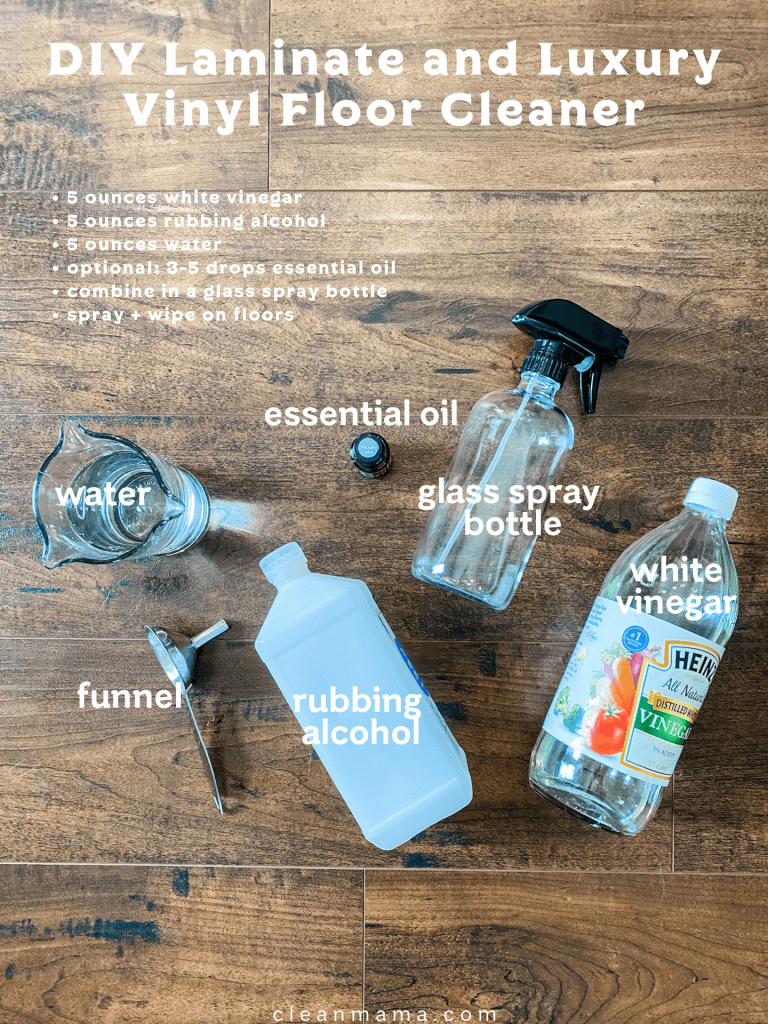
You need a few basic supplies. Get white vinegar and water. Find a spray bottle. Make sure it’s clean. Grab a soft mop or cloth. You’ll need dish soap too. Just a few drops. Gather all these supplies before you start.
Mixing Instructions
Fill the spray bottle halfway with water. Add one cup of white vinegar. Put in two drops of dish soap. Shake the bottle gently. This will mix the ingredients. Now your cleaner is ready to use. Spray it on the floor. Use the mop to clean.

Credit: cleanmama.com
Application Techniques
Start with a clean mop. Wet it with warm water. Add a small amount of vinyl floor cleaner. Wring out the mop until it’s damp, not soaking wet. This prevents water damage. Mop the floor in small sections. Use gentle, back-and-forth motions. Avoid strong scrubbing. This may harm the vinyl. Change the water if it gets dirty. This keeps your floor clean and shiny.
Spills should be cleaned quickly. Use a soft cloth or sponge. Dab the spill gently. Avoid rubbing hard. This may spread the stain. For sticky spots, add a little cleaner. Let it sit for a few seconds. Wipe away with a clean cloth. Rinse the area with plain water. Dry it completely to prevent slipping. Always test new cleaners on a small spot first. This ensures no damage to your floor.
Maintaining Shine
Routine Carehelps keep vinyl floors shiny. Sweep floors every day. This stops dust from dulling the shine. Use a soft broom or vacuum. Wet mops are great for cleaning. Use warm water and mild soap. Avoid harsh chemicals. They can damage your floor. Let the floor dry after cleaning. This keeps it shiny and bright.
Avoiding Common Mistakesis crucial. Never use wax on vinyl floors. It leaves a sticky mess. Do not use abrasive scrubbers. They scratch the surface. Always test cleaners on a small spot. This checks for any damage. Too much water can harm the floor. Mop with a damp cloth. Not soaking wet. Protect your floor with rugs. Especially in high-traffic areas.
Credit: www.houselogic.com
Comparing To Commercial Cleaners
Homemade cleaners offer chemical-free advantagesover commercial options. Many store-bought cleaners contain harsh chemicals. These chemicals can harm the environment. They can also damage your floors. A homemade cleaner is gentle. It uses simple ingredients. Common items like vinegar and water are safe. They are also effective for cleaning.
Chemical-free Advantages
Homemade solutions do not release harmful fumes. Safer for homes with children and pets. They reduce exposure to toxins. This makes them a healthier choice. Families appreciate this benefit. It provides peace of mind.
Performance And Efficiency
Homemade cleaners are easy to make. They clean floors efficiently. They remove dirt and grime. They leave floors shining. Mixing ingredients takes just minutes. This saves time and effort. The process is simple and quick. This makes homemade cleaners convenient.
Frequently Asked Questions
What Ingredients Make A Vinyl Floor Cleaner?
Creating a vinyl floor cleaner is simple. Use water, white vinegar, and a few drops of dish soap. This mixture effectively cleans and shines vinyl floors, removing dirt and grime without harsh chemicals.
Can Vinegar Damage Vinyl Flooring?
Vinegar is safe for vinyl floors when diluted properly. Always mix with water to prevent damage. Undiluted vinegar can harm the finish and reduce shine. Use a balanced solution to protect your flooring.
How Often Should I Clean Vinyl Floors?
Regular cleaning is essential for vinyl floors. Clean them weekly to maintain appearance and durability. Frequent cleaning prevents dirt buildup and keeps your floors looking fresh and new.
Are Homemade Cleaners Effective For Tough Stains?
Homemade cleaners work well on tough stains. Mix baking soda with water to create a paste. Apply to stains and let it sit before scrubbing. This method is effective and gentle on vinyl floors.
Conclusion
Creating your own vinyl floor cleaner is simple and effective. You save money while keeping your floors spotless. Natural ingredients ensure safety for kids and pets. Follow the steps, and enjoy clean, shiny floors. Regular cleaning helps maintain your floor’s beauty.
It’s easy and makes a big difference. Try it today for a fresher home environment. A little effort goes a long way in home care. Happy cleaning!