How Far Should Japanese Maple Be from House?
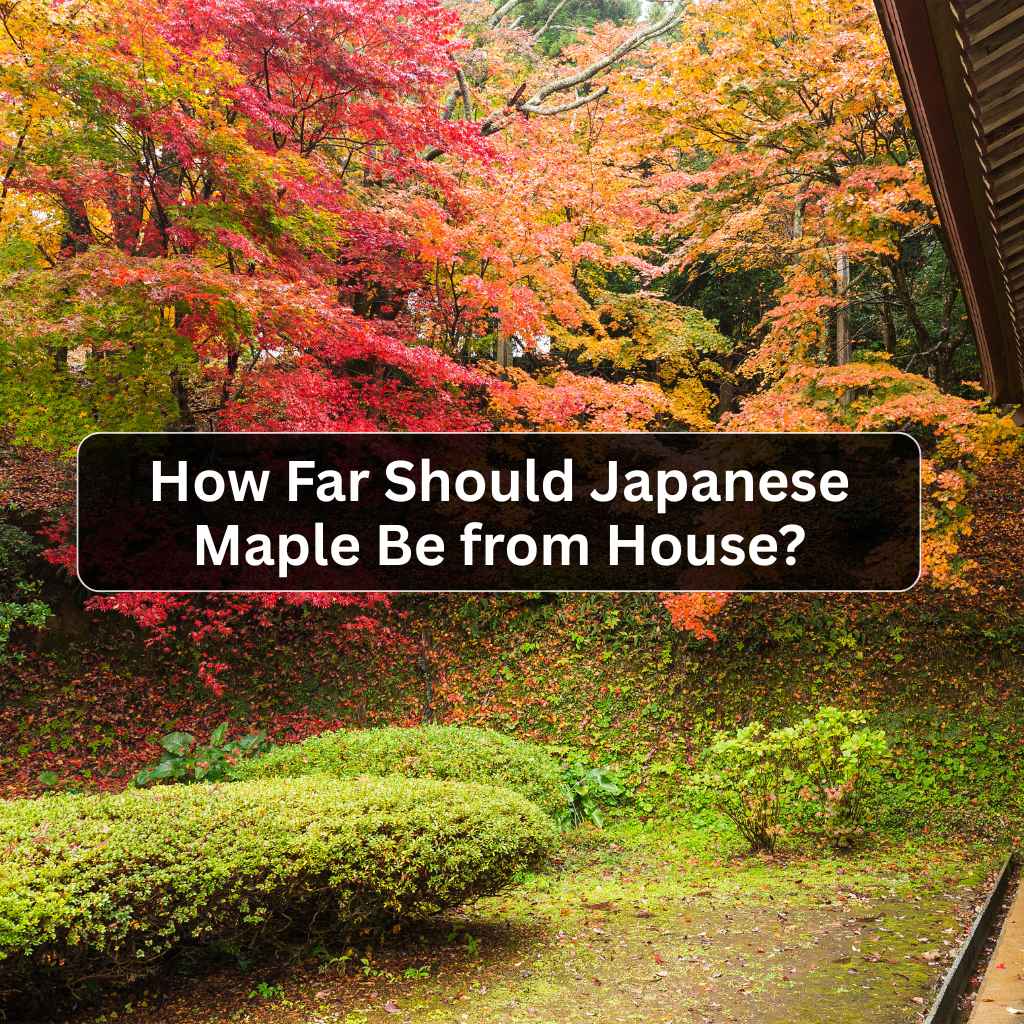
Deciding where to plant a beautiful Japanese maple can sometimes feel tricky, especially if you’re new to gardening. You want it to thrive and look its best, but you’re not sure about the right spot. This common question, How Far Should Japanese Maple Be from House?, pops up a lot.
Don’t worry! We’ll make it super simple and walk through everything you need to know, step by step, so you can pick the perfect place for your tree and enjoy it for years to come.
Understanding Japanese Maple Space Needs
Japanese maples are treasured for their delicate leaves and graceful forms. While they are not massive trees, they do need adequate space to grow properly and avoid problems. Understanding their mature size and growth habits is key to preventing future issues and ensuring they enhance your landscape.
This section will explore the typical growth patterns and space requirements of these popular trees.
Mature Size and Shape
Japanese maples come in many varieties, and their mature sizes can differ greatly. Some might stay as small shrubs, while others can grow into small trees. It’s important to know the specific type you have or are planning to get.
For example, Acer palmatum varieties like ‘Crimson Queen’ or ‘Garnet’ often remain small and weeping, reaching only 6-10 feet tall and wide. In contrast, upright varieties like ‘Bloodgood’ can grow much larger, sometimes reaching 20-25 feet tall and 15-20 feet wide over many years.
The shape of a Japanese maple is also a significant consideration. Many are naturally rounded or vase-shaped, while others cascade gracefully. This natural form influences how much horizontal and vertical space they will occupy.
A weeping variety might spread wider than it grows tall, needing more room at its base. An upright variety will need clearance above and around it as it matures.
- Understanding Variety Differences: Knowing your specific cultivar is vital. Catalog descriptions and plant tags usually provide approximate mature heights and widths. Do not assume all Japanese maples are the same size. Researching your chosen variety will prevent over- or under-estimating its eventual footprint in your garden.
For instance, if you choose a ‘Trompenburg’ Japanese maple, it’s known for its upright, columnar form, reaching up to 15 feet tall but only spreading about 6-8 feet wide. This is very different from a ‘Viridis’ Japanese maple, which might be a similar height but can spread 10-15 feet wide with a more rounded, airy appearance.
Root System Considerations
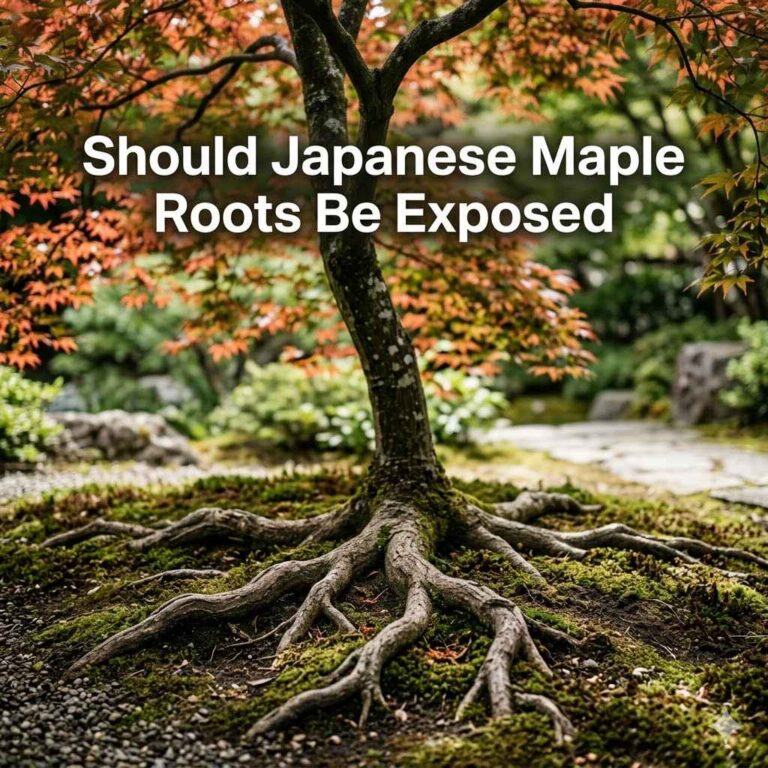
The root system of a Japanese maple is typically fibrous and shallow, spreading outward from the trunk. While they don’t have deep taproots that can interfere with foundations in the same way as some larger trees, the outward spread can still be substantial. This shallow, spreading nature means they appreciate good drainage and don’t like being waterlogged.
It also means they can be sensitive to soil compaction and competition from other plants.
When considering placement near a house, the root system’s lateral spread is more of a concern than its depth. Over time, roots can extend as far as the tree’s canopy, sometimes even further. This is why giving the tree space to grow its roots without being restricted by pavement, walls, or even aggressive neighboring plants is important for its long-term health.
- Root Spread and Soil Health: The roots of a Japanese maple will explore the soil for water and nutrients. A healthy, undisturbed root zone is crucial for a vigorous tree. Planting too close to structures like patios or walkways can restrict this spread and lead to weaker root development.
Consider that for a tree that might eventually spread 15 feet wide, its root system will likely extend at least that far, if not more. This means the area around the trunk needs to be free of major obstructions for a radius of 15 feet or more. This also helps in managing soil moisture and nutrient availability for the tree.
Factors Influencing Planting Distance
Several environmental and aesthetic factors play a role in determining the ideal distance between your Japanese maple and your house. These aren’t just about the tree’s physical needs but also about how it will interact with your home and its surroundings over time. Thinking about these elements now will save you headaches later and ensure your tree becomes a beautiful, harmonious addition to your property.
Sunlight and Shade Patterns
Japanese maples, especially those with delicate, lace-leaf foliage, can be susceptible to sun scorch. Direct, intense afternoon sun can damage their leaves, causing them to brown and curl. Therefore, the amount of direct sunlight your house casts on a potential planting spot throughout the day and year is crucial.
If a spot receives full, harsh afternoon sun, you’ll need to plant the maple further from the house to benefit from any shade the house provides in the morning or late afternoon. Alternatively, if the spot is under the canopy of a larger, established tree, you might be able to plant it closer. Observing how the sun moves across your property is a simple but effective way to assess this factor.
- Sunlight Exposure Assessment: Spend a full day observing the sunlight patterns in the area you are considering. Note when direct sun hits the spot and for how long. This will help you determine if the location offers dappled shade, morning sun with afternoon shade, or harsh, prolonged afternoon sun.
For example, if your house has a large overhang that shades the east side of your yard until noon, and the west side gets intense afternoon sun, planting on the east side might allow for closer placement than on the west side. A tree needing dappled shade might thrive 10 feet from a house that offers partial shade, but struggle if it’s only 5 feet away and exposed to full sun.
Water Drainage and Foundation Protection
Proper drainage is vital for Japanese maples. They do not like sitting in soggy soil, which can lead to root rot. Planting too close to a house can sometimes exacerbate drainage issues, especially if the ground slopes towards the foundation or if there are underground downspout extensions or drainage systems nearby.
You want to ensure water drains away from both the tree’s roots and your house’s foundation.
While Japanese maple roots are not typically considered invasive to foundations like some large trees, planting too close could potentially direct water flow towards the foundation during heavy rains. It’s always good practice to maintain a clear space between any significant planting and the foundation to allow for proper drainage and air circulation.
- Drainage Best Practices: Ensure the planting area has good soil drainage. If the soil is heavy clay, consider amending it with compost to improve aeration and drainage. Planting on a slight slope away from the house is ideal.
A common scenario is a house with a concrete foundation and no dedicated drainage system around it. In such cases, even a shallow-rooted tree planted too near could, over time, contribute to water saturation near the foundation during prolonged rainy periods. A buffer of at least 5-10 feet provides a good safety margin for drainage.
Aesthetic Integration and Visual Appeal
Beyond practical needs, how the Japanese maple looks in relation to your house is important. You want the tree to be a beautiful focal point, not something that looks crammed or out of place. Consider the scale of your house and yard.
A tiny tree right against a large wall might look insignificant, while a large tree planted too close could overwhelm a smaller home.
Think about how the tree’s shape, color, and seasonal changes will complement your home’s architecture and landscaping. Planting it at a distance that allows its full form to be appreciated, perhaps with a path leading to it or a seating area nearby, can significantly enhance its impact.
- Creating a Focal Point: Position the tree where its beauty can be fully appreciated from key vantage points, like from your windows or patio. Consider how its fall color will look against your home’s exterior.
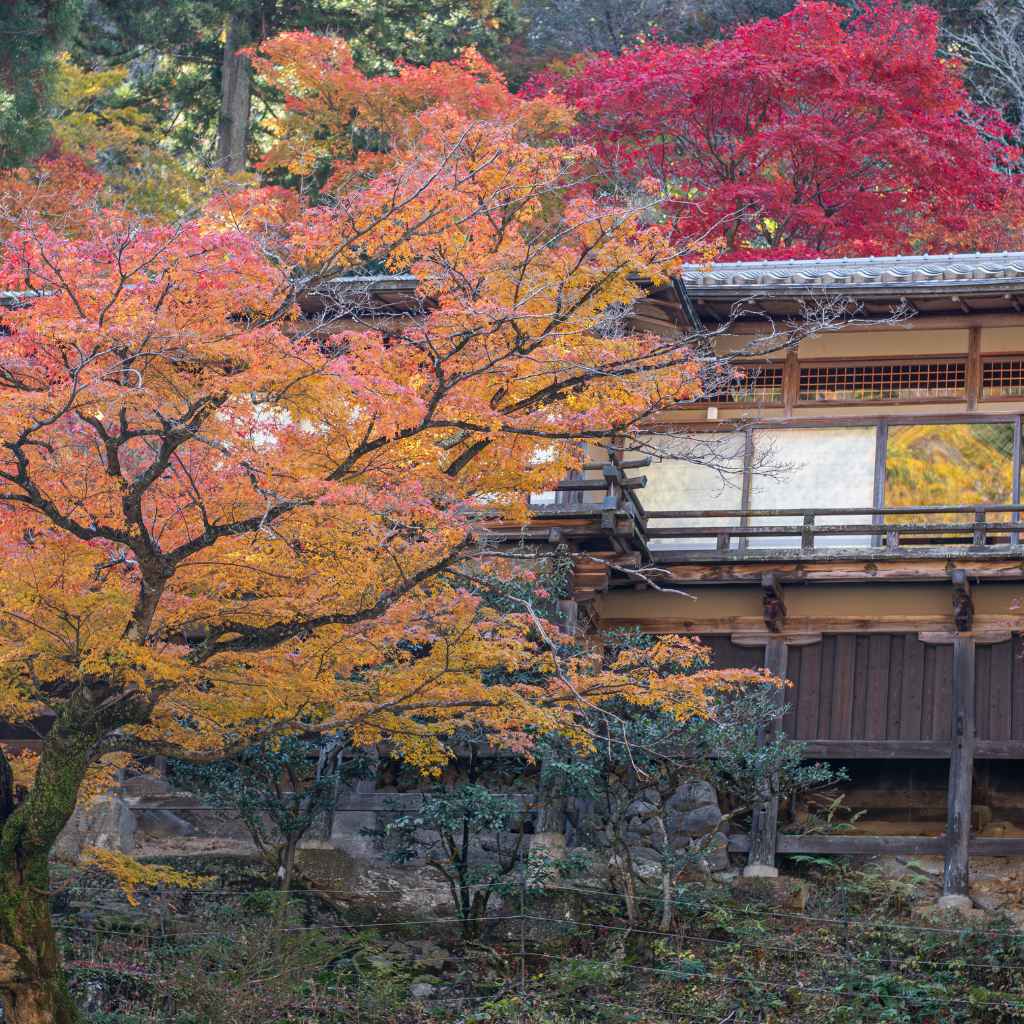
For example, imagine a vibrant red Japanese maple with a cascading habit. Planting it on a slight rise about 15 feet from a light-colored house with a dark roof allows its form and color to stand out dramatically against the backdrop. It creates a living sculpture that draws the eye without feeling encroached upon.
Future Growth and Maintenance Access
It’s easy to plant a young tree and forget about its future size. A Japanese maple that seems small today will grow. You need to plan for its mature dimensions.
This includes space for its canopy to spread without touching the house, and room for its trunk to thicken. Also, consider access for future maintenance, such as pruning or occasional mulching.
If the tree is too close, pruning to keep it away from the house can be difficult and might result in an unnatural shape. Having a reasonable buffer zone ensures you can easily reach the tree without stepping onto delicate landscaping or needing to bring large ladders close to the house walls.
- Planning for Pruning: Leave enough space for comfortable pruning. You should be able to reach the canopy from the ground or with a small ladder without scraping against the house. Aim for a distance that allows branches to be trimmed back without awkward angles or needing to cut extensively into the tree.
A common mistake is planting a 5-foot Japanese maple only 3 feet from the house. Fast forward 10 years, and it might be 15 feet wide and touching the walls, requiring frequent, often unsightly, pruning. Planning for 10-15 feet of clearance from the start avoids this problem and keeps the tree looking its best.
Recommended Distances and Best Practices
So, what’s the magic number for how far to plant your Japanese maple from your house? While there’s no single answer that fits every situation, there are general guidelines and best practices that can help you make the right decision for your specific needs and conditions. These recommendations aim to balance the tree’s health, your home’s integrity, and the overall aesthetic appeal.
General Rule of Thumb
As a general rule of thumb, planting a Japanese maple at least 10-15 feet away from your house is a good starting point for most varieties. This distance provides adequate space for the tree’s mature canopy and root system to develop without interfering with the building’s structure or requiring excessive pruning to keep it in check.
This range allows for most upright and many weeping varieties to reach a significant portion of their mature size without issue. It also provides a reasonable buffer for sunlight, drainage, and access. For very large, spreading varieties, you might even consider a slightly greater distance, perhaps 15-20 feet, especially if they are planted in a location that receives intense sun.
- Balancing Act: The 10-15 foot rule is a safe average that accommodates many common scenarios. It’s a distance that generally keeps roots away from foundations and allows branches to develop naturally.
For instance, if you have a standard ‘Bloodgood’ Japanese maple that might reach 20 feet in height and 15 feet in width, planting it 15 feet from the house ensures that even at maturity, the outermost branches will still be at least 5 feet away from the wall. This provides good clearance.
Considering Mature Canopy Width
The most critical factor in determining distance is the mature canopy width of your specific Japanese maple cultivar. You want to ensure that even when the tree is fully grown, its branches will not touch or overhang the house. A good practice is to look at the stated mature width and add a few extra feet for good measure.
For example, if a Japanese maple cultivar is listed as reaching 12 feet in width, planting it 15 feet away provides that extra buffer. If it’s a more compact variety that only reaches 6-8 feet wide, planting it 10 feet away would be sufficient. Always err on the side of giving it more space than you think it needs, as trees often surprise us with their growth.
- Canopy Width Calculation: Take the mature width of your tree and add at least 3-5 feet for a safety margin. This ensures that minor variations in growth and minor pruning inaccuracies won’t lead to branches brushing against your house.
Consider a laceleaf Japanese maple cultivar like ‘Tamukeyama,’ which typically matures to about 8 feet wide and 8 feet tall. Planting it 12 feet from the house would give its delicate foliage ample room to cascade without encroaching on the building. A distance of 15 feet would be even more generous.
Specific Variety Examples
Let’s look at a few common Japanese maple types and their recommended planting distances from a house:
- ‘Bloodgood’: An upright, vigorous grower, often reaching 20-25 feet tall and 15-20 feet wide. Recommended distance: 15-20 feet from the house.
- ‘Crimson Queen’: A popular weeping variety, typically growing 6-10 feet tall and 8-12 feet wide. Recommended distance: 10-15 feet from the house.
- ‘Viridis’: A graceful, finely dissected weeping variety, often reaching 10-15 feet tall and 15-20 feet wide. Recommended distance: 15-20 feet from the house.
- ‘Twisted Leaf’ (Kiyohime): A dwarf variety, usually staying under 5-7 feet tall and wide. Recommended distance: 5-8 feet from the house, ensuring it doesn’t overshadow other plantings.
These examples highlight how variety-specific mature sizes dictate planting distance. A dwarf variety can be placed much closer than a large upright or spreading type. It’s always best to confirm the specific dimensions for the cultivar you choose.
Working with Existing Structures
Sometimes, you might be working with limited space or existing structures like patios, decks, or walkways. In such cases, careful planning is even more critical. You might need to select a more compact dwarf variety or position the tree strategically to avoid future conflicts.
If planting near a patio, ensure the roots have enough space to spread without lifting pavers. If planting near a deck, consider the height of the deck and how the tree will eventually grow above or around it. For smaller spaces, espaliering a Japanese maple against a wall or fence can be an option, but this requires specialized pruning techniques and may not be suitable for all varieties.
- Dwarf Varieties for Tight Spaces: If you have a small yard or limited space near your house, consider dwarf or slow-growing Japanese maple cultivars. These are bred to remain small and are ideal for foundation plantings or smaller garden areas.
For instance, a common challenge is a narrow side yard between two houses. A dwarf Japanese maple like ‘Shishigashira,’ which stays relatively compact and dense, might be suitable if planted 5-7 feet from the house, provided there’s good drainage and light. This allows for some aesthetic appeal without the risk of overgrowth.
Troubleshooting Common Issues
Even with careful planning, sometimes issues can arise with Japanese maples planted too close to homes. Understanding these potential problems can help you prevent them or address them if they occur. Early detection and intervention are key to keeping your tree healthy and your home safe.
Root Intrusion and Foundation Concerns
While not as aggressive as some other tree species, large Japanese maples can, over many decades, potentially have their roots extend towards and even under foundations if drainage and soil conditions are favorable. More commonly, root systems close to foundations can interfere with surface drainage, directing water flow towards the house, which can lead to moisture problems in basements or crawl spaces.
The primary concern is not typically the roots breaking into walls, but rather the impact on soil moisture around the foundation. It’s crucial to maintain a healthy zone of well-draining soil between the tree and the house to prevent water buildup. Regular inspection of the area around the foundation for any signs of unusual moisture is advisable.
- Monitoring Foundation Area: Periodically check the soil moisture levels around your foundation where the Japanese maple is planted. If you notice persistent dampness, especially after rain, consider improving drainage or, if the tree is very close, consult with a professional.
A scenario might involve a Japanese maple planted 5 feet from a basement wall. Over 30 years, its shallow roots could contribute to water pooling near the foundation, especially if the ground slopes towards the house. This can lead to efflorescence on the foundation walls or even dampness inside the basement.
Branch Interference and Damage
Branches that grow too close to the house can cause several problems. They can rub against siding, paint, or even windows, causing physical damage. Over time, this friction can wear away protective coatings, leading to exposed wood that is vulnerable to rot and pests.
In windy conditions, branches can bang against the house, creating noise and potential damage.
Furthermore, branches growing too close can impede airflow and sunlight to parts of your house’s exterior, potentially encouraging mold or mildew growth on the siding. It also makes it more difficult to clean gutters or paint the house exterior. Regular pruning is the best way to manage this, but it’s easier and more effective if you’ve allowed ample space from the start.
- Preventing Abrasion: Keep branches from touching or rubbing against your house. This prevents physical damage to both the tree and your home’s exterior. Strategic pruning is key, but ample initial spacing makes this task much simpler.
Imagine a Japanese maple with long, sweeping branches planted only 4 feet from a wooden-sided house. As the tree grows, these branches will inevitably brush against the siding during breezes. This can scrape paint, expose wood, and eventually lead to rot if not addressed promptly through pruning.
Shade and Overgrowth Issues
While some shade can be beneficial, especially in hot climates, excessive shade from a tree planted too close can be problematic. It can darken rooms permanently, making them feel gloomy and increasing reliance on artificial lighting. It can also prevent sunlight from reaching other desirable plants in your garden that might need it.
Overgrowth is a direct consequence of poor spacing. A tree that has grown too large for its location will look crowded and unnatural. It may require aggressive pruning to keep it in bounds, which can spoil its beautiful form and potentially weaken the tree.
This often leads to a cycle of constant trimming.
- Optimizing Light and Space: Ensure the tree provides the right amount of shade without blocking too much light from your home or other garden features. Adequate spacing allows the tree to display its natural form beautifully without becoming overgrown.
For example, a Japanese maple planted too close to a north-facing window might cast it into perpetual twilight. This is not only aesthetically unpleasing but also reduces the amount of natural light inside, impacting the interior atmosphere. A distance of 10-15 feet would likely allow some dappled light to still reach the window.
Pest and Disease Considerations
While not directly caused by proximity to a house, planting too densely can sometimes contribute to pest and disease issues. Poor air circulation around a tree planted too close to a structure can create conditions favorable for certain fungal diseases. Also, dense foliage can hide signs of insect infestations, allowing them to spread before being noticed.
Ensuring adequate space for air circulation and regular inspection of the tree’s health are vital. A healthy tree, properly sited, is more resilient to pests and diseases. Giving your Japanese maple enough room helps it maintain vigorous growth, which is its best defense.
- Promoting Airflow: Good spacing between the tree and the house, as well as between the tree and other nearby plants, promotes healthy air circulation. This helps to dry foliage quickly after rain or dew, reducing the risk of fungal diseases.
If a Japanese maple is planted very close to a wall, especially on the shady side of the house, the leaves might remain damp for longer periods. This dampness can encourage the development of common fungal issues like powdery mildew or anthracnose, which are less likely to take hold on a tree with good air movement and sun exposure.
Conclusion
Choosing the right spot for your Japanese maple is simple when you think about its mature size and needs. Aim for about 10-15 feet from your house for most types. This distance keeps roots and branches happy and healthy.
It also lets you enjoy your tree’s beauty without worry. Pick a good location, give it space, and your Japanese maple will be a stunning addition for years.
Frequently Asked Questions
Question: Can Japanese maples be planted right next to a house?
Answer: It is generally not recommended to plant Japanese maples right next to a house. While they are not aggressive rooters like some larger trees, they still need adequate space for their mature canopy and root system to develop. Planting too close can lead to issues with branches touching the house, potential water drainage problems near the foundation, and can restrict the tree’s natural growth habit.
Question: How close can a dwarf Japanese maple be planted to a house?
Answer: Dwarf Japanese maples, which grow much slower and stay smaller, can be planted closer than larger varieties. For most dwarf types, a distance of 5-8 feet from the house is usually sufficient. Always check the specific mature size of the dwarf cultivar to ensure it will not eventually outgrow this space.
Question: Will Japanese maple roots damage my house foundation?
Answer: Japanese maple roots are typically shallow and fibrous and are not known for aggressively breaking into foundations like some larger, deeper-rooted trees. However, planting too close could potentially affect drainage near the foundation over a long period, or if the foundation has existing weaknesses.
Question: What is the best direction to plant a Japanese maple near a house?
Answer: The best direction depends on your climate and the specific needs of the Japanese maple variety. In hot, sunny climates, planting on the east side of the house is often ideal, as it will receive morning sun and be shaded from the intense afternoon sun by the house. In cooler climates, they may tolerate more sun, but direct afternoon sun should still be monitored.
Question: How much space do Japanese maples need to grow without pruning?
Answer: To grow without needing significant pruning to keep them away from a house, most Japanese maples require a space that accommodates their mature canopy width. This typically means allowing at least 10-15 feet of clearance from structures for common varieties, and potentially more for larger types.