Exterior Paint vs Interior Paint: What Actually Differs
Exterior paint uses softer, flexible acrylic resins that expand and contract with weather, while interior paint relies on harder resins built to resist scrubbing — the two aren’t interchangeable unless a product is labeled for both. Federal rules cap VOCs at up to 380 g/L for exterior versus 100–250 g/L for interior, and interior paint used outdoors typically chalks within a year. This guide covers resin chemistry, VOC limits, durability, and real cost differences.
Insert your Affiliate Disclosure reusable block here
Quick Answer
Exterior paint uses flexible, UV-blocking resins and mildewcide additives so it can expand and contract with weather without cracking. Interior paint uses harder, low-VOC resins built for washability indoors. Never substitute one for the other — interior paint chalks and peels outdoors within a year, and exterior paint’s higher VOCs and stronger odor make it a poor choice for indoor rooms.
What Actually Makes Exterior and Interior Paint Different
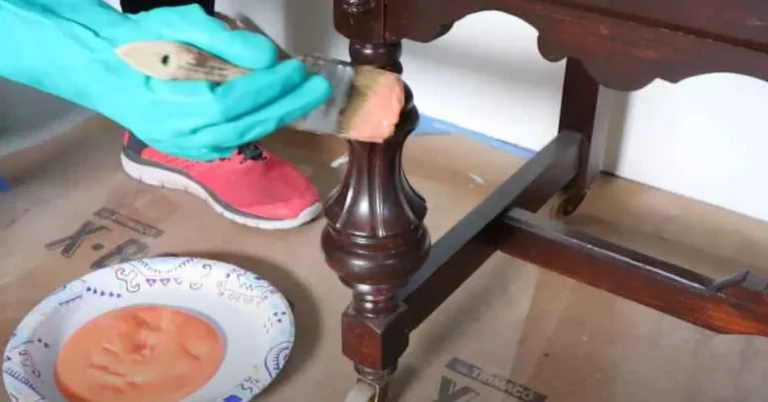
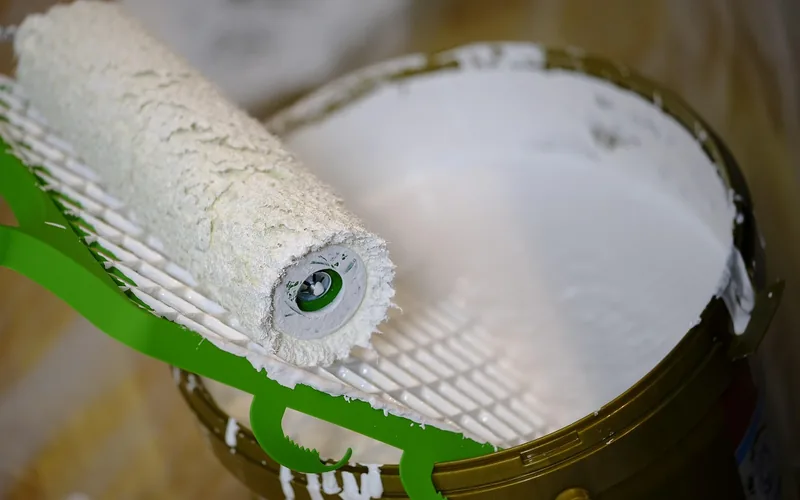
Exterior paint is a weather-grade coating built with flexible acrylic or elastomeric resins, UV blockers, and mildewcides so it survives sun, rain, and temperature swings without cracking or fading. It is not built for washability or low odor, which is exactly why it makes a poor substitute indoors. Interior paint is the opposite: a harder, low-VOC coating optimized for scrubbing, stain resistance, and quick indoor drying, with none of the weatherproofing additives exterior walls need. For a related decision on wood surfaces specifically, see our guide on what kind of paint to use on wood.
Binders and Resins
Exterior paint typically uses 100% acrylic or elastomeric acrylic resin — a softer, more flexible binder that lets the paint film expand and contract as wood siding and trim swell and shrink with humidity and temperature. Interior paint uses harder acrylic latex or vinyl acrylic resins that resist scuffing and burnishing when walls are scrubbed or furniture rubs against them — but that same rigidity is why interior paint cracks outdoors within a single winter instead of flexing with the substrate.
Pigments and Additives
Exterior formulas load in more titanium dioxide for UV resistance, plus mildewcides and algaecides that fight mold and mildew growth in damp climates. Interior paint skips those additives — they add cost and a slight odor that isn’t worth it indoors — and instead prioritizes pigments and resins that resist yellowing under indoor lighting and stay easy to wipe clean.
| Factor | Exterior Paint | Interior Paint |
|---|---|---|
| Resin type | Flexible acrylic / elastomeric acrylic | Rigid acrylic latex / vinyl acrylic |
| Federal VOC limit | Up to 380 g/L (non-flat) | 100–250 g/L |
| Key additives | UV blockers, mildewcides, algaecides | Stain blockers, low-odor resins |
| Best for | Siding, trim, decks, fences | Walls, ceilings, indoor trim |
Durability and Weather Resistance
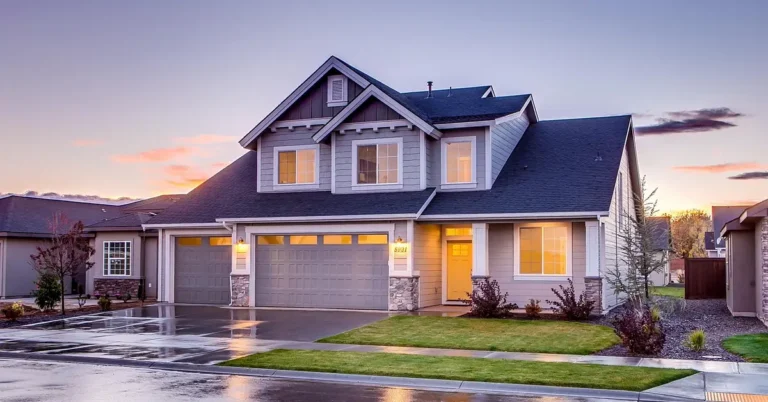
Exterior paint is engineered to survive years of direct sun, rain, freeze-thaw cycling, and temperature swings that can exceed 100°F between winter and summer — its flexible resin keeps the film from cracking as the substrate expands and contracts. Interior paint never faces that stress; instead, its harder resin resists scuffs, fingerprints, and the scrubbing that comes with cleaning a wall. Put interior paint outside and UV breakdown alone typically causes visible chalking and fading within a single year, well before a comparable exterior product would show wear.
📊 A properly prepped exterior paint job typically lasts 5–10 years, while interior wall paint in normal-traffic rooms lasts 10–15 years since it never faces UV, rain, or freeze-thaw cycling — Source: Today’s Homeowner, 2026

“In more than a decade of finishing decks, fences, and exterior trim, the same mistake sinks a project every time: leftover interior wall paint used on an outdoor rail looks fine for a season, then chalks and starts peeling before the next summer. If a can doesn’t say ‘exterior’ on the label, it doesn’t go outside.”
Application Techniques and Temperature Range
Exterior paint is designed to withstand weather elements, while interior paint focuses on aesthetics and ease of cleaning indoors. Formulations differ enough that surface prep, tools, and even the outdoor temperature at application time all change what “doing it right” looks like.
Surface Preparation
Interior paint needs a clean, smooth surface — most walls just need a wipe-down with soap and water before rolling. Exterior paint requires more work: scrape off old paint and dirt, power-wash siding that has mildew or chalking, and sand rough spots so the new coat bonds instead of peeling within a season.
Tools and Equipment
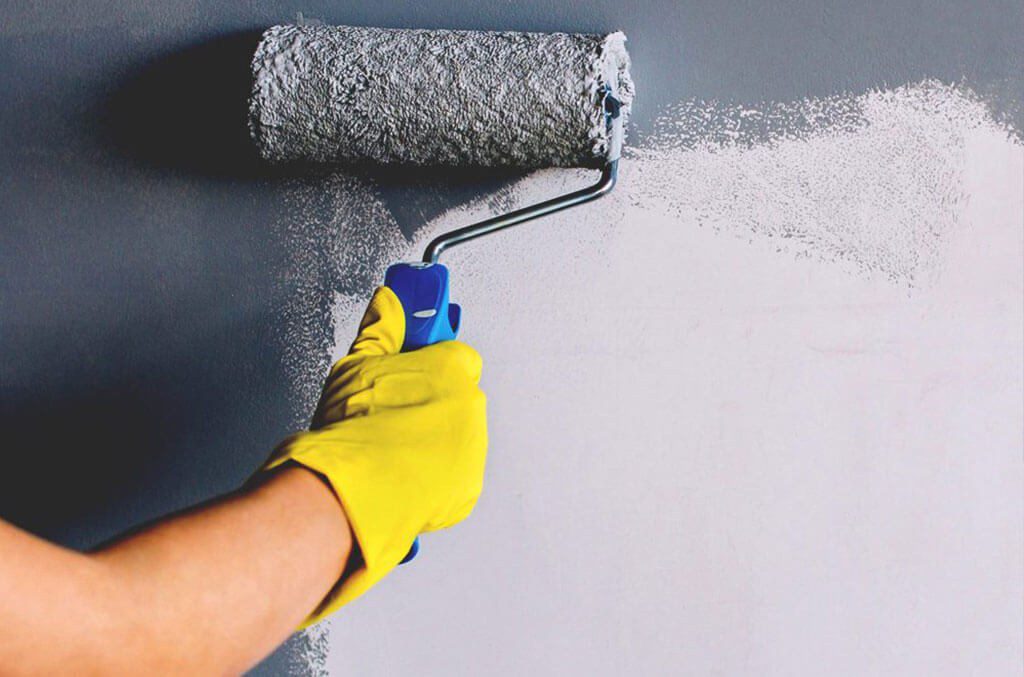
For interior painting, rollers and brushes cover large wall areas quickly, with small brushes for corners and trim. Exterior painting often calls for stronger tools: a paint sprayer speeds up large siding runs, extension poles and ladders reach upper stories safely, and a thicker-nap roller is needed for textured stucco or wood siding.
Best Application Temperature
Interior acrylic latex paint dries best between 50°F and 85°F, with 65–85°F giving the smoothest cure since the latex particles need warmth to coalesce properly. Exterior acrylic and elastomeric coatings tolerate a wider range — roughly 40°F to 90°F — but the surface itself must stay at least 5°F above the dew point and out of direct sun on hot days, or the film can skin over before it fully cures.
VOC Levels and Environmental Impact
Exterior paint withstands weather by using stronger chemistry, and that chemistry comes with a real air-quality tradeoff indoors. Interior paint is formulated the opposite way — for cleaner indoor air, not maximum weather resistance.
VOC Limits by Paint Type
Interior paints generally carry lower VOC levels because indoor air has nowhere to vent those chemicals quickly. Exterior paints are allowed higher VOC content since the fumes disperse outdoors, and those extra compounds help the film cure into a tougher, more weather-resistant surface.
📊 Federal rules cap VOCs at 380 g/L for non-flat exterior paint versus 100–250 g/L for interior paint, and California’s CARB standard is stricter still at 100–150 g/L — Source: EPA Architectural Coatings VOC Rule
Eco-Friendly Options
Many brands now sell low- and zero-VOC lines for both interior and exterior use. As a rule of thumb, “zero-VOC” means under 5 g/L and “low-VOC” means roughly 50–150 g/L. Zero-VOC exterior formulas exist but are less common and usually cost more, since the mildewcides and UV blockers that make exterior paint durable are harder to formulate without raising VOC content.
Cost Differences
Exterior paint generally costs more than interior paint — expect roughly $30 to $80 per gallon for exterior versus $20 to $60 per gallon for interior, with premium exterior lines running $100 or more. The gap comes down to formulation: the UV stabilizers, mildewcides, and flexible resins that let exterior paint survive weather simply cost more to manufacture than the resins in a standard interior wall paint.
Quality exterior paint can still save money over time, since a longer-lasting coat means fewer repaints. If you’re comparing specific paint lines rather than just interior versus exterior, our Benjamin Moore vs. Sherwin-Williams comparison breaks down pricing by product tier.
Aesthetic and Finish Choices
Interior paint offers a wider range of finishes for style — flat and eggshell are common on walls, semi-gloss and gloss on trim. Exterior paint leans toward finishes chosen for durability first: satin and semi-gloss dominate because higher sheens resist moisture better, while flat or matte is reserved for masonry and stucco where hiding texture matters more than shine. For a full breakdown of which sheen fits which exterior surface, see our guide on what paint finish to use for exterior surfaces.
Texture follows the same logic. Interior paint often goes on smooth for an easy-to-clean look, while exterior paint can carry a slightly rougher texture that hides minor surface imperfections in siding or masonry. For more on choosing and prepping wood paint in general, browse our full paints and finishing guides.
Frequently Asked Questions
What Are the Main Components of Exterior Paint?
Exterior paint is formulated with flexible acrylic or elastomeric resins, UV blockers, and mildewcides to prevent mold growth. These components let the paint expand and contract with temperature swings and resist the sun, rain, and humidity that break down ordinary indoor paint within a season.
Can You Use Interior Paint Outside?
No. Interior paint lacks the UV blockers and mildewcides needed to endure outdoor conditions. It typically fades, chalks, or peels within a year when exposed to sun and rain, since its harder resin can’t flex with the substrate the way exterior paint can.
Can You Use Exterior Paint Indoors?
It’s not recommended. Exterior paint carries higher VOC levels — up to 380 g/L versus 100–250 g/L for interior paint — so it off-gasses more and produces a stronger, longer-lasting odor in an enclosed room. Save it for surfaces that are actually exposed to weather.
Why Is Interior Paint Not Suitable for Exteriors?
Interior paint’s rigid resin is built for scrub resistance, not flexibility, so it cracks as wood siding and trim expand and contract with the weather. It also lacks UV blockers and mildewcides, leaving it prone to fading, chalking, and mold in damp climates.
Is Exterior Paint More Durable Than Interior Paint?
Yes, against weather specifically. Exterior paint is designed to withstand rain, sunlight, and temperature swings that interior paint never has to face. Interior paint, in turn, is more resistant to scrubbing and stains — each type is “more durable” only within its own environment.
Why Does Exterior Paint Cost More Than Interior Paint?
Exterior paint costs roughly $30–$80 per gallon versus $20–$60 for interior paint because of what’s mixed into it: UV stabilizers, mildewcides, and flexible resins all add manufacturing cost. That higher price usually pays for itself through fewer repaints over the paint’s lifespan.
How Long Does Exterior Paint Last Compared to Interior Paint?
A properly applied exterior paint job typically lasts 5–10 years, while interior wall paint in a normal-traffic room lasts 10–15 years. Interior paint lasts longer only because it never faces UV exposure, rain, or freeze-thaw cycling the way an exterior wall does.
Conclusion
Exterior and interior paint are engineered for opposite jobs: one flexes and fights weather, the other resists scrubbing and stays low-VOC for everyday indoor living. Match the paint to where it’s actually going — not just the color you want — and check the can’s VOC rating and resin type before buying, since those two numbers predict how long the job will actually last.
Sponsored / affiliate links. As an Amazon Associate I earn from qualifying purchases. I may earn additional commission from eligible campaigns.