How Much Does a Gallon of Paint Weigh? (6-14 lbs Explained)
When it comes to painting, whether it’s for a DIY project or a professional job, the weight of the paint is an important factor to consider. Knowing how much a gallon of paint weighs can help with transportation, storage, and estimating project costs. In this article, we will explore the factors that affect the weight of a gallon of paint.

The Basics of Paint Weight
A gallon of paint is a common unit of measurement used in the paint industry. Different types of paint, such as water-based latex paint and oil-based paint, have different weights due to their varying compositions. On average, a gallon of paint can weigh anywhere between 6 to 14 pounds (2.7 to 6.4 kilograms).
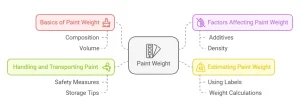
Factors Affecting Paint Weight
The weight of a gallon of paint can vary based on several factors:
| Factor | Description |
|---|---|
| Type of Paint | The type of paint, such as latex or oil-based, affects its weight. Oil-based paints tend to be heavier compared to water-based latex paints. |
| Brand and Quality | Different paint brands and quality levels have varying formulas and ingredients, which can impact the weight. |
| Additives | Some paints may contain additives such as colorants, biocides, or thickeners, which can contribute to the overall weight. |
| Sheen | The level of sheen or gloss in the paint can affect the weight. Glossy paints tend to be heavier than flat or matte finishes. |
Estimating Paint Weight
While knowing the average weight of a gallon of paint is helpful, it’s essential to estimate the weight for your specific project. Here’s a simple formula to estimate the weight of paint:
Paint Weight = Volume of Paint (in gallons) x Weight per Gallon
To accurately estimate the weight, you’ll need to know the volume of paint you need for your project and the specific weight per gallon for the type of paint you are using. This information is typically provided on the paint can label or the manufacturer’s website.
Weight by Paint Type (Quick Reference)
| Paint Type | Approximate Weight per Gallon |
|---|---|
| Latex/water-based wall paint | ~10-11 lbs (4.5-5 kg) |
| Oil-based (alkyd) paint | ~11-13 lbs (5-5.9 kg) |
| Primer | ~10-12 lbs (4.5-5.4 kg) |
| Chalk/mineral paint | ~9-10 lbs (4-4.5 kg) |
| Epoxy/floor coating (mixed) | ~12-14 lbs (5.4-6.4 kg) |
| Spray paint equivalent (per gallon basis) | ~6-8 lbs (2.7-3.6 kg) |
These figures are general industry approximations; always check the technical data sheet for your exact product, since pigment load and additives shift the number in either direction.
How Many Gallons Weigh 50 Pounds?
Using the average 10-11 lb-per-gallon figure for standard latex paint, roughly 4.5 to 5 gallons of paint weighs about 50 pounds. This kind of quick math matters when you are calculating shipping costs, checking a moving truck’s weight limit, or figuring out how many cans you can carry safely in one trip up a ladder or staircase.
Common Mistakes When Estimating Paint Weight
- Assuming all paint weighs the same regardless of type — oil-based and epoxy products can be 20-30% heavier than standard latex.
- Forgetting to add the container weight (an empty metal gallon can typically weighs about 1-1.5 lbs) when calculating total shipped weight.
- Using the weight of a full, unopened can to estimate a partially used can’s weight without accounting for what has already been used.
- Ignoring that a 5-gallon bucket does not simply weigh 5x a 1-gallon can once the heavier plastic pail itself is factored in.
Frequently Asked Questions
How much does a 5-gallon bucket of paint weigh?
A 5-gallon bucket of standard latex paint typically weighs 55-65 lbs total (roughly 50-55 lbs of paint plus 5-8 lbs for the plastic bucket and lid), though this varies by paint type and manufacturer.
Is oil-based paint heavier than latex paint?
Yes, oil-based (alkyd) paints are generally a bit heavier per gallon than water-based latex paints due to differences in solvent and resin density.
Does paint get lighter as it dries?
Yes — a significant portion of a can’s wet weight is water or solvent that evaporates during drying and curing, so the final dry film is much lighter than the wet paint that was applied.
Why does paint weight matter for shipping?
Freight carriers price by weight and by hazardous-material classification. Oil-based and some specialty coatings can trigger different shipping rules than water-based latex paint, so accurate weight estimates avoid surprise fees or shipment delays.
Whether you’re transporting paint from the store or moving it around during a painting project, it’s important to handle it with care. Here are some tips:
- Securely tighten the paint can lid to avoid spills and leaks.
- Store paint cans in an upright position to prevent accidental opening.
- If transporting paint, place the paint cans in a sturdy box or container and secure them to prevent shifting.
- Avoid exposing paint cans to extreme temperatures, as it can affect the consistency and quality of the paint.
- Dispose of empty or unused paint cans according to local regulations.
Why Paint Density Varies
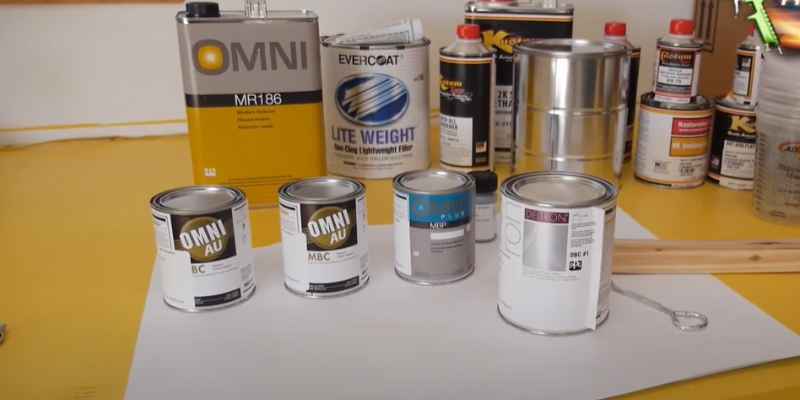
Paint weight is really a measure of density (mass per volume), and density shifts with the ratio of pigment, resin/binder, water or solvent, and additives in the formula. Higher-hiding, more heavily pigmented paints (like deep-base colors requiring more tint) tend to weigh slightly more than a thin, lightly pigmented white. This is also why two gallons of the “same” paint in different sheens (flat vs. semi-gloss) can weigh a few ounces differently — sheen additives change the resin-to-filler ratio.
Conclusion
Understanding the weight of a gallon of paint is beneficial for various reasons, such as estimating project costs, ensuring proper handling, and transportation. Keep in mind that while the average weight of a gallon of paint falls within a specific range, it can vary based on the type of paint, brand, additives, and sheen. By considering these factors and estimating the paint weight accurately, you can successfully plan and execute your painting projects. Whether you’re budgeting freight costs for a contractor job or simply deciding how many cans to carry up a ladder, a quick reference table beats guessing every time.
Sponsored / affiliate links. As an Amazon Associate I earn from qualifying purchases. I may earn additional commission from eligible campaigns.