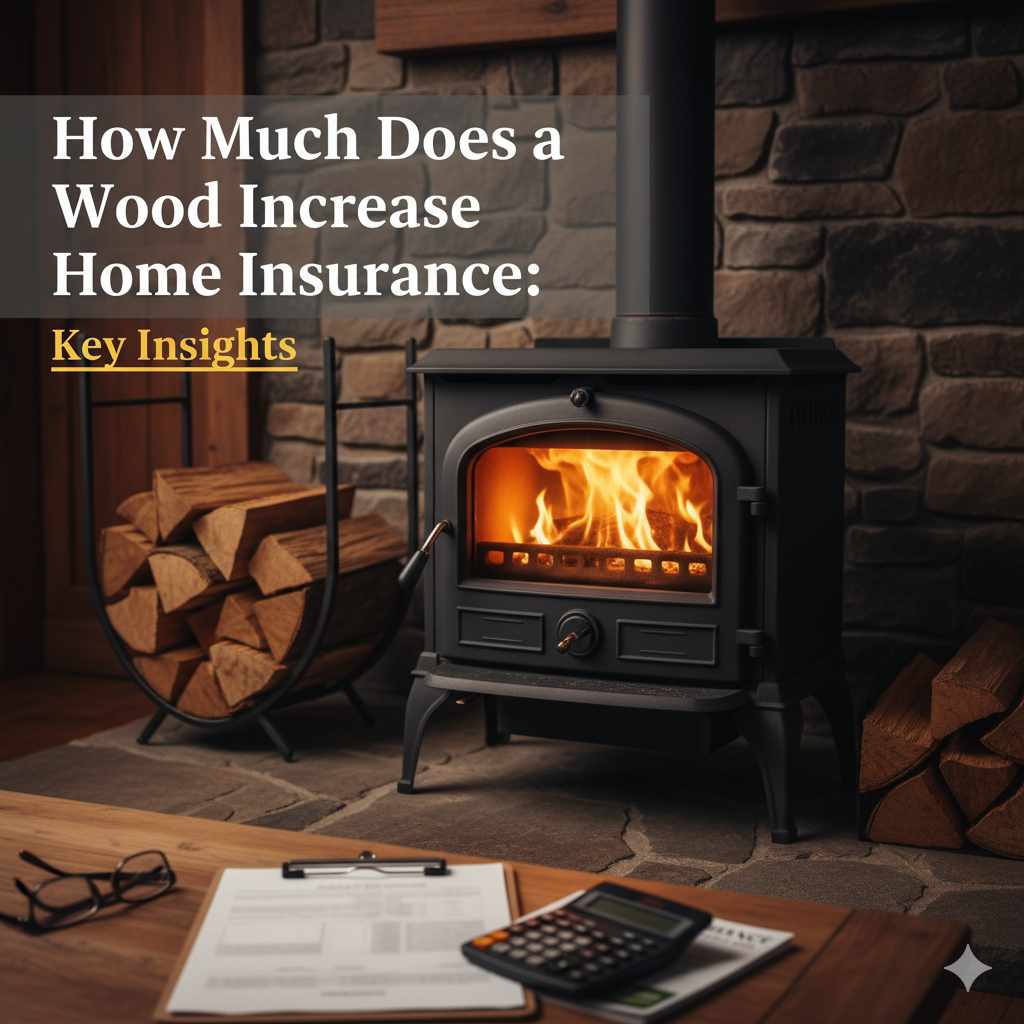
How Much Does a Wood Stove Increase Home Insurance: Key Insights
Are you considering adding a wood stove to your home for that cozy, rustic charm? Before you do, it’s essential to think about how it might impact your home insurance.
You might be surprised to learn that installing a wood stove can affect your insurance premiums. But how much does it actually increase them? Understanding this can save you from unexpected costs down the line. We’ll uncover the factors that influence your insurance rates when you have a wood stove and offer tips to keep those rates manageable.
Stay informed and make the best decision for your home and your wallet.
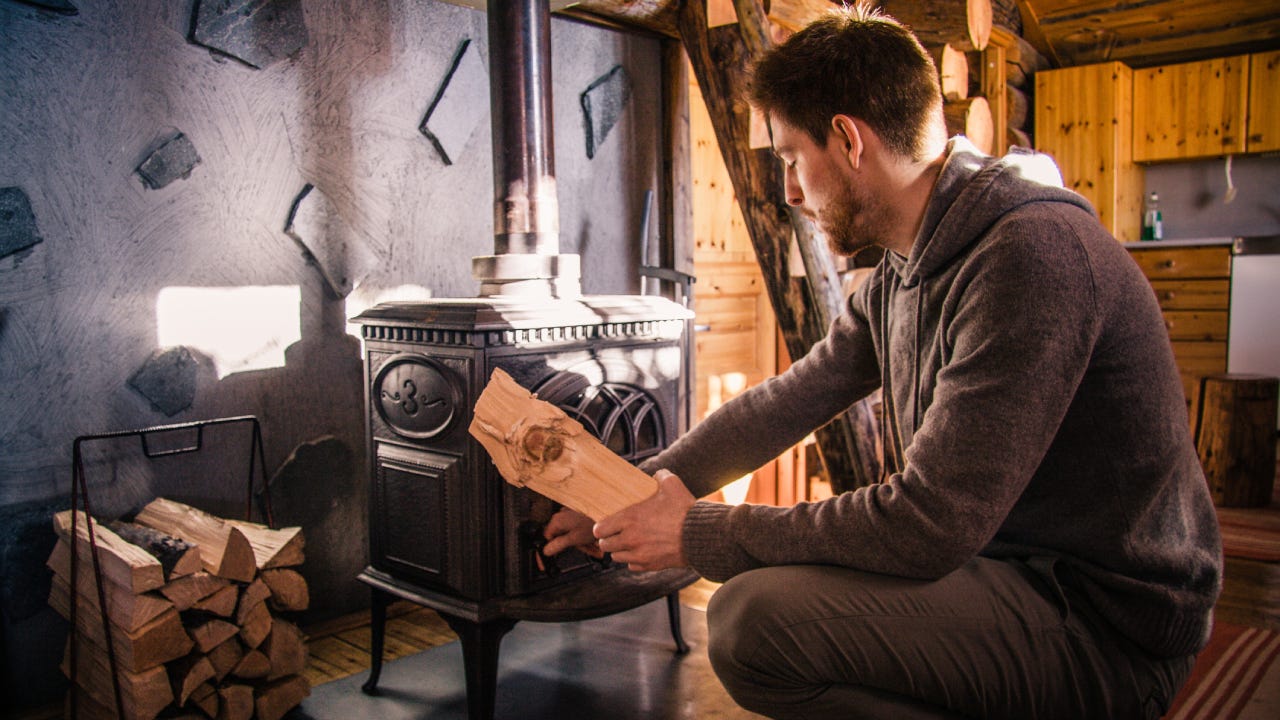
Credit: www.bankrate.com
Factors Influencing Insurance Costs
The type of wood stove can affect insurance costs. Older models may increase costs. Newer stoves with modern designs are usually safer. They may lower insurance premiums. Stoves made from quality materials are also important. Metal stoves are more durable than others.
Proper installation is very important for safety. A well-installed stove reduces fire risks. Incorrect installation can lead to accidents. Using certified professionals ensures quality work. This can help in reducing insurance costs. It shows the insurance company your home is safe.
Safety features play a big role in insurance costs. Stoves with automatic shut-off are safer. Smoke detectors near the stove are a good idea. Carbon monoxide detectors are also crucial. These features can lower the risk of accidents. Insurance companies often offer discounts for homes with these features.
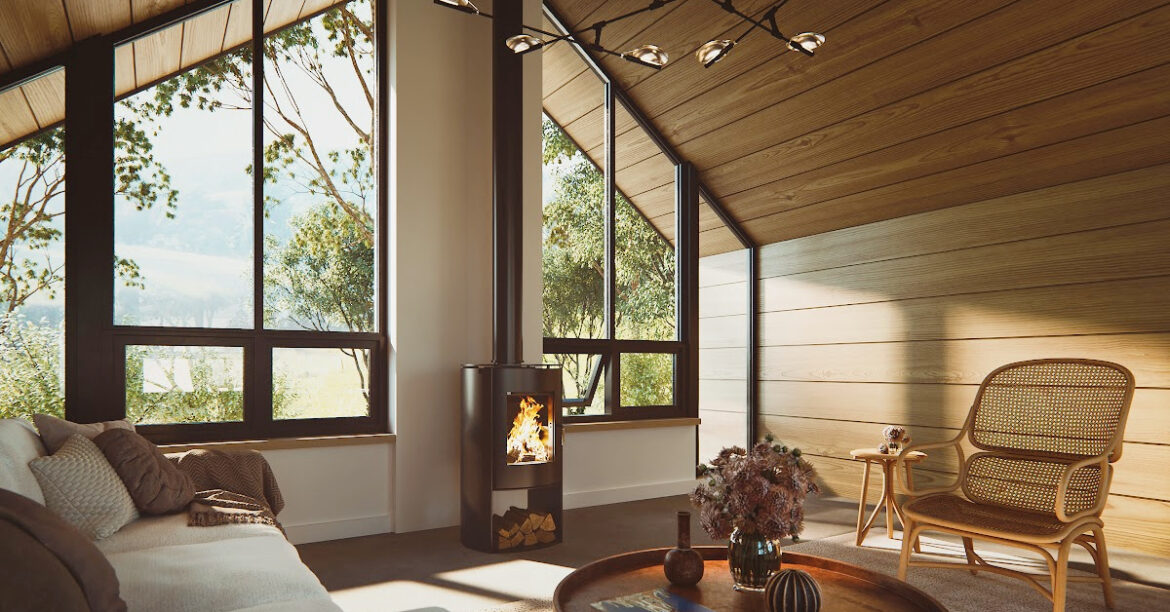
Credit: welovefire.com
Impact On Insurance Premiums
Insurance companies see wood stovesas a fire risk. They can increase home insurance costs. Companies assess the risk levelof your home. Safety measures can reduce these costs. Proper installation is very important. Regular maintenance helps too. A wood stove can be a cozy addition. But it may raise insurance premiums. Always check your policy details.
Insurance firms perform risk assessmentsfor homes with wood stoves. They consider factors like stove age and condition. A newer, well-maintained stove lowers risk. Poorly installed stoves increase risk. Companies also check smoke alarms and fire extinguishers. A higher risk level means higher premiums. Keep your stove safe to manage costs.
Premium costs can differ by region. In colder places, wood stoves are common. Insurance may be cheaper there. Warmer areas might see higher costs. Regional regulations also impact premiums. Check local rules before installing a stove. Each area has different insurance practices. Your location affects what you pay.
Wood stoves can be cheaper to run. But they might increase insurance costs. Electric heaters are safer but may cost more to operate. Gas heaters have lower insurance risks. Each heating system has pros and cons. Choose the best one for your home. Consider all costs, including insurance.
Ways To Reduce Insurance Costs
A wood stove must be installed the right way. Correct installation reduces fire risks. It also keeps your home safe. Hire a certified professional for the job. This can lower your insurance costs. Follow all safety rules. It helps in avoiding accidents. Insurance companies favor homes with safe setups.
Clean the wood stove often. Regular maintenance keeps it in good shape. Remove ash and soot. Check the chimney for blockages. Proper care extends the stove’s life. It also keeps the insurance cost down. A well-maintained stove is less risky. Insurance companies like that.
Get a safety certification for your wood stove. This proves your stove is safe. It meets all safety standards. A certified stove is less likely to cause fires. This can lead to lower insurance premiums. It shows the insurance company you care about safety.
Insurance Provider Policies
Wood stoves can change home insurance costs. Each insurance provider has different rules. Some providers might raise your premium. Others might keep it the same. It depends on the type of stove. Also, how it is installed matters. Proper installation is very important. The provider checks these details carefully. They want to ensure safety. This is why policy variations happen.
Many insurers offer discountsfor safe wood stove use. Installing a smoke detector can help. Adding a carbon monoxide detector is also good. These devices make your home safer. Some providers give a discount for using them. They see it as a way to prevent fires. Check with your insurer about these opportunities.
Talking to your insurer can help. Ask about possible discounts. Explain your safety measures. Tell them about your smoke detectors. Mention your carbon monoxide detectors. Show them you are responsible. This might lower your insurance cost. Being open and honest is key. Insurers appreciate that
Expert Opinions
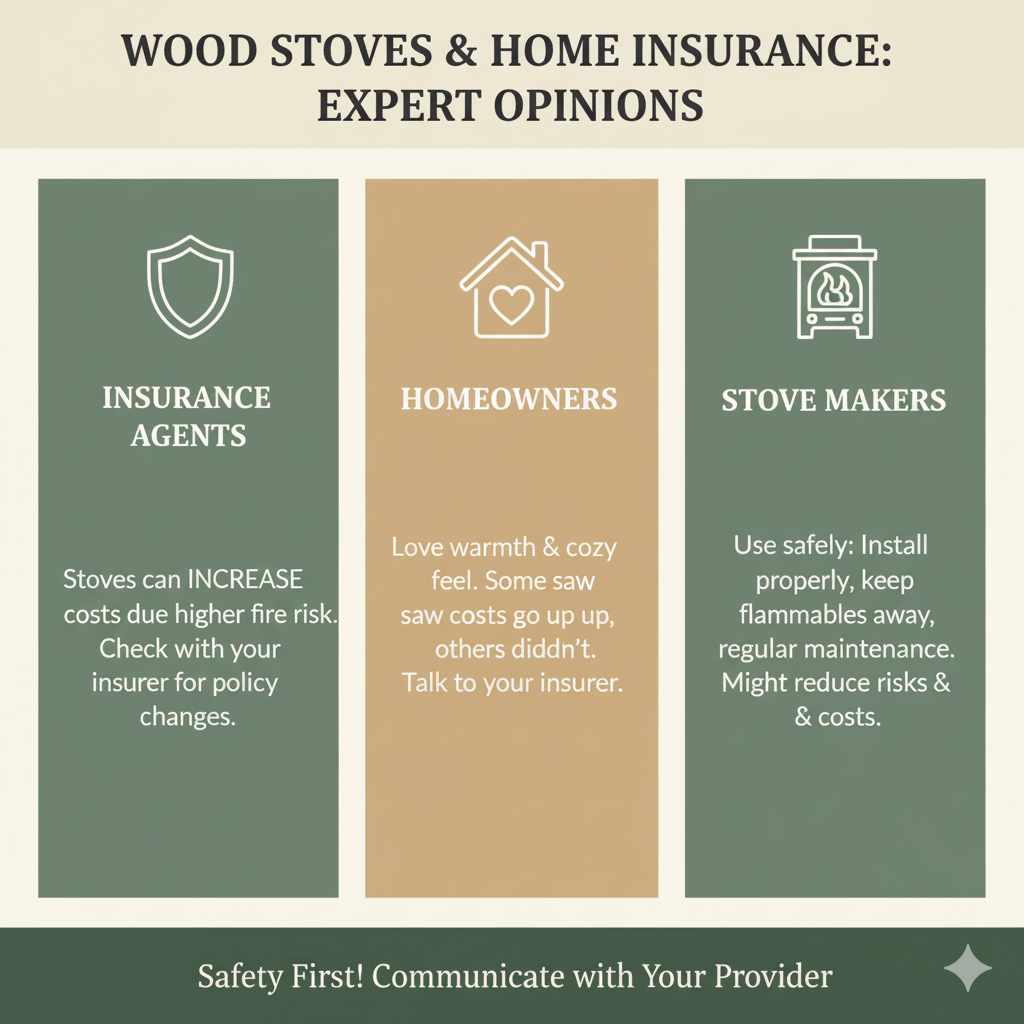
Insurance agents say wood stoves can increase insurance costs. They believe fire risks are higher with stoves. This might raise premiums for homeowners. Agents suggest checking with your insurance company. This helps you understand potential cost changes.
Many homeowners love their wood stoves. They enjoy the warmth and cozy feel. Some say their insurance costs did go up. Others did not see much change. It’s important to talk to your insurance company. They can explain how a stove might affect your policy.
Stove makers suggest using their products safely. They advise installing the stove properly. Keep flammable items away from the stove. Regular maintenance is also key. These steps can help reduce risks. It might also keep insurance costs lower.
Frequently Asked Questions
Does A Wood Burning Stove Add Value To A House?
Yes, a wood-burning stove can increase a home’s value. It offers cost-effective heating and enhances aesthetic appeal. Buyers appreciate the cozy atmosphere and potential energy savings. It adds charm and can boost resale value, particularly in colder climates.
Do I Need A Permit To Put A Wood Stove In My House?
Yes, you typically need a permit to install a wood stove in your house. Check local building codes and regulations to ensure compliance. Permits help ensure safety and proper installation. Consult with professionals for guidance on obtaining necessary permits and adhering to all safety standards.
Does State Farm Insure Homes With Wood Stoves?
State Farm may insure homes with wood stoves, but specific conditions and safety requirements might apply. Always check with your local State Farm agent for detailed guidelines and coverage options. It’s essential to maintain your wood stove properly to ensure safety and compliance with insurance requirements.
Will My Homeowners Insurance Go Up After A Fire?
Yes, homeowners insurance rates often increase after a fire claim. Insurers reassess risk and adjust premiums accordingly. Always check your policy details for specific information.
Conclusion
Adding a wood stove affects home insurance costs. It can lead to higher premiums. Safety features and installation quality matter. Insurers assess risks and benefits. It’s wise to shop around for quotes. Compare different insurance providers. Understand the coverage details.
Speak with your insurer directly. Ask questions. Get clarity on policy changes. A wood stove can be a cozy addition. Ensure it doesn’t burden your wallet. Proper maintenance and safety checks are crucial. Keep your home safe and your insurance manageable.
Consider all factors before making a decision. Balance warmth with financial responsibility.