How Much Root Space Does a Japanese Maple Need
Many new gardeners wonder, How Much Root Space Does a Japanese Maple Need? It can seem like a tricky question, especially with these beautiful trees. You want your Japanese maple to grow strong and healthy, and its roots are the key. Sometimes, figuring out the right space feels complicated.
But don’t worry, it’s much simpler than you might think. This guide breaks it all down step-by-step so you can give your tree the perfect home. We’ll look at everything your tree needs to thrive.
Japanese Maple Root System Basics
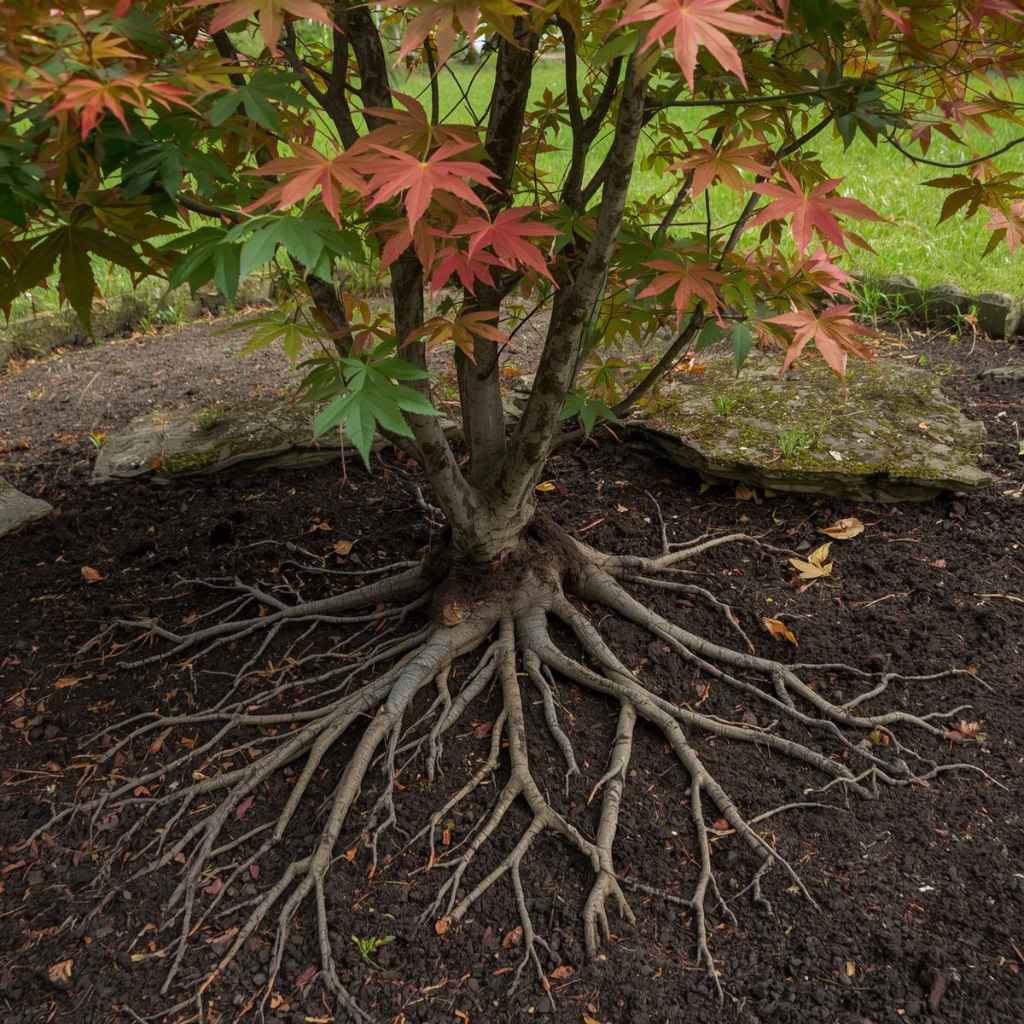
Understanding the root system of a Japanese maple is fundamental to knowing how much space they require. These trees are not typically deep-rooted like some large oaks or pines. Instead, their root systems tend to spread outwards, seeking moisture and nutrients near the soil surface.
This spreading nature is a key factor in determining their planting requirements. Because they are shallow growers, they can be more sensitive to drought and soil compaction. Providing adequate horizontal space allows the roots to establish a strong, wide network.
This network is essential for supporting the tree and absorbing water and nutrients effectively. Without enough room to spread, the roots can become pot-bound or struggle to find the resources they need to thrive.
The Spread of Japanese Maple Roots
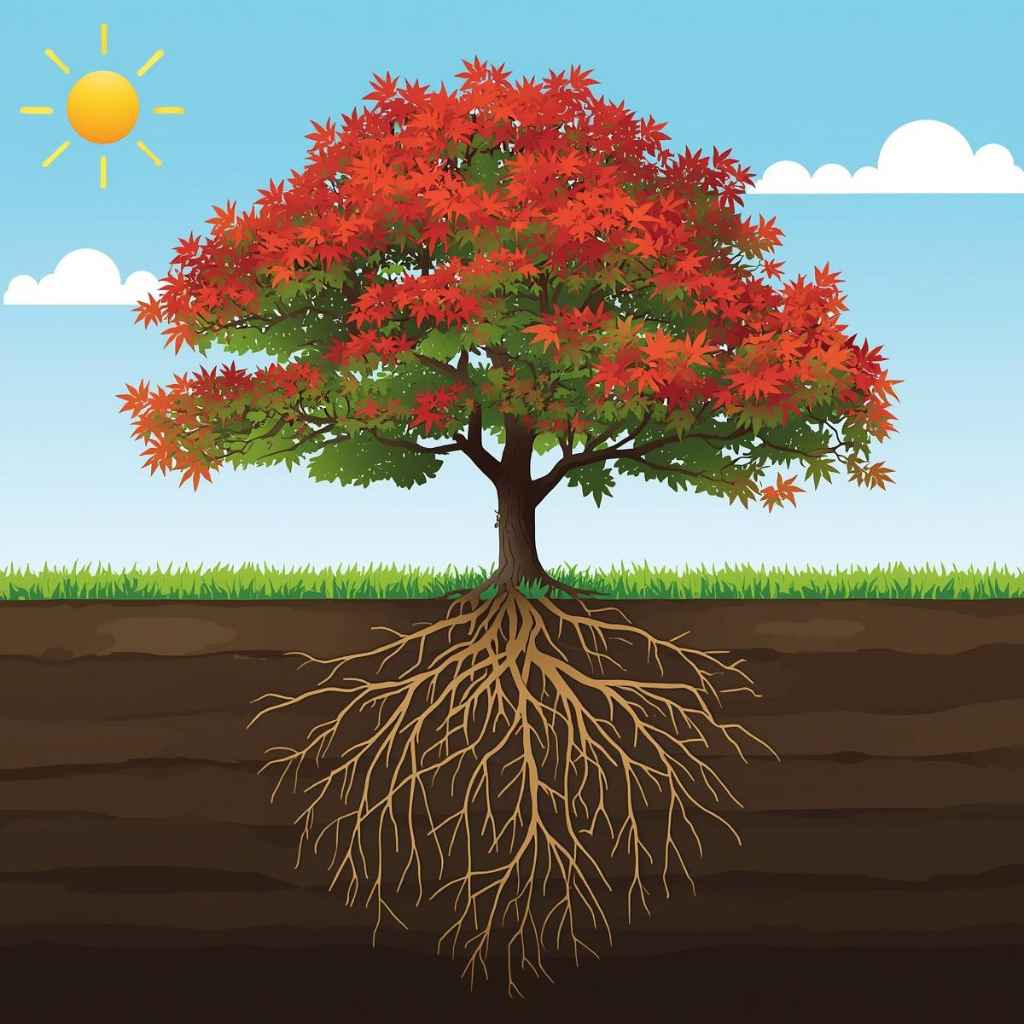
Japanese maple roots generally spread out much wider than the canopy of the tree. This is a common characteristic of many ornamental trees. The roots actively search for water and nutrients in the top layers of the soil.
This horizontal growth is crucial for the tree’s stability and overall health. For a young tree, the root spread might be only a few feet. However, as the tree matures, its root system can extend two to three times the width of its visible branches.
This outward growth means that the area around the base of the tree is just as important as the vertical space above ground. When planting, you need to consider this expansive reach. A general rule of thumb is to ensure the planting area is at least two to three times the diameter of the tree’s current canopy.
This gives the roots ample room to grow and expand without encountering obstacles or competition from other plants.
Why Root Spread Matters
The horizontal spread of a Japanese maple’s roots is vital for its survival and well-being. A wider root system provides better anchorage, making the tree more resistant to wind damage. It also allows the tree to access a larger volume of soil for water and nutrients.
When roots are confined, the tree can become stressed. This stress can lead to slow growth, reduced vigor, and increased susceptibility to diseases and pests.
Consider a Japanese maple planted too close to a building or another large tree. Its roots will eventually encounter resistance. This can stunt their growth and force them to seek less ideal paths.
In such cases, the tree might not reach its full potential. Providing adequate space from the outset prevents these issues and promotes a healthier, more resilient specimen.
Root Depth Considerations
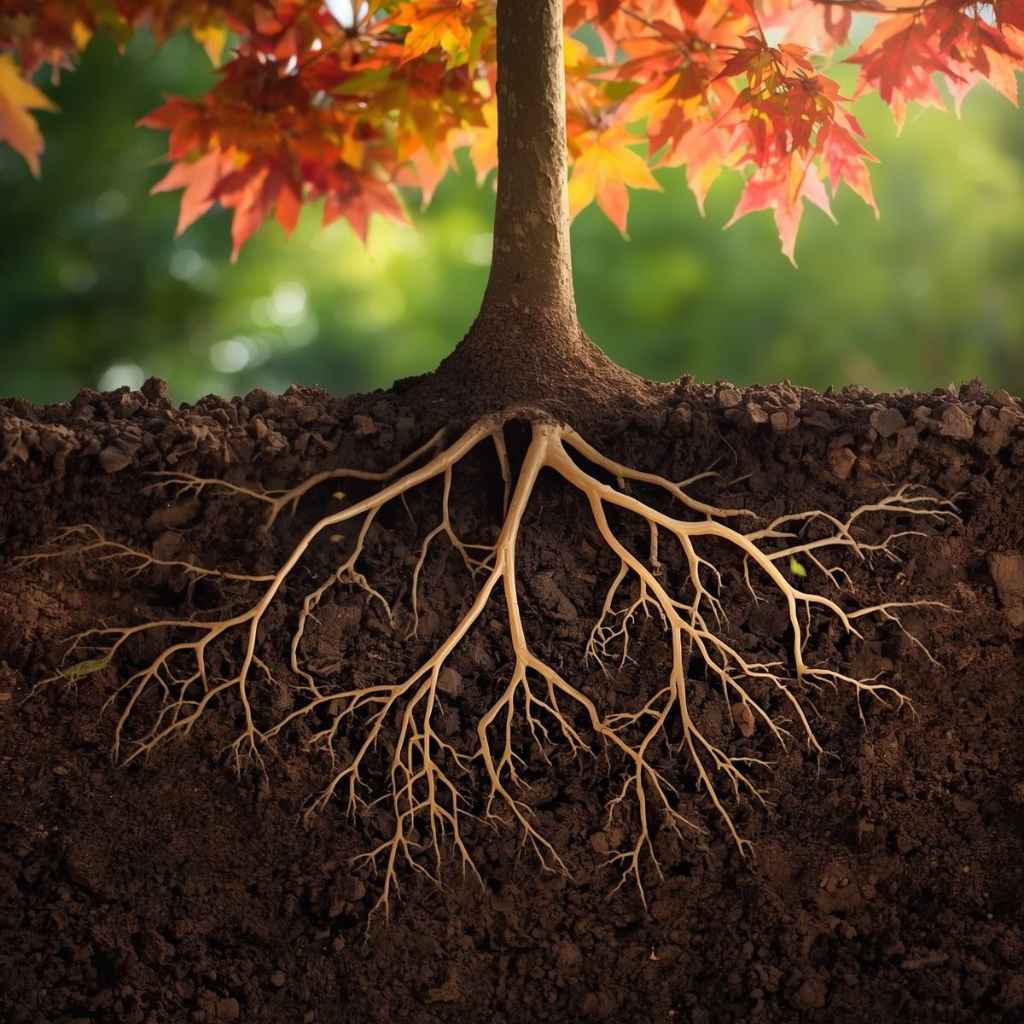
While Japanese maples spread wide, their roots are not exceptionally deep. Most of their active root growth occurs in the top 12 to 24 inches of soil. This is where they find the most oxygen and moisture.
This shallow root profile has implications for watering and soil management. It means that prolonged dry spells can impact the tree more quickly than it would for a tree with deeper roots.
Because the roots are close to the surface, they are also more vulnerable to physical disturbance. Activities like heavy foot traffic or using tilling equipment around the base of a Japanese maple can easily damage these delicate roots. Therefore, it is essential to protect the root zone from compaction and physical injury.
Impact of Soil Type on Roots
The type of soil you have will also influence how Japanese maple roots grow. They prefer well-draining soil that is rich in organic matter. In heavy clay soils, water can become waterlogged, suffocating the roots.
Roots can also struggle to penetrate compacted clay. Conversely, very sandy soils drain too quickly, making it difficult for the tree to retain moisture.
Amending the soil with compost or other organic materials before planting can greatly improve drainage and aeration. This helps create an ideal environment for root development. Healthy soil encourages stronger, more efficient root growth.
It ensures that the roots can easily access the water and nutrients they need to support the tree.
Planting Space Requirements for Japanese Maples
Determining the correct planting space for your Japanese maple is crucial for its long-term health and beauty. It involves considering not just the current size of the tree but also its mature size and growth habit. Japanese maples are often admired for their elegant forms, and giving them enough room allows these natural shapes to develop fully.
Rushing the planting process or cramming a tree into a small spot can lead to a lifetime of problems, including stunted growth and increased vulnerability to stress.
The goal is to provide an environment where the roots can expand freely without obstruction. This means looking beyond the immediate trunk and considering the entire area where the roots will spread. By understanding a few key factors about their growth, you can ensure your Japanese maple has the best possible start and continues to flourish for years to come.
Let’s explore the specific space considerations you need to keep in mind.
Mature Size and Spacing
Japanese maples come in a wide variety of sizes and shapes, from dwarf varieties that stay small to larger specimens that can reach impressive heights and widths. It is vital to know the specific cultivar you are planting and its projected mature size. For instance, a ‘Crimson Queen’ Japanese maple might have a mature spread of 8-10 feet, while a ‘Bloodgood’ could reach 20-25 feet in height and width.
When planting, you should aim to provide at least that mature width in clear space around the tree. This means if the tree is expected to grow 15 feet wide, you should ensure a 15-foot diameter area clear of structures, other large plants, or heavy foot traffic. This buffer zone allows the root system to expand naturally and prevents competition for resources.
Spacing from Structures and Other Plants
One of the most common mistakes is planting Japanese maples too close to buildings, fences, patios, or other large trees. As the roots spread, they can eventually impact these structures. While Japanese maple roots are not typically aggressive enough to damage foundations, they can lift paving stones or disrupt sprinkler systems over time.
Keeping a generous distance from these elements is key.
As a general guideline, plant your Japanese maple at least 10 to 15 feet away from the foundation of your house. For patios and walkways, a distance of 5 to 10 feet is often sufficient, but consider the mature spread of the tree. When planting near other trees, allow for the combined mature spread of both trees.
This prevents root competition, which can weaken both plants.
Container vs. In-Ground Planting
The space requirements differ significantly between planting a Japanese maple in the ground versus in a container. In-ground planting offers the most natural environment for root development, allowing them to spread as far as they need. Container planting, however, requires ongoing management of root space.
In-Ground Planting
- Provides ample space for roots to spread horizontally.
- Less risk of root restriction or becoming pot-bound.
- Natural access to soil moisture and nutrients.
If planting in the ground, prepare a planting hole that is at least two to three times the width of the tree’s root ball and no deeper than the root ball itself. This encourages outward root growth. The surrounding soil should be loose and well-draining.
Container Planting
- Requires periodic repotting into larger containers.
- Roots are confined and may circle the pot.
- More frequent watering and fertilization are needed.
When choosing a container, select one that is at least 2-3 inches wider than the current root ball. For a dwarf variety that might reach 3-4 feet in spread, a container that is 18-24 inches in diameter might be suitable initially. As the tree grows, you will need to move it to larger pots, typically every 2-3 years.
This process ensures the roots have enough space to grow and thrive within the limited confines of the container.
Container Size Progression
For container-grown Japanese maples, the size of the pot is a critical factor. Starting with too small a pot will stunt the tree’s growth immediately. Conversely, starting with a pot that is far too large can lead to overwatering issues, as the excess soil stays wet for too long, potentially causing root rot.
A good starting point for a young, small Japanese maple is a pot that is about 12-15 inches in diameter. As the tree matures, you will need to “pot up” to larger containers. Here’s a general progression:
- First Pot: 12-15 inch diameter (for a sapling or very young tree)
- Second Pot: 18-20 inch diameter (after 2-3 years)
- Third Pot: 24-30 inch diameter (after another 2-3 years)
- Larger Pots: For very mature specimens in containers, pots can reach 36 inches or more in diameter.
Always check the root system before repotting. If you see roots circling the pot densely, it’s time to move up to a larger container. When repotting, gently loosen any tightly circling roots to encourage them to grow outward into the new soil.
Factors Affecting Root Development and Space Needs
Several elements influence how much space Japanese maple roots need to spread and thrive. These aren’t just about the tree’s inherent growth but also the environment it’s planted in. Understanding these factors helps you make better decisions about where to plant and how to care for your tree.
It ensures you are providing the optimal conditions for healthy root development, which directly impacts the tree’s overall vigor and appearance.
The soil quality plays a significant role, as does the amount of water and sunlight the tree receives. Even the climate can have an effect. By considering these variables, you can better anticipate the root system’s needs and adjust your planting and care strategies accordingly.
This proactive approach prevents potential problems down the line and promotes a long-lasting, beautiful Japanese maple.
Soil Drainage and Aeration
Japanese maples absolutely require well-draining soil. Their fine, fibrous root systems are very sensitive to waterlogged conditions. When soil stays saturated for too long, it reduces the oxygen available to the roots.
This can lead to root rot, a common and often fatal problem for these trees. Poorly draining soil also hinders root growth, as roots struggle to penetrate dense, wet earth.
Aeration, the process of allowing air into the soil, is equally important. Roots need oxygen to respire and function properly. Compacted soils, often found in areas with heavy foot traffic or where heavy equipment has been used, have very little air space.
This lack of aeration restricts root expansion and can cause shallow rooting. Improving drainage and aeration before planting, by amending the soil with organic matter like compost, creates a welcoming environment for roots.
Improving Drainage for Maple Roots
If your soil is heavy clay or tends to hold water, several methods can improve drainage for your Japanese maple’s roots. The most effective approach is to amend the planting area with organic matter. Compost, well-rotted manure, or even bark chips can be mixed into the soil to improve its structure.
Organic matter creates air pockets, allowing water to drain away more freely and air to circulate.
Another strategy is to plant the Japanese maple on a slight mound or raised bed. This elevates the root ball above the surrounding soil level, preventing water from pooling around the base of the tree. For severely compacted areas, you might consider double-digging the planting area or using a broadfork to loosen the soil deeply before planting.
This helps create a more hospitable environment for roots to spread.
Watering and Irrigation Needs
Proper watering is critical for Japanese maple root development, especially in the first few years after planting. While they prefer consistent moisture, they do not like to sit in water. The goal is to keep the soil evenly moist but not waterlogged.
In the initial establishment phase, which can last 1-3 years, regular watering is essential. This means checking the soil moisture frequently, especially during dry periods. A good rule of thumb is to water deeply when the top inch or two of soil feels dry.
Watering deeply encourages roots to grow downwards and outwards in search of moisture.
Watering Frequency and Depth
The frequency of watering will depend on several factors, including the climate, soil type, and the size of the tree. In hot, dry weather, you might need to water every few days. In cooler, more humid conditions, watering once a week or even less might be sufficient.
Always check the soil moisture before watering, rather than relying on a fixed schedule.
When you water, do so deeply. This means applying enough water to moisten the soil several inches down. For a newly planted tree, this could mean several gallons of water.
This encourages the roots to grow deeper into the soil. Shallow, frequent watering can lead to shallow roots that are more vulnerable to drought stress.
For example, a newly planted Japanese maple in a sandy soil during a hot summer might need watering every 2-3 days. In contrast, a mature tree in clay soil during a mild spring might only need watering once every 1-2 weeks. Using a soaker hose or drip irrigation system can deliver water slowly and evenly to the root zone, which is more effective than overhead sprinklers.
Sunlight Exposure and Root Growth
While sunlight is essential for a Japanese maple’s foliage and overall health, its direct impact on root growth is indirect. The amount of sunlight affects the tree’s water needs. Trees in full sun transpire more water through their leaves, meaning their roots need to be able to access sufficient moisture from the soil.
This can influence how far and how quickly roots need to spread.
If a Japanese maple is planted in a location that is too sunny and dry, its roots may struggle to keep up with the water demands of the canopy. This can lead to stress and stunted growth. Conversely, a tree in a location with dappled shade and consistent moisture will likely have more vigorous root development without the same level of stress.
The key is to match the tree’s needs to its planting location.
Root Zone Protection
The area around the base of a Japanese maple, known as the root zone, is critical for its health. This area typically extends outwards to the drip line of the tree (the edge of the canopy). Protecting this zone from physical damage and soil compaction is vital.
Japanese maple roots are relatively fine and close to the surface, making them easily damaged.
Avoid walking or driving over the root zone. Do not use rototillers or other equipment that can sever roots. When mulching, spread a layer of organic mulch (like wood chips or shredded bark) around the base of the tree, extending to the drip line.
Keep the mulch a few inches away from the trunk itself to prevent moisture buildup and potential rot. Mulch helps retain soil moisture, suppress weeds, and moderate soil temperature, all of which benefit root growth.
Calculating the Ideal Root Space
Figuring out precisely how much space your Japanese maple’s roots need can seem like a guessing game, but there are straightforward ways to estimate it. It all comes down to understanding your specific tree and its growth habits. By taking a few measurements and considering the tree’s future, you can create an ideal environment for its root system to flourish.
This proactive approach prevents many common problems that can arise from cramped roots.
This isn’t about complicated formulas; it’s about applying simple logic to your tree’s needs. We’ll look at how to measure the current space and project future needs. This will help you determine the best planting location or how to manage a tree already in the ground.
Let’s break down the calculation process so you can provide the best possible home for your Japanese maple’s roots.
Measuring Current Root Ball and Canopy Spread
The first step in determining adequate root space is to assess the tree’s current size. If you are planting a new tree, its root ball size will be indicated on the nursery tag or information provided by the seller. For a tree already planted, you can gently probe the soil or observe the extent of the visible root flares at the base.
The canopy spread is the measurement across the widest part of the tree’s branches. You can measure this with a tape measure. For example, if the branches extend 5 feet in one direction and 6 feet in another, you can average that to estimate the spread, or simply take the widest point.
A common guideline for planting is to ensure the planting hole is at least two to three times the width of the root ball. For canopy spread, aim to have at least that much clear space around the tree for its future root growth.
Estimating Mature Spread
This is where knowing your Japanese maple cultivar is extremely important. Different varieties have vastly different mature sizes. For example, a ‘Viridis’ might only reach 8-10 feet in height and spread, while a ‘Seiryu’ could grow to 15-20 feet.
You can usually find this information on the plant tag, the nursery’s website, or by doing a quick online search for the specific cultivar name.
Once you know the estimated mature spread, you can plan your planting space accordingly. It’s always better to err on the side of caution and provide more space than you think might be needed. Roots can and will spread out to fill available space.
If they encounter obstructions, their growth can be negatively impacted. For a tree expected to reach a 15-foot mature spread, you should ideally have a clear planting area of at least 15 to 20 feet in diameter.
The “Drip Line” Rule of Thumb
The drip line is an imaginary circle on the ground directly beneath the outermost branches of a tree. It represents the area where most of the rainwater that falls from the leaves will drip onto the ground. Many gardeners use the drip line as a guide for planting and fertilizing.
For Japanese maples, it’s beneficial to extend the planting and care area beyond the current drip line. As the tree grows, its drip line will also expand. A common recommendation is to plant and prepare the soil out to and slightly beyond the current drip line.
This ensures that as the canopy grows, the root system has already begun to establish itself in that area.
Spacing for Young vs. Mature Trees
The spacing considerations change as the tree matures. A young tree has a smaller root system and canopy, so it requires less immediate space. However, planning for its mature size is essential to avoid future problems.
Young Trees (First 1-3 years):
- Focus on ensuring the immediate root ball area is well-prepared and free of compaction.
- Keep the area around the trunk clear of weeds and grass, which compete for water and nutrients.
- Mulch extends to the current drip line.
For a young tree, a planting area of 5-8 feet in diameter is often sufficient to start. This allows for initial root establishment.
Mature Trees:
- The root system can extend 2-3 times the width of the canopy.
- The entire area out to the mature drip line, and even slightly beyond, should be considered the active root zone.
- This area needs protection from compaction and should ideally be kept free of invasive ground covers.
A mature Japanese maple might have a canopy that is 10 feet wide. Its root system could easily extend 20-30 feet in diameter. Therefore, planning for this extensive root growth from the beginning is crucial.
Recommended Clearance Distances
To ensure your Japanese maple has ample room to grow without interference, follow these general clearance recommendations:
- From Buildings/Foundations: Minimum 10-15 feet. This prevents roots from potentially interfering with structures over time and allows for easier maintenance.
- From Patios/Walkways: Minimum 5-10 feet. Roots can eventually lift pavers or concrete if planted too close.
- From Other Large Trees: Allow enough space for both trees’ mature root systems and canopies to grow without overcrowding. This often means at least 20-30 feet between the trunks, depending on the mature sizes of both trees.
- From Fences/Walls: Minimum 5-10 feet. This allows for root spread and also provides air circulation around the tree.
- From Underground Utilities: Be mindful of utility lines. Avoid planting large trees directly over or very close to gas lines, water mains, or sewer pipes. Check local utility maps.
These distances are guidelines and can be adjusted based on the specific cultivar’s mature size and your landscape conditions. Prioritizing space will result in a healthier, more robust tree.
Case Studies and Real-Life Scenarios
Looking at real examples can really help illustrate the importance of providing enough root space for Japanese maples. These stories show what happens when trees have plenty of room to grow and what challenges can arise when they don’t. They offer practical lessons that apply directly to your own garden, whether you’re planting a new tree or caring for an established one.
By understanding these outcomes, you can make more informed decisions to help your Japanese maple thrive.
These scenarios highlight the impact of proper planting and ongoing care. They demonstrate that giving a Japanese maple the right environment from the start leads to a beautiful, healthy tree. Conversely, insufficient space can lead to problems that are difficult and sometimes impossible to fix later on.
Let’s explore some situations that can serve as valuable guides for your own gardening success.
Scenario 1 The Overcrowded Acer Palmatum
Consider Mrs. Gable, who planted a lovely ‘Crimson Queen’ Japanese maple just 3 feet from her back patio. She loved its delicate, feathery leaves and wanted to enjoy it up close.
For the first five years, the tree looked good, and its roots were contained by the patio’s edge. However, as the tree approached its mature size, its roots began to push against the patio’s concrete edge. This caused some of the pavers to lift slightly.
Additionally, the limited space meant the roots couldn’t spread effectively to access enough water during dry spells. The tree’s growth slowed considerably, and its leaves developed brown, crispy edges more frequently. Mrs.
Gable had to water it very often. Eventually, she had to transplant the tree to a more open area, which was a stressful process for the tree and a lot of work for her. This case shows how even a few feet can make a big difference for a tree’s long-term health.
Scenario 2 The Spacious Japanese Maple Grove
In contrast, the city botanical garden planted several ‘Bloodgood’ Japanese maples as part of a larger landscape design. They were placed at least 20 feet apart and 25 feet from any major structures or other large trees. This generous spacing allowed their root systems to spread widely and unhindered.
Over 20 years, these maples have developed into magnificent specimens, each with a full, rounded canopy and deep, rich color. Their extensive root systems provide excellent stability, even in strong winds. They require minimal supplemental watering once established and are remarkably resilient to pests and diseases.
This success is directly attributed to providing ample space from the beginning, allowing their natural growth habit to flourish unimpeded. The visual impact of these trees is stunning, a testament to thoughtful planting.
Case Study: Root Bound Maple in a Container
A common issue seen in garden centers and homes is a Japanese maple that has become “root bound” in its container. Let’s look at an example: a small ‘Coral Bark’ maple was kept in its original 5-gallon pot for three years. The roots had grown so dense that they were tightly circling the inside of the pot.
They formed a solid mass, with very little soil visible amongst them.
When this tree was finally repotted into a larger container, many of the circling roots had to be pruned to encourage outward growth. Even with repotting, the tree showed signs of stress for several months. Its growth was significantly stunted compared to its potential.
This case highlights that for container-grown trees, regular repotting and root management are essential. Without enough space, the tree’s ability to absorb water and nutrients is severely compromised, leading to poor health and vitality. The visual of the tightly bound roots is a clear indicator of insufficient space.
Frequently Asked Questions
Question: What is the minimum space needed for a young Japanese maple?
Answer: For a young, newly planted Japanese maple, aim for a planting area of at least 5-8 feet in diameter. This provides enough room for its initial root establishment and growth without immediate overcrowding. Ensure the soil is well-draining and loose in this area.
Question: Can Japanese maples be planted near sidewalks?
Answer: Yes, but with caution. It’s best to plant them at least 5-10 feet away from sidewalks or patios. This distance allows the roots to spread without immediately encountering concrete, which can cause lifting or damage over time.
Monitor the tree as it matures.
Question: How far apart should two Japanese maples be planted?
Answer: Plant Japanese maples at least 15-20 feet apart, or more, depending on their mature size. This ensures their root systems and canopies do not compete for resources, leading to healthier, more vigorous trees.
Question: Does mulching help with root space?
Answer: Mulching doesn’t directly increase root space, but it significantly improves the soil conditions within the root zone. It helps retain moisture, regulate temperature, and suppress weeds, all of which support healthy root development and expansion in the available space.
Question: What happens if a Japanese maple’s roots are too confined?
Answer: If a Japanese maple’s roots are too confined, the tree may experience stunted growth, reduced vigor, yellowing or browning leaves, and increased susceptibility to stress, pests, and diseases. In containers, they can become root-bound, hindering their ability to absorb water and nutrients.
Summary
Providing adequate root space for your Japanese maple is vital for its health. Consider its mature size and growth habit. Always plan for roots to spread wider than the canopy.
This means giving your tree plenty of room from buildings, other plants, and walkways. Proper soil preparation and watering are key. By following these guidelines, you ensure your Japanese maple can grow beautifully for years to come.