How Much Wood Ash Per Gallon of Water: Expert Tips
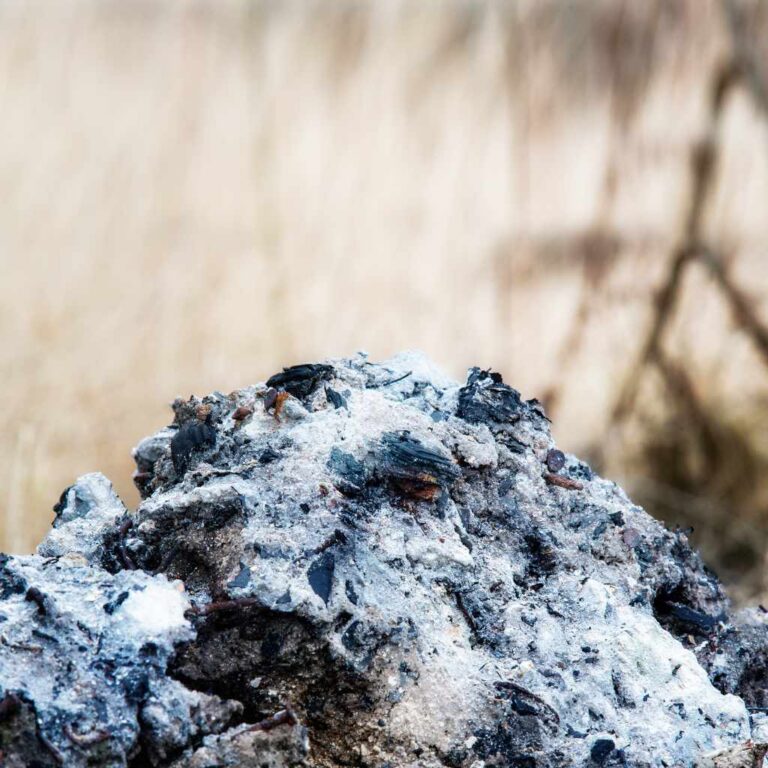
Imagine transforming your garden into a thriving paradise using a simple, natural ingredient: wood ash. It’s not just the remains of your cozy fireplace nights; wood ash is a secret weapon for enhancing soil health.
But here’s the catch: how much wood ash should you mix per gallon of water to unlock its magic? You might be wondering whether you’re using too much or too little, and how it can affect your plants. You’ll uncover the precise balance that turns ordinary water into a powerful garden ally.
You’ll learn how to maximize the benefits without risking harm to your plants. Once you discover the optimal ratio, you’ll never look at wood ash the same way again. Keep reading to find out how this humble material can revolutionize your gardening routine and help you achieve lush, vibrant growth in your backyard.
Benefits Of Wood Ash For Plants
Wood ash helps plants grow strong. It adds important nutrients to soil. Potassium and calcium are in wood ash. They make plants healthy. Wood ash can improve soil pH levels. This helps plants get more nutrients. Plants need these nutrients to grow well.
Using wood ash is good for acidic soil. It balances the soil. This helps plants grow better. Wood ash can also keep pests away. It protects plants from harm. Sprinkle wood ash around plants. It will help them grow strong.
Optimal Wood Ash To Water Ratio
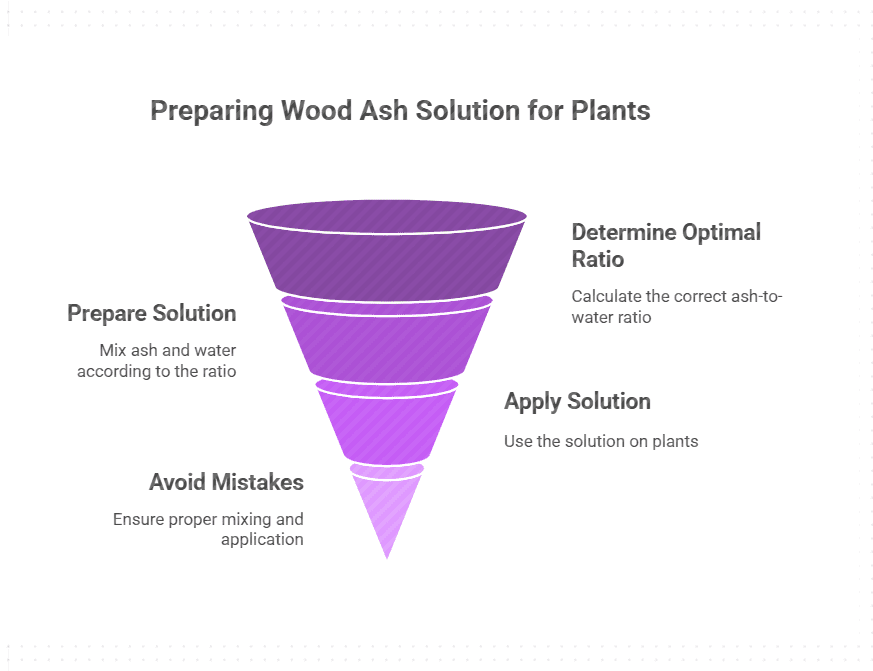
Adding wood ash to water can be tricky. The ideal ratio is important.
Use one cup of wood ash for every gallon of water.
This keeps the mixture balanced.
Too much ash can make the water too strong.
It can harm plants.
Always stir the mixture well.
This helps the ash to dissolve.
Mix thoroughly to avoid clumps.
Check the water’s pH level with a simple test.
It should be between 6.5 and 8.
Adjust the amount of ash if needed.
Less ash for sensitive plants.
More ash for hardy plants.
Keep experimenting to find the best mix.
Factors Influencing Ash Usage
Different types of wood create different ash. Hardwoods like oak and maple make rich ash. Softwoods like pine produce less nutrient ash. Knowing the type of wood is important. Hardwood ash is better for soil.
Soil pH affects ash usage. Acidic soil needs more ash. Alkaline soil needs less ash. Test soil pH before adding ash. Balance is key for healthy plants.
Different plants need different nutrients. Some plants like more alkaline soil. Others prefer acidic soil. Check what plants grow in your garden. Use ash based on plant needs.

Credit: www.farmanddairy.com
Steps To Prepare Wood Ash Solution
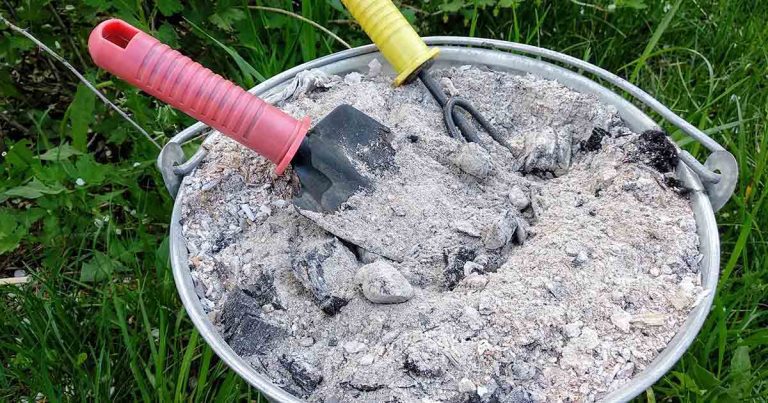
Start by collecting clean wood ash. Use dry ash only. Wet ash can be messy. You will need a gallon of water. Use a large container to mix ash and water. A stick or spoon will help mix the solution. A strainer is useful to remove big ash pieces.
Add one cup of wood ash to the water. Stir the solution well. Make sure the ash dissolves properly. The water will turn cloudy. This means the ash is mixing well. Stir for about five minutes. Let it settle for a while.
Dip a strip of litmus paper in the solution. Check the color change. Blue means the solution is basic. Red means it is too acidic. Adjust ash if needed for balance. Aim for a neutral solution. Use the solution carefully in your garden.
Application Techniques
Use wood ash to help plants grow. Mix it with water. Stir the mixture well. Pour the solution around your plants. Ensure the water reaches the roots. This helps plants get nutrients. Wood ash raises the soil’s pH level. This makes it less acidic. Always use clean water. Dirty water can harm plants.
Apply the mixture once a week. Overuse can harm your plants. Always check the soil’s condition. Too much ash can raise pH levels too high. If unsure, test the soil. Keep an eye on plant health. Adjust as needed. Plants will show signs if unhappy. Healthy plants mean the right balance.

Credit: www.amazon.com
Safety Precautions
Always wear gloves when touching wood ash. It can be irritating to the skin. Use a mask to avoid breathing in dust. Wood ash is very fine and can get into your nose. Store ash in a dry place. Keep it away from kids and pets. Ash can be harmful if swallowed. Remember to wash your hands after handling.
Do not add too much wood ash to soil. It can change the soil pH. Too much ash makes soil alkaline. This can hurt plants. Test soil pH before adding ash. Only use a small amount. Mix ash with water first. This helps spread it evenly. Keep ash away from plants that like acidic soil. Such as blueberries and azaleas.
Common Mistakes To Avoid
Determining the right amount of wood ash for water mixtures can be tricky. Overuse may harm plants, while too little might be ineffective. Aim for balance by using small amounts and adjusting based on plant response.
Adding Too Much Ash
Adding too much wood ash can harm plants. Plants need a balanced soil pH. Too much ash makes soil too alkaline. This can block nutrient absorption. Use only a small amount. A tablespoon per gallon of water is enough. Always test soil pH before adding ash.
Not Mixing Properly
Wood ash must be mixed well in water. If not mixed, ash settles at the bottom. This means plants won’t get the nutrients. Stir the solution thoroughly. Use a stick or spoon to mix it well. Make sure all ash is dissolved before using.
Ignoring Plant Needs
Different plants have different needs. Some like acidic soil, others alkaline. Know your plant’s preference. Check before adding ash. Don’t harm your plants by ignoring their needs. Customize your solution for best growth.
Expert Insights And Recommendations
Using wood ash in water can be helpful for plants. It provides essential nutrients. The right amount is crucial for effectiveness. Experts suggest using one tablespoon of ash per gallon. This amount ensures safety and benefits. Too much can harm plants. It changes the water’s pH level. Keep the balance for healthy growth. Mixing ash with water is simple. Stir until fully dissolved. Apply the mixture to soil carefully. Avoid wetting leaves or stems. Wood ash offers valuable minerals. It’s a natural fertilizer. Use it wisely for the best results.
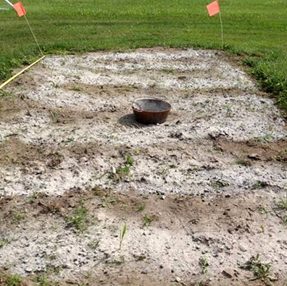
Credit: hort.extension.wisc.edu
Frequently Asked Questions
How Much Wood Ash To A 5 Gallon Bucket?
Add about one cup of wood ash to a 5-gallon bucket. Ensure it’s evenly distributed for optimal results. Use sparingly to avoid over-alkalizing the soil. Wood ash enriches soil with potassium and lime. Monitor pH levels to maintain balance. Adjust quantity based on specific plant needs and soil conditions.
How Much Wood Ash Per Gallon Of Soil?
Add one tablespoon of wood ash per gallon of soil. Wood ash boosts potassium and reduces soil acidity. Ensure even distribution to avoid nutrient imbalances. Monitor soil pH levels to maintain optimal plant health. Always wear gloves and a mask when handling wood ash to protect against skin irritation.
Can You Mix Wood Ash With Water?
Yes, you can mix wood ash with water to create a lye solution. This mixture can be used for cleaning or as a natural fertilizer. Always handle with care, as lye can be caustic. Ensure proper storage and use protective gear when necessary.
How Do You Use Wood Ash As Fertilizer?
Apply wood ash to soil by sprinkling it evenly. Avoid using it near acid-loving plants. Mix gently into the soil and water thoroughly. Use sparingly to prevent high pH levels. Always test soil pH before application for best results.
Conclusion
Finding the right amount of wood ash per gallon is key. It helps balance soil nutrients. Too much ash can harm plants. So, measure carefully and adjust as needed. Wood ash adds potassium and calcium. These are essential for plant growth.
Remember to test your soil first. This ensures proper nutrient balance. Start small and increase gradually. Watch your plants and see the difference. Proper use of wood ash can enhance garden health. Always aim for balance in your gardening practices.
Happy gardening and healthy plants!