What Is Ash Wood Worth? Stumpage vs. Lumber vs. Retail Price
Ash lumber typically runs $3 to $6 per board foot for rough-sawn, kiln-dried stock at a specialty hardwood dealer, and $6 to $9+ per board foot for premium FAS-grade material — but that’s only one of three very different prices ash wood can mean, and confusing them is where most “what’s my wood worth” questions go wrong.
Standing timber (stumpage), rough sawn lumber, and finished retail hardwood are priced on completely different scales — a landowner selling ash trees to a logger is getting a small fraction of what that same wood sells for once it’s milled, dried, and graded. And the emerald ash borer (EAB) hasn’t pushed prices up in a straight line the way basic supply-and-demand logic suggests; in many hard-hit regions it did the opposite in the short term.
Three Prices, Not One
Check Before You Pay Kiln-Dried Prices
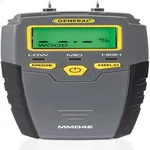 |
General Tools MMD4E Pinless Moisture Meter – $37.70 If a seller says a stack of ash is “kiln-dried,” a $38 meter confirms it in seconds before you pay dried-lumber prices for wood that’s still at air-dried moisture levels.
|
- Stumpage (standing trees): what a logger or mill pays a landowner for the right to cut. This is usually quoted per thousand board feet (MBF) and for ash typically lands in the low hundreds of dollars per MBF — a small fraction of what the same wood is worth once processed.
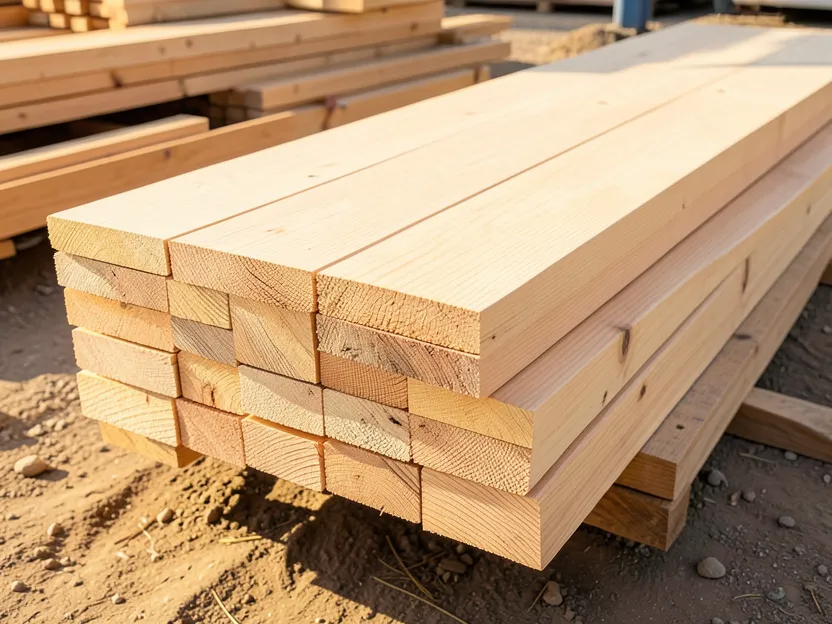
- Rough sawn lumber: boards straight off the mill, air-dried or kiln-dried but not surfaced. This is where most woodworkers actually buy ash, typically $3–$6 per board foot depending on region and drying method.
- Surfaced, graded retail lumber: kiln-dried and planed to consistent thickness (S2S or S4S), sorted into grades. This is the $5–$9+/bf range, with FAS (First and Seconds, the clearest, widest-board grade) at the top and No. 1 Common below Select.
When someone asks “what is ash wood worth” without specifying which of these three they mean, any single number is misleading — a landowner and a furniture maker are talking about prices that can differ tenfold for the same tree.
What Actually Drives the Price
Grade. FAS boards (clear, wide, long) cost the most; No. 2 Common, with more knots and shorter clear sections, costs the least. A board’s grade is set by how much clear, usable material can be cut from it — not by species alone.
Moisture content. Properly kiln-dried lumber for interior furniture needs to sit around 6–8% moisture content. Air-dried or green lumber costs less up front but needs months of additional drying (and the risk of warping or checking while it dries) before it’s usable for furniture-grade work, which is a real cost even if it isn’t on the price tag.
Hardness and workability. White ash has a Janka hardness around 1,320 lbf, close to red oak’s 1,290 lbf, which is why the two are often compared. That combination of hardness and straight, shock-resistant grain is exactly why ash has historically been the standard wood for tool handles and baseball bats — though most professional bat makers have shifted primarily to maple since the early 2000s, partly for performance reasons and partly over long-term concerns about ash supply.
How the Emerald Ash Borer Actually Changed Prices
The emerald ash borer has killed tens of millions of ash trees across North America since it was first detected in 2002, and the intuitive assumption is that killing that many trees should send ash lumber prices climbing right away. In practice, the opposite often happened first: in heavily infested regions, landowners and municipalities raced to salvage dead and dying trees before the wood degraded, creating a short-term local glut of ash lumber that pushed prices down, not up.
That glut doesn’t last, though. Once an infested tree dies, the wood starts to blue-stain, crack, and soften within a year or two if it isn’t milled promptly — so salvaged ash has a short shelf life as usable lumber. As the salvage wave passes and standing ash keeps declining, the longer-term trend in most affected regions is toward scarcer, pricier ash, especially for wide, clear, FAS-grade boards that need a large, healthy tree to begin with.
The practical takeaway: if you’re buying ash lumber right now in a region with recent EAB die-off, you may be catching the tail end of a salvage glut at a good price — but check that boards aren’t already showing blue-gray staining or soft spots, which are signs the tree sat too long after dying before it was milled.
Grading Ash Lumber Yourself
| Sign | What It Means |
|---|---|
| Straight, even, light-to-cream colored grain | Higher grade, suitable for visible furniture parts and flooring |
| Blue-gray staining | Fungal staining from a tree that sat too long after cutting — common in EAB salvage wood, structurally usable but not for a clear finish |
| Small tight knots, minor color variation | Mid-grade (Select or No. 1 Common) — fine for painted projects or shorter cuttings |
| Frequent knots, checks, or insect tunneling (not just surface staining) | Lower grade, best suited to pallets, crating, or firewood rather than furniture |
Frequently Asked Questions
How much does ash wood sell for?
Rough-sawn, kiln-dried ash lumber typically runs $3 to $6 per board foot at a specialty hardwood dealer, with premium FAS-grade boards running $6 to $9 or more. Standing timber sold as stumpage is priced far lower, usually quoted per thousand board feet rather than per board foot.
Is ash wood valuable?
Yes, relative to many domestic hardwoods. Its Janka hardness (around 1,320 lbf) is close to red oak’s, and its straight, shock-resistant grain has made it a standard choice for tool handles, flooring, and (historically) baseball bats, which keeps demand steady even as emerald ash borer damage reduces the supply of large, clear trees.
Why did ash prices drop in some areas hit by the emerald ash borer?
When EAB kills ash trees quickly across a region, landowners and mills often salvage the dead wood in a short window before it degrades, creating a temporary local oversupply that pushes prices down. That glut fades once the salvage wave passes, after which the longer-term trend is toward scarcer, pricier ash as standing supply keeps shrinking.
How can I tell if ash lumber is a good grade before buying?
Look for straight, even, light-colored grain with minimal knots for the highest grades. Blue-gray staining is a common sign in emerald-ash-borer salvage wood of a tree that sat too long before milling — the board is usually still structurally sound but won’t take a clear finish evenly, so it’s better suited to painted projects than fine furniture.
Conclusion
“What is ash wood worth” doesn’t have one answer because stumpage, rough lumber, and graded retail boards are priced on entirely different scales, and the emerald ash borer’s effect on price hasn’t been a simple straight-line increase — short-term salvage gluts have pushed prices down in some regions even as the long-term trend points toward scarcer, more expensive ash. Know which price tier you’re asking about, check moisture content and grade before you pay a premium, and you’ll have a realistic number instead of a guess.
Sponsored / affiliate links. As an Amazon Associate I earn from qualifying purchases. I may earn additional commission from eligible campaigns.