What Vegetables Like Wood Ash: Tomatoes, Squash, Carrots & More
Wood ash benefits fruiting and root vegetables — tomatoes, peppers, squash, carrots, and beets — thanks to its potassium and calcium content, but most vegetables actually prefer slightly acidic soil (pH 6.0-7.0), so ash should be used sparingly, not on everything. Overdo it and you raise soil pH too far, locking out nutrients and inviting problems like potato scab. This guide covers exactly which vegetables benefit, which to avoid, and how much wood ash to apply per square foot.
Benefits Of Wood Ash In Gardening
Best Soil pH Tester Pick
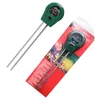
3-in-1 Soil pH, Moisture & Light Meter for Garden
No batteries, no lab — a quick probe reading tells you if a bed can handle wood ash before you spread any.
- Best for: checking pH before every wood ash application, not just once a season
- Why we picked it: combines pH, moisture, and light readings in one probe for a full soil snapshot
- Main drawback: less precise than a certified lab soil test for exact nutrient levels
Compare more soil amendment options
 Option 1 Espoma GL6 Garden Lime Soil Amendment, 6.75 lb
|
 Option 2 8-in-1 Soil Tester (NPK, pH, EC, Temperature)
|
 Option 3 Rapitest Soil Test Kit – $17.99
|
As an Amazon Associate we earn from qualifying purchases.
Wood ash supplies real nutrients — potassium at up to 5% and calcium at 20% or more of its content, according to University of Wisconsin-Madison Extension. It also raises soil pH, since burning wood produces carbonates that neutralize soil acidity — roughly four cups of wood ash equals one pound of pelletized garden lime, at about half the neutralizing strength.
Use it in small amounts and mix it into the soil rather than leaving it on the surface. Avoid ash from treated wood, waste oil, or plastics — burning those releases chemicals that don’t belong in a food garden. Not every vegetable wants this treatment; check the specific breakdown below before spreading ash across the whole bed.
Nutrient Composition Of Wood Ash
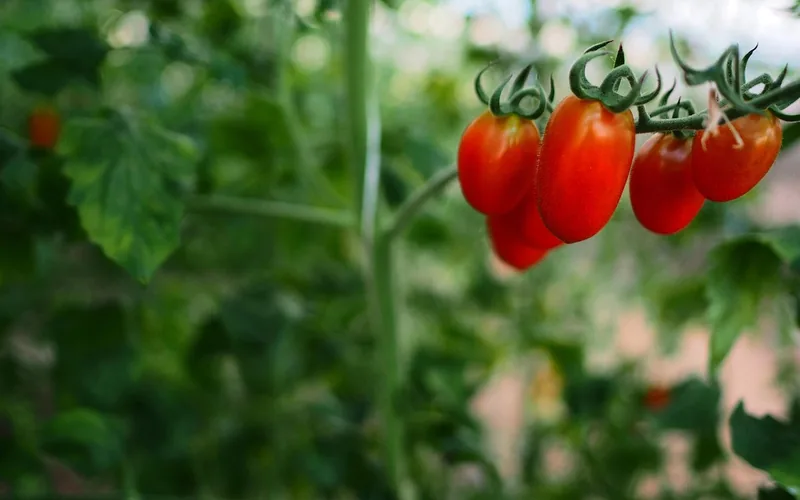
Calcium is the nutrient most concentrated in wood ash, commonly making up 20% or more of its content — it builds strong cell walls and helps prevent blossom end rot in tomatoes and peppers. Potassium runs up to 5% and supports water regulation and fruit development in heavy-feeding crops.
Magnesium, phosphorus, and sulfur each typically appear at up to 2% — phosphorus supports root development, and magnesium is a core component of chlorophyll. Trace amounts of iron, manganese, zinc, and boron round out the nutrient profile, which is why wood ash functions as a legitimate (if mild) natural fertilizer rather than just a pH adjuster.
Soil Ph And Wood Ash
Wood ash is alkaline and raises soil pH — but most vegetables actually prefer slightly acidic soil in the 6.0-7.0 range, so ash needs to be used judiciously rather than applied across the whole garden. It works best where soil is already too acidic and needs correcting toward neutral, not as a blanket additive.
Potatoes are the clearest exception — they need acidic soil, and raising pH with wood ash measurably increases the risk of potato scab, a documented effect confirmed by university extension research. Keep wood ash away from potato beds entirely. Tomatoes and peppers tolerate the alkaline shift well and benefit from the potassium and calcium. Test your soil’s current pH before adding any ash — going in blind is how gardens end up over-alkalized.
Vegetables That Thrive With Wood Ash
Tomatoes and peppers are heavy potassium feeders — the nutrient drives flower and fruit production, and the calcium in wood ash helps prevent blossom end rot. Apply a thin layer worked into the soil before planting, not directly against the stem.
Squash (along with cucumbers and other fruiting vine crops) depends heavily on potassium to form strong fruit and resist mildew and blight, making it another good candidate for light wood ash application.
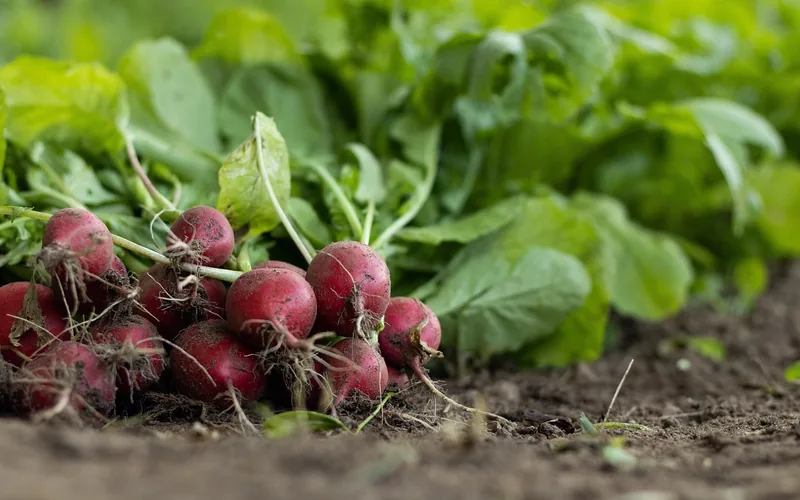
Carrots and beets generally do well with wood ash — the potassium supports root development and the pH shift toward neutral suits both crops. Radishes are more pH-sensitive than carrots or beets; use a lighter hand and test soil first, since radishes can react poorly to a sharp alkaline swing.
Peas and beans benefit from the potassium wood ash provides and generally tolerate the pH shift without issue, making them a low-risk crop to apply ash to.
Onions and garlic respond to the added minerals with more consistent bulb development in balanced soil, though neither needs heavy application — a light dusting worked into the bed at planting is enough.
Application Tips For Wood Ash
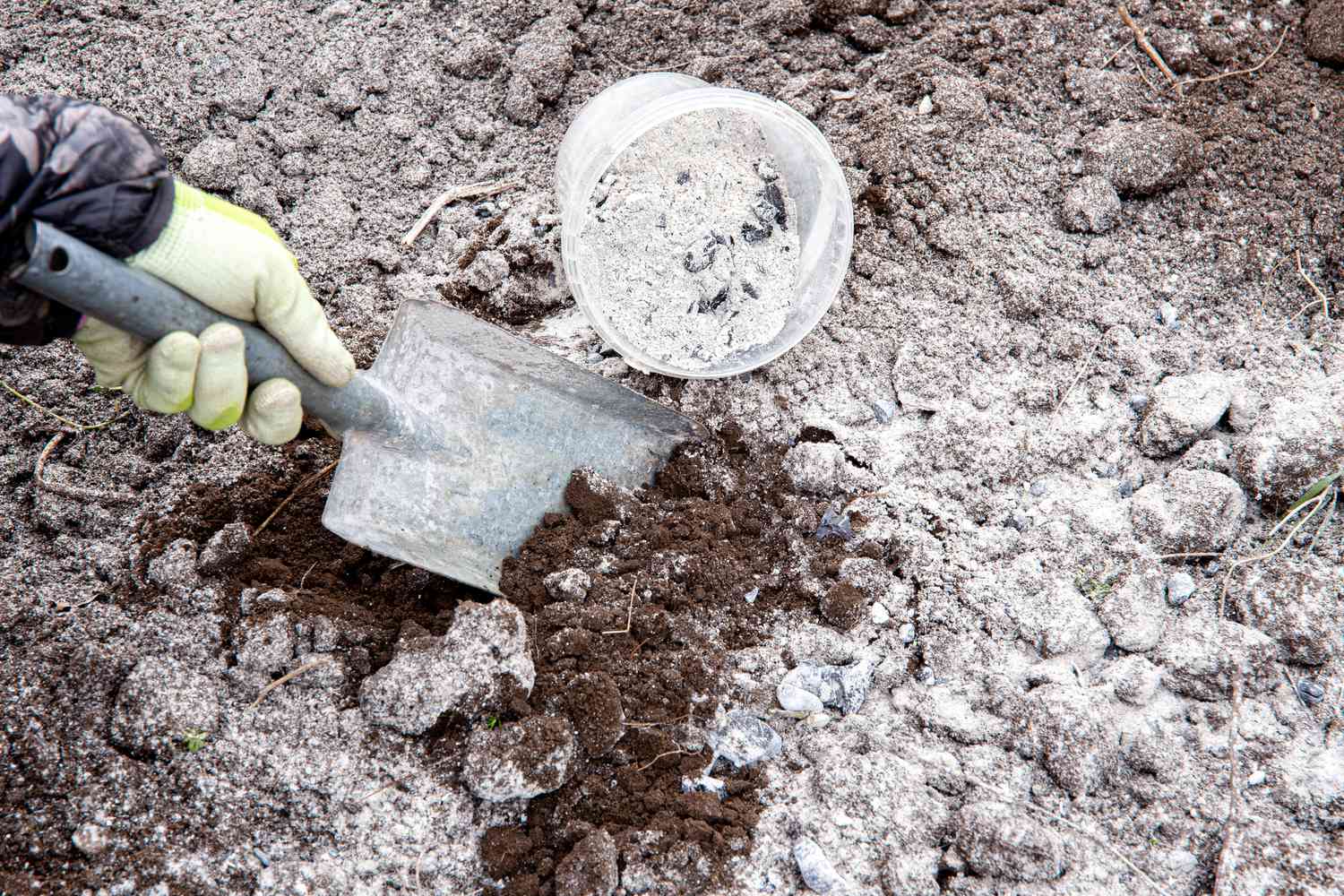
According to University of Wisconsin Extension, applications should max out at 15-20 lbs of wood ash per 1,000 sq ft per year — roughly a five-gallon pail. For a typical home garden bed, that translates to about 1-2 lbs (roughly a quart to a half-gallon jar) per 100 sq ft. Always mix ash into the soil rather than leaving it on the surface, and keep it off the base of plant stems, since direct contact can burn leaves and stems.
Apply in late winter or early spring, working it in with a rake or rototiller before planting. Avoid windy days, since fine ash particles blow easily, and avoid wet days too — wet ash clumps and can wash the soluble potash right out before it reaches the roots.
Testing Your Soil Before You Add Ash
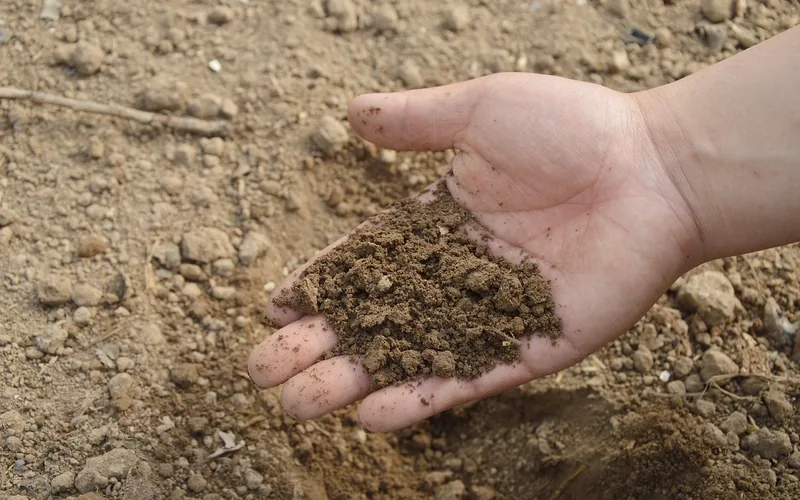
Every source on wood ash application comes back to the same starting point: know your soil’s current pH before adding anything. Since most vegetables want 6.0-7.0 and wood ash only pushes in one direction (up), guessing instead of testing is how gardens end up too alkaline for everything except the handful of crops that actually want it.
Potential Risks And Precautions
Overapplying wood ash makes soil too alkaline, which can lock out nutrient uptake in plants regardless of what’s technically present in the soil. Always apply in small amounts, check soil pH periodically, and mix ash with compost to help balance and buffer the effect rather than applying it alone.
Keep wood ash away from acid-loving plants — blueberries, strawberries, and potatoes all prefer acidic soil, and wood ash works directly against that. For potatoes specifically, the alkaline shift measurably increases the risk of potato scab, a documented effect from university extension research, not just folk wisdom.
Complementary Soil Amendments
Mixing compost with wood ash balances the fast-acting alkalinity of the ash with the slower, more buffered nutrients from compost — the combination works well for most vegetables that tolerate wood ash at all. Compost adds organic matter and a broad nutrient base; wood ash adds concentrated potassium and calcium on top of it.
Organic fertilizers pair well with wood ash for crops like tomatoes that need steady potassium through the growing season — use the ash for an early-season boost and a balanced organic fertilizer for ongoing feeding, rather than relying on ash alone for the whole season.
Frequently Asked Questions
What Vegetables Do Well With Wood Ash?
Tomatoes, peppers, squash, carrots, beets, peas, and beans generally benefit from wood ash’s potassium and calcium content. Use it sparingly — most vegetables still prefer slightly acidic soil overall.
Are Wood Ashes Good For Squash?
Yes. Squash is a heavy potassium feeder, and wood ash’s potassium content supports strong fruit formation and helps resist mildew and blight. Apply a thin, worked-in layer rather than a heavy surface dusting.
Do Carrots And Radishes Need Wood Ash?
Carrots generally tolerate and benefit from light wood ash application. Radishes are more pH-sensitive — test soil first and use a lighter hand, since radishes can react poorly to a sharp swing toward alkaline.
Is Wood Ash Good For Peas And Beans?
Yes, peas and beans generally tolerate the pH shift and benefit from the potassium wood ash provides, making them a lower-risk crop for ash application than root vegetables.
Do Peppers Like Wood Ash?
Yes — peppers respond well to wood ash’s potassium, which supports flower and fruit production, and the calcium content helps prevent blossom end rot. Apply sparingly and mix into the soil.
Conclusion
Wood ash genuinely benefits fruiting crops like tomatoes, peppers, and squash, plus root vegetables like carrots and beets — but it’s not a blanket garden fertilizer. Test soil pH before applying, cap it at 15-20 lbs per 1,000 sq ft per year, keep it away from potatoes and acid-loving plants, and use a lighter hand on pH-sensitive crops like radishes.
Sponsored / affiliate links. As an Amazon Associate I earn from qualifying purchases. I may earn additional commission from eligible campaigns.