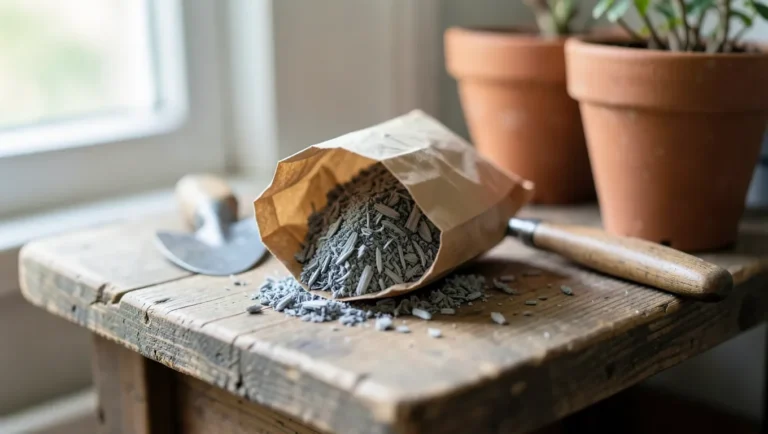
What is the Ph of Wood Ash? Uncover Its Secrets!
Wood ash typically has a pH between 9 and 13, making it strongly alkaline — most sources put the practical average around 10 to 12. Hardwood ash tends to run higher in pH and liming value than softwood ash, since hardwoods generally contain more calcium in their tissue to begin with. That alkalinity is exactly why gardeners use it to raise the pH of acidic soil, and exactly why it needs to be used carefully rather than by the shovelful.
PH Characteristics Of Wood Ash
Best For Checking Soil Before And After Adding Ash
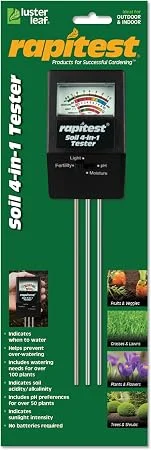 |
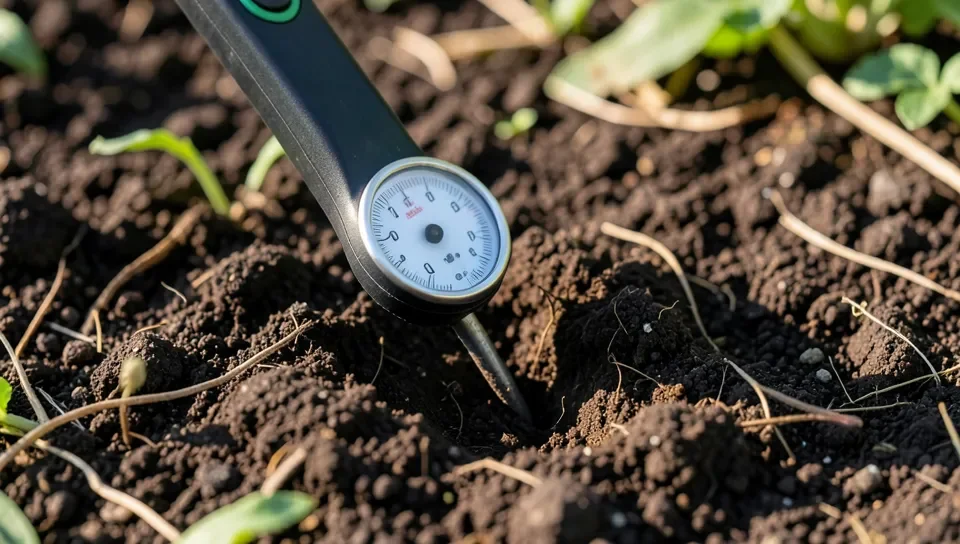
Luster Leaf Rapitest 4-in-1 Soil Tester – $14.45 Checking your soil’s actual pH before and after adding wood ash is the only way to avoid over-liming — this tests pH, moisture, fertility, and light in one probe.
|
Wood ash’s alkalinity comes mainly from calcium carbonate and calcium oxide — the same chemistry behind agricultural lime, which is why wood ash is sometimes called a “liming material.” It also carries potassium, phosphorus, and trace elements plants use, layered on top of that base alkalinity.
Not all wood ash is equal. The species burned changes both the pH and the “liming value” (how much acid-neutralizing capacity the ash actually has) — hardwood ash generally runs higher in both than softwood ash. Always mix ash into compost or apply it thinly rather than adding it directly and heavily; too much can push soil pH higher than most plants tolerate. Never use ash from painted, stained, or treated wood — it can carry toxic residues into the soil.
Chemical Composition
Calcium is the dominant element in wood ash and the main driver of its high pH. Potassium supports plant growth and is present in significant amounts (wood ash is sometimes used as a potassium source for exactly this reason). Magnesium is also present in smaller amounts and supports photosynthesis. Together, these minerals are why wood ash raises soil pH and adds nutrient value at the same time — but that same mineral concentration is why overapplication causes problems rather than just “more of a good thing.”
Factors Affecting PH
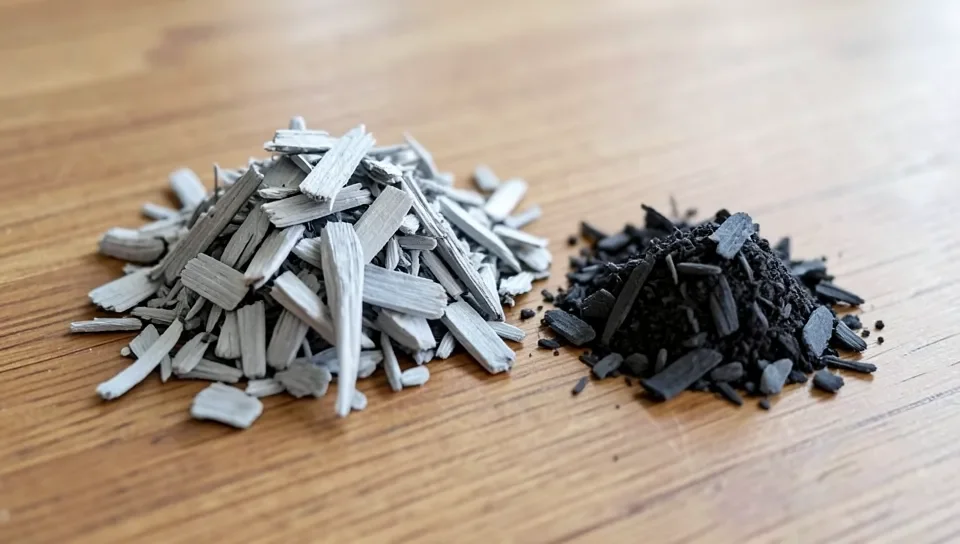
Wood species is the biggest factor: hardwoods like oak and maple generally produce ash with a higher pH and liming value than softwoods like pine and fir, because hardwood tissue typically contains more calcium to start with. How completely the wood burns matters too — more complete combustion at higher temperatures burns off more carbon and concentrates the alkaline mineral content, producing a more strongly alkaline ash. Incomplete or smoldering burns leave more unburned carbon mixed in, diluting that alkalinity somewhat.
Testing Wood Ash Or Soil PH
A dedicated pH meter probe gives a direct digital or dial reading when pushed into moist soil. pH test strips are the cheaper alternative — dip or mix with a soil-water slurry, then compare the color change to a reference chart. Either way, test with clean, fresh samples and calibrated tools; old ash samples or a dirty probe both skew the reading.
Applications In Agriculture And Gardening
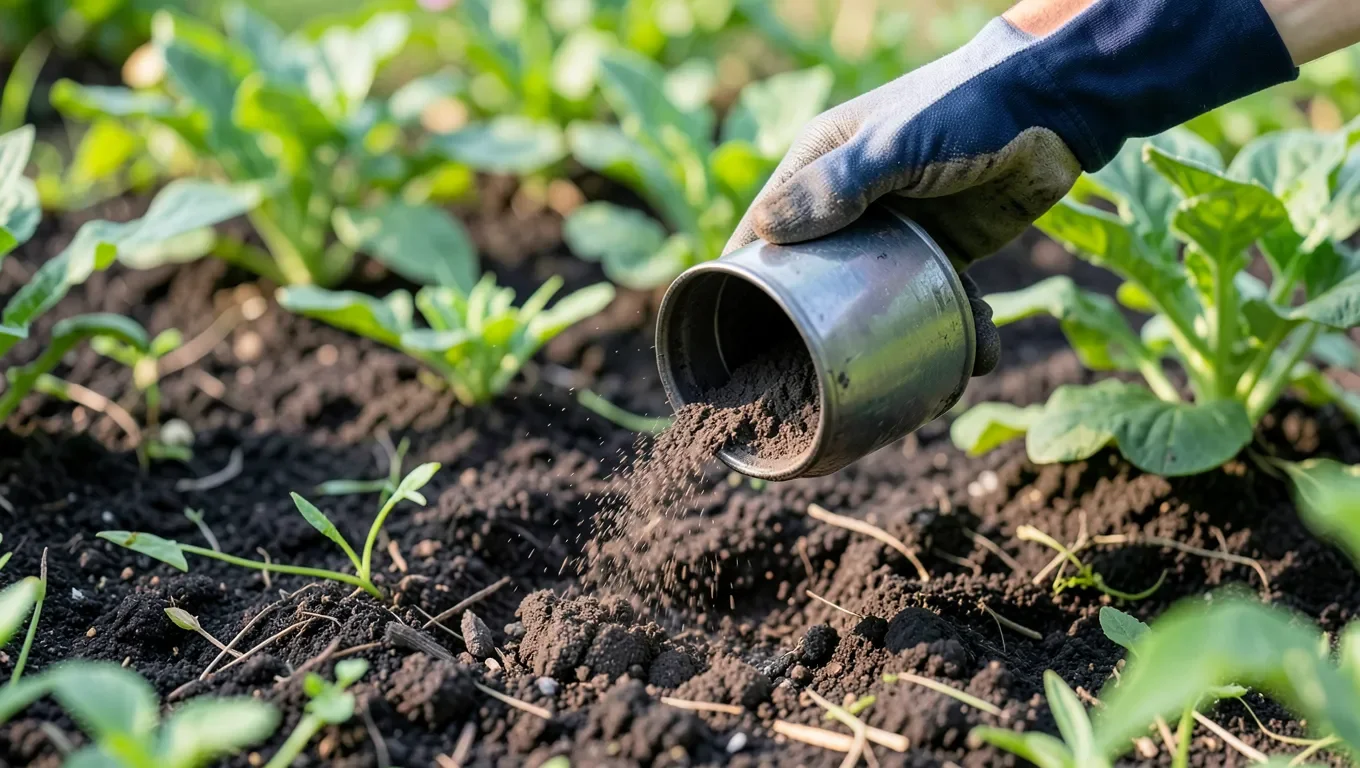
Wood ash is a genuine liming and nutrient amendment for acidic soil — it raises pH while adding calcium and potassium in one application, which is useful for crops and garden plants that prefer neutral-to-slightly-acidic conditions. It’s specifically NOT for plants that need acidic soil (blueberries, azaleas, rhododendrons, and most conifers) — adding ash there does the opposite of what those plants need. Test your soil’s existing pH first; wood ash on already-neutral or alkaline soil just pushes it further in the wrong direction.
Environmental Considerations
Because wood ash is so alkaline, heavy or repeated overapplication can push soil pH too high for the plants growing there, and runoff from large amounts can alter the pH of nearby water and affect aquatic life. Spreading it thinly, working it into compost first, and testing soil pH periodically keeps it a genuine soil benefit rather than an overcorrection.
Wood Ash vs. Agricultural Lime
Both wood ash and agricultural lime raise soil pH, but they behave differently. Lime (crushed limestone) reacts more slowly and its effect lasts longer in the soil. Wood ash reacts faster — you’ll see a pH change sooner — but it’s also easier to overdo, since its immediate alkalinity can stress or burn plant roots if applied too heavily in one spot. If you need a large, predictable, long-term pH correction, lime is generally the more controllable choice; wood ash is better suited to smaller, more frequent applications.
Frequently Asked Questions
Is Wood Ash A Base Or Acid?
Wood ash is a base (alkaline), typically pH 9 to 13, mainly from calcium carbonate and calcium oxide. Gardeners use it to neutralize acidic soil, but it should be applied carefully — excessive use can push pH too high and harm plants.
Does Hardwood Or Softwood Ash Have A Higher PH?
Hardwood ash (oak, maple, and similar species) generally has a higher pH and liming value than softwood ash (pine, fir), because hardwood tissue typically contains more calcium to begin with. Either type is alkaline; hardwood ash is simply stronger.
What Plants Benefit Most From Wood Ash?
Plants that prefer neutral to slightly acidic soil — like tomatoes, garlic, and many vegetable-garden staples — generally benefit from wood ash’s potassium, calcium, and pH-raising effect. Avoid it around acid-loving plants like blueberries and azaleas, and always test soil pH before applying.
What Is The PH Of Wood Dust?
Unburned wood dust is mildly acidic, typically in the pH 4 to 6 range depending on species — a very different chemistry from wood ash, since burning is what converts wood’s natural acidity into ash’s strong alkalinity.
Conclusion
Wood ash is strongly alkaline, typically pH 9 to 13, with hardwood ash generally running higher than softwood ash. That makes it a genuinely useful liming and nutrient amendment for acidic garden soil — provided you test first, apply it thinly or through compost, and skip it entirely around acid-loving plants. Handle it with the same care you’d give any strong alkaline material, and it’s a free, effective soil amendment rather than something to fear or overuse.
Sponsored / affiliate links. As an Amazon Associate I earn from qualifying purchases. I may earn additional commission from eligible campaigns.