How to Apply Teak Oil to Outdoor Furniture (Coats + Mold Risk)
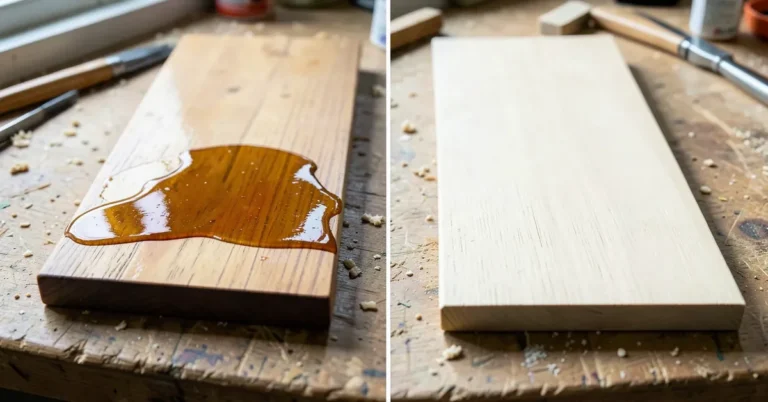
Teak oil on outdoor furniture goes on thin and comes off fast: wipe it onto clean, fully dry teak, then wipe off all excess within the window printed on your can (5 to 30 minutes, depending on brand). One coat is usually enough, and heavy coats can grow mildew. This guide covers prep, amounts, the wipe-on routine, drying windows, and when to switch to sealer.
Does Teak Oil Belong on Outdoor Teak? What It Really Does
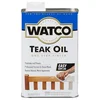 |
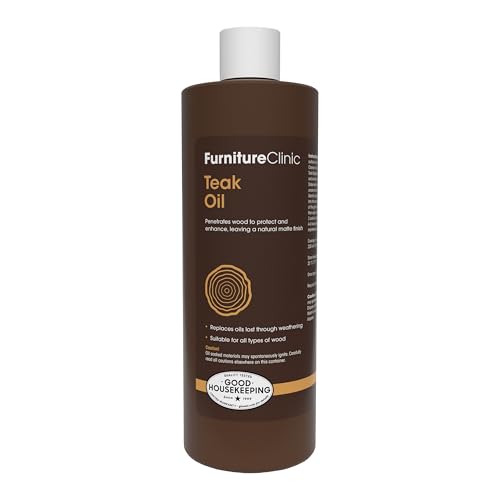
Best Wipe-On Teak Oil Pick Watco Teak Oil Finish (Quart), $18.98 Watco’s directions are the same wipe-on, wipe-off routine this guide walks through: brush or cloth it on, let it soak in for 15 to 30 minutes, then wipe off every bit of excess.
|
As an Amazon Associate we earn from qualifying purchases.
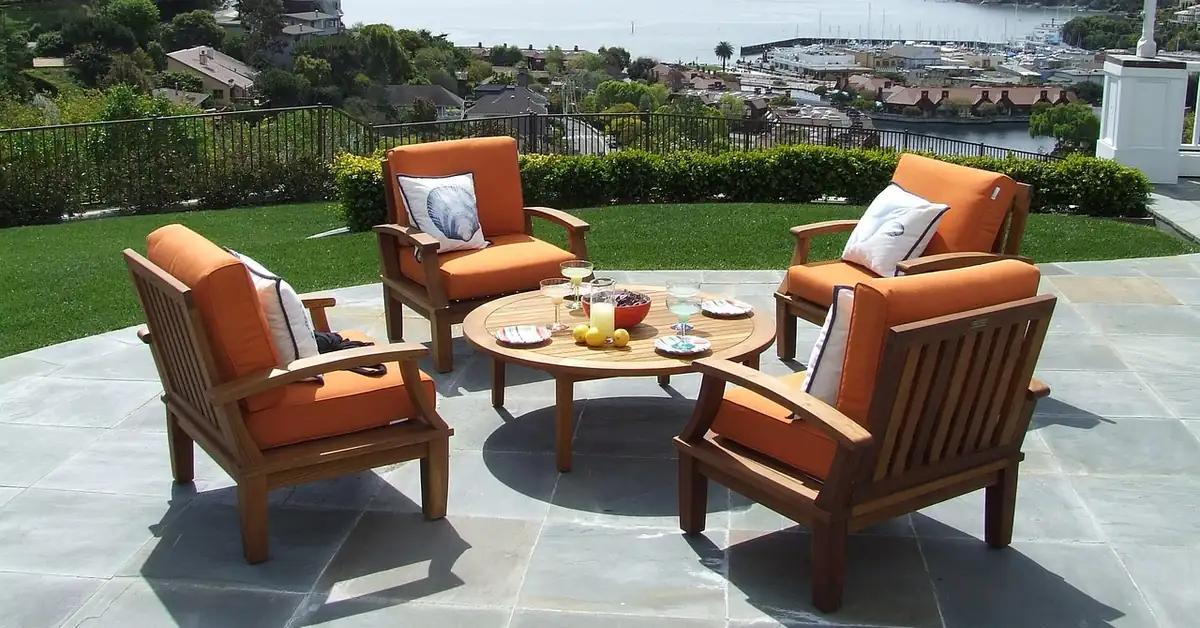
Teak does not need oil to survive outside. The Wood Database calls teak the gold standard for decay resistance, rates its heartwood very durable, and says it weathers to gray without any treatment. So teak oil is a color choice: it keeps the golden-brown look instead of letting the wood silver.
The catch is what is in the can. Teak oil is not pressed from teak. It is a blend of drying oils such as linseed or tung with solvents, which is why a tung oil vs teak oil comparison is useful. Teak furniture care guides, such as one from a teak furniture retailer, point out that these organic oils can feed mildew outdoors, and that UV breaks the finish down within months. That is the mold risk in this article’s title, and it is why method matters more than product.
If you are choosing between oil, sealer and varnish, our teak finishing guide covers that decision. This page assumes you have decided on oil and want to apply it correctly.
What You Need and How Much Oil to Buy
- Teak oil (one quart covers a typical patio set; see the note below)
- Lint-free cotton cloths and a 2-inch foam brush
- Mild soap, a soft brush, and a bucket for washing
- 220-grit sandpaper, only if the surface is rough
- Mineral spirits for the wipe-down and for fixing a tacky spot
- Nitrile gloves and good ventilation
- A sealed metal can of water or a flat, non-flammable surface for used rags
The Watco quart listing states coverage of up to 170 square feet, which is a best-case figure for one coat. A 72 by 36 inch table top is 18 square feet, so one quart is plenty for a table and four chairs even if dense teak takes up less than the label figure suggests. Buying a gallon for a single patio set is wasted money, and an open can of old oil is one more thing to store safely.
Read the Can: Wipe-Off Windows Differ by Brand
Most advice online says to wipe off the excess after 15 minutes. That is one brand’s number, not a rule. These are the directions from the two makers whose pages we read for this update.
| Step | Star brite Premium Golden Teak Oil | Watco Teak Oil Finish |
|---|---|---|
| Apply to | Dry teak with cloth, sponge or brush, with the grain | Brush, cloth or roller |
| Wait before wiping | 5 minutes | 15 to 30 minutes to penetrate |
| Second coat | Only if wood is extremely porous or weathered | Allow at least 30 minutes before recoating |
| Ready for use | Not stated on the product page | 24 hours (tack free in about 8 hours per the Amazon listing) |
| Reapply | At the first sign of weathering | Not stated in the sources we read |
Sources: Star brite product page and Watco directions as summarized from Rust-Oleum’s consumer support material. Two things stand out. Neither label asks for the three to five coats you see in many guides, and the safe wipe window for one product can be six times longer than for another.
Prep: Clean, Dry, and Pick the Right Day
Prep decides whether the oil absorbs or sits on top. Wash first. If the pieces are gray, black-spotted or carry an old finish, start with our teak restoration guide or redo teak guide, then come back here for the oiling itself.
Oil dries slower in cool, damp conditions, and Watco says lower temperatures and higher humidity slow dry times. Pick a dry, mild day with no rain in the forecast. Since Watco’s tack-free time is about 8 hours and normal use waits 24, plan one dry day for the coat and keep the furniture covered or indoors that night. Avoid direct midday sun on hot wood, which can flash the surface before it soaks in.
How to Apply Teak Oil to Outdoor Furniture Step by Step
- Clean it: Wash off dirt and mildew with mild soap and water or a teak cleaner, rinse, and read our guide to cleaning teak wood if the surface is gray or stained.
- Let it dry completely: Oil only goes on dry teak. Give furniture a full dry day after washing, longer after rain or in shade.
- Wipe with solvent if it feels greasy: The Wood Database notes teak’s natural oils can make raw surfaces feel oily, and a solvent wipe may be needed before finishing. Wipe lightly with the mineral spirits the can names and let it flash off.
- Sand only if rough: Hand-sand with the grain using 220-grit, then wipe off the dust. Skip this on smooth, clean pieces.
- Stir the can: Stir, do not shake, so the pigments and solvents mix evenly.
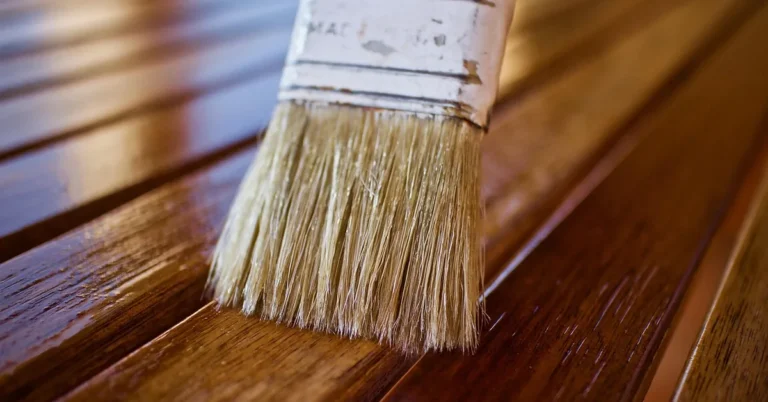
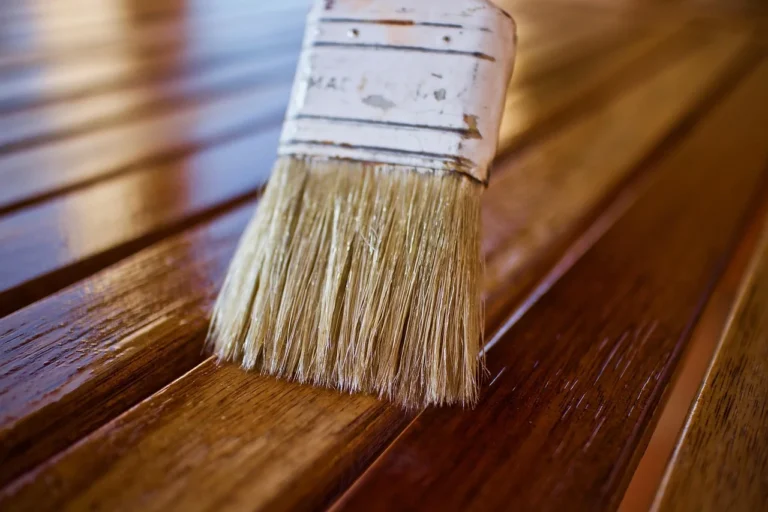
- Wipe on a thin coat: Use a lint-free cloth or a foam brush and work with the grain, one slat or board at a time.
- Wipe off all excess: Use a clean cloth within the window on your can: about 5 minutes for Star brite, 15 to 30 minutes for Watco. No shiny wet spots should remain.
- Add a second coat only if the wood is thirsty: If bare wood drinks the first coat fast, add one more after the label’s recoat time. Otherwise stop at one.
- Cure before use: Keep the furniture dry for at least a day. Watco says to wait 24 hours before normal use.
Work in sections and wipe each one before moving on. Oil left to sit on one slat while you coat the next is the usual start of a sticky patch. Check the underside of slats and the end grain too, since end grain soaks up the most oil.
How Many Coats and How Often to Reapply
Plan on one coat, plus a second only if bare wood drinks the first quickly. The three to five coats advice that appears in many guides is not on the Star brite or Watco directions we read, and extra coats mostly add surface film. There is also no calendar on those labels. Star brite says to reapply at the first sign of weathering, so go by the wood: when the color visibly fades or dulls, wash and re-oil.
Reapplying over a dirty, mildewed surface locks the problem in. Wash and dry before every recoat.
Fixing a Sticky or Blotchy Finish
Rust-Oleum’s support guidance says tackiness comes from excess oil left on the surface. The fix it describes is to lightly rub the area with #0000 steel wool and more teak oil or mineral spirits, working small sections, and wipe with a clean lint-free cloth while the surface is still wet. Blotches from oiling in hot sun or over damp wood usually mean stripping back the spot with solvent and starting that area again.
If an old oil coat has already gone dark and spotty outdoors, the retailer guide mentioned above suggests cleaning with teak cleaner, spot-sanding hardened patches with 220-grit along the grain, waiting 24 to 48 hours, then sealing or leaving the wood bare.
Oily Rags and Safety
Rags soaked in oil-based finishes can heat up as the oil cures. Do not bunch them up. Lay them flat on a non-flammable surface outdoors until dry and stiff, or soak them in a sealed metal can of water, and follow the disposal directions on your can. Our guide to disposing of oily rags safely covers which oils ignite. Star brite’s product page also carries a California warning about ethylbenzene and toluene, so wear gloves and work outdoors with airflow.
When to Switch to a Sealer or Skip the Oil
| Your situation | Better route |
|---|---|
| Furniture in full sun and rain all year | Skip oil. Teak sealer or let it weather to silver (see our outdoor teak treatment guide) |
| Covered porch or sunroom piece you want golden | Oil is reasonable, thin coats, reapply when color fades |
| Black spots already showing under old oil | Clean, spot-sand, dry 24 to 48 hours, then sealer or bare wood |
| Choosing wood for new furniture | Compare species in our outdoor furniture wood guide |
FAQ
How many coats of teak oil should I put on outdoor furniture?
One is usually enough. Star brite’s directions call for a second coat only on extremely porous or weathered wood, and Watco’s give a minimum recoat wait of 30 minutes after wiping. More coats do not add protection and increase the chance of a tacky surface.
How long do you leave teak oil on before wiping it off?
It depends on the brand. Star brite’s Premium Golden Teak Oil says to wait 5 minutes, then wipe off the excess. Watco says to let the oil penetrate for 15 to 30 minutes, then wipe off the excess. Use the window printed on your own can.
Can teak oil cause mold on outdoor teak?
Yes, it can. Linseed and tung oil blends are organic, and teak furniture care guides say outdoors they can become a food source that mildew colonizes, while untreated teak resists fungal growth on its own. Thin coats and full wipe-off reduce the risk but do not remove it.
Why is my teak oil still sticky?
Excess oil left on the surface is the usual cause. Rust-Oleum support says to lightly rub the area with #0000 steel wool and more teak oil or mineral spirits, working small sections, then wipe with a clean lint-free cloth.
Should I use teak oil or teak sealer outdoors?
Many teak furniture makers recommend a sealer or no finish outdoors, because oil breaks down in sun and can feed mildew. Teak oil suits indoor teak and covered porches where you want the warm color and accept regular recoating.
Conclusion
Teak survives outdoors without oil, so oil is about color. If you want it, apply one thin coat to clean, dry wood, wipe off every trace within your can’s window, and re-oil only when the color fades. If mildew keeps coming back, that is the signal to move to a sealer.
Sponsored / affiliate links. As an Amazon Associate I earn from qualifying purchases. I may earn additional commission from eligible campaigns.