How to Refinish Redwood Outdoor Furniture: Strip, Sand, Reseal
Redwood outdoor furniture needs a full strip-sand-reseal refinish every 3 to 5 years, not just a fresh coat of stain brushed over the old finish. Skipping the stripping step traps cracked, UV-damaged finish under the new coat, and it peels within a season. This guide covers stripping old finish, sanding to the right grit, choosing between tung oil and exterior polyurethane, and how often each needs reapplying.
Quick Answer
To refinish redwood outdoor furniture: strip the old finish with a chemical stripper, sand with 120-grit then 220-grit sandpaper (always with the grain), then apply tung oil or exterior spar polyurethane. Reapply tung oil every 6-12 months; polyurethane finishes hold up 2-3 years before resealing.
What You Need to Refinish Redwood Furniture
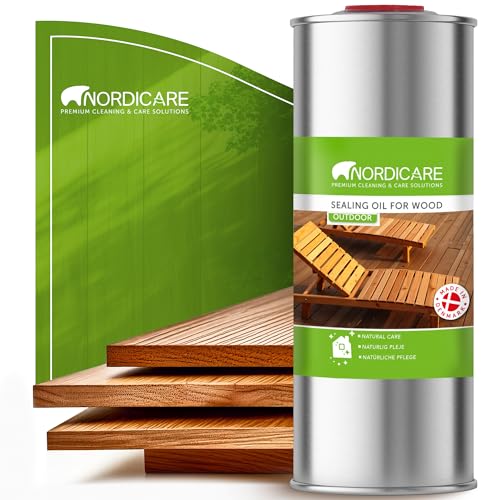
Best Tung Oil Pick for Redwood Furniture
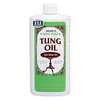
HOPE’S 100% Pure Tung Oil, Food-Safe, 16 fl oz
A pure, food-safe tung oil rated for both indoor and outdoor wood projects, applied with a cloth or brush after sanding.
- Best for: Natural-look redwood furniture where you want the grain and color to stay visible
- Why we picked it: Well-established brand, pure tung oil with no added drying agents to interfere with reapplication every 6-12 months
- Main drawback: Needs more frequent reapplication outdoors than a film finish like polyurethane
Compare more tung oil options
 Option 1 Walrus Oil 100% Pure Tung Oil
|
 Option 2 OLASIR 8oz Pure Tung Oil
|
 Option 3 NetLea 32oz Pure Tung Oil
|
As an Amazon Associate we earn from qualifying purchases.
Gather everything before you start so the stripper doesn’t dry out mid-job:
- Paint-and-varnish chemical stripper (for furniture with old paint, stain, or sealer already on it)
- Plastic putty knife and fine steel wool
- 120-grit and 220-grit sandpaper (or an orbital sander with matching discs)
- Tack cloth or a damp lint-free rag
- Tung oil or exterior-grade spar polyurethane or exterior semi-gloss paint plus exterior primer
- Natural-bristle brush or foam applicator, and rubber gloves
How to Strip Old Finish From Redwood Furniture
Sanding directly over cracked or peeling paint, stain, or sealer just buries the failing layer under a new coat — it will bubble and peel again within months. Strip loose finish first, then sand.
- Remove hardware and cushions: Take off any hinges, cushions, or fabric before starting.
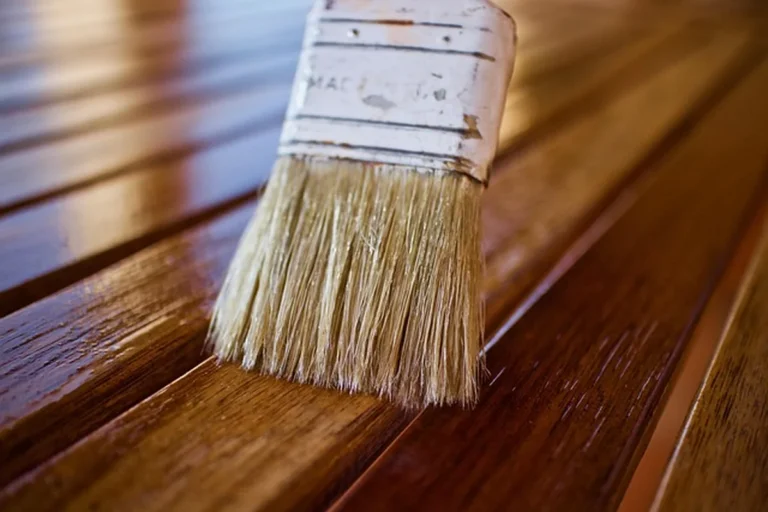
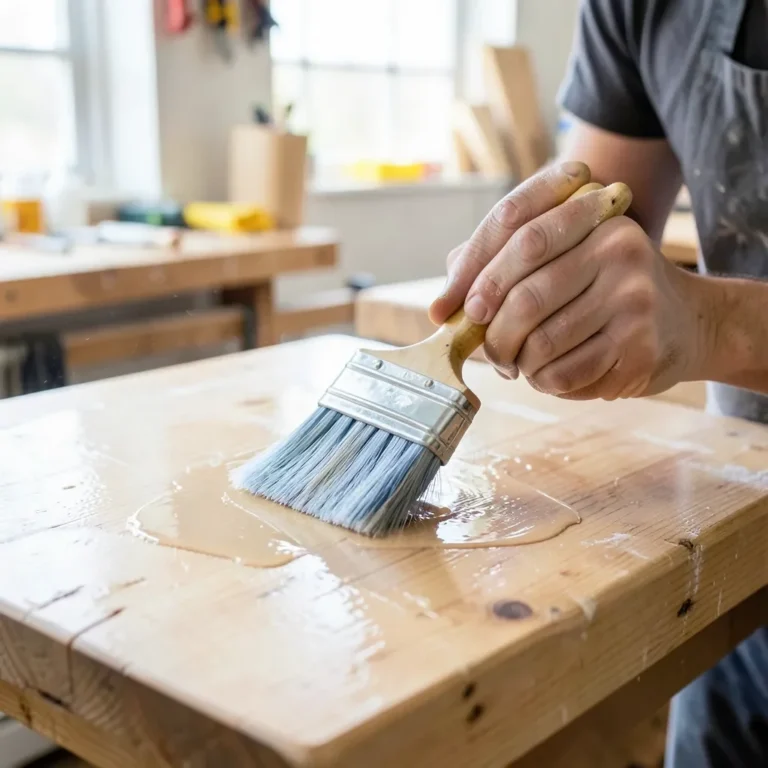
- Apply the stripper: Brush a heavy, even coat of paint-and-varnish stripper over the old finish and let it sit until the surface bubbles and lifts — check the product label, but this usually takes 15 to 30 minutes.
- Scrape and steel-wool: Scrape off the softened finish with a plastic putty knife, then work fine steel wool into corners and carved details the scraper can’t reach.
- Rinse and dry fully: Wipe down with a damp cloth to remove stripper residue, then let the bare wood dry for a full 24 hours before sanding — sanding damp wood clogs the paper and leaves a rough finish.
Work in a well-ventilated area and wear gloves — chemical strippers give off strong fumes and irritate bare skin.
How to Sand Redwood Furniture Before Refinishing
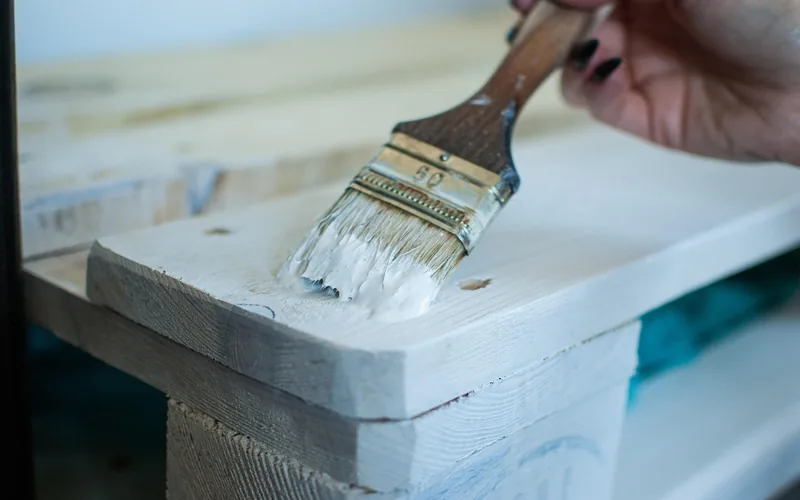
Once the wood is bare and dry, sand with 120-grit sandpaper first to remove old stripper residue and roughness, then switch to 220-grit for a smooth, finish-ready surface. Always sand with the grain, not across it — cross-grain scratches show clearly under a clear finish like tung oil.
Work in small sections with long, even strokes, keeping consistent pressure on the sander. Vacuum the dust after each grit change and wipe the surface with a tack cloth before moving to the next grit or applying finish — leftover dust gets trapped under the new coat and shows as a gritty texture.
What Is the Best Finish for Redwood Furniture?
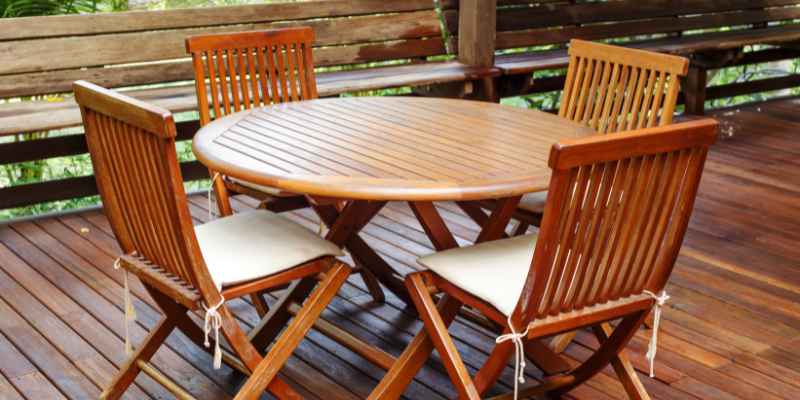
The best finish for redwood depends on the look and maintenance level you want. For a natural look that shows off the grain, a clear sealer or tung oil works well and is easy to renew. For maximum weather protection with the least upkeep, a solid-color exterior stain or exterior semi-gloss paint over primer holds up longest against UV and moisture, though it hides the wood grain entirely. See our full wood finishing guide for how these options compare across other wood species too.
| Finish | Reapply Every | Best For |
|---|---|---|
| Tung oil | 6–12 months | Keeping the natural grain and color visible |
| Exterior spar polyurethane | 2–3 years | A glossy, durable topcoat with less frequent upkeep |
| Exterior paint (over primer) | 4–6 years | Maximum weather protection when grain doesn’t matter |
How Often Should You Refinish Redwood Outdoor Furniture?
Plan on a full strip-sand-reseal refinish every 3 to 5 years for furniture left outdoors year-round, sooner in climates with harsh sun or heavy rain. Between full refinishes, a quick sand-and-restain or a power wash followed by a fresh coat of sealer can extend the finish’s life without stripping everything back to bare wood.
Regular light maintenance stretches out that 3-to-5-year window: hose the furniture down after pollen season or a dry summer, brush off debris, and keep it covered or under an eave when it’s not in use.
📊 Redwood rates about 420–450 lbf on the Janka hardness scale — roughly 20–25% harder than western red cedar (≈350 lbf) but softer than yellow pine (≈690 lbf). Hardness isn’t the deciding factor for outdoor use, though: yellow pine still needs pressure-treatment or paint to survive weather, while redwood and cedar resist rot naturally on their own. Source: Janka hardness test ratings, the industry-standard method for comparing wood species’ resistance to denting.
“Tung oil needs reapplying about once a year to keep protecting outdoor wood and to keep the color from fading — a conversion varnish finish skips that yearly upkeep, but trades away some of redwood’s natural warmth and color depth.”
Is Redwood a Good Choice for Outdoor Furniture?
If you’re shopping for new outdoor furniture, redwood is worth considering. It contains natural tannins that make it resistant to rot, decay, and many insects, so it holds up outdoors without chemical pressure-treatment. The main tradeoff is cost — redwood typically costs more than cedar or pine — but with the refinishing schedule above, a redwood piece can last for decades and often becomes a long-term fixture rather than a replaceable one.
Common Mistakes When Refinishing Redwood Furniture
- Sanding over old, cracked finish instead of stripping it first — the new coat peels within a season.
- Skipping the grain direction and sanding across it, which leaves visible cross-grain scratches under clear finishes.
- Applying a second coat before the first is fully dry, which traps solvent underneath and causes a cloudy, uneven finish.
- Reapplying tung oil monthly out of habit — most climates only need it every 6 to 12 months; over-oiling builds up a sticky film instead of protecting the wood.
Frequently Asked Questions
How often should you refinish redwood outdoor furniture?
Plan on a full strip-sand-reseal refinish every 3 to 5 years for furniture left outdoors year-round. In between full refinishes, a quick clean and a fresh coat of sealer or oil extends the current finish without stripping back to bare wood.
Do you need to strip the old finish before refinishing redwood furniture?
Yes, if the existing paint, stain, or sealer is cracked or peeling. Sanding directly over failing finish just buries the problem under a new coat, and it will bubble and peel again within months. Strip loose finish with a chemical stripper, then sand the bare wood.
How often should you reapply tung oil on outdoor redwood furniture?
Every 6 to 12 months for most climates, and closer to every 6 months in areas with intense sun or heavy rain. Reapply as soon as the wood starts looking dry or dull rather than on a strict calendar — that visual cue matters more than the exact month count.
How do you keep redwood furniture from turning gray?
You can’t stop the graying permanently — it’s UV and oxidation changing the surface color, not decay, and the wood underneath stays sound. A UV-blocking sealer or tung oil slows it down considerably, and keeping furniture out of constant direct sun and hosing off pollen and debris regularly stretches the natural color out for years longer.
Redwood outdoor furniture is a long-term investment, and refinishing it correctly — strip, sand, then reseal — is what actually makes it last decades instead of a few seasons. Skip straight to sanding over an old failing finish and you’re just buying yourself another refinish next year. For more on protecting redwood specifically, see our guide to treating redwood for outdoor use, or compare finish options across wood species in our outdoor wood furniture finish guide.
Sponsored / affiliate links. As an Amazon Associate I earn from qualifying purchases. I may earn additional commission from eligible campaigns.