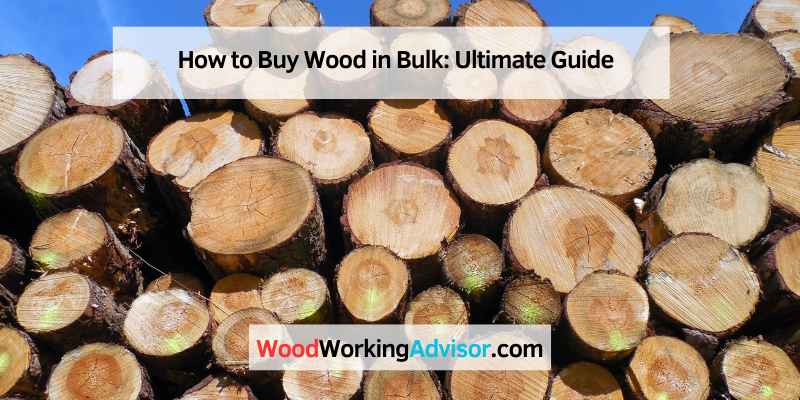
How to Buy Wood in Bulk: Bulk Pricing Tiers Explained
Buying wood in bulk lowers your price per board foot — but only once you cross real volume breakpoints, not just by ordering “a lot.” Order under about 500 board feet and most yards still bill you close to retail; hit a full truckload (20,000+ board feet) and per-foot cost can drop sharply. This guide covers the exact bulk pricing tiers, where wholesalers and brokers actually sell, and how to negotiate before you commit to a load.
Not sure what retail even looks like first? Check what a single 2×4 costs at normal per-board pricing so you have a baseline to compare any bulk quote against.
Wood Buying Tiers: How Much You Actually Need to Order to Save
Best Wood Moisture Meter Pick
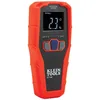
Klein Tools ET140 Pinless Moisture Meter
A non-invasive meter for spot-checking a bulk delivery before you accept it.
- Best for: checking moisture across a full pallet or truckload before you sign off on delivery
- Why we picked it: pinless sensing reads up to 3/4″ deep, so you can spot-check a stack fast without marking boards you haven’t paid for yet
- Main drawback: reads less precisely on rough-sawn or very uneven lumber than a pin-type meter
Compare more moisture meter options
 Option 1 General Tools MMD4E Pin-Type Meter
|
 Option 2 TopTes TS-630 Digital Meter
|
 Option 3 General Tools MMD7NP Pinless Meter
|
As an Amazon Associate we earn from qualifying purchases.
The price break for buying wood in bulk doesn’t happen the moment you order “more” — it happens at specific volume thresholds that most buying guides never spell out. Here are the bands to ask your supplier about by name, not just “do you have a bulk discount.”
| Order Size | Typical Pricing Level | Where You Buy | Best For |
|---|---|---|---|
| Under 100 board feet | Retail | Home center or retail lumberyard counter | One-off small projects |
| 100–500 board feet | Retail to entry dealer | Local lumberyard, contractor desk | Hobbyists restocking, small builds |
| 500–8,000 board feet | Dealer / contractor pricing | Regional hardwood distributor | Cabinet shops, remodelers, repeat buyers |
| 8,000–20,000 board feet | Wholesale minimum | Direct sawmill or wholesale supplier | Builders, higher-volume shops |
| 20,000–45,000+ board feet (full truckload) | Full wholesale / bulk rate | Sawmill, wholesale broker, direct freight | Large contractors, manufacturers, group buys |
These bands shift by species, region, and individual supplier — a hardwood mill’s wholesale minimum and a big-box store’s bulk-pallet discount aren’t the same scale. Treat the table as the questions to ask (“what’s your price at 500 board feet? At 8,000?”) rather than a fixed price list.
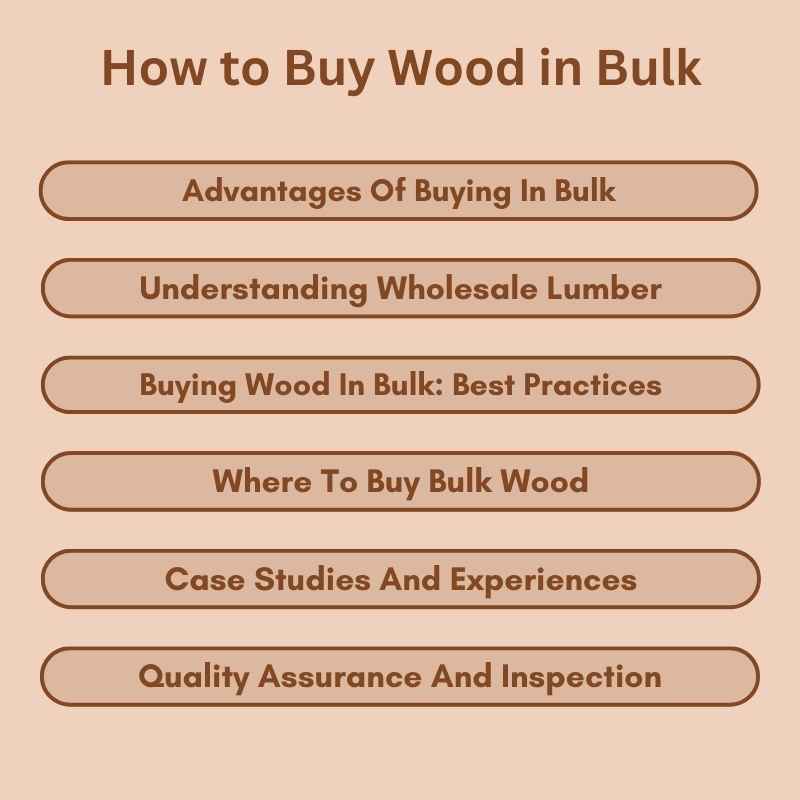
Advantages Of Buying Wood In Bulk
Buying in bulk offers real advantages for contractors and DIY woodworkers alike — mainly cost, convenience, and supply reliability.
Cost Savings
Suppliers discount larger orders because production and delivery costs spread across more board feet. Consolidating several small purchases into one larger order also cuts your transportation cost per unit, since freight is billed mostly by the shipment, not the board.
Convenience And Availability
A larger standing order means fewer trips back to the yard and less risk of a mid-project stock-out. Establishing a repeat relationship with one supplier also means once you’ve calculated the exact quantity you require, you can lock it in ahead of time instead of chasing down a specific grade at the last minute.
Understanding Wholesale Lumber
Lumber wholesalers buy large volumes of hardwood and softwood directly from sawmills, then resell to retailers, homebuilders, contractors, and lumberyards. If you’re new to buying lumber generally, our wood buying and materials guides cover species-specific basics before you get into bulk-specific tactics.
Lumber Wholesalers
Wholesalers purchase directly from sawmills and other primary sources, carrying a wide range of species and grades. They’re a route to lumber at competitive per-board-foot prices for businesses and serious individual buyers, but most set a minimum order — often around a truckload — that’s too high for a single small project.
Who Can Benefit From Wholesale Lumber Suppliers
Construction companies, contractors, homebuilders, and high-volume DIYers or shop owners are the buyers who actually clear wholesale minimums and see the savings pay off.
- Construction companies
- Contractors and remodelers
- Homebuilders
- Cabinet shops and high-volume DIY woodworkers
What Is a Lumber Broker, and Should You Use One?
A lumber broker doesn’t mill wood — they source it from a network of mills and wholesalers on your behalf, which matters if you need one large order but don’t want to build a relationship with a single mill. A broker is worth calling when you need a specific species or grade in bulk that your usual yard doesn’t stock, or when you want competing quotes without contacting five suppliers yourself. For a single standing relationship and repeat orders, going direct to a wholesaler or mill usually costs less, since a broker’s fee is built into the quote.
Buying Wood In Bulk: Best Practices
Finding the right local supplier, choosing the correct grade, and knowing how to negotiate matter more to your final price than the raw quantity you order.
Finding Local Lumberyards
Start local. A nearby lumberyard that knows your order history will often extend better pricing and honest recommendations than a one-time online order, and you skip freight entirely if you can pick up your own load.
Tips For Choosing The Right Grade Of Lumber
Grade drives price as much as species does. If appearance isn’t critical — framing, blocking, jigs, shop fixtures — a lower grade with more knots cuts cost without hurting the build.
- Identify your project’s actual requirements before you ask for a quote — structural pieces need a higher grade; hidden framing usually doesn’t.
- Ask your lumberyard which grade fits the application — grading rules vary by species and aren’t always intuitive.
- Consider reclaimed or recycled lumber for character pieces — it’s often cheaper per board foot and more sustainable than milled bulk stock.
Negotiating A Better Bulk Price
Suppliers will move on price for a guaranteed large sale — but only if you ask the right questions in the right order.
- Total your board footage first: Calculate your exact board-foot need for the whole project (or the year, for a shop) before calling — a vague “a lot” gets you a vague quote.
- Ask about the next threshold up: Ask what quantity unlocks the next price break, not just what today’s quote is — ordering slightly more sometimes crosses into a cheaper tier.
- Compare landed cost, not sticker price: Add freight, delivery minimums, and handling fees to the board-foot price before comparing two suppliers against each other.
- Ask about blanket or standing orders: If you buy regularly, a blanket purchase agreement often prices below a single one-off large order.
- Time large orders around the off-season: Lumber demand — and price — typically eases outside peak building season; ask your supplier when their slow period falls.
Bulk Buy Specials
Beyond standard wholesale pricing, many suppliers run limited-time bulk specials worth checking before you place a standing order.
| Supplier | Product | Notes |
|---|---|---|
| Advantage Lumber | Hardwood | Rotating bulk-buy specials by species |
| ButlerWood | Firewood | Bulk firewood pricing by the cord/pallet |
Where To Buy Bulk Wood
Where you buy determines which pricing tier you can actually reach. These are the main routes, roughly in order of volume:
- Local lumberyards and contractor desks — the easiest entry point for the 100–500 board foot range; ask specifically for contractor or dealer pricing, which isn’t always posted.
- Regional hardwood distributors — carry a wider species selection at dealer pricing once you clear their minimum, typically a few hundred board feet.
- Sawmills and primary producers — the cheapest per-board-foot rate, but usually require truckload-scale minimums and don’t always sell to individuals.
- Lumber brokers — useful for a one-time large order across multiple mills without building five separate supplier relationships.
- Online specialty retailers — convenient for species that aren’t stocked locally, though freight on bulk orders can offset part of the savings.
- Salvaged or surplus lumber — remodeling and construction crews generate real waste lumber and are sometimes willing to sell or give it away; worth asking if your project can use mixed sizes.
Whichever route you choose, cross-check the species price against our other lumber pricing guides — costs for white oak and redwood decking move independently of each other and of general bulk-discount trends, so a “bulk price” on the wrong species can still cost more than retail on the right one.
Common Mistakes When Buying Wood In Bulk
Most bulk-buying regret comes from a handful of repeat mistakes, not bad luck with a supplier.
- Overbuying inventory. Ordering past your actual need to hit a discount tier only pays off if you have somewhere dry and stable to store the surplus — unused bulk lumber that warps in storage erases the savings.
- Underestimating lead times. Wholesale and mill-direct orders can take weeks longer to arrive than a retail pickup; order against your project schedule, not the day you need the wood.
- Chasing the lowest price over quality. The cheapest bulk quote is sometimes cheap because the grading is inconsistent or the moisture content is off — verify both before you commit to a full load.
- Ignoring quality standards. Skipping a spot inspection on a large order means you find defective boards after the truck has already left.
Quality Assurance And Inspection
Quality assurance matters more on a bulk order than a small one — a defect you’d simply swap out on a single-board purchase becomes a much bigger problem spread across a full pallet or truckload.
Inspecting Bulk Wood Purchases
Before finalizing a bulk order, check a representative sample of the stack for warping, cracks, and knots that could affect structural use. Checking the moisture content against the acceptable range for your project is just as important — wood delivered too wet will shrink and can warp after installation.
Ensuring Quality And Authenticity
Verify the species and grade match what you ordered — on a bulk order, mixed or mislabeled stock is far more common than on a single retail purchase. Ask for documentation or a grading certificate on higher-value hardwood orders so you have a record if a dispute comes up later.
Frequently Asked Questions For How To Buy Wood In Bulk
Is It Cheaper To Buy Wood In Bulk?
Yes, but only past real volume breakpoints. Retail buyers under about 100 board feet pay list price; cross into the 500+ board foot range and most yards apply dealer or contractor pricing; a full truckload (20,000+ board feet) unlocks the deepest wholesale rate.
How Is Bulk Lumber Sold?
Bulk lumber moves through wholesalers who buy directly from sawmills in truckload volumes — commonly 20,000 to 45,000+ board feet — and resell to retailers, contractors, and lumberyards. Below wholesale minimums, most dealers still sell by the individual board or unit at a per-board-foot markup.
How Can I Save Money On Lumber?
Combine three levers: order past your yard’s dealer-pricing threshold (often around 500 board feet), choose a lower grade for non-structural parts of the project, and compare landed cost — price plus freight — instead of comparing sticker prices alone.
What Is A Board Foot?
A board foot is a unit of lumber volume equal to a piece one inch thick, 12 inches wide, and 12 inches long — 144 cubic inches. Bulk pricing, dealer thresholds, and truckload minimums in the lumber trade are almost always quoted in board feet, not by the individual piece.
Is It Worth Buying A Full Truckload Of Lumber?
Usually only if you have a genuine ongoing need — a shop, a multi-phase build, or a group buy with other woodworkers. A single truckload commonly runs 20,000 to 45,000+ board feet, far more than most one-off projects use, and unsold surplus sitting in storage erases the per-board-foot savings.
Conclusion
To minimize your lumber costs, buy against real volume breakpoints — not just “more than usual.” Crossing into dealer pricing around 500 board feet, or wholesale territory at a full truckload, is what actually moves your per-board-foot price, whether you’re a contractor, homebuilder, or DIY enthusiast.
Pair that with choosing a lower grade for non-structural parts of the project, inspecting the stack before you accept delivery, and comparing landed cost rather than sticker price, and a bulk order will save real money instead of just tying up cash in stored lumber.
Sponsored / affiliate links. As an Amazon Associate I earn from qualifying purchases. I may earn additional commission from eligible campaigns.