How to Carry 12-Foot Boards in a Pickup (4-Ft Overhang Rule)
A 12-foot board rides safely in a pickup once at least one-third of its length — roughly 4 feet — rests on the truck bed and tailgate; less support and it can seesaw over the tailgate hinge on a bump. Overhang past 4 feet beyond the tailgate legally needs a red or orange flag under 49 CFR § 393.87. This guide covers the load-support rule, which bed fits a 12-foot board without an extender, and the exact tie-down method for a secure haul.
Preparing Your Pickup
Best 12-Ft Board Hauling Pick
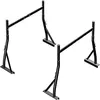
TMS Extendable Steel Truck Ladder Rack – $69.95
Bolts onto stake pockets to keep a 12-foot board off the tailgate entirely — the fix this guide’s “Installing the Necessary Equipment” step points toward if you haul long boards more than once or twice a year.
- Best for: Frequent haulers who don’t want overhang resting on the tailgate
- Why we picked it: 800-lb capacity, extends low-profile so it clears garage doors
- Main drawback: Needs stake pockets or a flatbed-style rail to mount
Compare more board-hauling gear
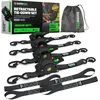 Option 1 Rhino USA Ratchet Straps (4-Pack) – $79.90
|
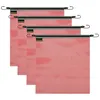 Option 2 VULCAN Safety Flags, 18″x18″ (4-Pack) – $24.99
|
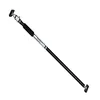 Option 3 QSP-360 Adjustable Cargo Bar – $36.00
|
As an Amazon Associate we earn from qualifying purchases.
Carrying 12-foot boards in a pickup truck can be a tricky task, but with the right preparation, it can be done safely and efficiently. In this guide, we will walk you through the steps to prepare your pickup truck for carrying those long boards. From choosing the right pickup truck to installing the necessary equipment, we’ve got you covered.
Choosing The Right Pickup Truck
Not all pickup trucks are created equal when it comes to carrying 12-foot boards. In order to ensure a smooth and secure transportation, it’s important to choose a truck with a bed long enough to accommodate the boards. Additionally, consider the weight capacity of the truck to ensure it can handle the load. Look for a truck with a sturdy bed and strong towing capabilities.
Moreover, don’t forget to take into account the height of the boards. If the boards are particularly tall, you may need a truck with a higher bed or consider removing the tailgate for added clearance.
Installing The Necessary Equipment
Properly installing the necessary equipment in your pickup truck is crucial to safely carrying 12-foot boards. Here are some key steps to follow:
- Bed liner: A bed liner provides protection to both your truck bed and the boards you’re carrying. Consider investing in a bed liner to prevent scratches, dents, and damage to your truck and the boards.
- Bed extender: If the length of your boards exceeds the length of your truck bed, a bed extender can provide the extra support needed. It attaches to the tailgate, allowing you to safely and securely transport longer items.
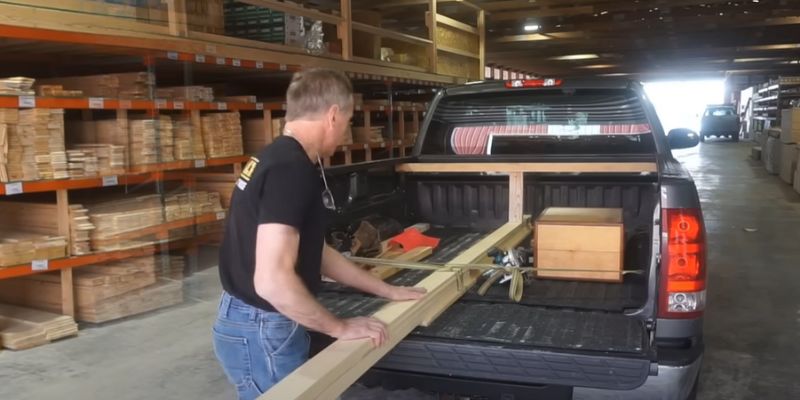
- Tie-down straps: Properly securing the boards is crucial to ensure their safety during transportation. Invest in high-quality, durable tie-down straps that can withstand the weight and pressure. Place the boards flat in the bed, parallel to the sides, and secure them tightly using the straps.
- Pole vaults: If you frequently transport long boards, considering installing pole vaults in your truck bed. These vertical supports can help distribute the weight of the boards evenly and prevent them from shifting or falling during the journey.
How Much of the Board Needs to Sit in the Bed?
Keep at least one-third of the board’s total length on the truck bed and tailgate combined — for a 12-foot board, that’s roughly 4 feet of solid contact. Less than that and the board can pivot over the tailgate hinge when you brake or hit a pothole.
If your bed alone doesn’t give you that much contact, lay a treated 2×6 flat across the bed about a foot behind the cab, cut roughly 1/8 inch longer than the bed is wide so it wedges against both side rails. It moves the board’s pivot point forward and spreads the load across a wider span instead of concentrating it at the tailgate edge.
By following these steps and properly preparing your pickup truck, you can transport 12-foot boards safely and easily. Remember to always drive cautiously and be aware of any height restrictions on your route. With the right truck, equipment, and precautions, you’ll be able to tackle any hauling job with confidence.
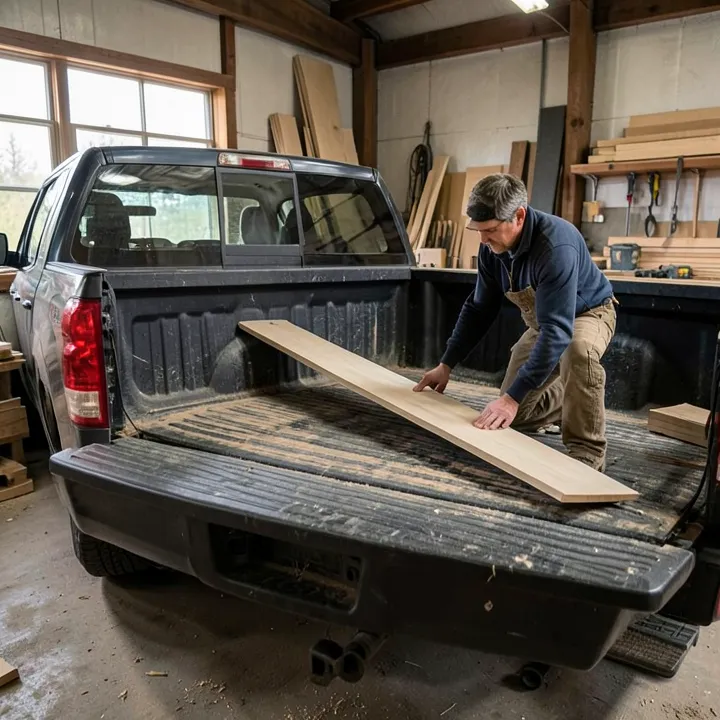
Will a 12-Foot Board Fit in Your Truck Bed?
Bed length varies more than most drivers expect, and it decides whether you need a bed extender at all. The figures below use each truck’s published bed length, plus roughly 20 inches of extra support when the tailgate is lowered — measure your own bed before a long highway haul, since exact tailgate length varies by trim.
| Truck (Bed Size) | Bed + Tailgate Down | Best For |
|---|---|---|
| F-150 short bed (5.5 ft / 67″) | ~7.2 ft | Bed extender or ladder rack required — ~5 ft overhang |
| F-150 standard bed (6.5 ft / 79″) | ~8.3 ft | Fits with tailgate down — flag the ~3.7-ft overhang |
| F-150 long bed (8 ft / 98″) | ~9.8 ft | Fits flat with minimal overhang, no flag usually needed |
| Silverado 1500 standard bed (6.6 ft / 79″) | ~8.3 ft | Same as F-150 standard — flag the ~3.7-ft overhang |
| Tacoma / Ranger short bed (~5 ft / 60″) | ~6.7 ft | Bed extender + flag required — ~5.3 ft overhang |
| Tacoma long bed (6 ft / 74″) | ~7.7 ft | Fits with tailgate down — flag the ~4.3-ft overhang |
Carrying an SUV or car-sized load instead of a full-size pickup? A 12-foot board rarely fits inside an SUV even with seats folded — see our guide on transporting wood in a car for roof-rack and interior options that work for shorter cuts.
Safely Loading And Securing The Boards
Transporting long and bulky items like 12-foot boards in a pickup truck can be challenging. It’s crucial to ensure you load and secure the boards properly to prevent any accidents while on the road. In this section, we will discuss how to safely load and secure the boards in your pickup truck, covering essential steps such as measuring and cutting the boards, proper placement and orientation, and using secure tie-downs.
Measuring And Cutting The Boards
Before loading the boards onto your pickup truck, it’s important to measure and cut them to the desired length. By doing so, you can ensure a more secure fit in your truck bed and minimize the risk of any overhanging portions that could pose a danger to other drivers on the road.
To measure and cut your boards, follow these steps:
- Measure the length of your truck bed using a tape measure. This will help you determine how long you can make your cuts.
- Mark the desired length on the boards using a pencil or marker.
- Using a saw or other suitable cutting tool, carefully cut the boards based on the marked measurements.
- Double-check the accuracy of your cuts to ensure they match the required length.
Placement And Orientation
Proper placement and orientation of the boards in your pickup truck can increase stability while on the road and reduce the risk of the boards shifting or falling out of the truck bed. Follow these guidelines to ensure safe placement and orientation:
- Position the boards parallel to the sides of the truck bed, aligning them with the longitudinal axis to distribute the weight evenly.
- Place the boards as close to the cab as possible to provide additional support and minimize overhang.
- If you need to transport multiple boards, consider placing them side by side with equal spacing between each board.
Using Secure Tie-downs
Using secure tie-downs is crucial to prevent the boards from shifting or sliding during transportation — for a deeper look at anchor points and strap types, see our guide on securing lumber in a truck bed. Follow these steps to effectively secure the boards:
- Equip your pickup truck with an appropriate number of high-quality tie-down straps or ropes.
- Wrap the tie-down straps around the boards, ensuring they are secured firmly.
- Attach the straps to the anchor points on your pickup truck, such as the bed hooks or anchor loops. Make sure the anchor points are strong and capable of handling the weight and pressure.
- Tightly fasten the tie-down straps, removing any slack or excess length to prevent movement.
- Double-check the tightness and security of the tie-down straps before hitting the road.
By adhering to these safety measures, you can confidently transport your 12-foot boards in your pickup truck, knowing that they are securely loaded and positioned. Remember, safety should always be your top priority when transporting large and heavy items like these boards.
Safe Driving Practices
When transporting 12-foot boards in your pickup truck, following safe driving practices is essential to ensure not only your safety but also the safety of other drivers on the road. Adjusting your driving style, maintaining a safe speed, and navigating turns and obstacles are crucial aspects to consider. In this section, we will discuss each of these practices in detail.
Adjusting Your Driving Style
Transporting long boards requires adjustments to your regular driving style. Here are some key points to keep in mind:
- Securely tie down the boards using proper straps and ensure they are tightly secured to prevent any shifting or movement during transit.
- Use additional caution when changing lanes or merging, as the extended length of the boards may affect your vehicle’s stability and blindspots.
- Allow for extra stopping distance, particularly in adverse weather conditions, as the additional weight and length of the boards can impact your braking distance.
- Maintain a safe distance from other vehicles to provide ample room for unexpected braking or swerving.
Maintaining A Safe Speed
When transporting 12-foot boards, maintaining an appropriate speed is crucial for your safety and the safety of others on the road. Consider these tips:
- Adhere to the posted speed limits and adjust your speed based on the road conditions and visibility.
- Avoid sudden acceleration or deceleration, as it can cause the boards to shift or become unstable.
- Take extra caution when driving on uneven or rough surfaces, as the extended length of the boards may amplify the impact.
- Consider driving slightly below the speed limit to ensure better control over your vehicle and the boards.
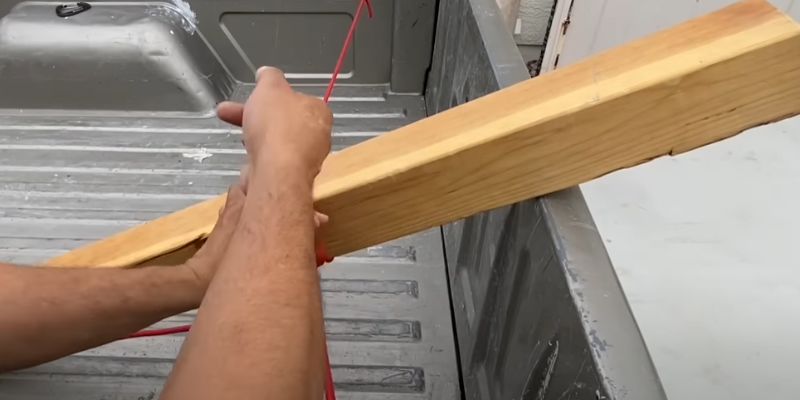
Turning or maneuvering around obstacles with 12-foot boards in your pickup truck can be challenging. Follow these guidelines for safer navigation:
- Make wide turns to accommodate the extended length of the boards, ensuring you have enough space to complete the maneuver.
- Check your blind spots and use your side mirrors frequently to monitor the position of the boards.
- Pay close attention to low-clearance areas such as underground parking garages or bridges, ensuring the boards will fit without causing damage.
- Slow down when encountering speed bumps, potholes, or any other obstacles on the road to prevent jolts or dislodging of the boards.
Is It Legal to Haul a 12-Foot Board With Overhang?
Yes, in every state, as long as the overhang is marked. Federal rule 49 CFR § 393.87 requires a red or orange flag at least 18 inches square on any load extending more than 4 feet past the rear of the vehicle. Some states apply a similar rule to personal trucks with a smaller flag size, so check your state DOT page before a long highway haul.
- Use one flag if the overhanging end is 2 feet wide or less; use two — one at each corner — if it’s wider.
- Add a red light or reflector at the tip of the board for any driving after dark.
- A single 12-foot board carried lengthwise rarely triggers an oversize-load permit — those generally apply past 3–4 feet of front overhang or wider side loads.
📊 Loads extending more than 4 feet past a vehicle’s rear must carry an 18-inch-square red or orange flag. Source: 49 CFR § 393.87, Cornell Law School Legal Information Institute
Frequently Asked Questions About Hauling 12-Foot Boards
How Do You Haul 12 Foot Lumber In A Truck?
To haul 12-foot lumber in a truck, secure it with strong ropes or straps to prevent it from moving or falling. Ensure the lumber is properly balanced and distributed in the truck bed. Use a bed extender or tailgate to provide extra support if needed.
How Do You Secure Long Boards In A Truck Bed?
Secure long boards in a truck bed by using rope or bungee cords to tie them down tightly. Place the boards parallel to the truck’s sides and stack them evenly. Use straps or clamps for extra security if needed. Check the load frequently during transport to ensure everything stays in place.
How Do You Carry Wood In A Pickup Truck?
To carry wood in a pickup truck, make sure it is properly secured using tie-down straps or ropes. Place larger pieces on the bottom and stack smaller ones on top to maximize space. Ensure the wood is evenly distributed for better balance during transport.
Drive slowly and cautiously.
How Do You Load 16 Foot Boards In A Pickup?
Load 16-foot boards in a pickup by following these steps — for the full walkthrough, see our guide on carrying 16-foot boards in a pickup:
1. Measure the truck bed and boards to ensure a fit.
2. Place a tarp or blanket on the truck bed to protect it.
3. Angle the boards diagonally, extending from the bed to the cab.
4. Secure the boards with ratchet straps or bungee cords.
5. Double-check the load for stability before driving.
Is It Legal To Drive With A 12-Foot Board Sticking Out Of Your Truck Bed?
Yes — federal rule 49 CFR § 393.87 allows the overhang as long as it’s flagged. Any load extending more than 4 feet past your tailgate needs an 18-inch red or orange flag during the day and a red light or reflector at night. Check your state DOT page too, since flag-size rules for personal trucks sometimes differ slightly from the federal standard.
How Much Weight Can A Hitch-Mounted Bed Extender Hold?
Most hitch-mounted bed extenders rated for lumber hold between 350 and 800 pounds of evenly distributed weight, which covers a bundle of standard dimensional lumber easily. Check the specific extender’s weight rating and your truck’s 2-inch receiver rating before loading a heavier stack.
Will A 12-Foot Board Fit In A Short-Bed Truck?
Not without extra support. A short bed (5 to 5.5 feet) leaves 6.5 to 7 feet of a 12-foot board unsupported, so you’ll need the tailgate down plus a bed extender or ladder rack, and the overhang will need a safety flag. A standard or long bed (6.5 to 8 feet) supports the board with little to no overhang.
Conclusion
A 12-foot board is easy to haul safely once you know the numbers: keep a third of its length on the truck bed, flag anything overhanging past 4 feet, and match your tie-down setup to your bed size. Skip any one of those and you’re relying on luck instead of a secured load.
Invest in a durable tie-down system, check your straps at the first rest stop, and drive a little slower than you normally would. Happy hauling!
Sponsored / affiliate links. As an Amazon Associate I earn from qualifying purchases. I may earn additional commission from eligible campaigns.