How to Choose Vinyl Plank (LVP) Flooring Color: Undertone + LRV
Vinyl plank (LVP) flooring color is best chosen by matching undertone to your cabinets and trim, then checking how much daylight the room gets, not by picking from a screen. A plank that looks neutral in a store can turn pink, yellow or purple at home, and flooring cannot be repainted. This guide covers undertone, LRV contrast, room-by-room picks, scratch visibility, and sample testing.
Order Real Plank Samples Before You Choose Anything
Best LVP Color Sample Pick | |
 |
Flooret Modin Kingswood 12-Inch Cut LVP Sample ($2.99) A real click-lock plank you can set against your cabinets, walls and trim, which is the only reliable way to judge the undertone and light behavior covered below.
|
As an Amazon Associate we earn from qualifying purchases.
Photos and store displays are the most common reason a floor looks wrong after installation. GoFlooring’s color-matching guide says to judge floors against physical samples, never photos or store lighting, and to look at them in morning light, midday light and under the room’s own lamps at night. Order two or three competing shades rather than one, so you compare instead of just asking whether you like a single plank.
Set each plank where the new floor will go, lean it against the cabinets or trim it must live with, and leave it for a full day. A color that passes at 8 a.m. but turns orange under evening bulbs is a failure you can only catch this way.
How Undertone Decides Whether a Plank Looks Right
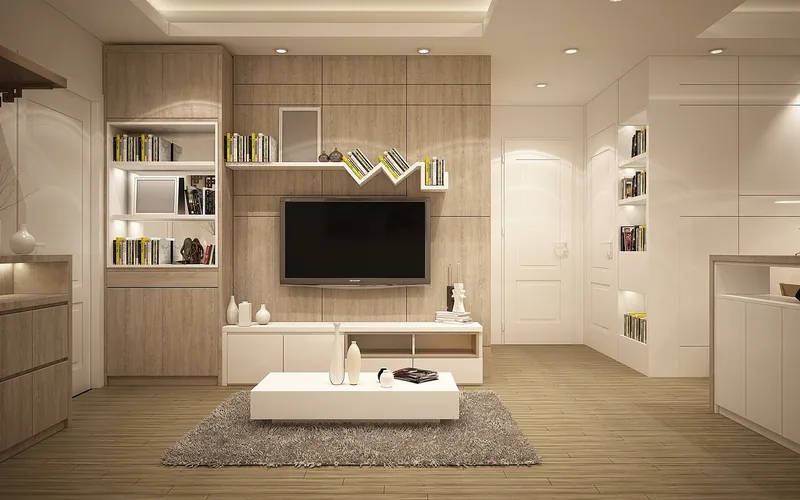
Undertone is the faint warm, cool or neutral tint beneath a plank’s main color. It is why two floors both sold as “gray” can look completely different side by side. To read it, place the sample on a sheet of plain white paper in daylight: gold, orange or red tints mean warm, gray-blue or green tints mean cool, and a balanced beige-gray with no obvious lean is neutral.
| Undertone | What it looks like on white paper | Pairs best with | Watch out for |
|---|---|---|---|
| Warm | Gold, honey, orange or red cast | Creams, warm whites, wood trim | A near-match to orange oak cabinets can look like a mistake instead of a choice |
| Cool | Gray, blue or green cast | Crisp whites, blue-grays | Reads cold in north-facing rooms and can look purple against warm walls at dusk |
| Neutral (greige) | Balanced beige-gray, no strong lean | Both warm and cool walls | Cheap prints can still lean one way, so check it on paper too |
Here is a correction to a common belief: gray is not automatically the safe neutral. GoFlooring’s color-matching guide warns that gray LVP needs cool walls to avoid purple undertones at dusk, and that north-facing rooms need warmer wall colors while south-facing rooms suit cooler ones. If you want the lowest-risk pick, greige is a better default than a true cool gray.
Remember too that color names are marketing. A shade called “brown oak” can be a printed vinyl, as our note on Wendover Brown Oak flooring explains, so always judge the plank in your hand, not the name on the box.
Use LRV to Set the Contrast Between Floor and Walls
Light Reflectance Value (LRV) is a measure of how much visible light a surface reflects, from 0 (no reflected light) to 100 (complete reflection), and it is measured with a spectrophotometer, according to Wikipedia’s LRV entry. A higher number means a lighter, brighter surface. Paint brands usually publish an LRV for each wall color, but plank spec sheets often do not, so ask the retailer or manufacturer for the number before you buy.
GoFlooring’s color-matching guide recommends keeping roughly 20 to 30 LRV points between floor and walls: under 10 points and the two surfaces blur together, and beyond 60 points the contrast turns harsh and graphic. It also pairs deep floors (under 25 LRV) with walls at 75 to 85. Turning that rule into numbers gives the quick planner below.
| Floor LRV (from spec sheet) | Wall LRV to aim for | Effect |
|---|---|---|
| Under 25 (espresso, dark walnut) | 75-85 | Dramatic, needs strong light |
| About 30 | 50-60 | Clear separation, cozy |
| About 40 | 60-70 | Balanced, works in most rooms |
| About 50 | 70-80 | Light and open, watch for dirt |
The planner above is simple arithmetic on the 20 to 30 point guideline, rounded, not a manufacturer standard. Contrast also matters for safety: the UK standard BS 8300:2018 treats a difference of at least 30 LRV points as adequate visual contrast in public buildings, which is a useful reminder to keep stair nosings and thresholds clearly different from the floor beside them.
Match Color to Room Size and Light
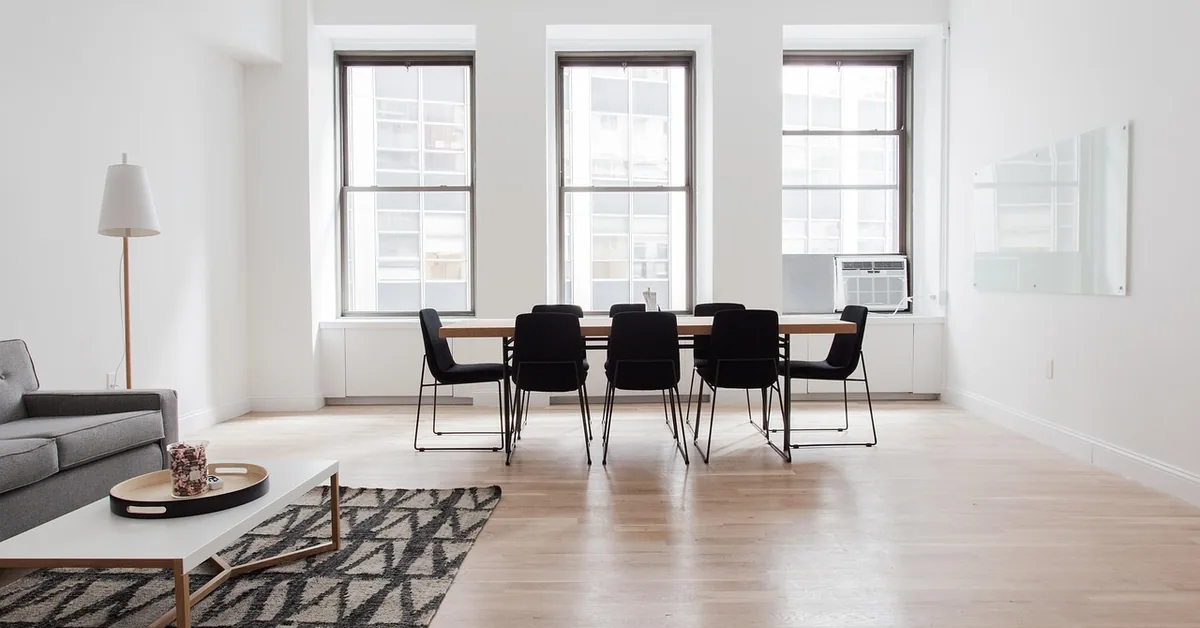
Light shades make a room feel larger and more open, while dark shades add depth and work best in larger rooms with strong natural light. Daylight reveals a plank’s true undertone, but bulbs shift it: lamps are labeled by color temperature in Kelvin, with about 2700K giving a warm-white glow and about 5000K a cool daylight look, and a “cool gray” plank can read noticeably warmer under warm bulbs.
| Room condition | Safer color direction | Why |
|---|---|---|
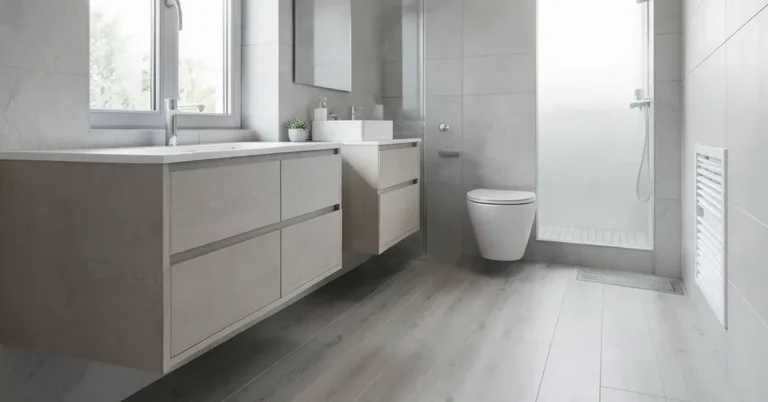
| Small, north-facing or few windows | Light to mid greige or natural oak, slightly warm | Higher LRV bounces what light there is, warm tones offset cool northern light |
| Large, bright, south-facing | Mid to dark oak or walnut, or cool gray | Strong light carries dark colors without a closed-in feel |
| Open-plan living and kitchen | One consistent mid-tone across both | Changing shades breaks up the space |
| Basement with limited daylight | Light to mid, neutral or warm | Artificial light dominates, so test under your own bulbs |
Scratches, Dust and Wear Layer: What Each Color Shows
Every color shows something. Light-colored LVP makes dirt and stains more visible and needs cleaning more often, while dark-colored LVP shows scratches and scuffs more easily, as flooring retailers consistently note. A mid-tone plank with a visible grain pattern is a sensible compromise for busy homes, though that is our reasoning rather than a lab result, so check it with your own sample.
Wear layer thickness is separate from color. According to Flooring Inc., 6 to 10 mil suits low-traffic areas, 12 mil and above gives more resilience, and 20 mil or more is the long-term choice for commercial-level use. For reference, Mannington lists an 18 mil wear layer on Adura Flex and 20 mil on Adura Max and COREtec Plus, and the Flooret sample above is listed at 40 mil. Our 6 mil vs. 12 mil comparison covers the middle of that range.
| Wear layer | Typical use | Pair with |
|---|---|---|
| 6-10 mil | Low-traffic bedrooms, guest rooms | Any color, accept faster wear |
| 12-18 mil | Living rooms, family homes | Mid-tones if you have pets or kids |
| 20 mil and up | Kitchens, entryways, dogs, light commercial | Dark or light, wear is less of a worry |
Pairing LVP With Oak Cabinets, Cream Walls and Trim
Searchers ask the same few pairing questions, so here are starting points built from the undertone and LRV rules above. Test each against a sample before committing.
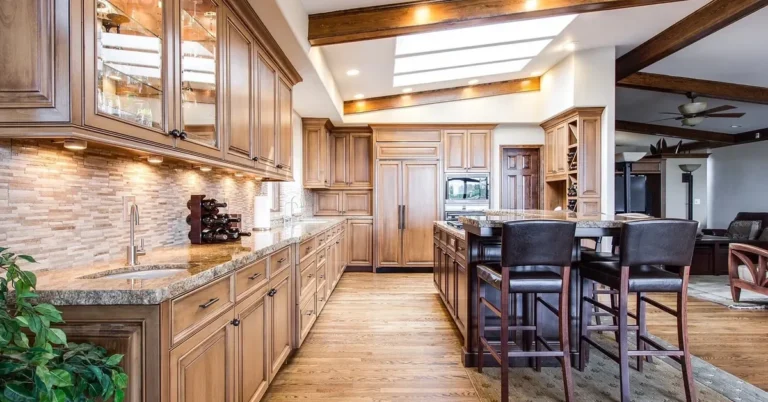
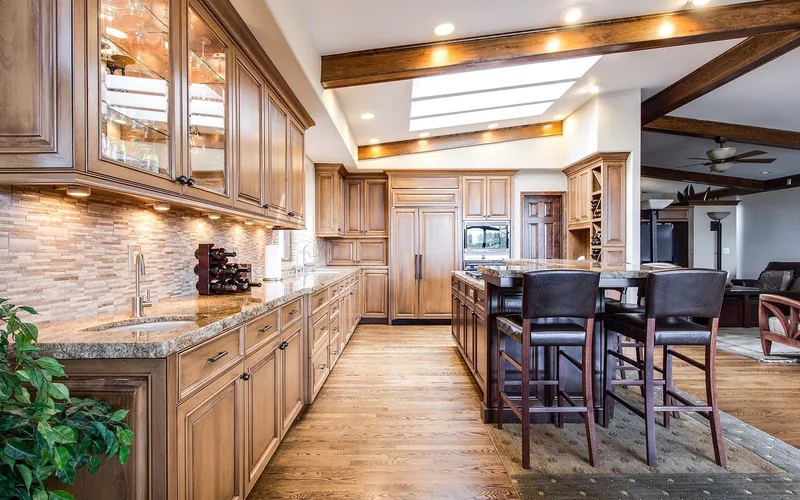
- Oak cabinets: oak usually reads warm, so use a warm or neutral greige plank, or go clearly lighter or darker than the cabinets by a visible step. Avoid a near-match.
- Cream or warm-white walls: warm oak and greige floors sit comfortably with these, while cool gray can clash.
- Smoky or gray-brown cabinets: greige and gray-leaning oaks echo the cool-warm balance without copying it.
- Light floors and trim: keep trim at least 20 LRV points away from the floor, either a crisp white or a deeper painted color, so the baseboard does not dissolve into the planks.
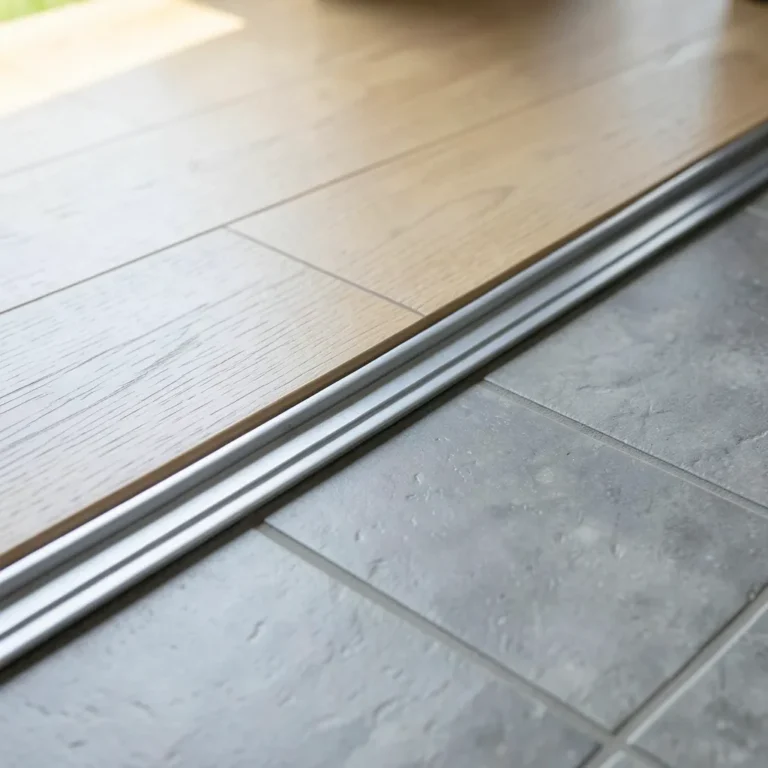
If the plank meets real wood in the next room, the two undertones need to agree, and our guide to a hardwood floor transition between rooms covers the threshold side. For warm wood palettes across the whole house, see these teak color palette ideas, and for broader flooring types see our wood flooring guide and hardwood floor basics.
Already Installed and Unhappy With the Color?
Most regret comes from undertone clashes, and many of them are fixable without replacing planks. Swap cool bulbs for warm ones (or the reverse) to nudge the floor’s tone, add a rug that breaks up a large expanse of color, and repaint walls or trim to rebalance undertone, since GoFlooring’s color-matching guide points out paint changes in a weekend while a floor lasts for years. Replacement is the last resort, and it is worth asking a retailer about returns before opening or installing boxes, because policies differ.
Browse our vinyl flooring hub for more, including stylish vinyl plank options, a look at Home Depot LifeProof vinyl flooring, and the best underlayment for vinyl plank on concrete. Planning cabinets over the floor? Read whether you can put cabinets on top of vinyl plank flooring first.
Frequently Asked Questions About Choosing Vinyl Plank Color
What is the best color for LVP flooring?
There is no single best color. A mid-tone greige or natural oak is the safest starting point because it accepts both warm and cool walls, hides some dust, and stays easy to live with. Light shades suit small or dim rooms, and dark shades suit large, bright rooms.
What color LVP goes with oak cabinets?
Match the undertone first: honey or orange oak cabinets read warm, so a warm or neutral greige plank looks intentional. Avoid a floor that is almost the same shade as the cabinets but not quite, because a gap under about 10 LRV points makes the two blur together and look like a mismatch.
Is light or dark vinyl plank flooring better?
Neither wins outright. Light planks make rooms feel larger and show dirt more, while dark planks add depth and show scratches and scuffs more. Pick based on room size, daylight and how much traffic and pet activity the floor will see.
What LRV should vinyl plank flooring have?
There is no industry standard LRV for vinyl plank. Design guides instead recommend a gap of roughly 20 to 30 LRV points between floor and walls, so choose the floor shade first and then pick wall colors that sit that far above or below it.
What wear layer thickness do I need for LVP?
For low-traffic rooms a 6 to 10 mil wear layer is common, 12 mil and above gives more resilience for busy homes, and 20 mil or more is the usual choice for very high traffic. A mil is one thousandth of an inch, so 20 mil is 0.020 inch.
Should floors be darker or lighter than walls?
Either works as long as the gap is clear. Many designers set floors a noticeable step darker than walls, but a light floor under darker walls is also valid. What fails is a gap of under about 10 LRV points, where floor and walls blur together.
Conclusion
Pick undertone first, set the floor-to-wall contrast with LRV, size the shade to the room and its light, then let wear layer and traffic decide how forgiving the color needs to be. Order two or three real samples, live with them for a day, and the right plank is usually obvious.
Sponsored / affiliate links. As an Amazon Associate I earn from qualifying purchases. I may earn additional commission from eligible campaigns.