Clean Engineered Hardwood Floors: Expert Tips and Tricks
Clean engineered hardwood floors by sweeping first, then damp-mopping weekly with a pH-neutral cleaner — never a soaking-wet mop or a steam cleaner, both of which can make the veneer swell, cup, or buckle. This guide covers daily sweeping tools, weekly mopping technique, common mistakes to avoid, and safe stain-removal methods for engineered hardwood.
Sweeping Daily For Clean Floors
Best Engineered Hardwood Cleaner Pick
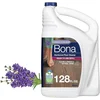
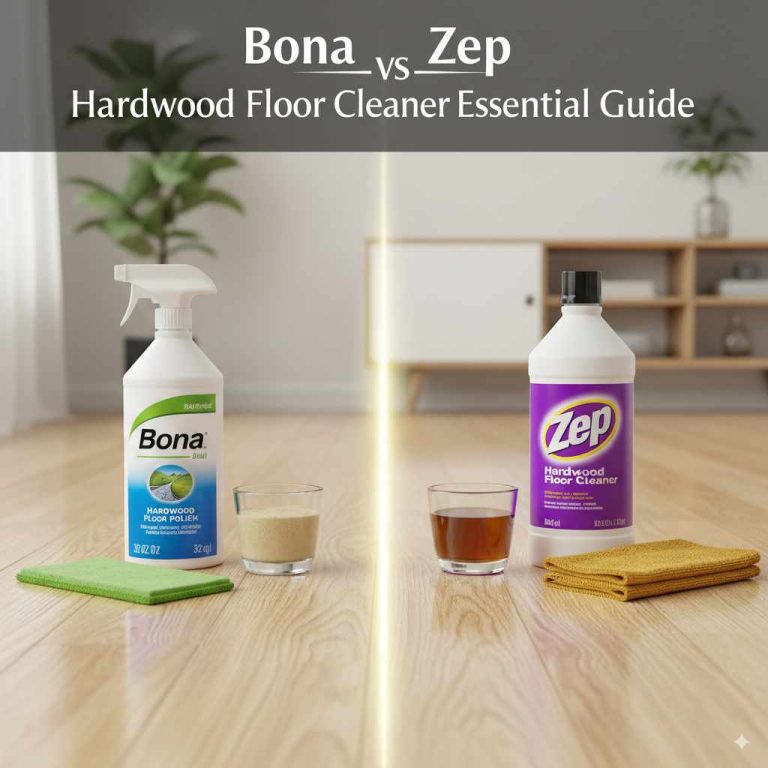
Bona Hardwood Floor Cleaner Refill – $19.98
The pH-neutral cleaner this guide recommends for every weekly mopping and stain touch-up — safe on the polyurethane finish that seals engineered hardwood.
- Best for: weekly damp-mopping and spot-cleaning spills
- Why we picked it: pH-neutral formula, no residue, made for polyurethane-finished wood
- Main drawback: sold as cleaner only — you’ll still need a mop
Compare more engineered hardwood cleaning tools
 Option 1 Bona Premium Spray Mop – $41.97
|
 Option 2 Swiffer WetJet Starter Kit – $31.99
|
 Option 3 Bona Microfiber Cleaning Pad – $16.91
|
As an Amazon Associate we earn from qualifying purchases.
To keep clean engineered hardwood floors, it is recommended to sweep daily to prevent dirt and dust build-up. Mop the floors at least once a week using a microfiber mop or a regular mop that remains damp, and avoid using excessive moisture or harsh chemicals.
Swiffer mops are also appropriate for sweeping and damp-mopping. Bona Hardwood Floor Cleaner is an excellent product to clean up the floors.
The Importance Of Daily Sweeping
Clean floors are not only visually appealing, but they also promote a healthy living environment. Sweeping your engineered hardwood floors daily is critical to maintaining their longevity and aesthetic appeal. Sweeping serves to remove dirt, dust, and other small debris that can accumulate throughout the day, which can cause scratches or damage to your floors over time. Therefore, it is crucial to make it a part of your daily routine to sweep your engineered hardwood floors, as it will help keep them looking new for longer.
Best Tools For Daily Sweeping
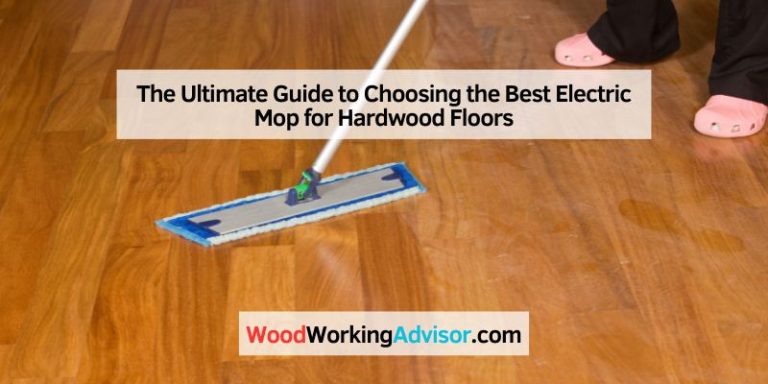
For daily sweeping, there are various tools that you can choose from depending on your preference and the nature of your floors. A microfiber mop is a great option for those who want to be ultra-gentle on their floors. Still, regular mops also work well, as long as they are not soaking wet and leave the floors damp. Another common tool for daily sweeping is the Swiffer Wet-Jet, which is suitable for damp-mopping your engineered hardwood and is highly recommended for cleaning.
In addition to a mop or Swiffer, you can also use a soft-bristled broom, which will effectively capture dust, hair, and other debris from the surface of your floors. A vacuum cleaner with a hardwood floor attachment tool can also be used to remove the debris before sweeping. Be sure to avoid using a beater bar attachment, as this can scratch your flooring.
Overall, daily sweeping of your engineered hardwood floors is critical to maintaining their longevity and appearance. So make sure to sweep away the debris daily to keep your floors looking new.
Mopping Weekly For Deep Clean
For a deep clean of engineered hardwood floors, it is advised to mop them at least once a week. Use a microfiber mop or a regular damp mop, but avoid over saturating the floor. Sweep the floors before mopping to ensure ultimate cleaning.
The Bona Hardwood Floor Cleaner is recommended for use on engineered hardwood floors.
Mopping weekly is an efficient way to deep clean your engineered hardwood floors. It is important to mop your floors regularly and properly to maintain their beauty and extend their lifespan. Here are some tips for proper mopping and the best mops to use on your engineered hardwood floors.
Tips For Proper Mopping
1. Always sweep or vacuum your floors before mopping to get rid of dirt and debris that may scratch the surface.
2. Use a damp mop and never pour water directly onto the floor. Make sure the mop is wrung out well and not soaking wet.
3. Choose a pH-neutral cleaner that is specifically designed for engineered wood floors.
4. Do not use abrasive cleaning tools like scouring pads, steel wool, or hard-bristled brushes as they can damage the surface of your floors.
5. Mop along with the wood grain and avoid leaving any puddles of water on the floor.
Best Mops For Engineered Hardwood Floors
1. Microfiber mop – Microfiber mops are gentle on the floors and effectively pick up dirt and debris without scratching the surface. They are also reusable and can be washed in the washing machine.
2. Swiffer Wet-Jet – Swiffer Wet-Jet is a great tool for cleaning your engineered hardwood floors. It comes with pre-moistened pads that are gentle on the floors and effectively clean without leaving any streaks.
3. Bona Hardwood Floor Mop – Bona Hardwood Floor Mop is also a great choice if you want a gentle, effective, and easy-to-use mop. Its microfiber pad is machine washable and reusable.
Using the right mop and cleaning solutions, coupled with proper mopping techniques, is crucial in maintaining your engineered hardwood floors. Mopping weekly will help keep your floors looking beautiful and extend their lifespan.
Avoiding Common Mistakes
To properly clean your engineered hardwood floors, it’s important to sweep them before mopping, using a damp microfibre mop or a regular mop that’s not soaking wet. Avoid using harsh chemicals, steel wool brushes, and steamers, and don’t let any areas puddle.
Bona Hardwood Floor Cleaner is a recommended option for a cleaning solution.
Avoiding Common Mistakes: Clean Engineered Hardwood Floors
Engineered hardwood floors are becoming more popular due to their durability and affordability. However, maintaining and cleaning them can be challenging. In this section, we will be discussing the common mistakes people make when cleaning their engineered hardwood floors and how to avoid them.
Don’t Use Harsh Chemicals
Using harsh chemicals to clean your engineered hardwood floors can cause irreversible damage, discoloration and can strip the finishing off. Therefore, you should always avoid using cleaning chemicals such as ammonia, bleach, or detergents that contain acidic substances. Instead, using a gentle, pH-neutral cleaner will preserve the look and longevity of your floors. One good option is Bona Hardwood Floor Cleaner that is specifically designed for engineered hardwood floors.
Avoid Excessive Moisture
Another common mistake people make when cleaning their engineered hardwood floors is using excessive moisture. Too much water can result in penetrating through the layers of engineered hardwood flooring and causing permanent swelling or even cupping. Therefore, it is important to use a damp (not soaking wet) mop when cleaning the floor to avoid over-wetting it. You should also immediately dry any excess moisture with a clean microfiber cloth.
Stay Away from Steam Cleaners
It is essential to stay away from steam cleaners to clean and maintain engineered hardwood floors. The heat and moisture produced by steam cleaners can penetrate through the flooring layers and cause irreparable damage. The steam can break down the adhesive that binds the layers together, causing them to expand, buckle, or warp. Instead, use a microfiber mop, or a damp mop with a pH-neutral cleaner to clean the floors effectively.
In conclusion, by avoiding these common mistakes, you can keep your engineered hardwood floors looking shiny and new for years to come. Remember to use gentle, pH-neutral cleaners instead of harsh chemicals, refrain from using excessive moisture, and don’t use steam cleaners to protect your floors from damage. Always follow the manufacturer’s instructions and recommendations when cleaning and maintaining your engineered hardwood floors to preserve their natural beauty.
Natural Cleaning Solutions For Stubborn Stains
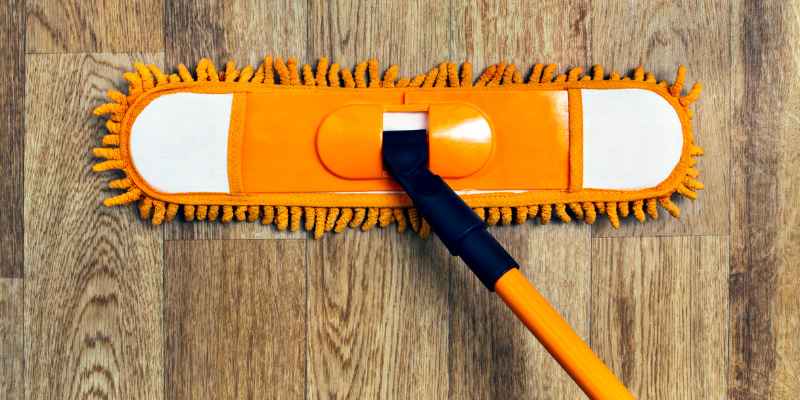
Keep your engineered hardwood floors clean by regularly sweeping and mopping them. It’s best to use a microfiber mop or a damp regular mop, but be careful not to saturate the floors with too much water. You can also use Bona Hardwood Floor Cleaner for better results without damaging the floors.
Engineered hardwood floors add style and value to a home. However, cleaning them can be challenging, especially when dealing with stubborn stains. Some of the common stubborn stains on engineered hardwood floors include pet urine, shoe marks, and beverage spills. While there are numerous cleaning solutions in the market, natural cleaning solutions are the way to go. They offer effective cleaning solutions while preserving the appearance and longevity of the floor. Below is one myth worth retiring, plus two natural cleaning solutions for stubborn stains that are actually safe for engineered hardwood.
Why You Should Skip Vinegar
Vinegar is one of the most commonly recommended “natural” cleaners online, but it is not actually safe for engineered hardwood on a repeated basis. White vinegar is acidic, and repeated use gradually breaks down the polyurethane finish that protects the wood veneer underneath, leaving the floor duller and less water-resistant over time. Skip it, even for stubborn stains — use the pH-neutral Bona Hardwood Floor Cleaner covered above instead.
Baking Soda Paste For Grease And Oil Stains
Baking soda is a gentle abrasive that lifts grease and oil stains without the acid problem vinegar has. To use this solution, mix baking soda with a small amount of warm water to form a thick paste. Apply the paste directly to the stained area and let it sit for five minutes. Scrub gently with a soft bristle brush, then wipe clean with a damp microfiber cloth and dry immediately. This lifts the stain without dulling or etching the floor’s finish.
Water and Gentle Dish Soap Mix
A water and gentle dish soap mix is an excellent natural cleaning solution for daily cleaning of engineered hardwood floors. The gentle dish soap helps to remove dirt and grime without leaving any residue. To use this solution, mix a few drops of dish soap with a bucket of warm water. Dip a microfiber mop in the solution and wring out excess water. Mop the floor in the direction of the wood grain and dry any excess moisture with a clean microfiber cloth. This solution is gentle on the floor’s finish and helps to maintain its appearance.
In conclusion, effective stain removal on engineered hardwood floors doesn’t require vinegar or harsh chemicals. A baking soda paste handles grease and oil, a mild dish soap solution handles daily grime, and the pH-neutral Bona cleaner covers everything else — all without the finish damage acidic “natural” recipes cause over time.
Preventing Dirt And Damage
To prevent dirt and damage on your clean engineered hardwood floors, it’s important to sweep regularly before damp-mopping once a week. Some experts recommend using a microfiber mop or Swiffer Wet-Jet to be gentle, and avoid over-wetting the floors to avoid puddles.
It’s also best to use specialized cleaners like Bona Hardwood Floor Cleaner and avoid harsh chemicals or steamers.
Maintaining your clean engineered hardwood floors doesn’t have to be a difficult task. By implementing a few preventative measures and taking simple steps to clean up spills and dirt, you can keep your floors looking their best for years to come. Here are some effective ways to prevent dirt and damage from ruining your beautiful hardwood floors.
Using Mats and Rugs
Placing mats and rugs in high traffic areas is an excellent way to protect your engineered hardwood floors from damage. Mats and rugs will help capture dirt and debris that would otherwise be tracked onto your floors. Not only do they provide an extra barrier of protection, but they can also add a decorative touch to your living space.
Wiping Spills Immediately
Accidents do happen, and when they occur, it’s critical to act fast to prevent damage to your floors. Wiping up spills immediately with a dry or slightly damp cloth is crucial. Standing water or liquids left on the floor can damage the finish of your hardwood floors, and even worse, seep into the planks themselves, causing swelling and warping.
Avoiding High Heels and Heavy Furniture
It’s essential to be mindful of what you place on your floors. Avoid wearing high heels or shoes with sharp heels that can cause dents and scuffs on your hardwood floors. Also, putting heavy furniture directly on your hardwood floors can cause dents and scratches. Be sure to use furniture pads on the bottom of your chairs, tables, and other furniture to prevent scuffs and dents.
In conclusion, preventing dirt and damage on your clean engineered hardwood floors is possible with a little effort. Implementing these simple preventative measures like using mats and rugs, wiping spills immediately, and avoiding high heels and heavy furniture, will protect your floors from damage, keeping them looking their best for years to come.
Professional Cleaning And Maintenance
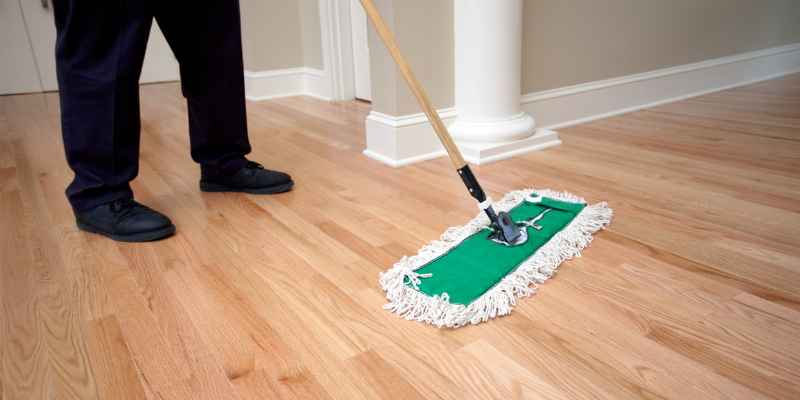
Achieving a clean and well-maintained engineered hardwood floor requires a cautious approach. Always sweep the floor before mopping with a damp (not soaking) mop. Using a microfiber mop is recommended, but a regular mop is also okay as long as it remains damp.
Avoid using harsh chemicals, oil-based soaps, and steamers and do not let any areas puddle.
When To Hire A Professional
Engineered hardwood floors add a touch of elegance and sophistication to any home while providing a durable and low-maintenance flooring option. However, despite their resilience, these floors require regular attention and care to maintain their pristine appearance and longevity. While it’s tempting to tackle the cleaning and maintenance on your own, there are some situations where hiring a professional is necessary. For instance, if you notice discoloration, deep scratches, or any signs of water penetration, it’s best to call a professional cleaner immediately to avoid further damage. Additionally, regular professional cleaning is recommended twice a year to keep your engineered hardwood floors in top condition.
DIY Maintenance Between Professional Cleanings
Though hiring a professional cleaner is essential for the longevity of your engineered hardwood floors, there are also some DIY maintenance steps you can take between professional cleanings to prolong the life of your floors. Sweep your floors daily to remove any dirt and dust particles that may scratch the surface. Avoid using extreme temperatures of water during mopping, and always ensure that the mop is damp, not soaking wet, to prevent excess moisture from seeping into the boards and causing warping or buckling. Use a microfiber mop to maximize the cleaning power, but if needed, a regular mop can also work as long as it’s damp. Furthermore, avoid using harsh chemicals such as oil-based soaps and steamers, as well as abrasive tools like steel wool brushes and scouring pads, which can damage the surface of your floors.
With these tips, you can enjoy the beauty of your engineered hardwood floors for years to come. Regular professional cleaning coupled with proper DIY cleaning and maintenance will keep your floors looking new and stylish while also increasing their life span. Remember to take care of your floors, and they will take care of you.
Frequently Asked Questions Of Clean Engineered Hardwood Floors
What Is The Best Way To Clean Engineered Wood Floors?
To clean engineered wood floors, start by sweeping or vacuuming the floor to remove any dirt or dust. Then, mop the floor using a damp mop, being careful not to use too much water. Some experts recommend using a microfiber mop, but a standard mop will work as long as it remains damp, not soaking wet.
Avoid using harsh chemicals or oil-based soaps. Bona Hardwood Floor Cleaner is a good option for cleaning engineered hardwood floors.
Can You Use A Wet Swiffer On Engineered Hardwood?
Yes, a wet swiffer can be used on engineered hardwood floors. However, it is recommended to use a damp swiffer instead of a soaking wet one. Additionally, it is important to sweep the floors before mopping them and to avoid letting any areas puddle.
Bona Hardwood Floor Cleaner is a recommended cleaning solution for engineered hardwood floors.
Should You Mop Engineered Hardwood?
Yes, you can mop engineered hardwood, but it’s important to avoid using excessive moisture. You should sweep the floor before mopping and try to mop at least once a week. Experts recommend using a microfibre mop to stay gentle, but a regular mop is also fine as long as it remains damp and not soaking wet.
Avoid using harsh chemicals and oil-based soaps. Vacuum and brush regularly, and occasionally use a damp, not soaking wet mop.
Can I Use Bona On My Engineered Hardwood Floors?
Yes, you can use Bona Hardwood Floor Cleaner on your engineered hardwood floors. This cleaner is recommended for all polyurethane finished wood floors, including engineered hardwood. It is important to always follow the manufacturer’s instructions and not allow excess moisture to pool on the floors.
Conclusion
To maintain the natural beauty of your engineered hardwood floors, regular cleaning is necessary. Always start by sweeping first to remove loose debris. Then, use a damp microfiber mop to clean the surface, avoiding excess water. Remember to avoid harsh chemicals and oil-based soaps.
Using a proper cleaning technique and the right tools can help keep your engineered hardwood floors looking impeccable for years to come. So, follow these simple tips and enjoy the elegance of clean and naturally beautiful floors in your home or office.
Sponsored / affiliate links. As an Amazon Associate I earn from qualifying purchases. I may earn additional commission from eligible campaigns.