Best Cleaner for Engineered Wood Floors (2026 Tested Picks)
Bona Hardwood Floor Cleaner is the best cleaner for engineered wood floors – it’s pH-neutral, EPA Safer Choice certified, and won’t dull the factory finish. Avoid vinegar, ammonia, and steam mops, which can strip the coating or warp the thin wood veneer and glue layers underneath. Below, we compare Bona against 8 other tested cleaners, show the safe mopping method, and explain exactly what to avoid and why.
Quick Answer
Bona Hardwood Floor Cleaner Spray is the best all-around pick for engineered wood floors: pH-neutral, residue-free, and GreenGuard Gold certified. Weiman Hardwood Floor Cleaner is the best budget-friendly alternative if your home also has laminate or vinyl flooring.
Comparison: Top 3 Engineered Wood Floor Cleaners
| Cleaner | Best For | Certification | Format |
|---|---|---|---|
| Bona Hardwood Floor Cleaner Spray | Weekly maintenance, most engineered floors | GreenGuard Gold | Ready-to-use spray, 32 fl oz |
| Bona Hardwood Floor Cleaner Refill | High-traffic homes that mop often | GreenGuard Gold | Refill, 128 fl oz |
| Weiman Hardwood Floor Cleaner | Homes with mixed engineered/laminate/vinyl floors | EPA Safer Choice | Ready-to-use, 128 oz |
Our Top Pick for Engineered Wood Floors
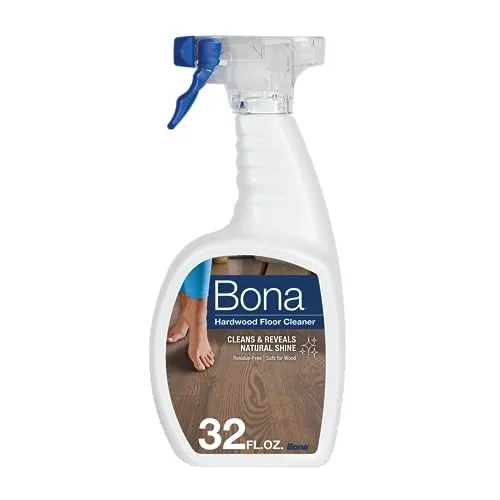
Bona Hardwood Floor Cleaner Spray – 32 fl oz
pH-neutral, residue-free, GreenGuard Gold certified – Bona’s own care guide recommends it for finished engineered floors.
Check Price on AmazonWhat NOT to Use on Engineered Wood Floors (And Why)
Engineered wood floors have a thin real-wood veneer over plywood layers, glued together. The wrong cleaner can strip the finish or damage the layers underneath – sometimes permanently.
- Vinegar – it’s acidic, and manufacturers including Shaw Floors warn that mild acids gradually break down polyurethane finishes, letting moisture reach the wood.
- Ammonia and bleach-based cleaners – too harsh; they break down the protective coating and can leave a hazy film.
- Steam mops – Shaw’s own maintenance guide explicitly says not to use hardwood cleaning machines or steam cleaners; the heat and moisture can warp the veneer or loosen the glue between layers.
- Wax-based polishes – engineered floors come pre-finished; wax buildup makes floors slippery and can’t be removed easily.
- Oil soaps or citrus/lemon-oil cleaners – these leave a residue that dulls the finish and can void some manufacturer warranties (Shaw specifically lists citrus and lemon oil as prohibited).
“Never use vinegar, ammonia, oil soaps, steam mops, abrasive cleaners, or wax-based products – these can break down the protective layer, cloud the finish, or cause long-term damage.” – based on manufacturer care guidance from Bona’s official hardwood floor care guide and Shaw Floors’ maintenance guidelines.
How to Clean Engineered Wood Floors Safely (Step-by-Step)
- Sweep or vacuum first with a soft-brush attachment and the beater bar off – loose grit acts like sandpaper on the finish.
- Spray the cleaner directly onto the floor or mop pad in small sections – never pour it straight onto the wood.
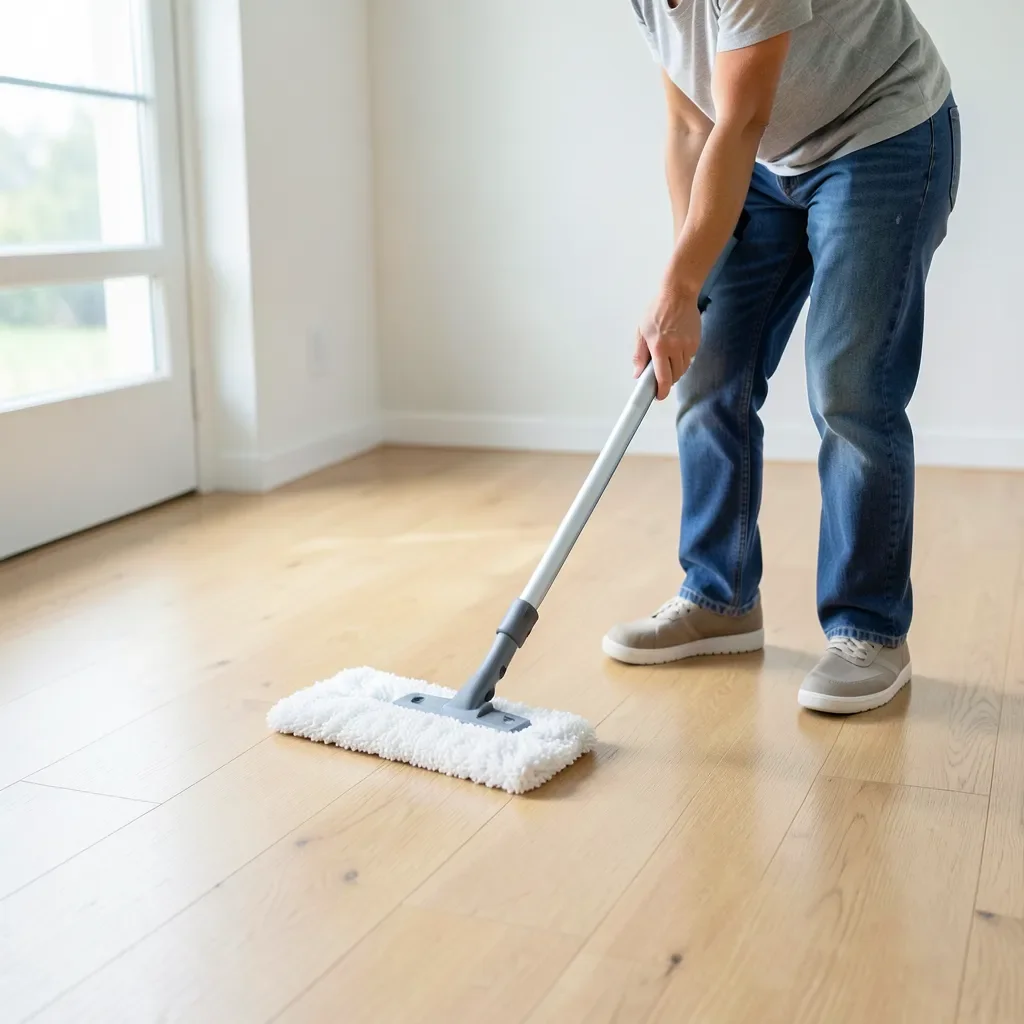
- Mop with a well-wrung, barely damp microfiber pad, moving with the direction of the boards.
- Buff the area dry with a clean microfiber cloth right away; floors should feel dry to the touch within the hour.
- Check your flooring manufacturer’s guide first – some warranties require a specific branded cleaner.
For daily dusting, pet-proofing, humidity control, and refinishing questions beyond cleaning products, see our full guide to caring for engineered hardwood floors. If you want a deeper dive into the top pick specifically, read our Bona Hardwood Floor Cleaner review. For background on how engineered wood differs from solid hardwood, check our wood flooring guide.
1. Bona Hardwood Floor Cleaner Spray – 32 fl oz (Top Pick)
pH-neutral, residue-free, and GreenGuard Gold certified; Bona’s own care guide lists it as the recommended cleaner for finished engineered floors.
2. Bona Hardwood Floor Cleaner Refill – 128 fl oz
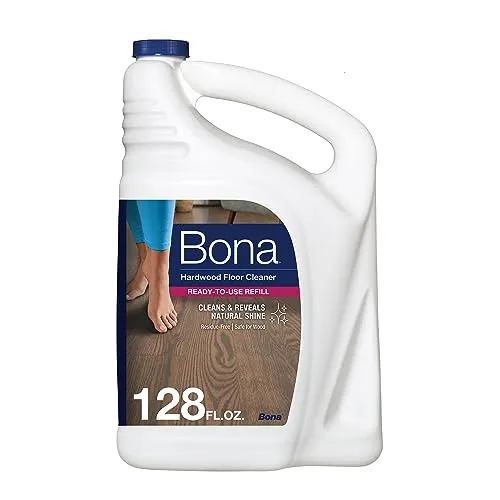
Same pH-neutral Bona formula as the spray, in a 128 fl oz refill – the most economical option if you mop weekly.
3. Weiman Hardwood Floor Cleaner – 128 oz Refill
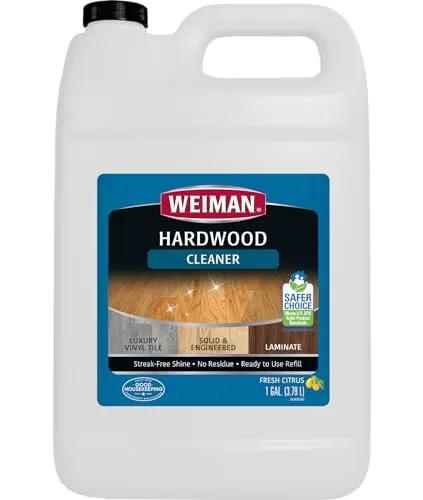
EPA Safer Choice certified and plant-based; safe across engineered hardwood, laminate, and vinyl, so it works if your home has mixed flooring.
4. Begley’s Hardwood Floor Cleaner Spray – 64 oz
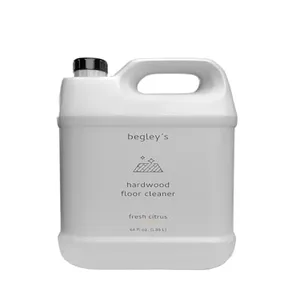
A citrus-scented, pet-safe formula marketed as a natural alternative for households with kids or animals.
5. Black Diamond Laminate & Hardwood Floor Cleaner – 32 oz
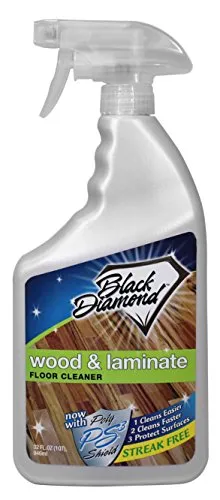
Formulated to double as a laminate and vinyl cleaner, useful for homes with more than one hard-flooring type.
6. Aunt Fannie’s Ultra Concentrated Hardwood Floor Cleaner – 32 oz
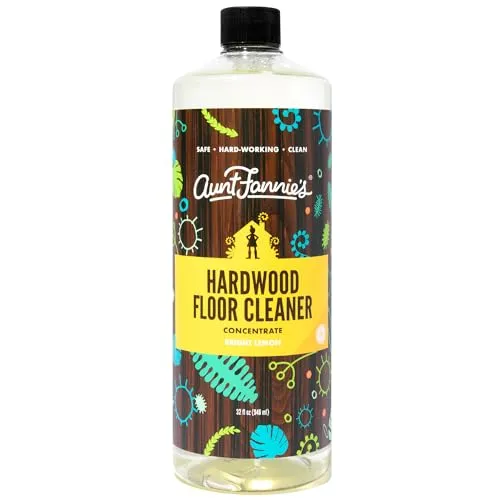
Plant-based and ultra-concentrated, so one bottle dilutes into multiple refills – a lower cost per use.
7. Woodwise Hardwood Floor Cleaner Concentrate – 1 Gallon
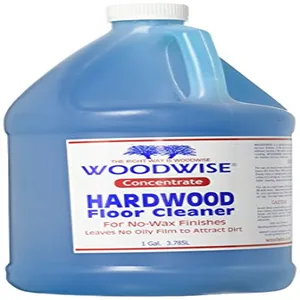
A no-wax concentrate designed for engineered and finished hardwood floors, aimed at buyers who mop large square footage often.
8. Method Squirt + Mop Hardwood Floor Cleaner – 25 oz
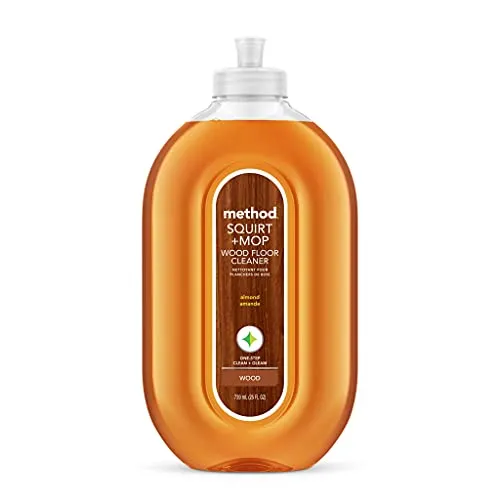
A squirt-and-mop bottle designed for quick spot cleaning between full mopping sessions.
9. Pallmann Hardwood Floor Cleaner Concentrate – 1 Gallon
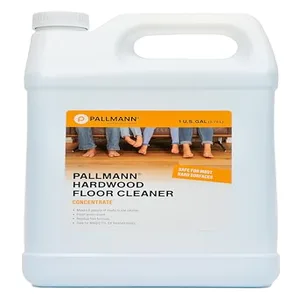
A residue-free concentrate formulated specifically for finished hardwood and engineered wood floors.
Buying Guide: What to Look For
- pH-neutral formula – acidic or alkaline cleaners degrade the finish over time.
- Manufacturer approval – check your flooring’s warranty terms; some brands (like Shaw) require their own branded cleaner.
- Residue-free drying – look for reviews confirming no streaking or haze after drying.
- EPA Safer Choice or GreenGuard certification – a quick way to confirm a cleaner is low-VOC and safe around kids and pets.
- Ready-to-use vs. concentrate – concentrates cost less per use but require accurate dilution.
- Avoid wax, oil-soap, or citrus-oil formulas – these leave residue engineered finishes can’t absorb or refinish over.
Frequently Asked Questions
What is the best cleaner for engineered wood floors?
Bona Hardwood Floor Cleaner is the best overall option – it’s pH-neutral, residue-free, and GreenGuard Gold certified. Always confirm your specific flooring manufacturer doesn’t require a different branded cleaner to keep your warranty valid.
Can I use vinegar to clean engineered wood floors?
No. Vinegar is acidic and can gradually break down the polyurethane finish, letting moisture reach the wood layers underneath and causing dullness or damage over time.
Can I use a steam mop on engineered wood floors?
No. Manufacturers including Shaw Floors specifically advise against steam mops and other hardwood cleaning machines – the heat and moisture can warp the veneer or loosen the adhesive between layers.
How often should I clean engineered wood floors?
Dust or sweep daily to every other day to remove grit, and damp-mop with a pH-neutral cleaner weekly, or twice a week in high-traffic areas like kitchens and entryways.
Will the wrong cleaner void my flooring warranty?
It can. Some manufacturers, including Shaw, state that using water, oil soaps, wax, or unauthorized cleaning products may not be covered under warranty. Check your flooring documentation before choosing a cleaner.
How do I remove tough stains from engineered wood floors?
Spot-clean with a pH-neutral wood floor cleaner on a barely damp microfiber cloth, working gently rather than scrubbing. For stubborn residue, check whether the finish itself is worn before assuming it’s a stain.
Conclusion
The right cleaner protects both the finish and the wood veneer underneath it. Bona Hardwood Floor Cleaner remains our top pick for most engineered wood floors thanks to its pH-neutral, residue-free formula, with Weiman as a strong choice for homes with mixed flooring types. Whatever you choose, skip vinegar, ammonia, wax, and steam mops – and always check your flooring manufacturer’s own care guide before your first deep clean.
Sponsored / affiliate links. As an Amazon Associate I earn from qualifying purchases. I may earn additional commission from eligible campaigns.