How to Cure Poison Oak Rash Fast
Dealing with poison oak rash can be really uncomfortable and sometimes confusing, especially if it’s your first time. You might wonder how to get rid of that itchy, red breakout quickly. This guide will show you exactly what to do.
We’ll cover simple steps and easy-to-find remedies to help you feel better fast. Get ready to learn how to cure poison oak rash fast with straightforward advice.
Understanding Poison Oak Rash
Poison oak rash is a common skin reaction caused by contact with the plant’s oil, called urushiol. This oil is sticky and can easily transfer from the plant to your skin, clothing, or even pets. The rash typically appears as red, itchy bumps or blisters, and it can spread if the oil is not thoroughly washed off. For many people, especially those who spend time outdoors, encountering poison oak is a regular challenge. The key to a quick recovery lies in immediate and proper treatment.
What Causes the Rash
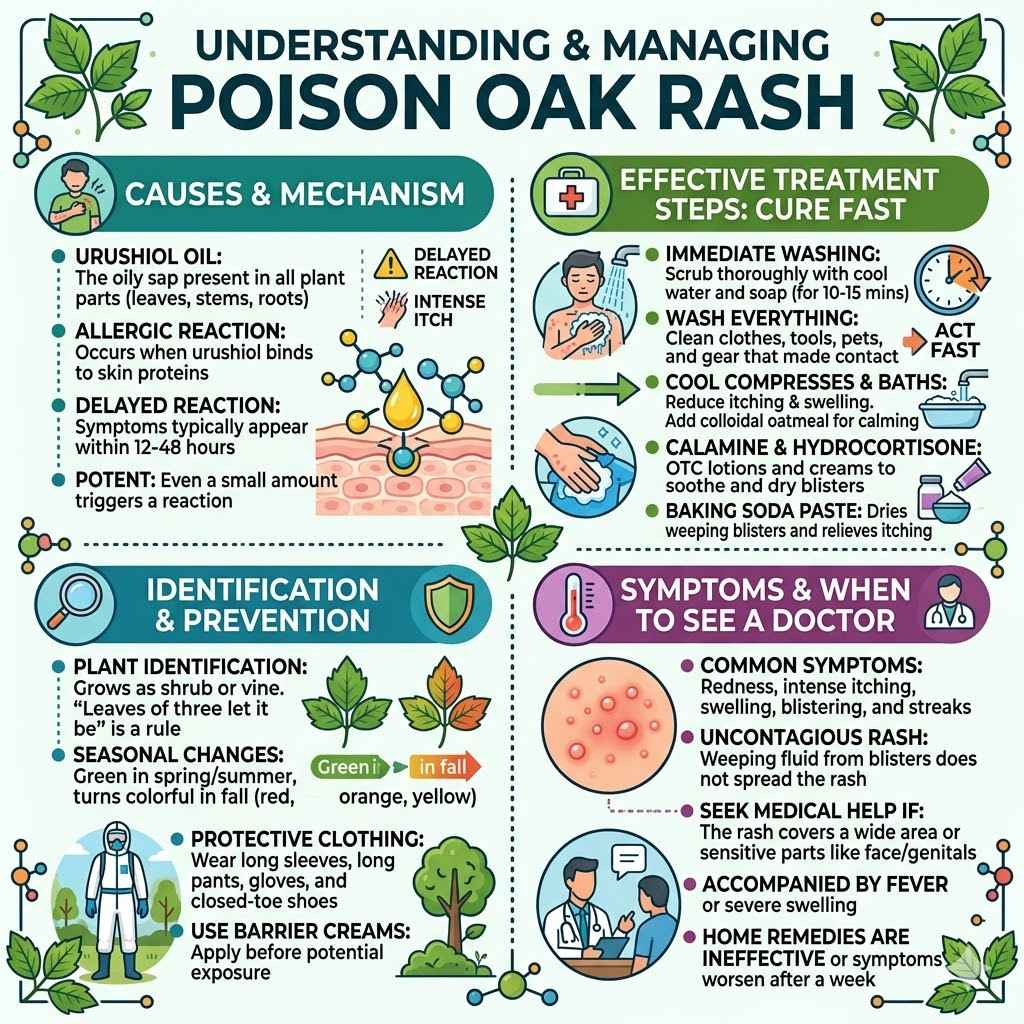
The culprit behind poison oak rash is a substance called urushiol. This oily resin is present in all parts of the poison oak plant – its leaves, stems, and roots. When your skin touches any of these parts, urushiol binds to the skin’s proteins. This binding process triggers an allergic reaction in most people, even if they haven’t reacted before. Urushiol can remain active on surfaces for a long time, even after the plant is dead, making it tricky to avoid.
The Role of Urushiol
Urushiol is the active ingredient that causes the allergic contact dermatitis. It’s a clear or slightly yellowish oily sap that can be transferred through direct touch or indirect contact with contaminated objects. The amount of urushiol determines the severity of the reaction. Even a tiny amount, as little as a single drop, can cause a rash in sensitive individuals. The oil itself is not contagious, but the rash can spread if urushiol residue remains on the skin or under fingernails.
Symptoms of Poison Oak Exposure
The symptoms of a poison oak rash usually appear within 12 to 48 hours after exposure. They can include redness, intense itching, swelling, and the formation of blisters. The rash often appears in lines or streaks where the plant brushed against the skin. Blisters may break open, weeping fluid, but this fluid does not contain urushiol and therefore cannot spread the rash. Severe cases can involve widespread blistering and significant discomfort.
Why It’s Hard to Treat Fast
One of the main reasons poison oak rash is challenging to treat quickly is the delayed reaction. By the time you notice the rash, the urushiol has already bonded with your skin, and the allergic reaction is well underway. Another difficulty is that scratching the rash can spread any remaining urushiol and lead to secondary infections. People often try home remedies without knowing if they will work or if they might worsen the situation. Getting rid of the itch and healing the skin fast requires specific steps.
The itch is often the most unbearable symptom. It can be so intense that it disrupts sleep and daily activities. This persistent discomfort leads many to seek the fastest relief possible.
Understanding the plant and the oil is the first step to managing the outbreak effectively.
How to Cure Poison Oak Rash Fast
The quickest way to deal with poison oak rash involves immediate actions to remove the oil and then managing the symptoms to speed up healing. Acting fast is key. The sooner you address the exposure, the less severe the rash will likely be.
Immediate Actions After Exposure
If you know or suspect you’ve touched poison oak, immediate washing is crucial. Use soap and cool water to wash the affected skin thoroughly. Don’t use hot water, as it can open pores and allow the oil to penetrate deeper. Wash for at least 10-15 minutes. If you have soap, use it generously. Any delay in washing can allow the urushiol to bind to your skin.
Don’t forget to wash anything that might have touched the plant. This includes clothing, shoes, gardening tools, and even pets. Urushiol can linger on surfaces for a long time and cause a reaction on subsequent contact.
Wash contaminated clothes separately from other laundry in hot water.
Washing Away Urushiol
Washing with soap and water is your first line of defense. It physically removes the oily resin from your skin. Special poison plant washes are also available and can be very effective. These washes are formulated to break down and remove urushiol more efficiently than plain soap and water. If you can’t wash immediately, try to rinse the area with plain water.
For pets, use a pet-safe shampoo and rinse them thoroughly. Wear gloves if possible when washing them to avoid transferring the oil to your hands. Even if your pet doesn’t seem to have a rash, they can carry the oil on their fur.
Effective Remedies for Itching and Rash
Once the urushiol is removed, the focus shifts to soothing the itch and reducing inflammation. There are several effective remedies that can provide fast relief.
Cool Compresses and Baths
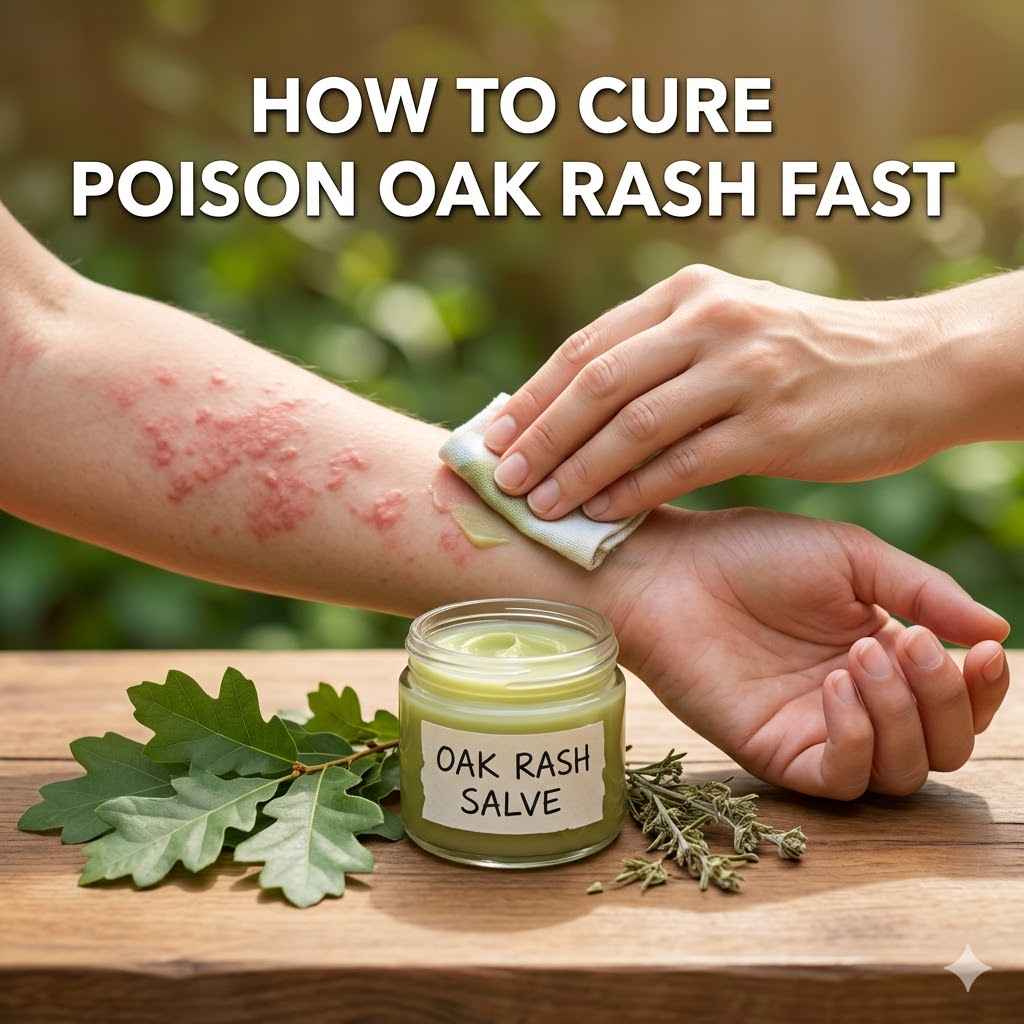
Applying cool, wet compresses to the affected areas can help reduce itching and swelling. You can use a clean cloth soaked in cool water. Taking a cool shower or bath can also be very soothing. Adding colloidal oatmeal to a bath is a classic remedy known for its skin-calming properties.
Colloidal oatmeal contains compounds that help to moisturize and soothe irritated skin. It can create a protective barrier, reducing the urge to scratch. Make sure the water is cool or lukewarm, not hot, to avoid irritating the skin further.
Calamine Lotion and Hydrocortisone Cream
Over-the-counter calamine lotion is a popular choice for poison oak rash. It helps to dry out weeping blisters and provides a cooling, anti-itch effect. Hydrocortisone cream (1%) can also be very effective at reducing inflammation and relieving itching. Apply these as directed on the product packaging.
Calamine lotion works by providing a physical barrier and having a mild astringent effect. Hydrocortisone cream is a topical steroid that reduces inflammation and itching. Both are readily available and can offer significant relief.
Baking Soda Paste
A paste made from baking soda and water can help to dry out blisters and relieve itching. Mix about three teaspoons of baking soda with one teaspoon of water to form a paste. Apply it to the rash, let it dry, and then gently rinse it off.
Baking soda, also known as sodium bicarbonate, is alkaline. When applied to the skin, it can help to neutralize acids and reduce inflammation. It also has a drying effect, which is beneficial for weeping blisters.
Preventing Future Rashes
The best way to deal with poison oak rash is to avoid it altogether. Learning to identify the plant and taking preventive measures can save you a lot of discomfort.
Identifying Poison Oak
Poison oak typically grows as a shrub or vine. Its leaves are usually found in groups of three, with the middle leaf having a longer stem. The edges of the leaves can be smooth or toothed. In spring and summer, the leaves are green. In fall, they can turn yellow, orange, or red.
Remember the rhyme “Leaves of three let it be.” This is a good general rule, but variations exist. The best approach is to learn its specific appearance in your region.
Protective Clothing and Barriers
When venturing into areas where poison oak might be present, wear long sleeves, long pants, socks, and closed-toe shoes. Tuck your pants into your socks for added protection. Consider wearing disposable gloves.
These barriers prevent the urushiol oil from coming into direct contact with your skin. Even if you brush against the plant, your clothing will absorb most of the oil.
Seeking Professional Medical Advice
While many cases of poison oak rash can be managed at home, there are times when professional medical help is necessary.
When to See a Doctor
If the rash is widespread, covers your face or genitals, or is accompanied by a fever, you should seek medical attention. If you have a known severe allergy to poison oak, or if home remedies are not providing relief after a week, consult a doctor.
A doctor can prescribe stronger medications, such as oral corticosteroids, to manage severe reactions. They can also treat any secondary infections that may arise from scratching.
Advanced Treatments and Considerations
For more severe or persistent poison oak reactions, advanced treatments might be considered. These often involve prescription medications and require a doctor’s supervision. Understanding these options can be helpful if your rash is not responding to typical home care.
Prescription Medications
In cases of extensive rashes, severe itching, or facial involvement, a doctor may prescribe oral corticosteroids like prednisone. These medications work systemically to reduce inflammation and suppress the allergic reaction. They are typically taken for a period of one to three weeks, with the dosage gradually decreasing.
Topical prescription steroid creams, stronger than over-the-counter hydrocortisone, are also available. These can be applied directly to the rash to reduce inflammation and itching in localized areas. It is vital to use these exactly as prescribed to avoid side effects.
Antihistamines
Oral antihistamines, such as diphenhydramine (Benadryl) or loratadine (Claritin), can help alleviate itching, especially at night. Non-drowsy formulas are available for daytime use. Antihistamines work by blocking histamine, a chemical released by the body during an allergic reaction that causes itching.
It’s important to note that antihistamines primarily help with itching and do not directly treat the urushiol oil or the underlying allergic reaction. However, by reducing the urge to scratch, they can help prevent secondary infections and allow the skin to heal.
Treating Blisters
Blisters are a common part of poison oak rash. While it’s tempting to pop them, it’s best to leave them intact. Popping blisters can lead to infection and may spread residual urushiol if not handled carefully.
Caring for Weeping Blisters
If blisters break open, gently clean the area with mild soap and water. You can apply a thin layer of antibiotic ointment to help prevent infection. Covering the weeping blisters with a loose bandage can protect them and absorb any draining fluid.
Some people find that applying a paste made of crushed aspirin and water can help dry weeping blisters, though this should be done with caution and is not a universally recommended treatment. Always test on a small area first.
Duration of the Rash
The duration of a poison oak rash can vary significantly depending on the severity of exposure and individual sensitivity. Mild cases might clear up within a week to ten days. More severe reactions can last for two to three weeks, and sometimes even longer.
The rash typically follows a pattern: initial redness and itching, followed by blister formation, then weeping and crusting, and finally healing. Understanding this progression can help manage expectations and provide comfort.
Preventing Cross-Contamination
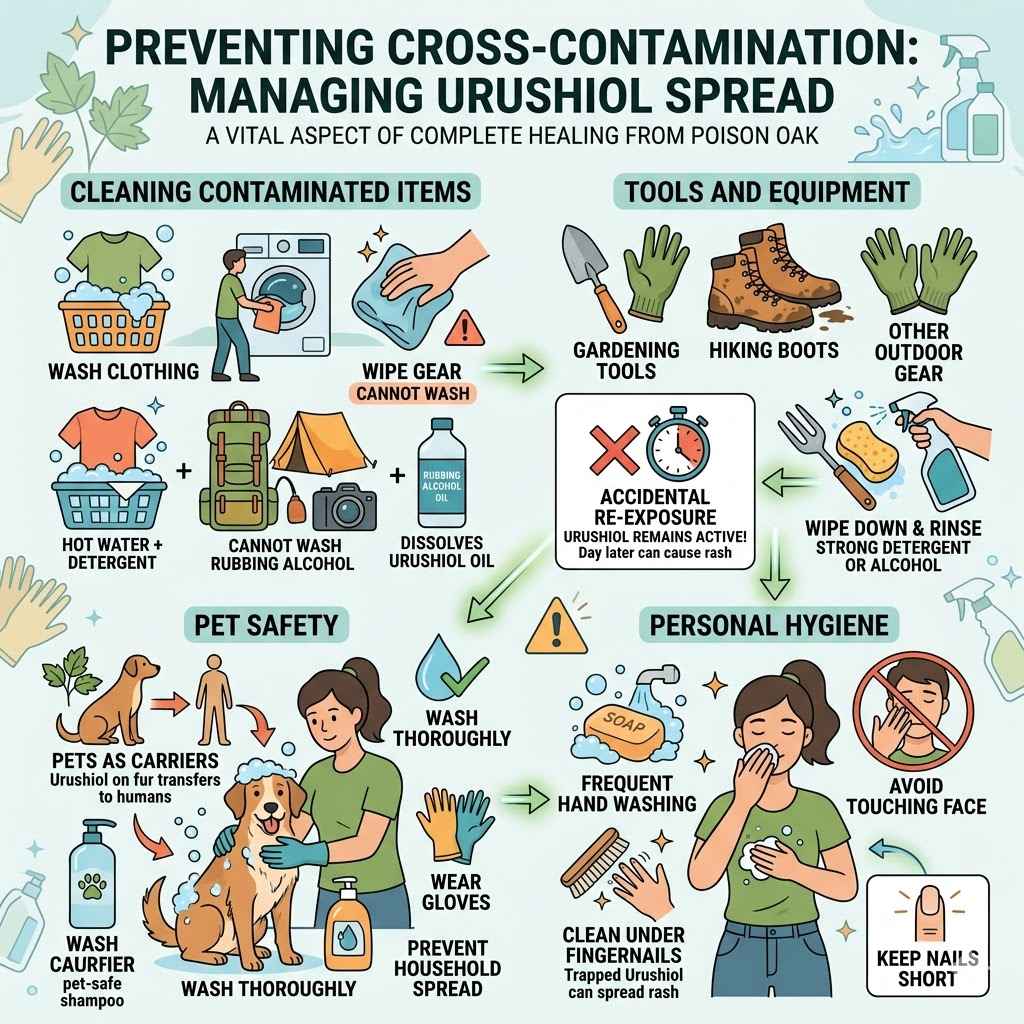
A critical aspect of managing poison oak is preventing the spread of urushiol to other parts of your body or to other people and objects. This is often overlooked but is vital for complete healing.
Cleaning Contaminated Items
After any suspected exposure, it’s essential to thoroughly clean everything that may have come into contact with the poison oak plant or the urushiol oil. This includes clothing, shoes, tools, camping gear, and even your pets.
Wash contaminated clothing in hot water with detergent. For items that cannot be washed, such as certain fabrics or gear, wipe them down with rubbing alcohol. Rubbing alcohol can help dissolve and remove the urushiol oil.
Tools and Equipment
Gardening tools, hiking boots, and anything else used outdoors in potentially contaminated areas should be cleaned carefully. Wipe them down with rubbing alcohol or a strong detergent and rinse thoroughly.
Urushiol can remain active on surfaces for an extended period, so thorough cleaning prevents accidental re-exposure. For example, picking up a contaminated garden tool days later can still cause a rash.
Pet Safety
Pets can carry urushiol oil on their fur and transfer it to humans. If your pet has been in an area with poison oak, wash them thoroughly with a pet-safe shampoo. Wear gloves during the washing process to protect your hands.
Even if your pet shows no signs of irritation, they can still be carriers of the oil. A thorough bath is crucial to prevent you or others in your household from developing a rash.
Personal Hygiene
Beyond immediate washing after exposure, maintaining good personal hygiene can help. Avoid touching your face, eyes, and mouth, especially if you suspect you may have urushiol on your hands. Wash your hands frequently with soap and water.
Clean under your fingernails thoroughly, as urushiol can get trapped there and spread the rash if you scratch. Keeping nails short can also help minimize the areas where oil can accumulate.
Frequently Asked Questions
Question: How long does it take for poison oak rash to appear
Answer: The rash typically appears within 12 to 48 hours after exposure to the urushiol oil. However, in some cases, it can take up to 72 hours to show up.
Question: Can poison oak rash spread from person to person
Answer: No, the rash itself is not contagious. It only spreads if there is still urushiol oil on the skin or surfaces that then come into contact with other people.
Question: What is the most effective way to stop itching
Answer: Cool compresses, calamine lotion, hydrocortisone cream, and oatmeal baths are all effective ways to relieve itching. Oral antihistamines can also help, especially for sleep disturbances.
Question: Should I pop poison oak blisters
Answer: It is best not to pop poison oak blisters. Leaving them intact helps prevent infection and may reduce the spread of any remaining urushiol.
Question: How long does poison oak rash last
Answer: A mild poison oak rash can last from one to three weeks. More severe reactions may take longer to heal.
Conclusion
Effectively treating poison oak rash quickly involves immediate cleaning to remove the oil, followed by soothing remedies to manage symptoms. Identifying the plant, wearing protective gear, and cleaning contaminated items are key for prevention. With the right steps, you can significantly reduce discomfort and speed up healing. Act fast, be thorough, and find relief.