How to Darken Wood Without Stain: 7 Methods That Work (2026)
The quickest way to darken wood without stain is to match the method to the wood. Iron acetate (steel wool dissolved in vinegar) and ammonia fuming work chemically on tannin-rich woods like oak, walnut and cherry. Low-tannin woods like pine and maple need tannin added first, a tinted finish, a heat treatment, or potassium permanganate. Below are seven methods, what each one does to which species, how long it takes, and the one myth in most guides that sends people to the wrong chemical.
Quick Answer: Pick Your Method by Wood Type
Best Steel Wool for Iron Acetate
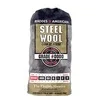 |
Homax #0000 Steel Wool Pads, 12 Pack, $4.98 Dissolved in white vinegar, these pads make the iron acetate solution that darkens tannin-rich wood without any pigment.
|
Wood gets its natural color from tannins, lignin and other extractives, and several of these methods (tea, iron acetate, ammonia fuming, UV aging) only work if the wood has the chemistry to react. Test the wood before you commit: brush a little strong black tea on a scrap end. If it darkens clearly, the wood is tannin-rich and iron acetate will go black or grey. If it barely changes, plan on one of the methods that does not depend on tannins.
| Method | Darkness | Works best on | Typical time | Reversible? |
|---|---|---|---|---|
| Black tea / coffee | Light to medium | Oak, cherry, or any wood as a pre-treatment | Minutes per coat, 2-4 coats | No, but very subtle |
| Iron acetate (vinegar + steel wool) | Grey-brown to black | Oak, walnut, cherry, mahogany | Solution takes about 1 day to a week; color shows in minutes | No |
| Ammonia fuming | Medium to very dark brown | White and red oak, other high-tannin species | Often 12 to 48 hours in the chamber | No |
| Penetrating oil (Danish, tung) | Light to medium | All species | Hours per coat, about 24 hours between coats | Not really |
| Torch / heat (shou sugi ban) | Brown to black char | Cedar, cypress, pine, other softwoods | Minutes per board, plus brushing and sealing | No |
| Potassium permanganate | Medium to dark brown | Pine, maple, birch, low-tannin woods | Color develops over minutes | No |
| Sunlight / UV aging | Light to medium | Cherry, mahogany, pine | Weeks to months | Slowly fades if exposure stops |
Method 1: Black Tea or Coffee (Tannin Pre-Treatment)
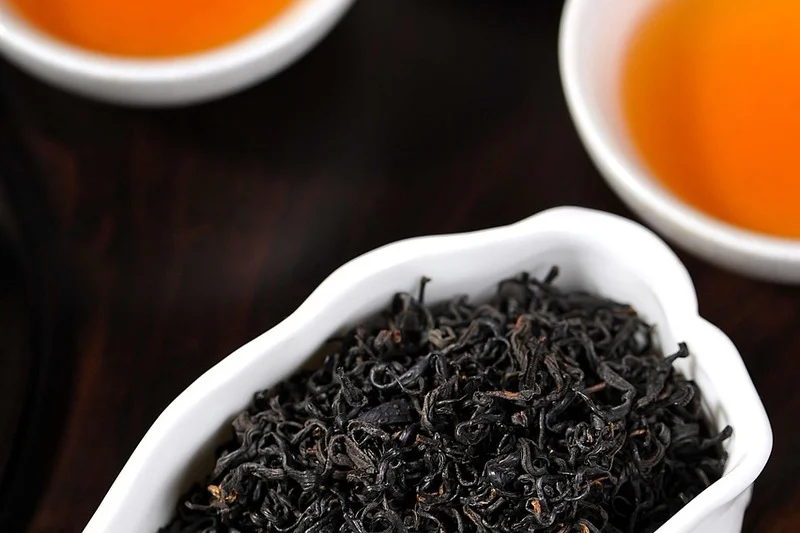
Tea works because it is loaded with tannic acid, the same compound that gives oak and walnut much of their color. On its own the effect is mild: a light tan to medium brown that builds with each coat. Its real value is as a pre-treatment, because it adds tannins to woods that do not have many, so that iron acetate has something to react with. For a full walkthrough of the coffee version, see our guide to darkening wood with coffee.
- Steep 4 to 6 tea bags in one cup of just-boiled water for 15 minutes, then let it cool.
- Sand the bare wood to 180 or 220 grit and wipe off the dust.
- Brush or wipe on a wet, even coat with the grain and let it dry fully.
- Repeat for 2 to 4 coats, or move straight on to iron acetate if you are using tea as a pre-treatment.
Method 2: Iron Acetate (Vinegar and Steel Wool)
This is the classic no-stain darkener and the one most people searching this topic end up using. Steel wool (iron) dissolves slowly in vinegar (acetic acid) to make iron acetate. When it touches wood tannins it forms iron tannate, a grey to black compound, so the color forms inside the wood rather than sitting on top as pigment. The result is a weathered, barnwood grey on oak and a deep brown-black on walnut and cherry.
- Pull apart one #0000 steel wool pad and drop it in a glass jar, then cover it with about 1 pint of plain white vinegar.
- Put the lid on loosely or poke a hole in it. The reaction gives off hydrogen gas, so never seal the jar tight.
- Wait at least 24 hours. A day gives a lighter solution and a week gives a stronger one, and the vinegar turns rust-orange to dark brown.
- Strain the liquid through a coffee filter or old cloth to remove bits of steel wool.
- Test on a scrap of the same wood and watch for 5 to 10 minutes. The color keeps developing as it dries.
- Brush on a thin even coat, let it dry, and add a second only if you want it darker.
Two practical notes. Water-based solutions raise the grain, so after the wood dries, sand lightly with 220 grit and wipe the dust off before finishing. And if the wood barely changes color, it is a low-tannin species: brush on strong tea first (Method 1), let it dry, then apply the iron acetate. That pairing is the standard fix for pine, which is why it appears in our pine-specific guide on darkening pine without stain. If you want a true black rather than grey, our ebonizing guide covers the full process, and how to use steel wool on wood explains the grades.
Method 3: Ammonia Fuming
Fuming exposes wood to concentrated ammonia vapor in a sealed chamber. The vapor reacts with tannins in the surface layer, which is why it became a favorite color for Arts and Crafts oak furniture: the tone is even and it highlights the grain. Typical results are a grey-brown on white oak that deepens to a dark chocolate with longer exposure.
The catch is the chemical. The effective product is concentrated aqua ammonia, commonly sold around 26 to 28 percent, while household ammonia is only about 5 to 10 percent and gives weak, slow results. Concentrated ammonia vapor burns eyes, lungs and skin, so fume outdoors or in a very well ventilated space, wear splash goggles, chemical-resistant gloves and a respirator with ammonia-rated cartridges, and never mix ammonia with bleach or any cleaner, because the combination releases toxic gas.
- Build a chamber from a large plastic bin or plastic sheeting taped into a tent, big enough to hold the piece and a shallow dish.
- Set the wood on spacers so vapor reaches every face, and keep it from touching the liquid.
- Pour a small amount of ammonia into a glass or plastic dish, seal the chamber, and leave it undisturbed.
- Check the color through the seal or by briefly opening it, from about 12 hours onward. Longer means darker.
- Let the wood air out outdoors until the smell is gone before sanding lightly and finishing.
Method 4: Danish Oil, Tung Oil and Other Penetrating Oils
Any penetrating oil darkens wood a little because it fills the pores and makes the surface less reflective, giving the familiar wet look. Natural Danish oil or pure tung oil usually moves a piece about one shade darker and adds a warm amber tone that deepens as the oil cures. Many Danish oils, including Watco Dark Walnut, also contain pigment, so they behave like a thin stain even though they are sold as a finish. If your goal is no pigment at all, choose a natural or clear version and expect a gentler change. Mineral oil gives a similar temporary effect, covered in does mineral oil darken wood.
One more fact people miss: the clear topcoat itself changes the color. Oil-based polyurethane adds an amber tint that grows with each coat, while water-based clear coats stay close to the bare-wood color. Our article on whether polyurethane darkens wood has the details.
Method 5: Torch or Heat (Shou Sugi Ban)
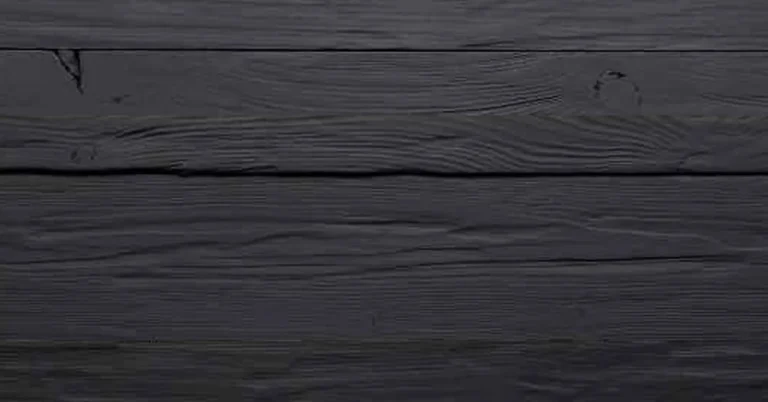
Burning the surface is the most dramatic option. In the Japanese shou sugi ban technique, a softwood board such as cedar or cypress is charred with a torch, cooled, brushed to remove the loose soot, and sealed with oil. Brushing lightly leaves a deep black with visible grain texture, while brushing harder reveals a brown-grey tone. A lighter scorch with a heat gun or a quick pass with a torch gives a toasted brown instead of full char.
- Work outdoors on bare concrete or gravel with a fire extinguisher and a hose within reach.
- Keep the flame moving and stop when the surface turns uniformly black; deep charring weakens thin boards.
- Let the wood cool fully, brush with the grain using a stiff nylon or brass brush, and seal with a penetrating oil. Our guide to sealing charred wood covers the options.
- Never leave oily rags in a pile after oiling, since they can heat up and ignite on their own; lay them flat to dry outside.
For furniture-scale projects, how to char wood furniture goes into more detail on controlling the burn.
Method 6: Potassium Permanganate
Potassium permanganate is a strong oxidizer sold as purple crystals. Dissolved in water it paints on purple, then reacts with the wood and turns brown within minutes, with no tannins required. That makes it one of the few chemical options for pine, maple, birch and poplar. Start with a weak, pale-pink solution, because a strong one turns very dark and uneven and you cannot lighten it back. It also stains skin and clothing brown, so wear gloves and eye protection and keep the crystals away from flammable materials. Rinse the surface with clean water once you reach the color you want, let it dry, and finish.
Method 7: Sunlight and UV Aging
Some woods darken on their own with light exposure. Cherry is the best-known example, shifting from pale pink-tan to a deep reddish brown over months, and mahogany and pine also warm up with time. Not all species follow the pattern: walnut tends to go the other way and fade lighter and greyer in strong sun. Because it is slow and uneven, UV aging suits a project where you can leave the piece in a bright spot for several weeks, turning it regularly, and you do not need a precise shade. Our guide on darkening cherry wood covers that species in more depth.
The Myth to Skip: Oxalic Acid Does Not Darken Wood
Several guides list oxalic acid as a darkener. It is the opposite. Oxalic acid is a wood bleach and cleaner: it removes iron-tannate black stains and water rings, and it lightens grey weathered wood. If you apply it expecting a darker color you will get a paler surface. Reach for iron acetate, fuming or permanganate instead.
If the Wood Already Has a Finish
Tea, iron acetate, ammonia fumes and permanganate all need bare wood, because varnish, lacquer, polyurethane and paint block the liquid or vapor from reaching the fibers. The honest options are to strip or sand the finish back to bare wood first, or to use a pigmented product over the finish. A gel stain, a glaze or a tinted topcoat does work on a sealed surface, but these contain pigment, so they are stain-type products rather than a true no-stain method. A gentler pigmented option is darkening wood furniture with wax. If you decide a conventional product is fine after all, see the darkest wood stains for the deepest shades.
Choosing the Right Method: A Short Guide
- Oak, walnut, cherry, mahogany: iron acetate for grey to black, ammonia fuming for even brown, tea for a light shift.
- Pine, maple, birch, poplar: tea followed by iron acetate, potassium permanganate, or a tinted oil. Plain iron acetate alone will disappoint.
- Cedar or cypress siding and fencing: torch and brush, then seal with oil.
- Finished furniture you do not want to strip: gel stain, glaze or tinted topcoat, accepting that these are pigmented.
- Whatever you pick: test on an offcut from the same board, sanded to the same grit and finished the same way, because the topcoat changes the final shade.
Frequently Asked Questions About How to Darken Wood Without Stain
How do you darken wood without stain?
The main stain-free options are tea or coffee, iron acetate made from steel wool and white vinegar, ammonia fuming, penetrating oils, torching, potassium permanganate and sunlight. Iron acetate and ammonia fuming work on tannin-rich woods like oak, walnut and cherry. For pine and maple, add tannins with tea first or use potassium permanganate.
Does oxalic acid darken wood?
No. Oxalic acid is a wood bleach and cleaner that lightens wood and removes black iron stains and water marks. To darken wood use iron acetate, ammonia fuming or potassium permanganate.
Why did vinegar and steel wool do nothing on my pine?
Iron acetate reacts with tannins, and pine has very little of them. Brush strong black tea on the bare wood and let it dry, then apply the iron acetate solution. Potassium permanganate is the other reliable option for pine.
Can you darken wood that already has a finish?
Not with tea, iron acetate or fuming, because the finish blocks them. Strip or sand to bare wood first, or use a pigmented product such as gel stain, glaze or a tinted topcoat over the existing finish.
Does lemon oil darken wood?
Only slightly and temporarily. Furniture lemon oil is mostly a mineral-oil based polish, so it deepens the color the way any oil does by giving the surface a wet look. It does not change the color of the wood itself.
How do you darken wood filler to match?
Wood filler does not contain tannins, so vinegar and tea will not darken it. Use a filler tinted close to the wood, mix a universal colorant into water-based filler before applying, or buy a pre-tinted shade and test it under the finish you plan to use.
Conclusion
There is no single best way to darken wood without stain, only the right method for the species in front of you. Start by testing a scrap with strong tea to see whether the wood has tannins, then choose iron acetate or fuming for tannin-rich species, and tea plus iron acetate, permanganate or a tinted oil for the rest. Always test on an offcut, finish it the way you plan to finish the real piece, and take the safety steps for ammonia, permanganate and torches seriously.
Sponsored / affiliate links. As an Amazon Associate I earn from qualifying purchases. I may earn additional commission from eligible campaigns.