How to Darken Wood Furniture With Wax (Tinted Wax Compared)
A tinted paste wax, such as Briwax Dark Brown or Minwax Special Dark, darkens furniture by laying a thin, buffed layer of pigment over the existing finish. It adds modest color and depth, never a stain-style change, and it cannot lighten anything. This guide compares the main tinted waxes, shows the application method, and covers the part many tutorials skip: the fire risk of solvent waxes and how wax blocks future refinishing.
Best Tinted Wax for Darkening Wood Furniture
Best Tinted Dark Wax Pick | |
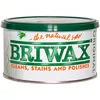 |
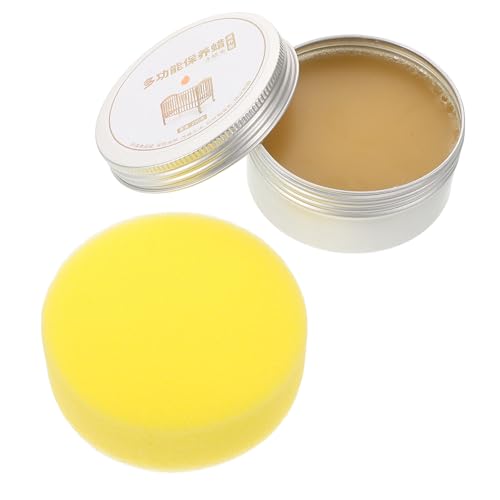
Briwax Dark Brown Furniture Wax, 16 oz: $30.98 Dark Brown is one of the 13 colors Briwax lists for its Original wax, which the maker says goes over virtually any existing finish. That matches the method below: a thin coat, buffed, built up only as dark as you want.
|
As an Amazon Associate we earn from qualifying purchases. | |
The pick above is one option, not the only good one. Pick by the finish you are working on and the look you want, then use the comparison in the next sections. If you also need a clear coat to follow the wax, see our guide to satin clear coats for wood.
What Tinted Wax Can and Cannot Do to Wood Color
The most common misunderstanding is expecting wax to behave like stain. Stains and dyes are made to color wood fibers. Waxes are surface finishes with pigment added, and the makers describe them that way: Minwax says its paste wax "protects and adds hand-rubbed luster to any finished wood surface," and Annie Sloan says its dark wax sits in texture and gives an aged look. In practice that sets clear limits.
| Goal | Tinted wax | Stain or dye |
|---|---|---|
| Deepen a tired, faded finish | Yes, this is the main use | Often needs stripping first |
| Add an aged, antique look in grain, carvings and corners | Yes, pigment collects in texture | Possible, but less control on carved detail |
| Make light bare wood dramatically darker | Weak: builds slowly and stays on the surface | Yes: this is what they are for |
| Make wood lighter | No | No (needs bleaching or stripping) |
| Change the color under an intact varnish film | Only tints the surface | Cannot reach the wood either |
| Refinish or restain later without extra prep | No: finishes will not stick to wax | Yes, subject to the finish used |
If you want a big color jump on bare wood, read our guides on staining wood darker and dye versus stain first, or try gel stain over an existing finish. Wax is the right tool when the finish is sound and you want depth, not a new color.
Tinted Wax Options Compared
These details come from the makers’ own product pages and directions. Colors online are only a guide: Briwax itself notes that the color shown on its site is "used only as a guide," so test on a hidden spot before committing.
| Wax | Colors listed by the maker | Maker’s directions | Notes |
|---|---|---|---|
| Briwax Original | 13, including Dark Brown, Antique Mahogany, Red Mahogany, Ebony, Tudor Brown, Teak, Golden Oak and Clear | Cloth or 0000 steel wool, work into the grain, buff when dry | Beeswax and carnauba blend; for antiques and pre-finished furniture, check compatibility first |
| Minwax Paste Finishing Wax | Natural and Dark | Thin, even coat with a clean cloth, dry 10 to 15 minutes, polish; 2 coats listed | Flammable; clean up with mineral spirits; about 500 sq ft per lb |
| Annie Sloan Dark Soft Wax | Dark (clear is a separate wax) | Clear wax first, dark wax while the clear is wet, wipe back | Touch dry within 24 hours, up to 2 weeks to fully harden |
| Briwax Sheradale | Clear or Antique Brown | Small amount, along the grain, polish with a lint-free cloth | Too much wax leaves the finish streaky |
A note on names: Briwax’s Antique Mahogany and Red Mahogany suit red-toned woods, while Dark Brown, Ebony and Tudor Brown are the neutral-to-deep browns. Our own guide to mahogany color changes covers why that red tone is hard to fight once it is there. For more on the waxes themselves, see Briwax usage sheet and our post on beeswax versus carnauba wax.
How to Darken Wood Furniture With Tinted Wax
This is the standard sequence, built from the directions on the Minwax, Briwax and Annie Sloan pages. Treat the exact timings as the maker’s, and adjust for room temperature.
- Clean and test. Remove dust and grime, then pick a hidden spot such as the underside of a drawer or the inside of a leg. Apply a thin patch there first to judge both the color and how the existing finish reacts.
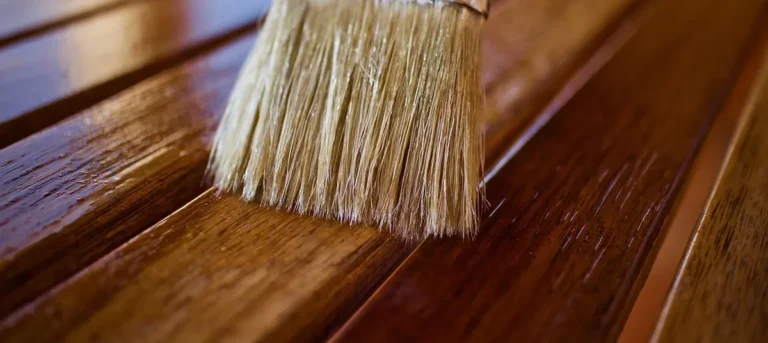
- Apply a thin coat. Rub a small amount of wax into the surface with a clean lint-free cloth, working with the grain. Briwax’s directions also allow 0000 steel wool. Thin is the whole technique: Annie Sloan notes that thick areas dry slowly and do not buff to the same sheen.
- Let it dry, then buff. Minwax lists 10 to 15 minutes before polishing. Annie Sloan’s dark wax needs longer, and its wiping-back step is where you set the final depth.
- Wipe back for depth. Remove more wax for a lighter, antique tone or leave more behind for a deeper one. Annie Sloan suggests using clear wax as an eraser over any spot that went too dark.
- Build in layers. Minwax lists 2 coats. Add a second thin coat only after the first is buffed, and stop when the test patch color is where you want it.
- Let it harden. Wax feels dry long before it cures. Annie Sloan says up to 2 weeks to fully harden, so avoid hard use, hot dishes and damp cloths during that time.
Wax Over a Finish or Over Bare Wood?
The makers point to finished wood. Minwax describes its paste wax as a finish for finished wood surfaces, and Briwax says its Original wax can go over virtually any existing finish, with the caution to check compatibility on antiques and pre-finished furniture first. Briwax’s usage sheet also covers unsealed surfaces and says they should be smooth, dry and clean, with the wax worked into the grain.
| Starting point | What to expect from tinted wax | What to do |
|---|---|---|
| Sound varnish, lacquer or polyurethane | Subtle tint, color sits in scratches, edges and carvings | Clean thoroughly, test, build thin coats |
| Faded or worn finish | Visible refresh and added depth | Clean off old wax first (see removal section) |
| Painted or chalk-painted piece | Dark wax settles into brush marks and details | Follow the paint-wax maker’s clear-then-dark sequence |
| Bare, unsealed wood | Pigment gathers unevenly where grain is open | Smooth to a clean, dry surface and test first |
If the piece is chalk-painted and the wax went on blotchy, our guide to fixing blotchy wax on chalk paint covers recovery, and removing chalk paint from wood covers starting over. Pine is a special case for blotching, so see darkening pine without stain before waxing it.
Safety: Solvent-Based Waxes Are Flammable
Tinted wax is not a harmless paste. The Minwax label states that the contents are flammable and to keep them away from heat and open flame, to use only with adequate ventilation, and it carries a vapor warning. The Briwax Original safety data sheet classes the wax as a flammable liquid, gives a flash point of 21 C, lists toluene as an ingredient, and tells users to keep it away from ignition sources, to avoid breathing vapors, and to use it only outdoors or in a well-ventilated area.
Fire and ventilation checklist from those sources:
- Work with doors and windows open, or outdoors if the piece is portable.
- Keep the tin away from heat, sparks and open flames, including pilot lights. No smoking.
- Keep the lid closed when not in use.
- Wash skin after contact and keep the wax away from children.
- Our sources do not give rag-disposal directions, so follow the instructions printed on your own can for used cloths, and do not leave them in a pile.
Note that the safety data sheet we read is the UK/EU sheet for the Original (clear) wax, and US labels or other colors can differ. Always read the label on the tin you actually bought.
Removing or Changing Tinted Wax Later
Wax is easy to put on and a chore to take off. Minwax is explicit about it:
"No finish will adhere to paste wax."
Minwax, on reviving and repairing old finishes
Minwax says to remove wax with a soft cloth dipped in mineral spirits before restoring a piece you suspect was waxed. Briwax sells a wax removing solution and warns not to use it on shellac, French polished or lacquered surfaces, so test first. For a full walk-through, see removing paste wax from furniture. If you plan to restore a shellac piece instead, read using shellac on wood and Restor-A-Finish versus Danish-style restorers before adding any wax.
Keeping the Color After It Cures
Wax wears with handling, so build the habit of light upkeep rather than heavy re-coloring. Briwax says its finish is maintained by further applications that add hardness and shine, and it advises against use where the wax will contact water. Buff with a clean soft cloth for general care; our guide to buffing paste wax covers technique, and caring for antique furniture covers what to avoid. For a deeper, harder sheen without more pigment, our burnishing guide is a related option. Small wooden pieces follow the same logic, as in cleaning up old wooden boxes. Floors are a different job entirely: see darkening hardwood floors without sanding.
Frequently Asked Questions
What wax darkens wood?
A tinted paste wax does it. Briwax Original comes in 13 colors including Dark Brown, Antique Mahogany and Ebony, and Minwax Paste Finishing Wax comes in Natural and Dark. Annie Sloan’s Dark Soft Wax is made for aged looks over painted pieces. All of them tint the surface they sit on rather than soaking deep into the wood.
Can wax make wood lighter?
No. A tinted wax can only add pigment, and clear wax adds sheen rather than removing color. To lighten wood you have to take color out, which is a different job covered in our guide to lightening mahogany, or you strip and refinish the piece.
Do you need clear wax before dark wax?
It depends on the brand. Annie Sloan says to apply Clear Soft Wax first, then work the Dark Wax in while the clear is still wet, so you can wipe it back. The Briwax and Minwax directions we read do not require a clear base coat, but a hidden-spot test is still the safest way to judge how dark your piece will go.
Can you stain or finish over dark wax later?
Not until the wax is removed. Minwax states that no finish will adhere to paste wax, and says to remove it with a soft cloth dipped in mineral spirits before refinishing. Waxing a piece you may want to restain later is a real trade-off.
Is tinted furniture wax flammable?
Solvent-based waxes are. The Minwax label calls the contents flammable and says to use adequate ventilation, and the Briwax Original safety data sheet classes it as a flammable liquid with a 21 C flash point. Keep it away from heat, sparks and open flame, and work with windows open.
Bottom Line
Tinted wax is the gentlest way to deepen furniture that already has a sound finish, and the hardest to undo cleanly if you later change your mind. Choose a named color from a maker that tells you how to apply it, test on a hidden spot, build thin coats, and respect the flammability warnings on the tin. If you need a dramatic color change, stain or dye is the better route, and the wood finishing guide helps you choose.
Sponsored / affiliate links. As an Amazon Associate I earn from qualifying purchases. I may earn additional commission from eligible campaigns.