How to Fix Cedar Shake Siding: Repair or Replace (DIY Steps)
Loose or split cedar shakes can usually be repaired in place: pry the popped nail, re-nail with a galvanized ring-shank fastener, and glue small splits with exterior wood glue and a clamp. Rotted or badly warped shakes need full replacement, cut to match the original 7–8.5" exposure so the coursing lines stay even — skipping that match is the most common DIY mistake. This guide covers repair, replacement, woodpecker damage, and when a shake needs full swap-out instead of a patch.
Insert your Affiliate Disclosure reusable block here.
What Is Cedar Shake Siding, and Why It Needs Different Care Than Board Siding
Best Cedar Shake Repair Pick
Simpson Strong-Tie Ring-Shank Wood Siding Nail (2″ x .092″, 1 lb)
Ring-shank galvanized siding nails hold in shakes that have already popped once — the ribbed shank resists working back out the way a smooth nail does.
- Best for: re-nailing loose shakes and securing new replacements
- Why we picked it: galvanized ring-shank construction is the same spec pros use, and it won’t rust-streak the cedar like uncoated nails
- Main drawback: harder to pull back out if you place one wrong — work slowly near shake edges
Compare more cedar shake repair options
 Option 1 Titebond III Ultimate Waterproof Wood Glue, 16 oz
|
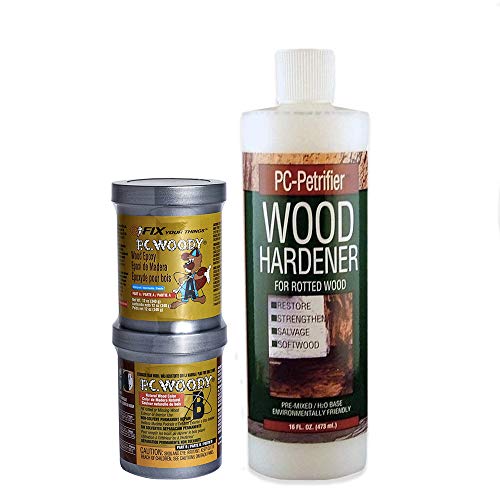
 Option 2 PC-Woody Wood Repair Epoxy Paste, 12 oz
|
 Option 3 DASCO PRO 24-Inch Shingle Ripper
|
As an Amazon Associate we earn from qualifying purchases.
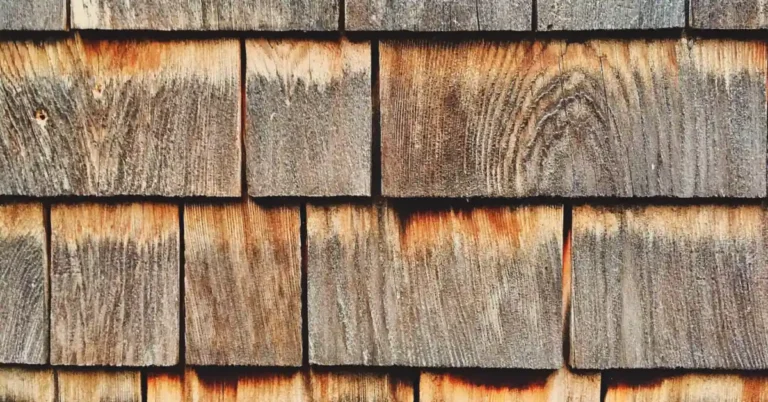
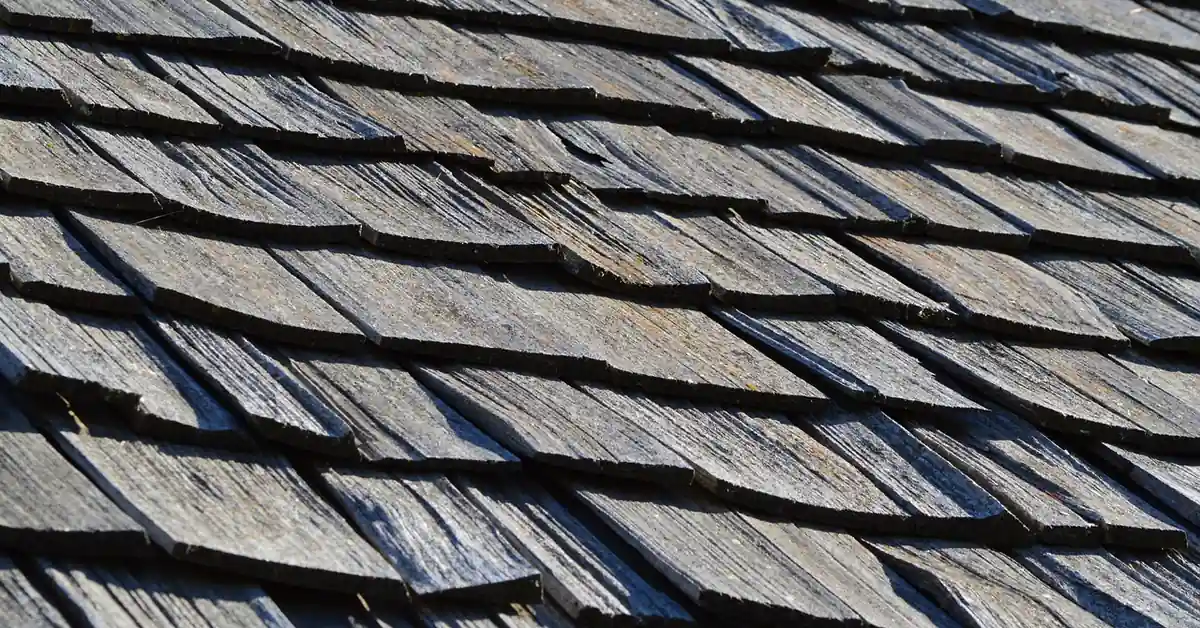
Cedar shake siding is exterior wall covering made from individually split (not sawn) cedar shingles, installed in overlapping horizontal courses. Unlike solid cedar lap board siding, each shake is a separate piece fastened with its own two nails, which is exactly why repairs are done shake-by-shake instead of board-by-board. Cedar’s natural oils resist decay and insects better than most woods, but weather cycling still causes cracking, warping, rot, and moss growth over time — see our breakdown of the full pros and cons of cedar shake siding if you’re still deciding whether it’s the right material for a re-side. Regular inspection catches these problems while they are still a $10 tube of glue instead of a full re-side.
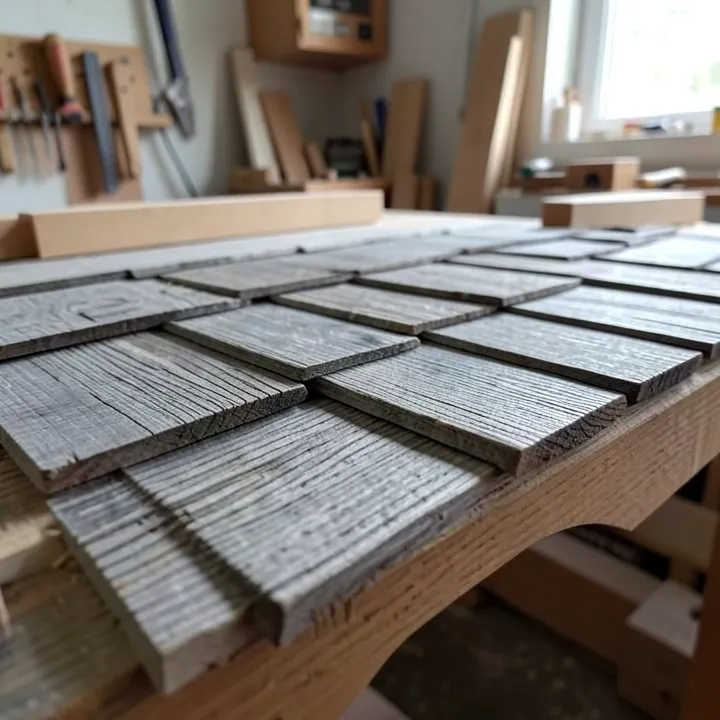
Assessing the Damage Before You Start
- Cracks and splits that let water seep behind the shake — usually repairable with glue or sealant.
- Dark, soft spots that indicate rot or mold — these shakes need replacing, not patching.
- Loose or missing shakes — a popped nail is a five-minute re-nail job; a missing shake needs a full replacement.
- Curling or warping from repeated wet-dry cycles — mild cupping can be left, severe curling needs replacement.
- Small round holes in a cluster — this is almost always woodpecker damage, not insects (see the section below).
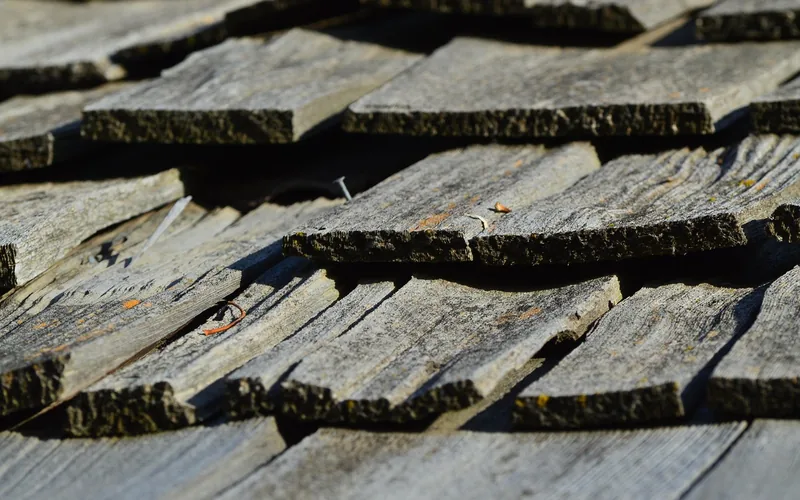
Replace shakes with extensive rot — they cannot be saved with filler. Re-nail loose shakes that are otherwise sound. Replace missing shakes immediately; an open gap lets water behind the weather barrier and turns a $5 repair into sheathing damage.
Tools and Materials You’ll Need
- Pry bar or flat bar (for popped nails)
- Shingle ripper (for removing full shakes without disturbing neighbors — see the product below)
- Hammer and cold chisel
- Galvanized or stainless ring-shank siding nails
- Exterior-grade waterproof wood glue, plus a small clamp
- Exterior wood filler or two-part epoxy putty (for holes and minor rot)
- Utility knife
- Ladder, safety glasses, work gloves
Wear safety glasses and gloves, confirm the ladder is stable before climbing, and check the weather — wood glue and sealants need dry, above-50°F conditions to cure properly.
Fix a Loose Shake: Pull-and-Renail
If a shake is otherwise sound but a nail has popped or backed out, don’t add a second nail next to the old hole — the old hole stays a leak point. Instead, use the claw end of the hammer to fully withdraw the loose nail, then drive a new galvanized ring-shank nail through a slightly different spot on the shake, angled to bite fresh wood. Ring-shank nails hold better than smooth-shank in shakes that have already loosened once.
Repairing Cracks and Splits
For hairline cracks: clean out dust, apply exterior sealant with a caulking gun, smooth it with a putty knife, and let it cure 24 hours before checking.
For larger splits: apply waterproof exterior wood glue to both faces of the split, press the pieces together, and hold them with a small clamp for a full 24 hours. Don’t skip the clamp — cedar’s open grain needs sustained pressure for the glue to bond, not just contact. Once cured, sand lightly to smooth the seam.
Replacing a Damaged Shake — Step by Step
- Split the damaged shake: use a hammer and chisel to split the shake vertically down the middle so it can come out in two narrower pieces without prying against its neighbors.
- Free the nails: slide a shingle ripper (a flat hooked blade) up under the course above, hook each nail shank, and pull or cut it — this avoids lifting the surrounding shakes.
- Remove all fragments: pull out both split halves and clear any debris from the gap.
- Measure and cut the replacement: measure the exposed opening and cut a new shake to width, leaving 1/8" gaps on each side for seasonal wood movement.
- Match the exposure: slide the new shake in so the same amount is exposed as the surrounding course (see the exposure spec below) — a mismatched reveal is the most visible sign of a DIY repair.
- Nail it in: drive two galvanized ring-shank nails about 1" up from the butt line and 3/4" in from each edge, angled slightly so the next course’s nails cover them.
- Finish to match: apply wood preservative or stain-match the new shake so it weathers in with the rest of the wall over the next season.
📊 Standard shake exposure is 7” for single-coursed 16” shakes and up to 8.5” for 18” shakes — matching this measurement when you swap in a new shake is what keeps the repaired course level with the rest of the wall. Source: Cedar Shake & Shingle Bureau installation standards.
Most competing repair guides skip this measurement entirely and just say “match the old shake” — but without the actual exposure number, it’s easy to install the new shake too high or too low and end up with a visible step in the coursing line that no amount of stain-matching will hide.
Woodpecker Damage: A Different Problem Than Rot
Small round or oblong holes clustered in one area, usually near the roofline or a corner, are woodpecker damage, not insect damage — cedar’s natural oils don’t stop birds. Fix the holes with exterior wood filler or two-part epoxy putty, sand smooth once cured, then prime and stain to match. But filling the holes without addressing why the bird came back rarely works: woodpeckers usually return to the same spot, often because they hear insects inside the wall cavity or because the drumming sound off that particular shake attracts mates. If holes keep reappearing in the same location after filling, that’s a sign to have the wall cavity checked for an actual insect problem before you refill it again.
Cleaning Cedar Shakes
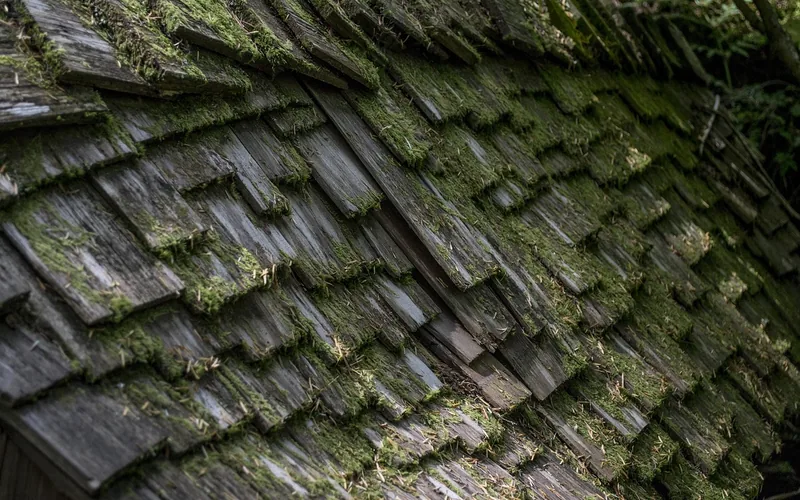
Scrub dirt away with a soft brush and a mix of water and mild detergent, then rinse clean. For mildew and moss, mix one part bleach to three parts water, apply, let it sit 15 minutes, and rinse thoroughly — wear gloves and goggles and keep the runoff away from plants. Oxygen bleach, white vinegar, or hydrogen peroxide are gentler alternatives that work almost as well without the bleach runoff concerns — our full guide to cleaning cedar siding breaks down which solution fits which stain. Test any solution on a hidden section first. For the biology behind why cedar still grows moss despite its natural oils, see does cedar actually prevent mold?
Repair Materials That Actually Hold Up Outdoors
Interior wood glue and standard drywall-style filler both fail outdoors within a season — use exterior-rated products for every cedar shake repair.
Preventative Maintenance
- Inspect the siding twice a year and after major storms — look for cracks, splits, or dark spots.
- Clean the siding with a soft brush and hose twice a year to keep moss and mildew from taking hold.
- Trim trees and bushes back from the wall to cut down on trapped moisture and shade.
- Keep gutters clean so runoff doesn’t sheet down the siding.
- Re-nail loose shakes as soon as you spot them — don’t wait for the next one to come loose too.
- Reapply a UV-protective, mildew-inhibiting sealant every few years, more often on south- and west-facing walls.
Staining to Match Weathered Cedar
New replacement shakes will look noticeably lighter than the surrounding weathered wall until they’ve had a season outdoors. A semi-transparent stain matched to the existing wall color closes that gap immediately instead of waiting a year for natural weathering to blend them in. If the whole wall — not just the patch — has gone uniformly gray and you want to restore its original tone rather than just patch a repair, that’s a separate project; see our guide to reviving weathered cedar siding for the cleaning and re-staining process.
Professional Help vs. DIY
Loose nails, small splits, and one or two damaged shakes are a reasonable weekend DIY job with basic tools. Call a professional when the damage covers a large section of wall, when you find soft or rotted sheathing behind the shakes (not just the shake itself), or when the repair area is above the second story and requires scaffolding rather than a stepladder. If you’re dealing with shakes on the roof rather than the walls, the repair process differs — see our guide to cedar shake roofing.
“The repair mistake I see most often isn’t a bad glue joint — it’s a new shake nailed in with the wrong exposure. Get a tape measure on the course above and below before you cut, not after.”
— Md Meraj, Woodworking Advisor, 12+ years working with wood and deck/siding projects
Frequently Asked Questions
Can you replace individual cedar shakes?
Yes. Split the damaged shake out with a hammer and chisel, pull or cut the nails with a shingle ripper, and slide in a new shake cut to match the surrounding exposure (7” for 16” shakes, up to 8.5” for 18” shakes). You don’t need to remove an entire course to fix one damaged piece.
How do you restore old, weathered cedar shake siding?
Clean with a bleach-and-water or oxygen-bleach solution to remove mildew and gray buildup, let it dry fully, then apply a UV-protective stain or sealant. This restores color and protection but doesn’t fix structural damage — repair cracked or rotted shakes first, then clean and refinish the whole wall.
What is the best tool for removing cedar shakes?
A shingle ripper (also called a shingle slater or nail puller) is the right tool — its flat, hooked blade slides under the course above to hook and pull or cut the nails without disturbing neighboring shakes. A hammer and chisel work for splitting the old shake itself, but a shingle ripper is what gets it out cleanly.
Can you put new siding over cedar shakes?
It’s possible over sound shakes with furring strips to create a flat nailing surface, but it’s not recommended if the shakes underneath are rotted or holding moisture — covering trapped moisture accelerates rot you can no longer see or fix. Address existing damage and confirm the wall is dry before covering it.
How do you fix woodpecker damage on cedar shake siding?
Fill the holes with exterior wood filler or two-part epoxy putty, sand smooth once cured, then prime and stain to match. If holes keep reappearing in the same spot after filling, have the wall cavity checked for insects — woodpeckers often return because they’re hearing something inside the wall, not just pecking at random.
Conclusion
Most cedar shake siding damage — loose nails, small splits, a handful of rotted shakes — is a straightforward repair with basic tools and exterior-rated materials. The one detail that separates a clean repair from a visible patch is matching the exposure on any replacement shake to the course around it. Inspect twice a year, re-nail and reseal promptly, and a cedar shake wall can go decades between anything more than routine maintenance.
Sponsored / affiliate links. As an Amazon Associate I earn from qualifying purchases. I may earn additional commission from eligible campaigns.