Best Oil for Wood Furniture: Danish vs Tung vs Lemon Oil
The best oil for wood furniture depends on one thing: whether the wood is bare or already finished. Watco Danish Oil suits bare or freshly sanded indoor pieces, pure tung oil gives a harder food-safe cure, and lemon-oil or wax polishes only clean and condition a finish that is already there. No oil repairs a failed varnish. This guide matches each oil to its job, with maker numbers and the rag-fire rule every curing oil shares.
Best Oil for Wood Furniture: Quick Picks by Job
Best Danish Oil Pick
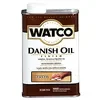 |
Watco Natural Danish Oil Wood Finish, 1 Quart, $23.32 This is the wipe-on, wipe-off oil used in the bare-wood steps below: a blend of penetrating oil and varnish that Watco says hardens in the wood rather than on it.
|
As an Amazon Associate we earn from qualifying purchases. Price checked 2026-10-05 and may change.
| Your furniture | Best oil type | Why |
|---|---|---|
| Bare, stripped or newly sanded indoor piece | Danish oil (Watco Danish Oil) | Oil and varnish blend that hardens in the wood; wipe on, wipe off |
| Dining table or anything food touches | Pure tung oil (Hope’s 100% Pure Tung Oil) | One pure oil; maker states FDA-approved for food-contact coatings once dry |
| Old piece with an intact finish that looks dull | Lemon-oil or wax polish (Old English, Howard Feed-N-Wax) | Conditions and adds sheen; it is not a finish |
| Outdoor teak | Teak sealer or teak oil | See our teak guide, because indoor Danish oil is not made for outdoors |
Is Your Furniture Bare or Already Finished?
This is the question most guides skip, and it decides everything. A film finish such as varnish, lacquer or polyurethane sits on top of the wood, so oil cannot soak through it. Curing oils (Danish, tung, linseed) are made for bare wood. Polishes are made for finished wood. Using the wrong one is why people end up with a sticky, streaky table.
- Shiny, smooth and sealed: it has a film finish. Clean it and use a polish if you want sheen.
- Dry, dull or worn through in spots: the finish has failed. Sand or strip it, then use a curing oil.
- Never finished at all: go straight to a curing oil.
If you are unsure, test a hidden spot. For a deeper comparison of oil against a film finish, see our guide to Danish oil vs polyurethane and the broader wood finishing guide.
The Three Kinds of Furniture Oil
Shelf labels blur these together, but they behave very differently.
| Type | Examples | Cures hard? | What the maker says |
|---|---|---|---|
| Oil and varnish blend | Watco Danish Oil | Yes, hardens in the wood | Penetrating oil and varnish blend; indoor use only, not for floors; flammable liquid with a 41 C (106 F) flash point on its safety data sheet |
| Pure drying oil | Hope’s 100% Pure Tung Oil, boiled linseed oil | Yes, slowly, by reacting with air | Tung: 2 or more coats 12 to 24 hours apart; cured when it no longer feels oily or smells nutty |
| Mineral-oil and wax polish | Old English Lemon Oil, Howard Feed-N-Wax | No, it stays an oil or wax | Old English SDS: white mineral oil, 90 to 100 percent; Feed-N-Wax is mostly orange oil, carnauba and beeswax, not food-safe |
The practical rule: if you want a finish that protects a bare surface, choose from the top two rows. If you only want to freshen something that is already finished, the bottom row is enough.
Danish Oil: Best Pick for Bare Indoor Furniture
Watco describes its Danish Oil as a unique blend of penetrating oil and varnish that hardens in the wood, not on the wood, and says many projects can be finished in under an hour by wiping it on and wiping it off. It is labeled for indoor use only and is not recommended for floors. According to the Amazon listing for the quart, it dries to the touch in as little as 6 hours and covers up to 170 square feet.
That combination is why it is our pick for the typical project: a dresser, side table or chair you have just sanded. It adds a little color, leaves no thick film to chip, and is forgiving, since a missed spot can be re-wiped. The trade-off is less protection against standing water or hot dishes than a film finish, which is the argument laid out in our Danish oil vs polyurethane comparison. For outdoor teak, our teak oil vs Danish oil guide and guide to treating teak cover what works there.
Pure Tung Oil: The Harder, Food-Safe Option
Hope’s information sheet makes a point worth knowing: its 100% pure tung oil is not the thinned-down varnish that is often sold as “Tung Oil Finish”. The pure oil penetrates and then dries to a durable solid that resists water, alcohol and oils. Its directions say to saturate the surface, let the oil penetrate, then remove all oil from the surface before it dries. Porous wood usually needs 2 or more applications 12 to 24 hours apart, and the previous coat does not need to dry first.
The sheet adds that cured tung oil may suit countertops, cutting boards, bowls and utensils because it is approved by the FDA in 21 CFR 175.300 as a coating for food-contact surfaces. Hope’s states the oil is fully cured when it no longer feels oily and its nutty smell is gone. That patience is the cost of choosing it. For how tung compares with other finishes, see tung oil vs mineral oil and Waterlox vs tung oil.
Boiled Linseed Oil and Teak Oil
Boiled linseed oil is the classic cheap oil finish, and it is a curing oil too, so the same bare-wood and rag-safety rules apply. We cover the boiled-versus-raw difference, drying times and label decoding in boiled vs raw linseed oil, and the finish itself in our linseed oil finish guide. Teak oil is a separate product category, and what it is actually made of is explained in the teak guide linked above.
Lemon Oil and Wax Polishes: Upkeep, Not a Finish
Two of the most searched furniture products fall into the polish group. The 2008 safety data sheet for Old English Furniture Polish Oil in Lemon lists white mineral oil at 90 to 100 percent by weight, so the lemon is mostly fragrance. Howard’s lemon-oil safety data sheet likewise lists mineral oil and states that hazardous polymerization will not occur, meaning it does not cure.
Feed-N-Wax is a different formula, described by Family Handyman as mostly orange oil, carnauba and beeswax. Let it sit at least 20 minutes before wiping off the excess, and expect closer to eight hours on unfinished wood or older finishes. The same review notes it is not food-safe, so keep it off cutting boards and kitchen counters.
Use these to clean and brighten a finished piece, not to protect bare wood. If you are wondering about using one of them on floors, see using Old English on wood floors.
Can You Use Cooking Oil on Wood Furniture?
Searchers ask about mustard, coconut, sunflower, corn, safflower and MCT oil, so here is the short answer: no. These are food oils that do not cure into a solid film the way tung or linseed oil does. They stay oily, attract dust and can turn rancid in the wood. Our full explanation is in can you use cooking oil on wood. If you want a food-contact option, a pure tung oil with a food-contact statement, such as Hope’s, is the more reliable route.
How to Oil Wood Furniture: Step by Step
- Check the surface: bare wood gets a curing oil, finished wood gets a polish.
- Prep: sand bare wood smooth along the grain and wipe away all dust.
- Test first: try the oil on a hidden spot for color and look.
- Apply thin: wipe or brush on the oil and let it soak in.
- Wipe off all excess: Danish and tung oil instructions both say to remove surface oil so it does not dry as a sticky film.
- Recoat as the label says: tung oil allows a second coat after 12 to 24 hours.
- Handle the rags safely: see the next section before you finish for the day.

Oily Rag Safety: Read This Before You Oil
Curing oils generate heat as they react with air. A crumpled rag holds that heat, which is why oily rags can ignite on their own. This is a rule written on the maker’s own paperwork, not an urban myth, and the makers do not all give the same disposal method.
| Maker | Product | What the maker says to do |
|---|---|---|
| Sunnyside | Boiled Linseed Oil | Immediately after each use, place rags, steel wool or waste in a sealed, water-filled metal container. The sheet states the time frame for spontaneous fire is unpredictable. |
| Rust-Oleum (Watco) | Danish Oil, safety data sheet | To avoid spontaneous combustion, soak rags and other clean-up materials in a closed, water-filled metal container. |
| Hope’s | 100% Pure Tung Oil | Hand-wash oily materials with water and detergent outside in a bucket and rinse, then spread them flat outdoors to dry for at least 24 hours above 40 F until completely dry. |
The safest habit is to follow the instructions on the can you are holding. If you cannot, the water-filled metal container is the method two of the three makers give, and it works for every curing oil in this guide. Also keep the work area ventilated, because Watco’s data sheet classes the product as a flammable liquid with vapors heavier than air.
Frequently Asked Questions About Oils for Wood Furniture
What is the best oil for old wood furniture?
It depends on the existing surface. If the old finish is intact, a mineral-oil or wax polish such as lemon oil or Feed-N-Wax only cleans and conditions it, which is usually all an antique needs. If the finish is worn through or stripped, a curing oil such as Danish oil or pure tung oil is the right choice, because it hardens in the wood and protects it.
What oil should I use on a newly sanded dining table?
Use a curing oil, not a polish. Watco Danish Oil is wiped on and wiped off and is meant for bare, stripped or sanded indoor wood, while pure tung oil gives a harder and food-safe finish once cured. Sand to a consistent grit, remove the dust, apply thin coats and wipe off every bit of surface oil before it dries.
Is Danish oil or tung oil better for furniture?
Danish oil is easier and faster, because it is a blend of oil and varnish that the listing says dries to the touch in as little as 6 hours. Pure tung oil needs two or more coats 12 to 24 hours apart and a longer cure, but it is a single pure oil that Hope’s says is FDA-approved for food-contact coatings once dry. Pick Danish oil for ordinary indoor furniture and tung oil for tables people eat at.
Can you put oil over varnish or polyurethane?
No oil will soak into an intact film finish, so it just sits on top and smears. Polish-type oils can be used to clean and add shine to a film finish, but a curing oil like Danish or tung oil is meant for bare wood. If the surface is shiny and sealed, use a polish. If it is dull, worn or bare, strip or sand first, then use a curing oil.
Is lemon oil furniture polish actually lemon oil?
Mostly not. The 2008 safety data sheet for Old English Furniture Polish Oil in Lemon lists white mineral oil at 90 to 100 percent by weight, and it also carries a warning that it contains more than 10 percent petroleum distillates. The lemon is mainly scent. Formulas change, so check the current label of any bottle you buy.
Is it safe to throw away oily rags after oiling furniture?
Not without the right steps. Danish oil, tung oil and linseed oil all generate heat as they cure, and oil-soaked rags can ignite on their own. Makers say to put the rags in a sealed, water-filled metal container immediately after use, or, in Hope’s case, wash them with detergent and spread them flat outside to dry. Never bunch them up in a trash can or leave them in a pile.
Sponsored / affiliate links. As an Amazon Associate I earn from qualifying purchases. I may earn additional commission from eligible campaigns.
 Quality Chemical Lemon Oil Furniture Polish - Finest Blend of Lemon Oils, Waxes & Moisturizers & UV Protection - Wood Cleaner and Polish for Wood Furniture, Cabinets & More - 128 oz (Pack of 4)
 Milsek Furniture Polish and Wood Cleaner with Lemon Oil - Multipurpose Solution for Home Improvement from Hardwood Floors to Kitchen Cabinets - 12 Fl Oz (Pack of 12)