How to Unscrew a Stuck Screw: 7 Fixes + Oil Test Numbers
To unscrew a stuck screw, soak the threads with a real penetrating oil, shock the head with a hammer tap or impact driver, and use a bit that seats fully, adding heat only last. In one magazine test, rusted nuts needed 516 lb of load with no oil but 127 lb with Liquid Wrench. This guide covers screws that will not turn from rust, over-tightening, threadlocker or paint.
Use Penetrating Oil First (And Give It Time)
Best Stuck-Screw Penetrant Pick
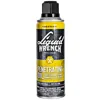 |
Liquid Wrench L106 Penetrating Oil, 5.5 Oz ($9.99) A single small can is enough for a handful of stuck screws, and the maker lists it as safe on painted surfaces. It is the same brand that needed the least force of the commercial sprays in the test below.
|
As an Amazon Associate we earn from qualifying purchases.
Rust and corrosion are the most common reason a screw refuses to turn, and penetrating oil is the cheapest fix. The oil is thin enough to creep into the threads by capillary action, which is why WD-40’s own explainer on penetrating oil describes low viscosity as the key property, and why it recommends its separate Specialist Penetrant for stuck bolts.
Apply Penetrating Oil
Mask the wood around the screw with painter’s tape first, because oil can darken raw wood. Spray the head and the gap around the shank, then wait. Family Handyman suggests letting the penetrant work for at least 15 minutes and then reapplying. If the screw still has not moved after a second coat, give it longer, including overnight for badly corroded hardware. Wear safety glasses, work in a ventilated area, and keep the can away from open flames.
How Much Do Penetrating Oils Actually Help?
A widely repeated rule says “never use WD-40.” The numbers are more nuanced. A Machinist’s Workshop magazine test, as reposted in a Garage Journal thread, measured the average load needed to break free nuts on a deliberately rusted setup. Every product helped, but they were not equal.
| Treatment | Average break-out load | Reduction vs. no oil |
|---|---|---|
| No oil (control) | 516 lb | baseline |
| WD-40 | 238 lb | 54% |
| PB Blaster | 214 lb | 59% |
| Liquid Wrench | 127 lb | 75% |
| Kano Kroil | 106 lb | 79% |
Takeaway: plain WD-40 roughly halved the force, so it is better than nothing, but a dedicated penetrant such as Liquid Wrench needed about half as much force again. The same test reported a homemade mix of acetone and automatic transmission fluid as the best performer at 53 lb. We do not recommend mixing it at home, because acetone is highly flammable. Note the limits: this was nuts, not wood screws, from a single test whose original issue we could not read, so treat the numbers as a ranking rather than a promise.
Match The Fix To Why The Screw Is Stuck
Different causes need different fixes, and picking the wrong one is how heads get ruined. Use the table to choose where to start.
| Why it will not turn | What you will see | Start with |
|---|---|---|
| Rust or corrosion | Orange-brown on the head and threads, gritty feel | Penetrating oil, 15+ minutes, then tap |
| Over-tightened or seized in dense wood | Clean head, bit seats fine, simply will not budge | Hammer tap, then impact driver |
| Painted or finished over | Head recess filled with paint or varnish | Clear the recess first, then normal methods |
| Threadlocker on metal hardware | Colored residue at the threads, typically on hinges or brackets | Heat (red threadlocker needs over 250 C), not suitable near finished wood |
| Bit slipping out | Bit rocks or climbs out under pressure | Right bit size, firm downward pressure, grip aids |
If the head is already chewed up, you are dealing with a stripped screw, which has its own ladder of fixes in our guide to removing a stripped screw. If the screw turns but spins freely without gripping, the problem is the hole, not the screw, and repairing a stripped screw hole is the right page.
Apply Mechanical Force
Once the threads are lubricated, add controlled shock. The goal is to break the bond between rust and wood or metal without rounding the head.
Tap The Head, Then Use An Impact Driver
Family Handyman recommends tapping the screw head dead-on several times with a hammer to help break the corrosion bond. For a stronger version, a manual impact driver works like this: you hold the body so it cannot turn, then strike the end with a hammer, and the blow both seats the bit and twists the screw. Family Handyman puts one at about $20. A cordless impact driver does the same job with rapid rotational hits; our explainer on how an impact driver works covers the difference from a regular drill.
- Clean out the recess so the bit can seat to the bottom.
- Pick a bit that fills the recess with no wobble.
- Push in hard along the screw’s axis, then turn counterclockwise.
- If it will not move, tap, re-oil, and try again rather than leaning harder.
Check Bit Size And Fit
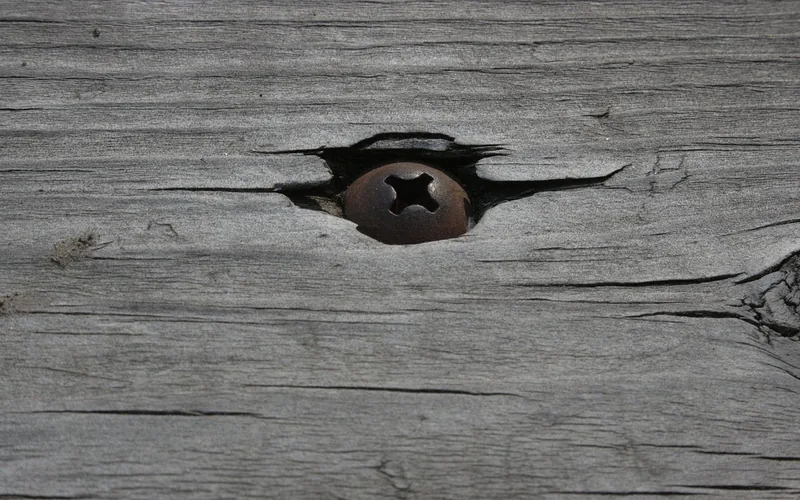
Most ruined heads come from a bit that is slightly too small or the wrong type. A Phillips bit in a Pozidriv recess, or a bit with worn tips, will slip long before the screw gives up. Match the size, and use a new bit if the tip is rounded. For a head packed with rust or grime, scrape it clean first. Fine steel wool or a flat rubber band between the bit and the head can add the grip that stops cam-out, and Family Handyman also lists a dab of valve grinding compound, a few dollars at an auto parts store.
Use Heat Carefully
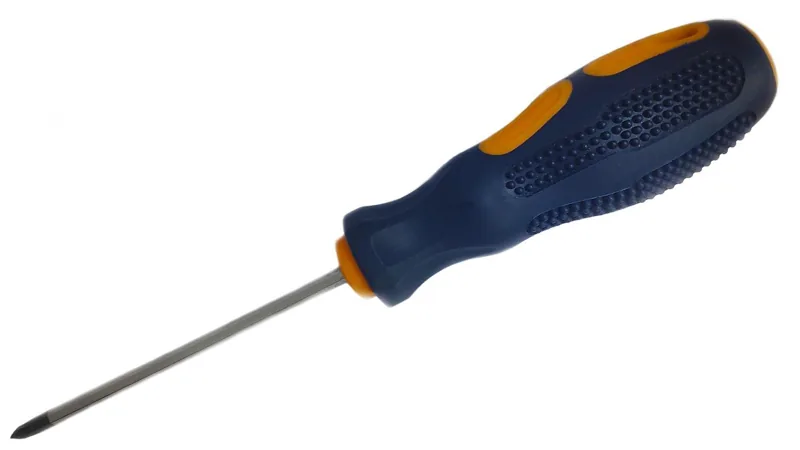
Family Handyman describes applying a lighter flame to the screw head and then dousing it with cold water before trying again, and only where the surrounding surfaces can tolerate heat. Wood usually cannot, so in furniture, trim or decking we skip the flame entirely. If you do use heat on metal hardware, first wipe off any oil or spray: WD-40’s guidance is to keep penetrating oil away from open flames, and oil on a hot screw is a fire risk.
Threadlocker is the one case where heat is the actual fix. Conro’s removal guide says red threadlocker needs localized heat above 250 C and advises heat-resistant gloves and clearing flammable materials from the work area. That applies to metal brackets and hinges, not to a screw sitting in bare wood. For screws in metal, see our guide to removing a stuck screw from metal.
How To Loosen A Screw That Won’t Turn
Before reaching for power tools, try these quick techniques to loosen a screw that won’t budge. They work on rusted screws, painted-over screws, and screws stuck from age or overtightening.
Rubber Band Grip Trick
Place a wide rubber band flat over the stuck screw head, then press your screwdriver firmly into it and turn. The rubber fills small gaps in the drive recess and adds grip on shallow or slightly worn heads. It is the fastest first step before you open any product.
Wiggle Before You Pull
Tighten the screw a quarter turn clockwise first, then immediately turn counterclockwise. This small movement can crack the bond holding the threads in place. Repeat two or three tighten-and-loosen cycles before applying full force.
Steel Wool For Corroded Heads
If the head is corroded or coated in grime, rub it with fine steel wool before inserting the bit. Removing surface rust and debris improves the fit between driver and head and reduces cam-out. This is especially worth doing before you attempt to remove a broken wood screw whose head has corroded nearly flush.
Clear Paint Out Of The Recess
If the screw was painted over, the recess is often filled, so the bit sits on paint instead of metal. Score around the head with a utility knife and pick the paint out of the recess before you apply any torque.
Cut A New Slot With A Dremel
When the recess is damaged beyond grip but the head sits above the surface, use a rotary tool with a cutting wheel to cut a straight slot across it. Family Handyman advises making the slot wide enough for your largest flat-blade screwdriver. Then turn counterclockwise with a flat-blade screwdriver that fills the new groove.
When The Screw Is Hardened: Cobalt Bits And Drilling Out
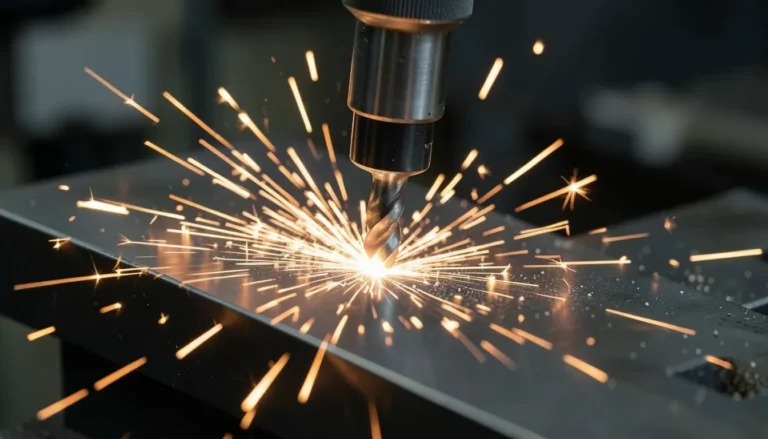
If nothing turns the screw, the last resort is to drill the head off or drill out the shank. Hardened screws can quickly dull ordinary bits. Milwaukee describes its cobalt Red Helix bits as designed for hard metals, listing stainless steel and cast iron among the materials, with up to 10X the life of black oxide bits.
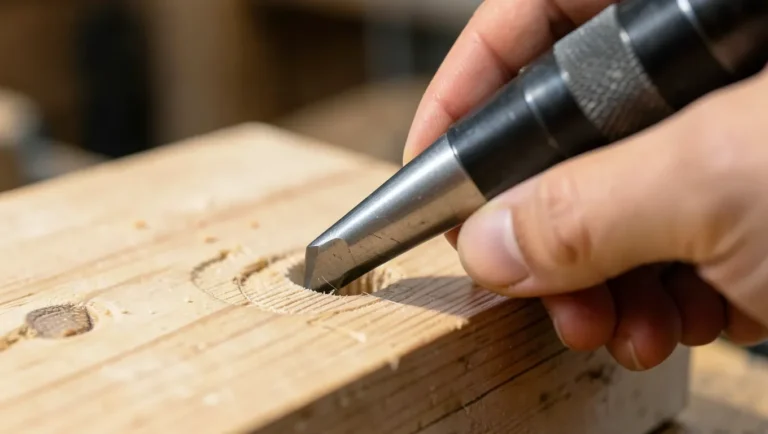
- Use a center punch to mark the middle of the head so the bit does not wander.
- Start with a small cobalt bit at low speed with steady pressure; heat dulls bits quickly.
- Drill just deeper than the head thickness to separate it from the shank, then pull the part free and back out the remaining shank with pliers.
- Wear safety glasses, because broken bit fragments and metal chips fly.
Step-by-step bit sizes and technique are in our guide to drilling out a screw, and our longer walkthrough on unscrewing a stuck screw covers the basics if you want a second opinion.
Protect The Surface And Stay Safe
- Eyes: wear safety glasses for every step that involves hammering, drilling or spraying.
- Surface: tape the wood around the screw before spraying oil or striking the driver.
- Fire: penetrating oil is flammable; keep it, and any oily rags, away from flames and sparks.
- Air: spray in a ventilated area, as WD-40’s own guidance advises.
- Hands: use gloves for grip and, if heat is involved, heat-resistant gloves.
Know When To Stop
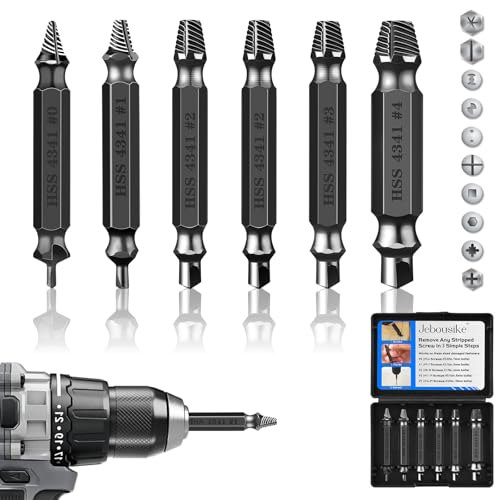
If the oil has had its time, the screw is hardened, and the head is now rounded, switch plans instead of forcing it. Drill out the head, use a proper extractor, or cut around the screw if it sits in a replaceable part. For a valuable antique or delicate material, pausing is cheaper than repairing the damage.
Frequently Asked Questions Of How To Get A Screw Out That Is Stuck
How Do You Remove A Stuck Screw Without Damaging It?
Work in the least destructive order: clear the head and seat a correctly sized bit, soak the threads with penetrating oil for at least 15 minutes, tap the head squarely with a hammer, then use an impact driver. Heat and drilling come last because they can scorch wood or destroy the head.
What Household Items Can I Use To Remove A Stuck Screw?
A wide rubber band or a pinch of fine steel wool between the bit and the head adds grip, a hammer delivers the tap that breaks the corrosion bond, and a rotary tool with a cutting wheel can cut a fresh slot. Penetrating oil is the one product worth buying rather than improvising.
What If The Screw Head Is Stripped Instead Of Stuck?
That is a different problem with different fixes. A stuck screw has a good head that will not turn; a stripped screw has a damaged head that the bit slips in. Use the stripped-head methods instead, then come back to oil and impact only if the screw is also seized.
How Do You Unscrew A Screw That Won’t Move?
Start with the wiggle method: tighten a quarter turn, then loosen, and repeat two or three times. If it still will not move, apply penetrating oil and wait at least 15 minutes, tap the head, and try an impact driver. Keep downward pressure on the bit the whole time so it does not cam out.
Conclusion
A stuck screw almost always gives way to the same order of operations: oil with real dwell time, a sharp tap, a bit that fits, and an impact driver, with heat and drilling only after that. Match the fix to the cause, protect the surface, and stop before the head is destroyed.
Sponsored / affiliate links. As an Amazon Associate I earn from qualifying purchases. I may earn additional commission from eligible campaigns.