How to Get Rid of Polyurethane Smell Fast (EPA-Backed Tips)
Polyurethane smell clears in 3 to 7 days when you combine cross-ventilation with an activated-carbon HEPA air purifier – oil-based formulas linger far longer than water-based ones. Leaving the VOCs (volatile organic compounds) trapped in a closed room can cause headaches and throat irritation, and the EPA recommends bringing in as much outdoor air as possible during and for several days after finishing work. This guide covers the fastest ventilation setup, which odor absorbers actually work, and when to switch to a low-VOC finish next time.
What Causes Polyurethane Smell (And Why It Lingers)
Polyurethane smell is off-gassing from volatile organic compounds (VOCs) – mainly solvents like toluene and xylene in oil-based formulas – that evaporate as the finish cures. It’s strongest in the first 24-48 hours and tapers off as curing finishes. However it’s applied, the amount of VOC released is roughly the same; what changes the smell’s intensity and duration is ventilation, room size, and whether the coats were allowed to cure fully between coats.
The smell persists longer than you’d expect for two reasons: polyurethane’s polymerization reaction continues releasing trace compounds even after the surface feels dry to the touch, and a closed, poorly ventilated room traps those compounds instead of letting them disperse. That’s why the fixes below all center on one thing – moving contaminated air out and clean air in, faster than the polyurethane can re-saturate the room.
| Polyurethane Type | Typical Smell Duration | Why |
|---|---|---|
| Oil-based | 5-14 days (well-ventilated) / weeks (poor airflow) | Higher solvent (VOC) content; solvents keep off-gassing after surface cure |
| Water-based | 1-3 days | Far fewer VOCs; odor is mild even before it cures |
| Water-based, low-VOC labeled | Under 24 hours in most rooms | Reformulated to minimize solvent content |
If you’re choosing a finish for your next project and odor is a concern, water-based polyurethane is the more odor-friendly option – see the box below for a genuinely low-odor pick if oil-based durability isn’t a requirement for the piece.
How to Get Rid of Polyurethane Smell Fast: 5 Steps
Do these in order – each step compounds the effect of the one before it.
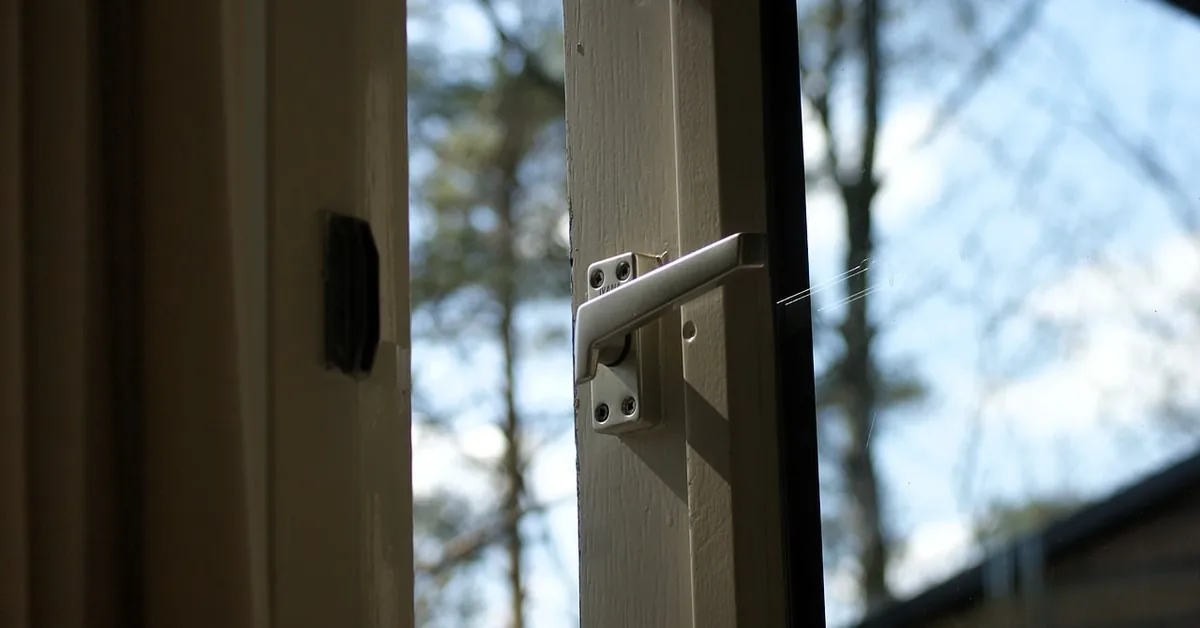
- Open at least two windows for cross-ventilation: One window in, one window out on opposite or adjacent walls creates airflow that pushes VOC-laden air outside instead of just diluting it in place.
- Add a box fan facing outward in one window: This actively exhausts fumes rather than waiting for passive air exchange – it roughly doubles the ventilation rate of open windows alone.
- Run a HEPA + activated-carbon air purifier in the room: A plain HEPA filter traps dust and particles but not gaseous VOCs – you need one with an activated-carbon stage to actually adsorb the odor molecules. Run it continuously for the first 3-5 days.
- Set out natural odor absorbers as a secondary measure: Bowls of activated charcoal or baking soda placed around the room absorb residual odor between ventilation cycles – they supplement ventilation, they don’t replace it.
- Stay out of the room for the first 24-48 hours if possible: This is when off-gassing is most concentrated. If you can’t avoid the space, keep exposure short and ventilation running the whole time.
📊 Increasing outdoor air ventilation during and for several days after using solvent-based finishing products is one of the most effective ways to reduce indoor VOC exposure. – Source: EPA, Volatile Organic Compounds’ Impact on Indoor Air Quality
Do Air Purifiers Actually Get Rid of Polyurethane Smell?
A HEPA air purifier alone will not remove polyurethane smell – HEPA filters trap particulates (dust, pollen, pet dander), not gaseous VOC molecules, which are far smaller than what a HEPA filter can capture. What actually works is a purifier with an added activated-carbon filter stage, which adsorbs odor molecules the same way the activated charcoal bowls do, just with continuous airflow pulling more air through it. Look for a CADR (Clean Air Delivery Rate) rated for your room size and an activated-carbon or “odor” filter stage specifically – not just “HEPA” on the box.
Best Polyurethane Odor Air Purifier Pick
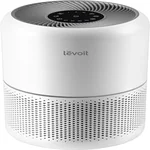 |
Levoit Core 300-P Air Purifier – $80.99 Pairs with the ventilation setup above – run it on Sleep Mode overnight in the room where the polyurethane was applied while the windows stay cracked.
|
Natural Odor Absorbers Compared
Activated charcoal, baking soda, and coffee grounds all absorb odor molecules, but they’re not equally effective or equally fast. Use this table to pick the right one for how much time you have:
| Absorber | How It Works | Time to Notice a Difference | Best For |
|---|---|---|---|
| Activated charcoal | Highly porous carbon adsorbs odor molecules onto its surface | 1-2 days | Strongest, longest-lasting option – small rooms and enclosed furniture |
| Baking soda | Alkaline compound neutralizes acidic odor compounds | 3-4 hours (surfaces), days (open air) | Carpets, upholstery, fabric – sprinkle and vacuum |
| Coffee grounds | Porous grounds trap odor molecules, masking with a strong scent of their own | 1-2 days | Small enclosed spaces (drawers, cabinets) where a coffee scent is acceptable |
None of these replace ventilation – they work best as a secondary layer while the room airs out, not as a standalone fix in a sealed space.
Speeding Up Removal: Air Circulation, Temperature, and Humidity
Beyond open windows and a purifier, three environmental factors change how fast the smell clears:
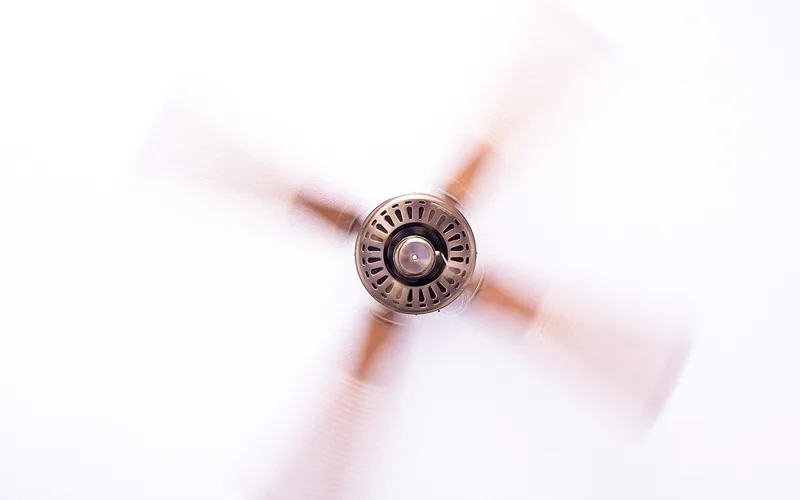
- Air circulation: A ceiling fan or box fan keeps air moving even with windows cracked only slightly, preventing VOC-heavy air from settling and stagnating in corners.
- Temperature: Raising the room to around 75-80°F speeds off-gassing (heat accelerates evaporation) – but only do this with active ventilation running, since heat alone without airflow just concentrates the fumes faster.
- Humidity: Keep humidity in the 40-50% range. High humidity slows solvent evaporation and can trap odor in the air longer.
Consider a Low-VOC Finish Next Time
If polyurethane odor is a recurring problem – a home office, a nursery, a room you can’t easily vacate for a week – the most permanent fix is switching finishes rather than fighting the smell after the fact. Water-based polyurethane and low-VOC labeled formulas cure with a fraction of the odor of standard oil-based poly, at the cost of slightly lower abrasion resistance on very high-traffic floors. See our full water-based vs. oil-based polyurethane comparison for drying time and durability tradeoffs before your next project.
Mistakes That Make Polyurethane Smell Worse
- Sealing the room to “contain” the smell: Closing doors and windows traps VOCs at a higher concentration instead of letting them dissipate – it makes the smell worse and increases health risk.
- Using scented candles or air fresheners to mask it: These add more VOCs on top of existing ones and don’t remove anything – you end up with two odors instead of one.
- Applying a second coat before the first has cured: Trapping uncured solvent under a new coat extends off-gassing time significantly and can also cause finish defects.
- Skipping ventilation because “it doesn’t smell that bad”: VOC exposure risk isn’t limited to how strong the smell seems – low-level exposure over days still adds up, especially in a small or poorly ventilated room.
Frequently Asked Questions On How To Get Rid Of Polyurethane Smell
How Long Does It Take Polyurethane Smell To Go Away?
With good ventilation, oil-based polyurethane smell fades over 5-14 days; water-based fades in 1-3 days. Poor airflow can stretch either timeline to several weeks.
How Toxic Are Polyurethane Fumes?
Polyurethane fumes can be toxic in high concentrations. Short-term exposure may irritate the eyes, throat, and lungs; long-term or heavy exposure can affect the respiratory system and nervous system. Work in a well-ventilated area and wear a respirator rated for organic vapors when applying oil-based poly.
Is It Safe To Stay In The House While Floors Are Refinished?
Generally yes, if you stay in a different part of the house with the refinished area sealed off and ventilated separately. People with respiratory conditions, children, and pets are more sensitive to VOCs and are often better off staying elsewhere for the first 24-48 hours.
Does Vinegar Get Rid Of Polyurethane Smell?
Vinegar helps mask and mildly neutralize polyurethane odor when set out in open bowls, but it’s a supplementary step, not a primary fix – it won’t outperform ventilation plus an activated-carbon air purifier on its own.
How Long Does It Take For Varnish Smell To Go Away?
Varnish smell typically clears in a few days to a few weeks, depending on ventilation and the specific varnish’s solvent content – the same ventilation and odor-absorber steps in this guide apply to varnish as well as polyurethane.
Conclusion
Cross-ventilation is the single biggest factor in how fast polyurethane smell clears – everything else (air purifiers, activated charcoal, fans, temperature) speeds up or supplements that core process. Run the 5-step sequence above, expect oil-based poly to take 5-14 days and water-based to take 1-3, and consider a low-VOC finish next time if odor is a recurring issue in a room you can’t easily vacate.
Sponsored / affiliate links. As an Amazon Associate I earn from qualifying purchases. I may earn additional commission from eligible campaigns.