How to Remove Spray Paint from a Wood Floor (Finish-Safe Guide)
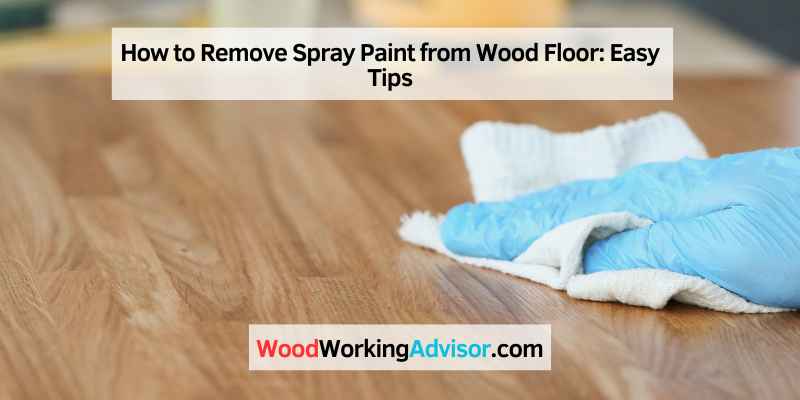
Spray paint lifts off a wood floor with rubbing alcohol, vegetable oil, or a plastic scraper — but a heat gun or chemical stripper can melt wax finishes and cloud polyurethane if you use the wrong method. Picking the wrong remover can strip the finish and force a costly refinish. This guide covers matching the method to your floor’s finish, testing the paint type first, and removing both wet and dried spray paint.
Match Your Removal Method to Your Floor’s Finish First
Best Spray Paint Remover Pick
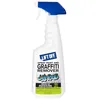
Motsenbocker’s Lift Off Spray Paint & Graffiti Remover
A water-based formula made specifically for spray paint, safe on finished wood — a gentler alternative to paint thinner or acetone.
- Best for: Fresh or dried spray paint on finished floors
- Why we picked it: Water-based, so it won’t strip wax or shellac finishes like solvents can
- Main drawback: Needs a few minutes of dwell time on stubborn, fully cured paint
Compare more spray paint removal options
 Option 1 Bates 6-Pack Plastic Putty Knife Set
|
 Option 2 Goof Off Heavy Duty Remover
|
 Option 3 Rejuvenate Wood Floor Restorer
|
As an Amazon Associate we earn from qualifying purchases.
Before you grab a rag or a heat gun, figure out what finish is on your floor. Rubbing alcohol dissolves shellac finishes, not just the paint sitting on top of them, and a heat gun can cloud polyurethane or melt wax if you hold it too close for too long. The table below matches safe removal methods to each finish type.
| Floor Finish | Safe Methods | Avoid | Why |
|---|---|---|---|
| Polyurethane | Rubbing alcohol, mild soap and water, plastic scraper | Prolonged heat gun exposure | Excess heat can cloud or bubble the poly topcoat |
| Wax finish | Mild soap and water, gentle scraping only | Heat gun, chemical strippers, rubbing alcohol | Heat melts wax; solvents strip the wax layer along with the paint |
| Shellac finish | Mild soap and water only | Rubbing alcohol, chemical strippers, heat gun | Alcohol dissolves shellac — it strips the finish, not just the paint |
| Oil-finished or unfinished | Mineral spirits, vegetable oil | Soaking with water | Standing water raises the wood grain |
Not sure which finish you have? Drip a little water on an inconspicuous spot — if it beads up, you likely have a polyurethane or wax topcoat; if it soaks in and darkens the wood, it’s an oil or shellac finish.
📊 Test first, always: The National Wood Flooring Association recommends testing any cleaning product on a hidden spot before wider use, since finish reactions vary by product and by how worn the finish already is. — Source: National Wood Flooring Association
Assessing the Damage and Safety Precautions
Start by checking whether the paint is wet or dry and what type it is before choosing a method. Removing spray paint safely means matching the method to both the paint type and your floor’s finish from the table above.
Checking the Affected Area
If the paint is still wet, blot it with a paper towel or cloth — never rub, which spreads it across more of the floor. If the paint has already dried, scrape up as much as you can first with a plastic putty knife before applying any solvent.
Determining the Type of Paint Used
Test a small area with rubbing alcohol on a cotton ball. If the paint softens and comes off, it’s latex (water-based); if it doesn’t react, it’s an oil-based spray paint and will need a solvent like mineral spirits or paint thinner instead.
Safety Precautions to Follow
Work in a well-ventilated room — fumes from paint thinner and other solvents build up quickly in a closed space. Wear gloves and eyewear, and never run a heat gun near solvent fumes — the combination is a fire risk. Avoid harsh chemicals like paint strippers or acetone unless you’ve confirmed your floor’s finish can handle them (see the table above).
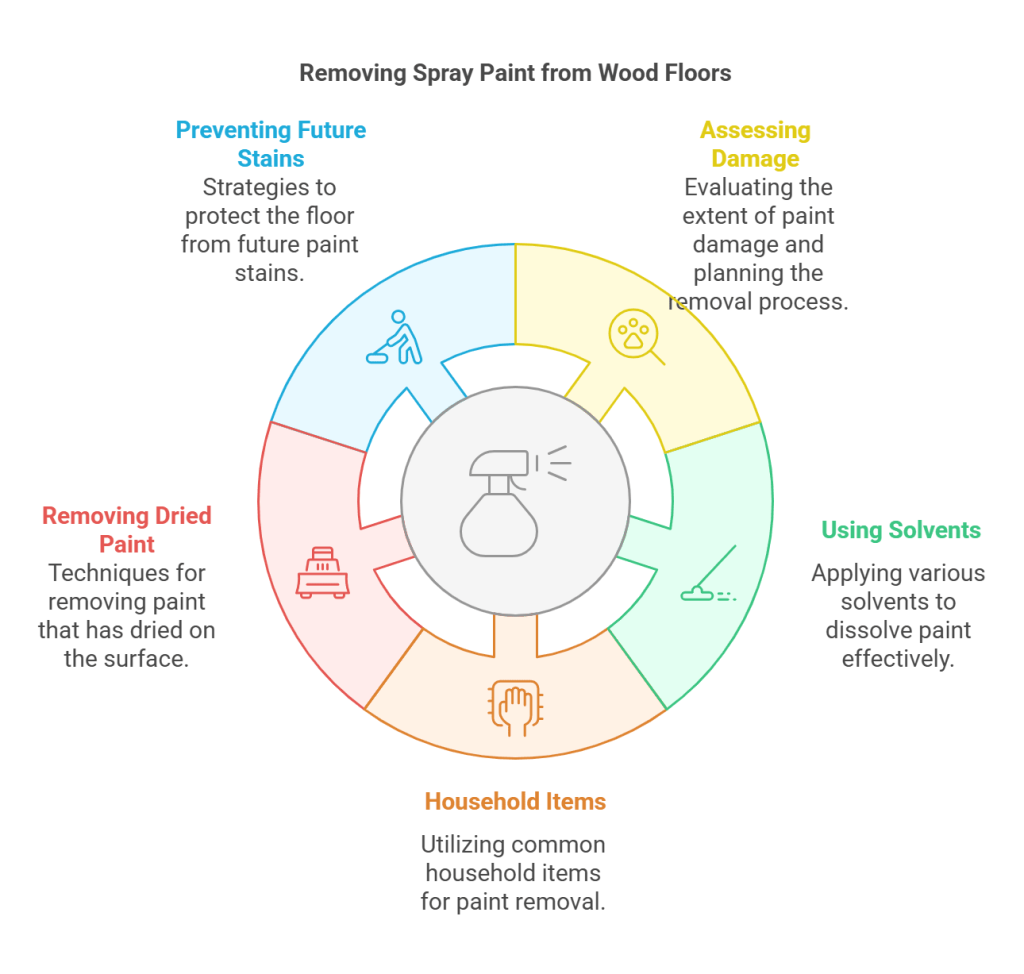
Using Different Solvents
Once you know your paint type and floor finish, pick a solvent that matches both. Always scrape away loose paint with a plastic putty knife or the edge of a credit card first — never metal, which can scratch the wood — before applying any liquid.
Using Rubbing Alcohol
Soak a clean cloth or cotton ball in rubbing alcohol and rub the affected area gently, then wipe with a dry cloth. Repeat as needed. Skip this method entirely on shellac-finished floors — alcohol dissolves shellac.
Using Paint Thinner
Paint thinner dissolves oil-based spray paint effectively. Apply a small amount to a clean cloth and rub gently until the paint lifts. Wear gloves and work in a ventilated area — the fumes are strong.
Using Mineral Spirits
Apply a small amount of mineral spirits to a clean cloth and rub the stain, then wipe with a dry cloth. Repeat if the paint hasn’t fully lifted.
Using Vinegar
Mix equal parts vinegar and water, apply to the stain, and let it sit a few minutes before scrubbing gently with a soft-bristled brush. Vinegar is the gentlest option here and the safest to try first on any finish.
Using Household Items
A cotton ball and a few household staples handle most spray paint spots without any special products. Go gently — too much pressure with any of these can scratch the floor, so let the product do the work rather than scrubbing hard.
Using Baking Soda and Water
Baking soda’s mild abrasiveness breaks down paint without damaging the wood underneath:
- Mix baking soda and water into a paste.
- Apply the paste to the paint stain and let it sit for 10–15 minutes.
- Scrub gently with a washcloth or soft-bristled brush.
- Wipe the area clean with a damp cloth.
Using Vegetable Oil or Baby Oil
The oil loosens the paint’s grip on the wood without any solvent risk to the finish:
- Apply a small amount of vegetable or baby oil to the affected area.
- Let the oil sit for 5–10 minutes.
- Scrub gently with a washcloth or soft-bristled brush.
- Wipe the area clean with a damp cloth.
Removing Dried Paint From Wood Floor
Dried spray paint takes more patience than fresh paint, but the same finish-safety rules from the table above still apply — especially with the heat gun method below.
Applying Dishwashing Liquid and Water
Mix a few drops of dishwashing liquid into warm water, dampen a rag with the solution, and lay it over the dried paint for about 30 minutes. Once the paint softens, scrape it away gently with a plastic putty knife.
Using a Heat Gun
Hold the heat gun a few inches from the paint and move it back and forth until it softens, then scrape with a plastic putty knife. Skip this method on wax finishes entirely — heat melts wax — and keep the gun moving on polyurethane to avoid clouding the topcoat.
Using Rubbing Alcohol
Soak a rag in rubbing alcohol and rub the dried stain until it lifts, repeating as needed for stubborn spots. As with the wet-paint method above, skip alcohol entirely on shellac-finished floors.
Preventing Future Paint Stains
Prevention is cheaper than any removal method above. If you’re painting near a wood floor, a few minutes of setup saves hours of scraping later.
Applying Protective Coating
A protective clear coat sealant creates a barrier that makes accidental spills easier to wipe up before they set. Make sure the floor is clean and dry first, then apply the coating with a foam roller or brush.
Laying a Drop Cloth
A painter’s drop cloth or plastic sheeting catches drips before they reach the floor. Cover the full work area, not just directly under where you’re painting — and if you’re repainting the whole floor a solid color, see our guide to painting a wood floor brown for the full prep and taping process. Keep a damp rag nearby to wipe off tools and hands between coats.
Frequently Asked Questions About Removing Spray Paint from a Wood Floor
How Do You Remove Dried Spray Paint From Wood?
Apply a small amount of vegetable or baby oil onto the dried paint and gently scrub with a washcloth or nail brush until the paint comes off. For stubborn spots, use rubbing alcohol or a baking soda paste instead — but avoid harsh chemical strippers, which can damage the wood or the finish underneath.
How Do You Get Paint Off Hardwood Floors Without Damaging Finish?
Apply dishwashing liquid and water to loosen the paint, then wipe it away with a dry rag and gently scrape any leftover paint with a plastic putty knife — never metal. Avoid pressing hard, since too much pressure can scratch through the finish. For dried paint, vegetable oil or rubbing alcohol works too, but skip alcohol on shellac finishes.
Does Rubbing Alcohol Remove Paint From Wood Floors?
Yes — soak a rag in rubbing alcohol and rub it directly on the stain until the paint lifts. It works well on polyurethane and unfinished wood, but avoid it on shellac finishes, since alcohol dissolves shellac along with the paint.
Does Spray Paint Wash Off Wood?
Spray paint can wash off wood with soap and water or mild solvents like vinegar or rubbing alcohol, though some formulas resist more than others. For paint that’s already dried, vegetable or baby oil on a cotton ball usually loosens it enough to wipe away.
Is It Safe to Use Rubbing Alcohol on a Shellac-Finished Wood Floor?
No — rubbing alcohol dissolves shellac finish itself, not just the paint sitting on top of it. Shellac was common on floors installed before the 1960s, so if your home is older, test an inconspicuous spot first or stick to mild soap and water instead.
Conclusion
Removing spray paint from a wood floor comes down to matching the method to your paint type and your floor’s finish — rubbing alcohol and mineral spirits work fast, but they’re the wrong choice on wax or shellac. Test on a hidden spot first, scrape gently before applying any liquid, and reach for a dedicated remover like Lift Off when household items alone won’t cut it. The same finish-safety approach applies if you’re also dealing with permanent marker stains on a wood floor.
Sponsored / affiliate links. As an Amazon Associate I earn from qualifying purchases. I may earn additional commission from eligible campaigns.