How to Clean Oil Paint Brushes Without Thinner (Skip the Vinegar)
Dish soap and warm water clean most oil paint brushes fine, but for paint that’s already drying on the bristles, soak the brush in linseed, walnut, or vegetable oil first to break it down, then finish with soap and water. Vinegar is often recommended online, but it doesn’t actually dissolve oil-based paint the way it dissolves dried acrylic — using it on oil paint just leaves bristles sticky. This guide covers the real methods, a step-by-step process, and how to store brushes so they don’t harden between sessions.
Quick Answer
For fresh paint: wipe off excess, work in dish soap and warm water, rinse, and reshape. For paint that’s started to dry: soak the bristles in a drying oil (linseed, walnut, or safflower) for a few minutes to soften it, wipe clean, then wash with soap and water. Skip vinegar — it’s effective on water-based paint, not oil paint.
Why Avoid Paint Thinner
Best Oil Paint Brush Cleaner Pick
The Masters Brush Cleaner and Preserver (2.5 oz)
A solid, non-toxic soap made specifically for removing oil, acrylic, and watercolor paint from bristles while conditioning them.
- Best for: Painters who clean brushes after every session and want one product for oil, acrylic, and watercolor
- Why we picked it: No solvents, ACMI-certified non-toxic, conditions bristles instead of just stripping them
- Main drawback: Needs a bit of scrubbing on badly dried-in paint compared to a solvent
Compare more sizes
|
24 oz Tub The Masters Brush Cleaner and Preserver (24 oz Tub) – $30.32
|
As an Amazon Associate we earn from qualifying purchases.
Paint thinner should be avoided when cleaning oil paint brushes if you can help it — it’s a health, safety, and environmental hassle for a task that has effective alternatives.
Harmful Chemicals And Strong Odor
Paint thinner is typically a blend of petroleum distillates (mineral spirits) and, depending on the brand, solvents like acetone or toluene for stronger cleaning power. It’s genuinely flammable — any spark or open flame nearby can ignite it — and the fumes carry a strong, lingering odor that can trigger headaches or respiratory irritation with extended exposure. Improper disposal can also contaminate soil and water sources.
- Health hazard: Fumes from mineral spirits and added solvents can cause dizziness or headaches with prolonged inhalation, and skin contact can cause irritation.
- Fire hazard: Paint thinner is highly flammable and should never be used or stored near an open flame or spark source.
- Environmental impact: Pouring used thinner down a drain or into regular trash can contaminate water and soil — it needs to go to a hazardous waste facility.
Luckily, there are alternative methods available for cleaning oil paint brushes that skip the solvent entirely — and for most day-to-day cleanup, they work just as well.

Alternative Methods That Actually Work
Cleaning oil paint brushes without paint thinner is not only possible but also cheaper and better for your health. Two methods do the real work: soap and water for everyday cleanup, and a drying-oil soak for paint that’s begun to dry.
Soap And Water (Fresh Paint)
The simplest option for brushes cleaned right after use:
- Wipe off excess paint from the brushes using a paper towel or rag.
- Fill a container or sink with warm water and add a small amount of mild dish soap.
- Gently swish the brushes in the soapy water, working the soap into the bristles with your fingers.
- Rinse thoroughly under running water until the water runs clear.
- Pat dry with a clean cloth and reshape the bristles.
Drying Oil Soak (Paint That’s Starting To Dry)
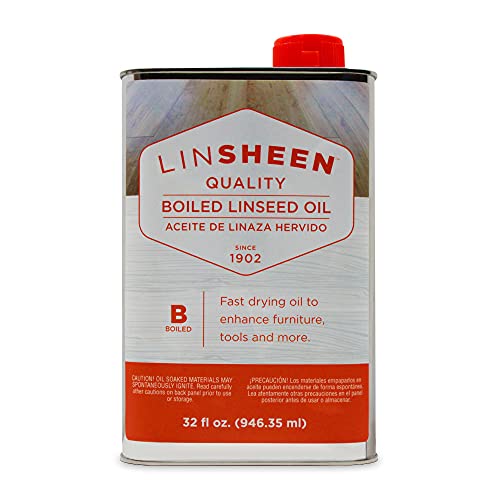
Linseed oil, walnut oil, safflower oil, or even plain vegetable oil will re-soften oil paint that’s begun to set:
- Wipe off any excess paint from the brushes with a paper towel or rag.
- Pour 2-3 inches of oil into a jar — enough to submerge the bristles up to the ferrule.
- Dip and work the brush against the jar or a paper towel, using a fresh section of towel each time to draw the pigment out.
- Repeat until the oil runs mostly clear from the bristles.
- Finish with the soap-and-water steps above to remove the remaining oil residue.
📊 Vinegar is genuinely effective on dried water-based (acrylic) paint, but it does not break down the oil in oil-based paint — soaking an oil-paint brush in vinegar can soften the surface slightly without fully releasing the paint, leaving bristles gummy. Save vinegar for acrylic brushes; use oil or soap-and-water for oil paint. Source: paint-brush-care guides and product testing from art supply retailers, 2026.
- Oily rags are a fire hazard: Rags or paper towels soaked in linseed or vegetable oil can spontaneously combust as the oil oxidizes. Lay them flat to dry outdoors, fully saturate them with water, or seal them in a metal container before disposal — never bunch them in a pile.
Step-By-Step: Full Cleaning Routine
Here’s the complete routine combining both methods, in the order most painters actually use them at the end of a session.
What You’ll Need
- A jar or container for the oil soak
- Linseed, walnut, safflower, or vegetable oil
- Mild dish soap
- A sink or basin with running water
- Paper towels or a clean cloth
The Routine
- Wipe off excess paint from the brushes using paper towels or a clean cloth.
- Soak in oil if the paint has started to dry — a few minutes in 2-3 inches of linseed or vegetable oil, working the bristles against the jar or a towel.
- Wipe off the loosened paint and oil with a clean section of paper towel.
- Wash with soap and water — swirl the bristles in warm, soapy water, then rinse under running water until it runs clear.
- Reshape the bristles and lay the brush flat to dry on a paper towel or cloth, not touching other brushes.
Following this routine keeps brushes usable indefinitely without ever reaching for paint thinner.

Tips And Tricks
Avoiding Hardened Paint
- Keep brushes moist during breaks: place them in a container of water or wrap them in a moist cloth rather than leaving paint to sit in the bristles.
- Rinse after each use: a quick rinse right after painting prevents most hardening problems before they start.
- Use a dedicated brush cleaner: a soap-based cleaner made for oil paints (see below) dissolves paint without solvents and conditions the bristles at the same time.
Proper Brush Storage
- Store horizontally or bristle-up, never bristle-down, to prevent bending.
- Keep out of direct sunlight, which dries out and hardens residual paint on the bristles.
- Use brush guards or covers for delicate or expensive brushes to protect the bristles from dust and damage.
Frequently Asked Questions
Does Vinegar Clean Oil Paint Brushes?
Not effectively. Vinegar works well on dried water-based (acrylic) paint but doesn’t break down oil-based paint the same way — it can soften the surface slightly without fully releasing it, leaving bristles sticky. Use soap and water or a drying-oil soak for oil paint instead.
Can I Use Vegetable Oil Instead Of Linseed Oil?
Yes. Vegetable oil, baby oil, walnut oil, and safflower oil all work similarly for loosening oil paint from bristles. Linseed oil is the traditional choice among painters because it’s what many oil paints are already made with, but any of these will work for cleaning.
How Do I Stop Oil Paint Brushes From Hardening Between Sessions?
Keep the brush in a sealed container of water or wrapped in a damp cloth if you’ll be back within a few hours. For longer breaks, do a full clean with soap and water — leaving paint in the bristles for days is what causes brushes to harden beyond saving.
Is It Safe To Pour Used Cleaning Oil Down The Drain?
No. Oil with dissolved paint pigment should be left to settle in a sealed jar (pigment sinks over days to weeks), then the clarified oil can be reused or disposed of as household hazardous waste — check your local guidelines, since paint-contaminated oil isn’t accepted with regular recycling.
Conclusion
Cleaning oil paint brushes without paint thinner comes down to two real methods: soap and water for fresh paint, and a drying-oil soak for paint that’s started to set. Skip vinegar for oil paint specifically — save it for acrylic brushes instead. By following these steps, you can effectively remove paint residue without harming the environment or risking your health, while saving money over solvent-based cleaners.
Sponsored / affiliate links. As an Amazon Associate I earn from qualifying purchases. I may earn additional commission from eligible campaigns.