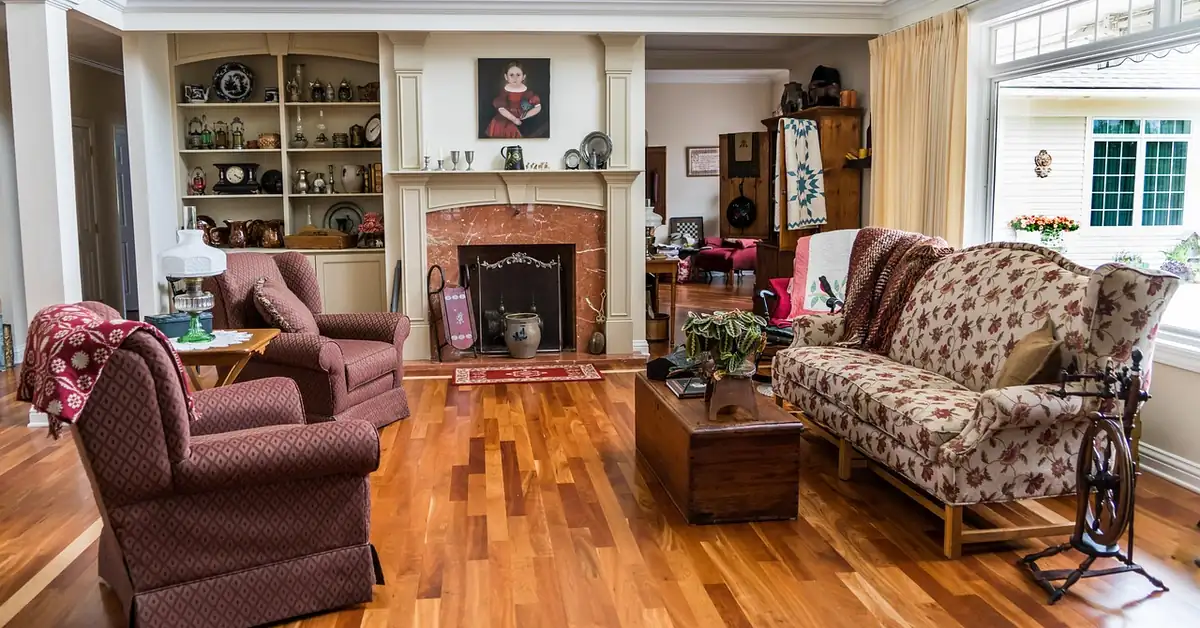
Brown Painted Wood Floors: Design Ideas & Paint Picks (2026)
Brown painted wood floors need a floor-rated enamel, not leftover wall paint, applied over a primed, sanded surface — shades run from warm chestnut to near-black walnut. Skip the primer or use interior wall paint instead and the finish chips within months under foot traffic. This guide covers prepping the floor, choosing a brown shade and sheen, applying paint the right way, and sealing it for durability.
Benefits of Painting Wood Floors Brown
Best Brown Floor Paint Pick
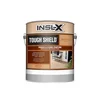
INSL-X Tough Shield Porch & Floor Coating, Saddle Brown – $51.99
An acrylic floor enamel already tinted a true saddle brown — no separate tinting trip needed, and it’s the durability tier this guide recommends for most interior rooms.
- Best for: Living rooms, bedrooms, hallways — normal interior foot traffic
- Why we picked it: Acrylic durability close to oil-based, without the long oil cure time
- Main drawback: One fixed brown shade — can’t custom-tint lighter or darker
Compare more brown floor paint options
 Option 1 Rust-Oleum Porch & Floor Paint – $59.41
|
 Option 2 Glidden Grab-N-Go Porch & Floor Paint, Brown – $37.47
|
 Option 3 Pro Grade Roller & Brush Kit – $16.99
|
As an Amazon Associate we earn from qualifying purchases.
Painting revitalizes a tired wood floor without the cost of replacement. A coat of floor enamel hides scratches, stains, and mismatched boards, and it holds up better than most homeowners expect: a properly primed and sealed floor paint job typically lasts 3 to 5 years in a normal-traffic room before it needs a touch-up. You also get color options a natural wood stain can’t match — true chestnut, mocha, or near-black walnut brown, consistent across every board. Still deciding if painting over staining makes sense for your floor? See our breakdown on whether you can paint your wood floors.
Choosing the Right Brown Shade and Sheen
Lighter Neutrals for a Timeless Look
Lighter neutrals like beige-brown and taupe read as sophisticated without overpowering a room. They also show less dust and pet hair between cleanings, which matters more on a floor than on a wall.
Dark Brown for a Regal Look
Dark brown and near-black walnut tones bring depth to a room and pair well with lighter walls, but they show dust, scuffs, and pet nail marks faster than a mid-tone — plan on more frequent touch-ups in high-traffic hallways.
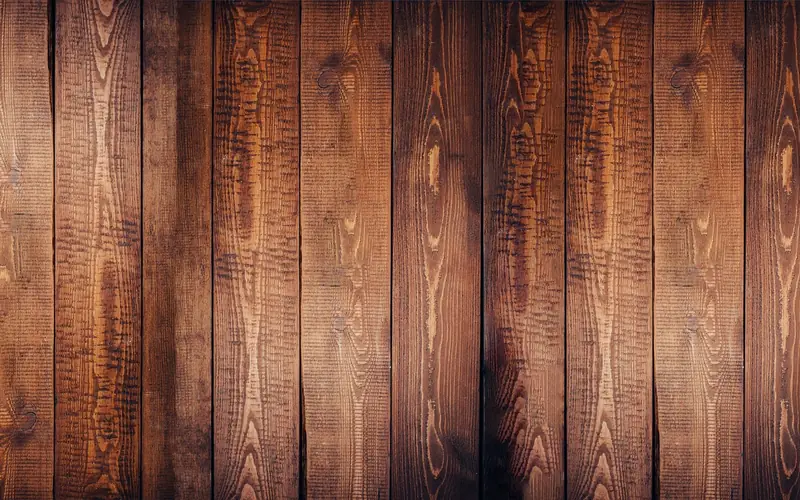
📊 Most porch and floor enamels dry to the touch in about 1 hour but need 24 hours before light foot traffic and 72 hours before furniture goes back — rushing this step is the most common reason a fresh brown floor paint job peels early. Source: KILZ Porch & Patio Floor Paint product data
What Paint Should You Use for a Brown Wood Floor?
Use a porch-and-floor enamel made for foot traffic, never a leftover wall or trim paint — wall paint isn’t formulated to resist scuffing and will wear through in weeks. Hardwood floor paint colors generally fall into three families for a project like this: oil-based alkyd enamels (most durable, longest cure time), water-based acrylic floor enamels (faster dry time, easier cleanup, nearly as tough), and budget latex porch paints (lowest cost per gallon, shorter lifespan under heavy traffic).
| Paint Type | Typical Cost/Gallon | Best For |
|---|---|---|
| Acrylic floor enamel (e.g. INSL-X Tough Shield) | ~$50-$55 | Best all-around durability-to-cost ratio for interior rooms |
| Oil-based/alkyd porch & floor paint (e.g. Rust-Oleum Porch & Floor) | ~$55-$60 | Highest traffic areas: entryways, mudrooms, stairs |
| Budget latex porch paint (e.g. Glidden Grab-N-Go) | ~$35-$40 | Low-traffic rooms or a first-time DIY test area |
How to Paint a Wood Floor Brown
Follow this order and don’t skip the primer coat — it’s the single biggest reason DIY floor paint jobs fail early. For a deeper step-by-step walkthrough, see our full guide on how to paint hardwood floors.
Tools Needed
- Paint roller and tray
- Angled paintbrush for edges
- Sanding block or orbital sander
- Tack cloth
- Painter’s tape
- Wood-floor primer
- Porch-and-floor enamel in your chosen brown
- Clear polyurethane sealant
Preparation
- Clean the floor thoroughly to remove dust, dirt, and any old wax or finish.
- Fill gouges and gaps with wood filler, then sand the patched spots smooth.
- Remove any old carpet tack strips or staples — see our guide on removing tack strips from hardwood floors if needed.
- Sand the whole floor lightly to give the primer something to grip — you’re scuffing the surface, not stripping it to bare wood.
- Wipe the floor with a tack cloth to pull up sanding dust.
- Tape off baseboards and door thresholds — if paint still gets on unpainted wood nearby, see our guide on how to remove spray paint from a wood floor.
Painting Technique
- Apply one coat of primer and let it dry fully before touching the paint.
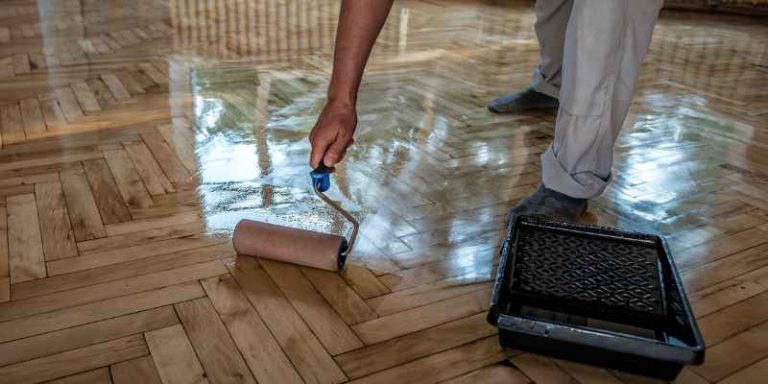
- Cut in the edges and corners with a brush first, then roll the field of the floor.
- Work from the far corner of the room toward the door so you’re never standing on wet paint.
- Apply two thin coats rather than one thick coat — thick coats stay tacky longer and pick up dust and footprints.
- Let each coat dry fully before the next; check the can’s recoat time rather than guessing.
Sealing and Finishing
- Once the final coat has cured, apply a clear polyurethane sealant with a roller or brush.
- Follow the sealant manufacturer’s dry time before walking on the floor.
- Wait the full cure window (commonly 72 hours) before moving furniture back in.
“In my own shop, two thin coats of floor enamel have always outlasted one thick coat — a thick coat looks great going on but stays soft underneath and picks up dust and footprints for days. Thin coats set faster and wear more evenly.” — Md Meraj, founder of Woodworking Advisor
Inspiring Design Ideas
Brown painted wood floors work across a range of styles, from a rustic farmhouse to a modern urban loft. The shade and sheen you pick do most of the work in setting that mood.
Painted Wood Floors in Different Rooms
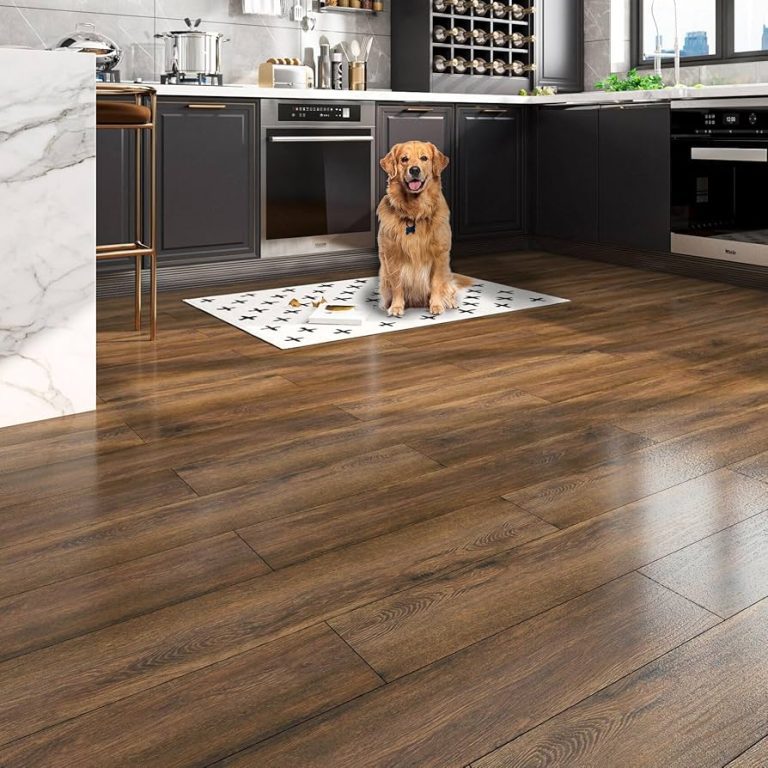
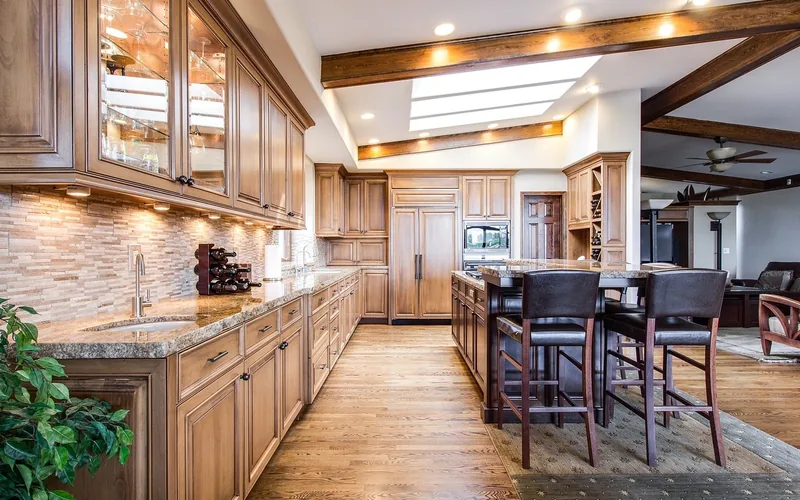
In a living room, a warm brown floor with a satin sheen creates a cozy, welcoming feel. In a painted kitchen floor, choose a paint rated for both foot traffic and moisture — kitchens see more spills and scrubbing than any other room in the house.
Patterns and Combining With Other Elements
A solid brown floor is the easiest option for a first project, but stenciled borders or a checkerboard pattern in two brown tones add visual interest without changing the base color. Pair a brown painted floor with plush rugs and natural light to keep the room from feeling too dark. Once the floor is painted and sealed, day-to-day upkeep is simple — see our guide on how to clean painted hardwood floors to keep the finish looking fresh.
Frequently Asked Questions About Brown Painted Wood Floors
What is the best color to paint hardwood floors?
There’s no single best color — it comes down to personal preference and traffic level. Neutral tones like beige-brown and taupe are timeless and complement most design styles, while a mid-tone brown like chestnut or mocha hides dust and scuffs better than a near-black walnut shade.
Is painting wood floors a good idea?
Yes, when the floor is properly prepped and painted with a floor-rated enamel rather than wall paint. It extends the life of an old or damaged floor, costs far less than replacement, and gives you a color range natural wood stain can’t match.
Are brown wood floors still in style?
Yes. Brown wood floors, painted or stained, remain a timeless choice that works with both traditional and modern interiors, and they pair with a wider range of wall colors than very light or very dark floors.
Can you paint a wood floor without sanding it first?
You can skip a full sand-to-bare-wood strip if the floor is sound, but you still need to scuff-sand the existing finish so primer and paint can grip it. Skipping this step is the most common reason paint peels off a floor within the first year.
How long does a painted brown wood floor last?
A properly primed, painted, and sealed floor typically lasts 3 to 5 years in a normal-traffic room before it needs a touch-up coat, and longer in low-traffic rooms like a formal living room or guest bedroom.
How do you make brown paint for a wood floor?
Don’t mix your own — buy a pre-tinted brown porch-and-floor enamel, or bring a paint chip or fabric swatch to a paint counter and have them tint a floor-rated base to match. Wood stain colorants and wall-paint tint bases aren’t formulated for floor durability, so custom-mixing from those won’t hold up the way a dedicated floor enamel will.
Conclusion
Brown painted wood floors give an old or damaged floor a fresh, durable finish without the cost of replacement — as long as you prime, use a real floor enamel instead of wall paint, and give each coat its full cure time. Pick a mid-tone brown if you want low-maintenance color, or go dark walnut for drama and expect more frequent touch-ups.
Sponsored / affiliate links. As an Amazon Associate I earn from qualifying purchases. I may earn additional commission from eligible campaigns.