How to Install a Wood Burning Stove in Basement: Easy Steps
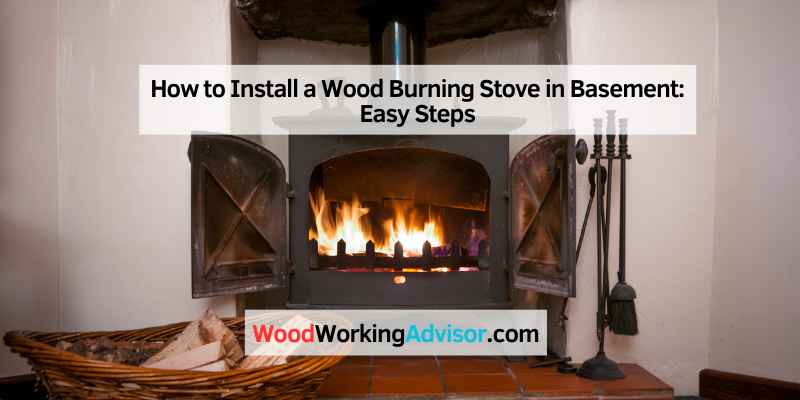
To install a wood burning stove in the basement, first ensure proper ventilation and clearances. Then, connect the stove to a chimney or a flue system for safe operation.
Installing a wood burning stove in the basement can be a great way to efficiently heat your home while creating a cozy atmosphere. However, it’s important to consider factors such as ventilation, clearances, and proper installation to ensure safety and effectiveness.
By following the necessary steps and guidelines, you can enjoy the warmth and ambiance of a wood burning stove in your basement while enhancing the overall comfort of your living space.
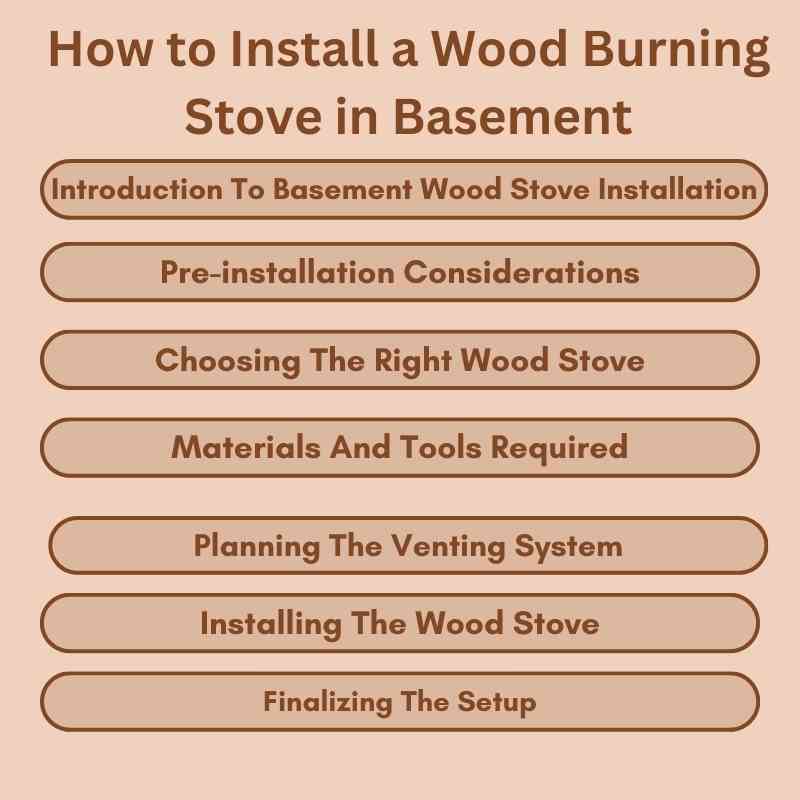
Introduction To Basement Wood Stove Installation
Installing a wood burning stove in a basement can be a great way to heat your home and add a cozy touch to your living space. Proper venting, fan placement, and damper settings are important factors to consider when installing a basement wood stove.
Benefits Of A Basement Wood Stove
A basement wood stove offers several advantages for homeowners. Firstly, it provides an alternative source of heat, which can be especially beneficial during power outages or in areas where electricity is unreliable. Additionally, a wood stove in the basement can help to lower heating costs, as wood is often more affordable than other heating fuels. It also creates a cozy and inviting atmosphere in the lower levels of the home, making the basement a more usable and comfortable space for various activities.
Common Concerns Addressed
When considering the installation of a wood burning stove in the basement, some common concerns arise. These may include worries about ventilation and air quality, as well as the logistics of safely installing and maintaining a wood stove in a lower level of the home. Fortunately, these concerns can be effectively addressed through proper planning, installation, and maintenance, ensuring that the basement wood stove operates safely and efficiently.
Pre-installation Considerations
Before installing a wood burning stove in the basement, consider the proper venting requirements and how to circulate heat effectively. Ensure you have the necessary tools and knowledge to install a twin wall flue system for safe and efficient operation.
Using a fan to distribute heat from the stove can help warm the entire space.
Assessing Your Basement Space
Before installing a wood burning stove in your basement, it’s important to assess the space to ensure it’s suitable for installation. The basement should have proper ventilation, and the size of the space should be considered as well. A wood stove that’s too large for the space will not only be inefficient, but it can also pose a safety hazard. It’s important to measure the basement and determine the appropriate size of the stove that will provide sufficient heat without taking up too much space.
Local Building Codes And Permits
Before installing a wood burning stove, it’s important to be aware of the local building codes and regulations in your area. Some cities and states have specific requirements for wood stove installations, such as minimum clearance distances from walls and ceilings, requirements for chimney height and materials, and requirements for ventilation and air supply. It’s important to obtain the necessary permits and adhere to the local regulations to ensure a safe and legal installation.
Ensuring Safety
Installing a wood burning stove in a basement requires proper safety measures to be taken. It’s important to install a fire-resistant floor pad to protect the flooring from the heat of the stove. The stove should also be installed with proper clearance distances from walls and ceilings to prevent fires. Additionally, it’s important to have a carbon monoxide detector installed in the basement to detect any potential leaks.
Before installing a wood burning stove in your basement, it’s important to assess the space, obtain necessary permits, and take proper safety measures. By following these pre-installation considerations, you can ensure a safe and efficient installation that will provide warmth and comfort for years to come.
Choosing The Right Wood Stove
When it comes to installing a wood burning stove in your basement, choosing the right stove is crucial. The wood stove you select will determine the heating capacity and efficiency of your heating system. In this section, we will discuss two important factors to consider when choosing a wood stove: stove size and heating capacity, as well as stove types and efficiency.
Stove Size And Heating Capacity
The size of the wood stove you choose should be based on the square footage of your basement. It’s important to select a stove that is not too small, as it may not provide sufficient heat, or too large, as it may overheat the space. Here are some general guidelines for determining the right size:
- For basements up to 1,000 square feet, a small to medium-sized stove with a heating capacity of 20,000 to 30,000 BTUs (British Thermal Units) should be sufficient.
- For basements between 1,000 and 2,000 square feet, a medium-sized stove with a heating capacity of 30,000 to 40,000 BTUs is recommended.
- For larger basements over 2,000 square feet, a larger stove with a heating capacity of 40,000 BTUs or more may be required.
Remember, these are just general guidelines, and it’s always best to consult with a professional to determine the appropriate size for your specific basement.
Stove Types And Efficiency
When it comes to wood stoves, there are various types available, each with its own level of efficiency. The efficiency of a wood stove is measured by the amount of heat it can produce from a given amount of wood. Here are the most common types of wood stoves:
| Type | Description | Efficiency |
|---|---|---|
| Cast Iron | Durable and classic design, retains heat well | 60-70% |
| Steel | Lightweight and affordable, heats up quickly | 50-60% |
| Soapstone | Retains heat for longer periods, even after the fire goes out | 70-80% |
When selecting a wood stove, it’s important to choose one with a higher efficiency rating, as it will provide more heat with less wood consumption. This not only saves you money but also reduces the impact on the environment.
By considering the size and heating capacity of the stove, as well as the type and efficiency, you can ensure that you choose the right wood stove for your basement. Remember to consult with a professional for personalized advice and a safe installation process.
Materials And Tools Required
Installing a wood burning stove in your basement can be a great way to heat your home efficiently. However, before you begin the installation process, it’s important to gather all the necessary materials and tools. This will ensure that you have everything you need to complete the installation successfully. In this section, we will provide you with a comprehensive list of the materials and tools required for the installation of a wood burning stove in your basement.
List Of Necessary Materials:
Here is a list of the materials you will need to install a wood burning stove in your basement:
- Wood burning stove
- Stovepipe
- Chimney liner
- Fireproof insulation
- Firebricks
- Heat-resistant mortar
- Stove gasket
- Stove cement
- Fireproof hearth pad
- Fire extinguisher
Tool Checklist For Installation:
Here is a checklist of the tools you will need to install a wood burning stove in your basement:
| Tools | Quantity |
|---|---|
| Measuring tape | 1 |
| Hacksaw | 1 |
| Power drill | 1 |
| Drill bits | Assorted sizes |
| Screwdriver | Assorted sizes |
| Tin snips | 1 |
| Level | 1 |
| Socket set | Assorted sizes |
| Adjustable wrench | 1 |
| Pipe cutter | 1 |
| Fireplace gloves | 1 pair |
| Fireplace shovel | 1 |
By ensuring that you have all the necessary materials and tools, you can proceed with confidence to install your wood burning stove in the basement. Remember to follow the manufacturer’s instructions and local building codes for a safe and successful installation.
Planning The Venting System
To properly install a wood-burning stove in the basement, it’s crucial to plan the venting system meticulously. Ensure that the venting system complies with local building codes and follows the manufacturer’s guidelines. Proper venting is essential for safe and efficient operation of the wood stove.
Planning the Venting System is one of the most crucial steps when it comes to installing a wood burning stove in the basement. It is important to ensure that the venting system is properly planned and installed to ensure safety and efficiency. Here are some key considerations when planning the venting system for your wood burning stove installation:
Options For Flue And Chimney
When it comes to venting your wood burning stove, there are two main options: a masonry chimney or a prefabricated metal flue. A masonry chimney is a traditional option that is built from brick or stone. It provides a durable and long-lasting option for venting your wood stove. On the other hand, a prefabricated metal flue is a newer option that is made from stainless steel and is easier to install. It is also more affordable than a masonry chimney.
Determining The Best Venting Route
Once you have decided on the type of flue or chimney, the next step is to determine the best venting route. This will depend on the layout of your home, the location of the wood stove, and the type of flue or chimney you have chosen. It is important to choose a venting route that minimizes the number of bends and turns in the venting system. This will ensure that the airflow is not restricted and the stove operates efficiently.
When planning the venting route, it is important to consider the clearance requirements for the stove. The clearance requirements will vary depending on the type of stove and the manufacturer’s instructions. It is important to follow these requirements to ensure safety and proper operation of the stove.
Ensuring Proper Installation
Proper installation of the venting system is critical to ensure safety and efficiency. It is important to follow the manufacturer’s instructions and local building codes when installing the venting system. This includes proper clearances, proper sealing of joints, and proper support for the venting system.
In addition to proper installation, it is also important to have the venting system inspected and cleaned regularly. This will ensure that the system is operating efficiently and safely.
In conclusion, proper planning and installation of the venting system is critical when installing a wood burning stove in the basement. By considering the options for flue and chimney, determining the best venting route, and ensuring proper installation, you can ensure a safe and efficient heating system for your home.
Installing The Wood Stove
Installing a wood burning stove in the basement can be a great way to heat your home. By using a twin wall flue system, you can safely vent the stove fumes outside without a chimney. Additionally, using a fan on top of the stove can help circulate the heat throughout the room and even to other areas of the house.
With the right tools and knowledge, it is possible to install a wood burning stove yourself.
Step-by-step Installation Guide
Installing a wood stove in the basement requires careful planning and execution. Follow these steps for a successful installation:
- Choose a suitable location for the wood stove.
- Ensure proper clearance from combustible materials.
- Install a non-combustible floor protection.
- Position the stove on the floor protection.
- Connect the stove to the chimney or flue system.
- Securely fasten all connections.
- Test the stove for proper operation.
Safety Measures During Installation
During the installation process, prioritize safety by following these precautions:
- Wear appropriate safety gear, including gloves and goggles.
- Ensure proper ventilation in the installation area.
- Use insulated gloves when handling hot components.
- Have a fire extinguisher nearby as a precaution.
- Double-check all connections for tightness.
Finalizing The Setup
After successfully installing your wood burning stove in the basement, it’s crucial to focus on the final touches to ensure optimal performance and safety. This includes sealing and insulation as well as considering the aesthetics of the setup.
Sealing And Insulation
- Check for any gaps or leaks around the stove and chimney.
- Use fire-resistant materials to seal off any openings.
- Insulate the chimney to prevent heat loss and improve efficiency.
- Consider adding a heat shield to protect nearby walls and surfaces.
Aesthetic Considerations
- Choose a decorative surround or mantel to enhance the visual appeal.
- Opt for heat-resistant paint to match the stove with your basement decor.
- Position the stove in a way that complements the overall layout of the space.
- Add cozy elements like a rug or seating area around the stove for a welcoming ambiance.
Operation And Maintenance Tips
Learn how to properly install a wood burning stove in your basement with these essential operation and maintenance tips. Ensure safe and efficient installation by following expert advice on venting requirements, stove pipe setup, and heat circulation techniques for maximum comfort and warmth in your home.
Best Practices For Stove Usage
- Always burn seasoned wood for efficient heating.
- Keep combustible items away from the stove.
- Regularly clean the ash to maintain airflow.
Routine Maintenance For Longevity
- Inspect the gaskets and seals annually.
- Check the chimney for creosote buildup regularly.
- Perform a deep clean at the end of each heating season.
Heat Distribution Solutions
Easily heat your basement with a wood burning stove using smart heat distribution solutions. Install a fan on top of the stove to circulate heat throughout the room, or consider a twin wall flue system to carry stove fumes outside.
With these options, you can efficiently warm your basement and enjoy a cozy space.
Effective Heat Circulation Methods
Wood stoves are best placed in the area you want to keep warm. Consider using fans to circulate heat efficiently throughout the space.
Using Fans To Maximize Warmth
Placing a fan on top of the wood stove helps distribute heat evenly. The fan rotates as the stove heats up, spreading warmth throughout the room.
Unsure how to install a wood burning stove in the basement? Consult resources like Woodheat.org for guidance on fitting a wood burner without a chimney using a twin wall flue system. This system consists of stainless steel pipes that expel stove fumes outdoors.
Need to circulate heat from your wood stove in the basement? A fan positioned on the stove can help disperse the warmth without requiring electricity.
Addressing Draft And Ventilation Issues
Installing a wood burning stove in the basement can be a great way to add warmth to your home. However, it’s important to address draft and ventilation issues to ensure proper installation. Consider using a twin wall flue system to safely carry the stove fumes outside, and use a fan to circulate the heat throughout the room.
While it is possible to install a wood burning stove yourself, it’s always recommended to consult a professional for the best results.
When it comes to installing a wood burning stove in a basement, addressing draft and ventilation issues is of utmost importance. Without proper ventilation, there is a risk of carbon monoxide buildup which can be dangerous. In addition, draft problems can lead to poor stove performance and even smoke in the home. In this section, we will discuss how to troubleshoot common draft problems and ensure proper basement ventilation.
Troubleshooting Common Draft Problems
Draft problems can be caused by a variety of factors including a lack of air flow, improperly sized chimney or stove pipe, or an obstructed chimney. To troubleshoot common draft problems, follow these steps:
- Check the air flow: Make sure there is enough air flow in the room for the stove to function properly. If the room is too airtight, it can cause draft problems.
- Check the chimney: Ensure the chimney is clear of any obstructions such as debris or bird nests.
- Check the stove pipe: Make sure the stove pipe is the correct size for the stove and chimney. If it is too small, it can cause draft problems.
- Check the damper: Ensure the damper is open and functioning properly. If it is closed or obstructed, it can cause draft problems.
Ensuring Proper Basement Ventilation
Proper basement ventilation is crucial when installing a wood burning stove. In order to ensure proper ventilation, follow these steps:
- Install a carbon monoxide detector: This will alert you if there is a buildup of carbon monoxide in the basement.
- Install a fresh air intake: This will provide the stove with the necessary air flow it needs to function properly.
- Ensure proper chimney installation: The chimney should be installed to the manufacturer’s specifications to ensure proper ventilation.
- Install a fan: A fan can help circulate the warm air throughout the basement and prevent stagnant air.
By troubleshooting common draft problems and ensuring proper basement ventilation, you can safely and effectively install a wood burning stove in your basement to keep your home warm and cozy during the colder months.
Legal And Safety Compliance
When it comes to installing a wood burning stove in your basement, ensuring legal and safety compliance is of utmost importance. This involves understanding the necessary certifications and inspections required, as well as the legality of DIY installation.
Certifications And Inspections
Before installing a wood burning stove in your basement, it is crucial to be aware of the certifications and inspections needed to ensure compliance with local regulations. These certifications may include:
- Building permits: Check with your local building department to determine if a permit is required for the installation of a wood burning stove in your basement.
- UL or CSA certification: Look for wood stoves that have been tested and certified by reputable organizations such as Underwriters Laboratories (UL) or the Canadian Standards Association (CSA).
- Chimney inspections: It is essential to have your chimney inspected by a professional to ensure it is in good condition and meets safety standards before installing a wood burning stove.
DIY Installation Legality
While some homeowners may be tempted to undertake a DIY installation of a wood burning stove in their basement, it is crucial to understand the legality and potential risks involved. Consider the following factors:
- Local regulations: Check with your local authorities to determine if DIY installation of a wood burning stove is allowed in your area. Some jurisdictions may require professional installation.
- Insurance requirements: Review your homeowner’s insurance policy to ensure that DIY installation of a wood burning stove does not void your coverage.
- Safety concerns: Improper installation can lead to fire hazards and carbon monoxide poisoning. It is essential to follow manufacturer instructions and safety guidelines meticulously.
It is recommended to consult with a professional installer or chimney sweep to ensure the safe and compliant installation of a wood burning stove in your basement. They can provide expert guidance and ensure that all legal and safety requirements are met.
Concluding Thoughts
To wrap up, installing a wood burning stove in the basement can be a practical and cozy addition to your home. By following the proper venting requirements and considering the layout of your space, you can enjoy the warmth and ambiance of a wood stove in your basement.
Don’t forget to consult with a professional if you’re unsure about any aspect of the installation process.
Pros And Cons Recap
Installing a wood burning stove in your basement can have several advantages and disadvantages. Let’s recap the pros and cons of this heating option.
Pros:
- Efficient heating: A wood burning stove can provide a high level of heat output, making it an efficient choice for heating your basement.
- Cost-effective: Wood is generally cheaper than other fuel sources, such as gas or electricity, making it a cost-effective option for heating your home.
- Independence from the grid: With a wood burning stove, you are not dependent on the electricity grid or gas supply, ensuring that you have heat even during power outages.
- Cozy ambiance: The warm glow and crackling sound of a wood burning stove create a cozy ambiance that adds to the overall comfort of your basement.
Cons:
- Installation challenges: Installing a wood burning stove in the basement requires proper ventilation and compliance with building codes, which can be challenging and time-consuming.
- Maintenance and cleaning: Wood burning stoves require regular maintenance and cleaning to ensure optimal performance and safety.
- Fire hazards: Improper use or neglect of a wood burning stove can pose fire hazards, so proper precautions must be taken.
- Smoke and odor: Wood burning stoves can produce smoke and odor, which may be an issue for individuals with respiratory sensitivities or allergies.
Future Upgrades And Considerations
If you have installed a wood burning stove in your basement or are planning to do so, here are some future upgrades and considerations to keep in mind:
1. Ventilation system: Consider upgrading your ventilation system to ensure proper airflow and smoke extraction from your basement. This will help maintain good air quality and prevent the buildup of harmful gases.
2. Heat distribution: While a wood burning stove can effectively heat your basement, you may want to explore options for distributing the heat to other areas of your home. This can be achieved through the use of fans or air ducts to circulate the warm air.
3. Energy efficiency: Look for ways to improve the energy efficiency of your wood burning stove, such as using seasoned firewood, properly insulating your basement, and installing a heat exchanger to capture and utilize excess heat.
4. Safety measures: Regularly inspect and maintain your wood burning stove to ensure it is in good working condition. Install smoke and carbon monoxide detectors in your basement for added safety.
5. Consider alternative heating options: If you find that a wood burning stove is not meeting your heating needs or preferences, consider exploring alternative heating options, such as pellet stoves or electric heaters.
Remember to consult with professionals and adhere to local regulations and safety guidelines when making any upgrades or modifications to your wood burning stove setup.
Installing a wood burning stove in your basement can provide efficient and cost-effective heating, but it also comes with certain challenges and considerations. By weighing the pros and cons and planning for future upgrades, you can make the most of this heating option while ensuring safety and comfort in your home.
Frequently Asked Questions
Can A Wood Burning Stove Be Installed In A Basement?
Yes, a wood burning stove can be installed in a basement to heat the space. However, it’s best to place the stove in the area you want to be the warmest to avoid heating problems. Proper venting and circulation methods are essential for effective heat distribution.
How To Install A Wood Stove In A Basement Without A Chimney?
To install a wood stove in a basement without a chimney, you can use a twin wall flue system. This system consists of connectable stainless steel pipes that carry stove fumes outside. Use a fan to circulate heat from the stove to other rooms.
It is legal to install a wood stove yourself, but it’s advised against installing one in a basement unless it’s being used as a living space.
How Do I Circulate The Heat From My Wood Stove In My Basement?
To circulate the heat from your wood stove in the basement, you can use a fan that sits on top of the stove. The heat from the stove will cause the fan to spin, which will then move the heat around the room.
This is a simple and effective way to distribute the warmth throughout the basement.
Can I Install A Wood Burning Stove Myself?
Yes, you can install a wood burning stove yourself. It is legal and many people do it every year. However, it is important to carefully follow the installation guidelines and ensure that you have the necessary time and energy to complete the installation properly.
Conclusion
Installing a wood burning stove in the basement can be a practical and efficient way to heat your home. However, it is important to consider the proper venting requirements and the location of the stove to ensure optimal heating. Using a twin wall flue system can allow for a wood burner without a chimney.
Additionally, using a fan to circulate the heat can help distribute the warmth throughout the room. While it is possible to install a wood burning stove yourself, it is recommended to consult with a professional for safety and compliance purposes.