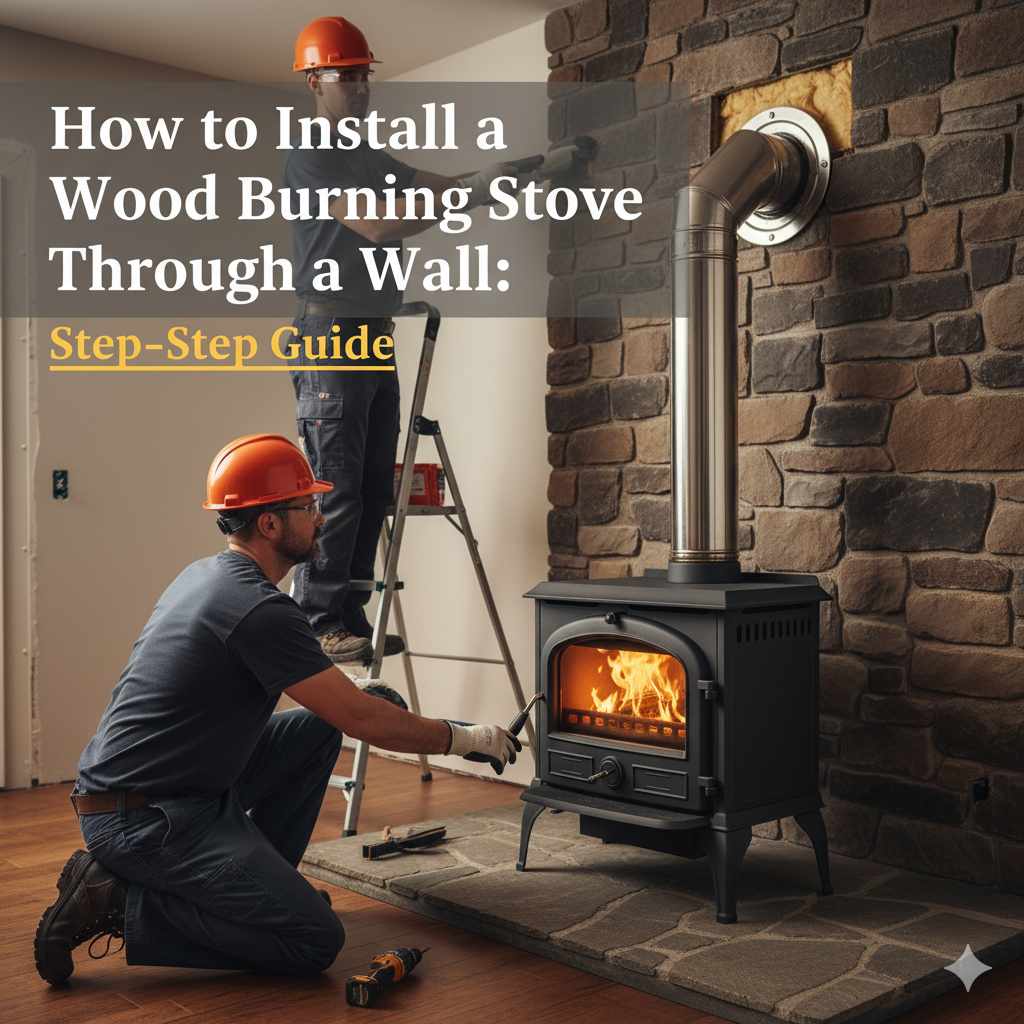
How to Install a Wood Burning Stove Through a Wall: Step-by-Step Guide
Imagine cozy winter nights with the warm glow of a wood-burning stove crackling in your living room. Installing one can transform your space into a snug retreat, but doing it through a wall might sound daunting.
Fear not! You’re about to discover a straightforward guide that will make the process easier than you ever thought possible. By following these steps, you’ll not only enhance the ambiance of your home but also increase its efficiency. Ready to dive in?
Let’s turn your vision of a perfect winter haven into reality by installing a wood burning stove through your wall. Keep reading to find out how you can achieve this with confidence and ease!
Choosing The Right Wood Burning Stove
Heating needsmatter a lot in selecting your stove. Consider how much heat your space needs. Bigger rooms need bigger stoves. Smaller rooms can use small stoves. Measure your room size. This helps in choosing the correct stove.
Think about the designtoo. Stoves come in different shapes and styles. Choose one that fits your room’s look. Some stoves are tall and slim. Others are wide and short. Pick a design that you like. It should match your home decor.
Also, consider the efficiencyof the stove. Some stoves burn wood better than others. Efficient stoves use less wood. This saves money. Check the efficiency rating before buying. A higher rating means better performance.
Preparing For Installation
Always check the local building codesfirst. They keep you safe. Building codes tell you what is allowed. They help you follow the rules. Ask your local authority for guidance. Follow their advice strictly. This prevents future problems. Safety is very important. Always make sure you are following the law.
Gather all the materialsyou need. You will need a wood stove. Also, get a chimney pipe. You need a wall thimbletoo. Have some toolsready. A drill, a saw, and a level are useful. Do not forget the safety gear. Gloves and goggles keep you safe. Make a checklist. Check off items as you gather them. This ensures you have everything.
Selecting The Installation Location
Pick a wall that is safe and strong for the stove. The wall should not have any electric wires or water pipes inside. This keeps the wall safe from damage. Make sure the wall is near your chimney. This helps the smoke go outside easily. The wall must be fireproof or have a fireproof cover. This keeps the house safe from fire.
Fresh air is important for the stove. Make sure the room has a window or vent. This lets air come in and out easily. Air helps the fire burn bright. Without air, the fire will not burn well. Check if the room feels stuffy. This means it needs more air. Use fans to help air move around the room.
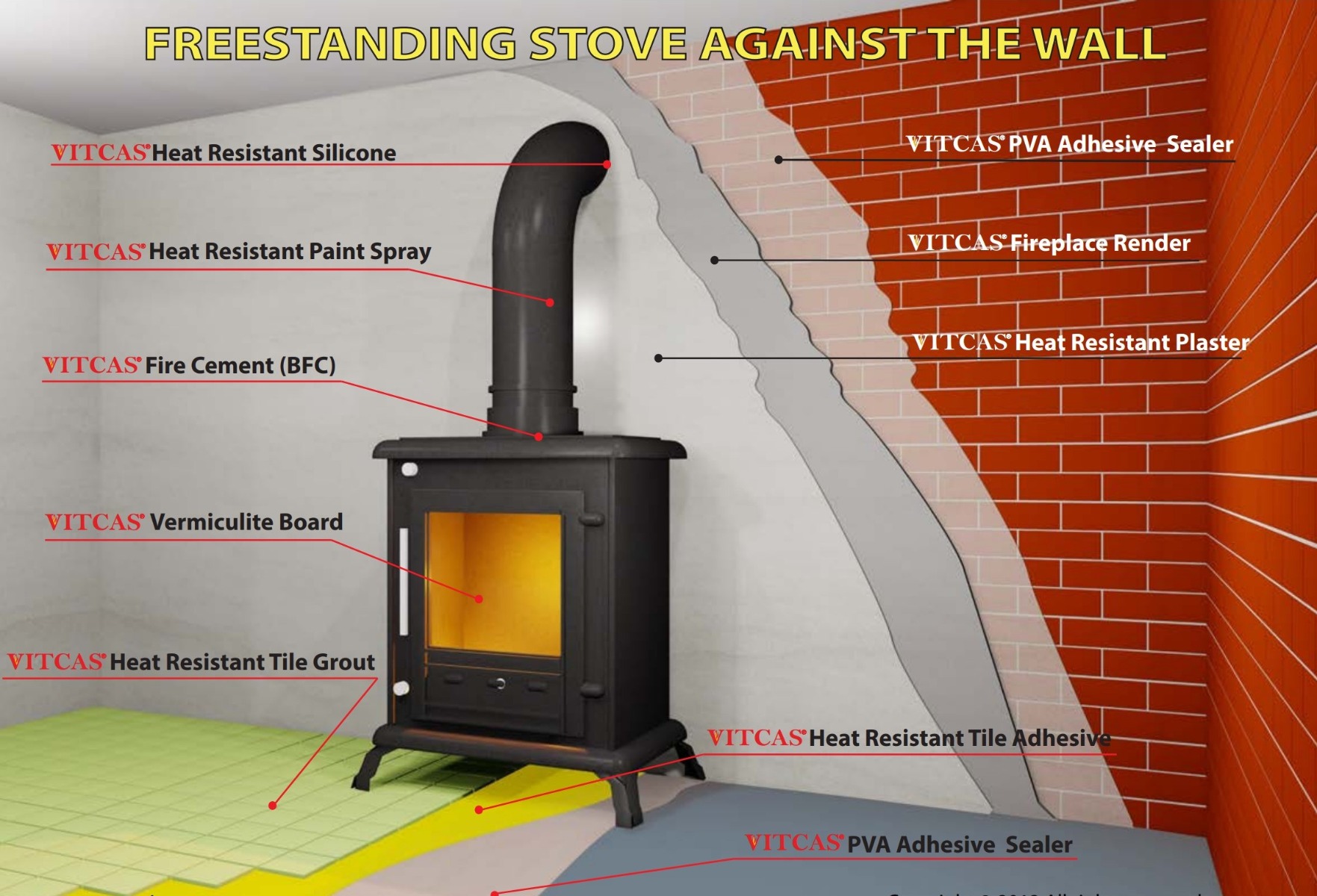
Credit: shop.vitcas.com
Cutting The Wall Opening
First, find the right spot for the stove. Use a tape measure for accuracy. Mark the wall with a pencil. Make sure the marks are clear. Recheck your measurements to avoid mistakes. The stove needs the correct fit. Safety is important when marking walls. Keep the area clear of clutter. This helps in working smoothly.
Choose the right tools for cutting walls. A drywall saw works well. It cuts through the wall easily. A power drill helps start the hole. Use protective gear like goggles. This keeps your eyes safe. Work slowly to avoid mistakes. Follow the marked lines carefully. Check your progress often. This helps in keeping the cut neat.
Installing The Stove Pipe
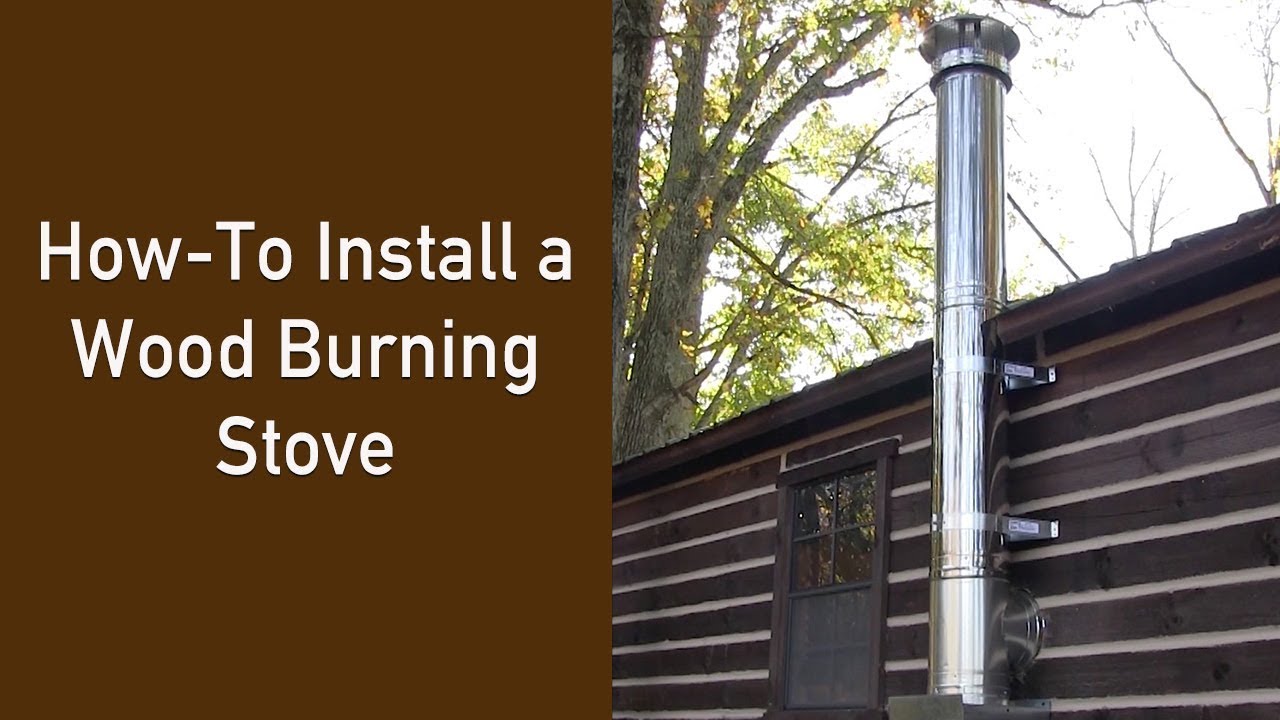
Start by joining the pipe sections together. Make sure each piece fits snugly. Use a screwdriver to tighten the joints. This keeps the pipes secure. Always check that each connection is straight. A bent pipe can cause problems.
Use heat-resistant sealant on the joints. This prevents smoke from escaping. Apply the sealant evenly around each connection. Check for any gaps or cracks. Fix them with more sealant if needed. A well-sealed pipe ensures safety and efficiency. Remember, a good seal is very important. It keeps your home safe.
Securing The Stove
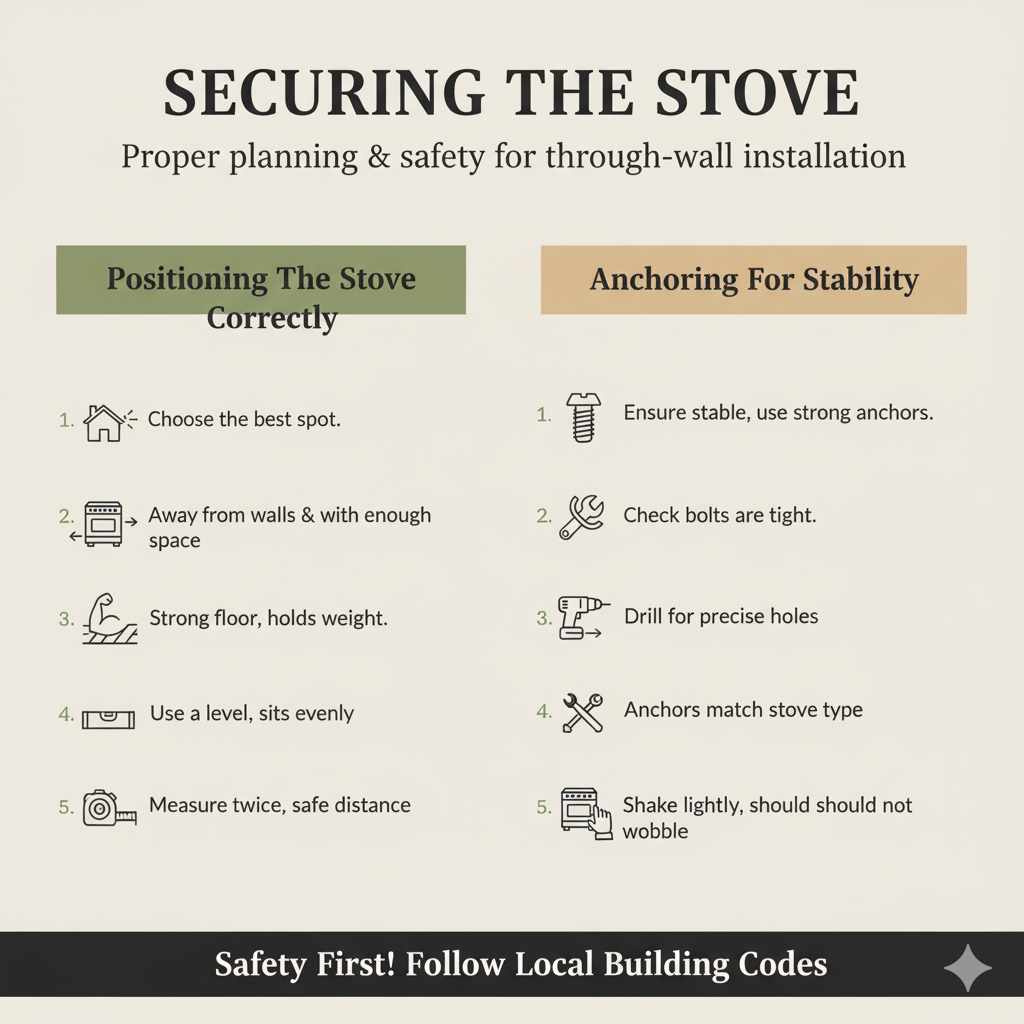
Installing a wood burning stove through a wall involves proper planning and safety measures. Begin by selecting the right wall. Cut a hole for the chimney pipe. Ensure everything fits securely and seals well to prevent leaks. Always follow local building codes for a safe installation.
Positioning The Stove Correctly
Choose the best spotfor your stove. Keep it away from walls. Ensure there is enough spacearound it. This helps air flow. Check the floor is strong. It should hold the stove’s weight. Use a levelto make sure it sits evenly. Don’t let it tilt. A tilted stove can be dangerous. Measure twice before drilling holes. Ensure the distance is safefor heat.
Anchoring For Stability
Ensure the stove is stable. Use strong anchors. This prevents the stove from moving. Check the boltsare tight. Loose bolts can cause accidents. Use a drillfor precise holes. Make sure anchors match your stove type. Some stoves need special anchors. This ensures safety. Double-check the stability by shaking the stove lightly. It should not wobble.
Testing And Safety Checks
Ensure proper testing and safety checks when installing a wood burning stove through a wall. Verify the stove’s ventilation and clearances. Regular inspections prevent hazards and ensure efficient operation.
Checking For Leaks
Leaks can be dangerous for wood stoves. Always check for leaks before using the stove. Use a flashlight to see better. Look at the pipes closely. Make sure they are tight. Feel around for any air escaping. Listen for hissing sounds too. Leaking gas is not safe. Fix any leaks right away. Get help from an expert if needed. Safety is very important.
Ensuring Safe Operation
Make sure the stove works safely. Check the door seals. They should be tight. A loose door can let smoke escape. Check the chimney too. Keep it clean. A clean chimney works best. Check the firewood. Use dry wood only. Wet wood makes more smoke. Keep children away from the stove. Stoves can get very hot. Teach kids to be careful around it. Turn off the stove when not in use. Safety first.
Credit: www.youtube.com
Maintenance And Care
Installing a wood burning stove through a wall requires careful planning and execution. Start by selecting the right location for optimal heat distribution. Ensure proper insulation and follow safety guidelines to prevent fire hazards. Regular maintenance keeps the stove efficient and safe.
Regular Cleaning Schedule
Keeping a wood stove clean is important. Ashes build up quickly. Remove them weekly. Use a small shovel and bucket. Wipe the glass door monthly. A damp cloth works well. Check the chimney often. Soot and creosote can block it. This can cause problems. Clean the chimney at least once a year. A professional can help.
Inspecting For Wear And Tear
Look for cracks on the stove. Cracks can let smoke escape. Check the door seal often. A tight seal keeps the heat in. Test the hinges and handles. Loose parts may need fixing. Watch for rust or damage. Rust weakens the stove. Fix any issues quickly. This keeps the stove safe and working well.
Frequently Asked Questions
Can You Pipe A Wood Burning Stove Through A Wall?
Yes, you can pipe a wood burning stove through a wall. Ensure proper insulation and use a wall thimble. Follow local building codes and safety guidelines to prevent fire hazards. It’s recommended to consult with a professional installer to ensure safe and efficient installation.
What Is The 3:2-10 Rule For Wood Stoves?
The 3:2-10 rule ensures wood stove safety. It means the chimney must extend at least 3 feet above the roof, 2 feet higher than any part within 10 feet horizontally. This guideline prevents downdrafts and ensures proper ventilation. Always prioritize safety and follow local building codes.
How Do You Fireproof A Wall Behind A Wood Stove?
Install a fire-resistant wall shield using non-combustible materials like cement board or metal. Ensure proper spacing between the wall and stove for air circulation. Use heat-resistant paint to enhance protection. Follow local building codes and manufacturer guidelines for safety. Regularly inspect for damage or wear.
How Far Does A Wood Burning Stove Need To Be From A Wall?
Wood burning stoves need at least 36 inches of clearance from walls. Ensure proper heat shielding if closer. Always follow manufacturer guidelines for safety and efficiency. Regularly inspect for any wear or potential hazards. Proper installation prevents fire risks and maintains optimal stove performance.
Conclusion
Installing a wood-burning stove through a wall adds warmth and style. Follow these steps to ensure safety and efficiency. Proper planning and tools are essential. Always measure twice to avoid mistakes. Check local regulations before starting. Choosing the right location matters.
It impacts heat distribution and safety. Ensure proper ventilation for smoke and fumes. Quality materials last longer and perform better. Seek professional help if unsure. Safety should always be a priority. Enjoy the cozy atmosphere your stove brings. It’s worth the effort.
Your home will feel more inviting and warm.