How to Keep Bark on Wood Slices
Bark falls off wood slices because wood shrinks faster than bark during drying — a process called differential shrinkage. Basswood and walnut hold bark naturally; hickory almost never does. Skip stabilization on a fresh-cut slice and the bark will crack loose within a year. This guide covers which species hold bark best, how to stabilize fresh vs. dried slices with Pentacryl or shellac, and how to reattach bark that has already come loose.
Quick Answer
To keep bark on wood slices, apply Pentacryl stabilizer to fresh-cut green wood and dry slowly in shade. For dried slices, brush on shellac thinned 50% to penetrate under the bark, then seal with polyurethane. Use thin CA glue to re-secure any loose edges before they fully separate.
Why Bark Falls Off Wood Slices
Best Bark Stabilizer Pick
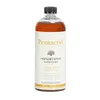
Pentacryl Green Wood Stabilizer 32oz by Preservation Solutions
The industry standard for preventing differential shrinkage in fresh-cut wood. Applied immediately after cutting, it wicks into green wood cells and limits the total shrinkage that tears bark loose.
- Best for: Fresh-cut green wood slices within 24 hours of cutting
- Why we picked it: The only stabilizer documented to maintain bark for 6+ years in maple; controls root cause not symptoms
- Main drawback: Only effective on green or semi-green wood; not useful on fully dried slices
Compare more bark preservation options
 Option 1 Zinsser Bulls Eye SealCoat Sanding Sealer
|
 Option 2 Minwax Fast Drying Polyurethane Semi-Gloss
|
 Option 3 Thin Liquid CA Glue for Wood Bark Repair
|
As an Amazon Associate we earn from qualifying purchases.
Differential shrinkage is the core reason bark separates from wood slices: wood shrinks at a much faster rate than bark as moisture leaves the wood during drying. The bark and wood are bonded through the cambium layer — a thin ring of living tissue just beneath the bark — and when the wood contracts inward faster than the bark can follow, the bond breaks and the bark lifts or cracks free.
Three factors make differential shrinkage worse: fast drying (direct sunlight or heat), cutting during the growing season (when the cambium is swollen with sap and the bond is already weaker), and choosing a species with naturally high shrinkage rates. All three can be controlled.
Which Wood Species Hold Bark Best (and Which to Avoid)
Species selection is the single biggest factor in bark retention. Some trees form a dense, mechanically-interlocked cambium bond that holds through drying; others have a loose, resin-soaked layer that separates easily regardless of technique. Choosing the wrong species means fighting an uphill battle no sealant can fully win.
| Species | Bark Adhesion | Notes |
|---|---|---|
| Basswood | Excellent | Tight bark, stays intact through drying; top choice for crafts |
| Walnut | Excellent | Strong natural bond; dark bark adds decorative appeal |
| Birch | Good | Firm bark but can curl if dried too fast; stabilize promptly |
| Oak | Moderate | Variable results — slow drying significantly improves retention |
| Cottonwood | Poor | High shrinkage rate; bark almost always separates without Pentacryl |
| Hickory | Poor | Known for shedding bark regardless of technique; avoid for bark-on projects |
Harvest timing matters almost as much as species. Cut wood in winter dormancy — November through February in the northern hemisphere — when sap flow has stopped and the cambium layer is as dry and contracted as it will ever be. Slices cut during active spring growth, when the cambium is swollen with sap, separate far more easily even in cooperative species like basswood.
How to Keep Bark on Fresh-Cut (Green) Wood Slices
Fresh-cut green wood still holds most of its original moisture. The bark bond is relatively intact at this stage, but if you let the wood dry without intervention, differential shrinkage will pull it apart. The goal is to control the drying rate so wood and bark shrink together, slowly enough to stay bonded.
- Apply Pentacryl within 24 hours of cutting: Brush or soak the green slice in Pentacryl wood stabilizer immediately after cutting, before surface drying begins. Pentacryl replaces water in the wood cells with a polymer that limits the total shrinkage, reducing the differential that tears bark loose. For semi-dry wood that has already lost some moisture, use Wood Juice instead.
- Dry slowly in shade: Place the treated slice in a cool, shaded, well-ventilated space away from direct sunlight, heaters, or air vents. Fast, uneven drying from one side is the most common cause of bark separating even after stabilizer treatment.
- Seal the end grain: Apply a thin coat of shellac or end-grain sealer to the cut face and edges first — end grain loses moisture 10 to 15 times faster than face grain, creating tension that cracks the bark at the perimeter.
- Monitor moisture content: Use a wood moisture meter to confirm the slice has dried to 6 to 9% before applying any finish. Sealing over wet wood traps moisture and causes bark to lift weeks later.
- Seal with shellac then polyurethane: Once dry, apply shellac thinned 50% first — its low viscosity lets it wick under the bark edge and stabilize the cambium bond. Follow with a full-strength polyurethane topcoat for durability.
“Maple slices treated with Pentacryl at cutting and dried slowly in a shaded shop maintained intact bark for 6 or more years — the same species left untreated cracked and shed bark within months.”
How to Keep Bark on Dried Wood Slices
If the slice has already dried — or if you are working with purchased dried wood slices — the Pentacryl window has passed. The goal shifts to sealing the bark in place and re-securing any edges that have already started to lift. The key insight from Rockler’s woodworking team is that shellac penetrates more effectively than polyurethane at this stage because its lower viscosity lets it wick under the bark edge and stabilize the remaining cambium bond.
- Inspect and clean the bark surface: Use a soft brush to remove dust and debris from around the bark edges. Look for sections where the bark is already lifting — even slightly raised edges that you can slide a fingernail under.
- Secure any lifting edges with thin CA glue: Use thin (low-viscosity) cyanoacrylate glue to re-bond any loose edges before sealing. Thin CA wicks into the gap by capillary action without requiring you to force it under the bark. Apply, hold for 30 seconds, and repeat for all loose sections before continuing.
- Apply shellac thinned 50% as the first coat: Thin Zinsser SealCoat or similar shellac by 50% with denatured alcohol. Brush this mixture thoroughly onto the bark and around the bark edges. The thinned shellac penetrates the porous bark and seeps under the perimeter edge, stabilizing the bond.
- Allow to dry and apply a second coat full-strength: Once the first coat is dry (20 to 30 minutes), apply full-strength shellac for reinforcement. This seals the bark surface against moisture absorption that causes repeated swelling and contracting.
- Topcoat with polyurethane: For slices that will be handled or exposed to humidity, apply one to two coats of clear polyurethane over the cured shellac. This is optional for purely decorative pieces kept indoors.
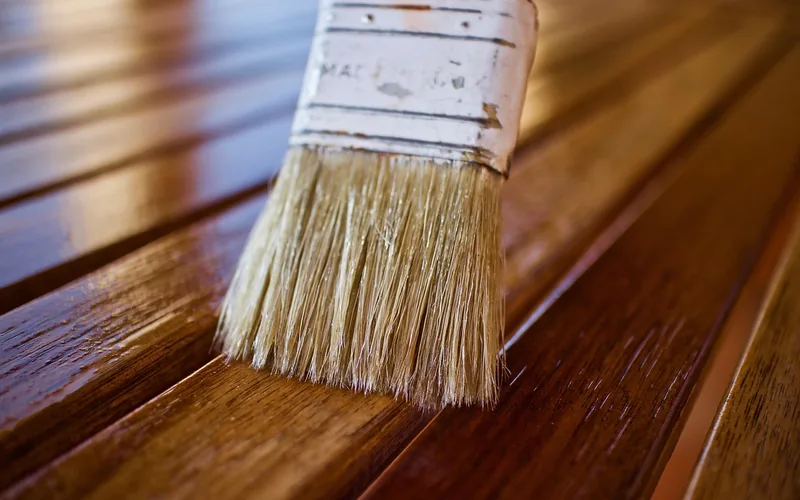
Properly sealed bark on dried slices typically holds for 3 to 7 years indoors. For slices exposed to seasonal humidity swings (outdoor decor, covered porches), inspect the bark edges annually and touch up with CA glue and shellac wherever edges start to lift. Learn more about the full preservation process for wood slices in our guide on how to preserve wood slices with bark, which covers pest treatment and finishing steps beyond bark adhesion.
How to Reattach Bark That Has Already Come Loose
If the bark has partially or fully separated from the slice, you can reattach it as long as both surfaces are clean and the bark is not cracked or crumbled. Wood glue, epoxy resin, and CA glue all work — the right choice depends on gap size.
Small Gaps (Under 1mm) — CA Glue
Thin (low-viscosity) CA glue is the first choice for bark that is still mostly attached but lifting at the edges. Apply a drop at the edge of the gap and the glue wicks under the bark by capillary action. Hold the bark flat for 30 seconds. No clamping needed for thin gaps. Immediately wipe any squeeze-out with acetone before it cures on the surface.
Larger Gaps or Fully Detached Bark — Epoxy or Wood Glue
- Clean both surfaces: Remove all dust, sap residue, and old dried glue from both the wood face and the back of the bark piece. Use a stiff brush and, if needed, a light sanding with 120-grit sandpaper on the wood surface only (never sand the back of bark — it is too fragile).
- Apply adhesive: For a thick gap with space to fill, use 5-minute epoxy — its gap-filling body and slight expansion as it cures suit irregular bark surfaces better than thin glue. For a close-fitting flat piece, wood glue works and sands more cleanly afterward.
- Press and clamp: Press the bark firmly into place and clamp or weight it flat overnight. Use cauls (strips of wax paper between the clamp and bark) to distribute pressure without sticking to the bark surface.
- Seal immediately after curing: Once the adhesive has cured, seal the reattached bark with shellac and polyurethane as described above. Reattached bark that is not sealed will separate again within months as humidity cycles cause repeated movement.
Tips for Long-Term Bark Maintenance
Even well-sealed wood slices need occasional attention. Bark is a porous, organic material that responds to humidity — it swells when damp and contracts when dry, and those cycles eventually stress the adhesive bond. Check sealed slices annually and address any lifting edges before they propagate into larger separations.
- Storage: Store wood slices flat and away from direct sunlight, baseboard heaters, or air conditioning vents. Consistent temperature and moderate humidity (40 to 60%) causes far less stress to bark adhesion than seasonal swings.
- Avoid soaking: Never submerge wood slices with preserved bark in water (as a centerpiece in a floral arrangement, for example) — prolonged wetting softens the sealant and wicks into the bark-wood seam.
- Annual touch-up: Run a fingernail around the bark perimeter once a year. Any edge that flexes or clicks is starting to lift. Apply CA glue at that spot, then spot-seal with shellac once the glue cures.
- Outdoor pieces: For slices used outdoors (decorative signs, stepping stones), use a waterproof polyurethane rated for exterior use. Re-coat every one to two years.
For slices with a live edge slab profile, the same principles apply but the bark runs along a longer perimeter, so annual maintenance checks matter even more. You can also explore the broader category of wood maintenance techniques to keep all your wood pieces in top condition.
Frequently Asked Questions About Keeping Bark on Wood Slices
Why does bark fall off wood slices?
Bark falls off wood slices due to differential shrinkage: wood contracts faster than bark as moisture leaves during drying. This breaks the cambium bond between bark and wood. Fast drying, growing-season cuts, and high-shrinkage species (hickory, cottonwood) make the problem worse. Controlling drying speed and applying stabilizers limits how much differential shrinkage occurs.
What is the best product to keep bark on wood slices?
For fresh-cut green wood, Pentacryl wood stabilizer is the most effective product — it limits total shrinkage and is documented to maintain bark for 6 or more years in cooperative species. For dried slices, shellac thinned 50% penetrates the bark edge better than polyurethane alone, followed by a polyurethane topcoat. Thin CA glue handles loose edge repair on both fresh and dry slices.
Can you reattach bark that has already fallen off?
Yes. Thin CA (cyanoacrylate) glue works for small lifting sections — it wicks under the bark edge and bonds in 30 seconds with no clamping. For larger pieces that have fully separated, use 5-minute epoxy or wood glue, clamp flat overnight, then seal with shellac and polyurethane immediately after curing. Reattached bark that is not sealed will separate again within months.
How long does bark last on wood slices?
With proper stabilization and sealing, bark can last 5 to 10 or more years on indoor wood slices. Maple slices treated with Pentacryl at the time of cutting have maintained intact bark for over 6 years. Untreated slices in species with moderate adhesion typically lose bark within 1 to 2 years. Outdoor pieces require recoating every 1 to 2 years to maintain the seal.
Does epoxy resin keep bark on wood?
Yes, epoxy resin seals bark effectively and creates a durable, water-resistant coating over the bark surface. However, for bark edges that are already lifting, thin CA glue is a better first step because epoxy is too thick to wick into a narrow gap. Use CA glue to re-bond lifting edges, let it cure, then coat the entire bark surface with epoxy or polyurethane for long-term protection.
Keeping bark intact on wood slices comes down to one principle: control the drying process early. Pentacryl on green wood and shellac on dried slices address the core mechanism — differential shrinkage — rather than just coating the surface. Choose a bark-retaining species like basswood or walnut, cut in winter dormancy when possible, and stabilize within 24 hours of cutting for the best results.
Sponsored / affiliate links. As an Amazon Associate I earn from qualifying purchases. I may earn additional commission from eligible campaigns.