How to Keep Chalk Paint From Scratching (Wax vs. Poly Sealer)
Chalk paint scratches because its powdery, low-binder finish has almost no built-in durability — a topcoat is what actually prevents wear, not the paint itself. Skip it and high-traffic pieces show bare wood at the edges within weeks. This guide covers which topcoat resists scratches best (wax vs. water-based polycrylic vs. polyurethane), the real cure times for each, and how to fix chalk paint that’s already scratched.
Insert your Affiliate Disclosure reusable block here.
Quick Answer
Water-based polycrylic or polyurethane resists scratches better than wax — apply 2–3 thin coats, recoat every 2 hours, and give it 24–48 hours before regular use. If you prefer the hand-rubbed look of wax, apply 2 coats and allow 7–21 days for a full cure; the surface stays soft and vulnerable to scuffs until then.
Why Chalk Paint Scratches So Easily
Best Chalk Paint Topcoat Pick
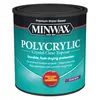
Minwax Polycrylic Protective Finish, Satin, 1 Quart
A water-based topcoat made specifically to protect painted and finished wood without yellowing over time.
- Best for: everyday furniture that needs real scratch resistance without an amber tint
- Why we picked it: water-based, non-yellowing, recoats in about 2 hours, and the satin sheen matches most chalk-paint projects
- Main drawback: needs a synthetic-bristle brush or it can show brush marks
Compare more chalk paint topcoat options
 Option 1 General Finishes High Performance, Flat
|
 Option 2 Rust-Oleum Chalked Ultra Matte Clear Top Coat
|
 Option 3 Howard Citrus Shield Paste Wax
|
As an Amazon Associate we earn from qualifying purchases.
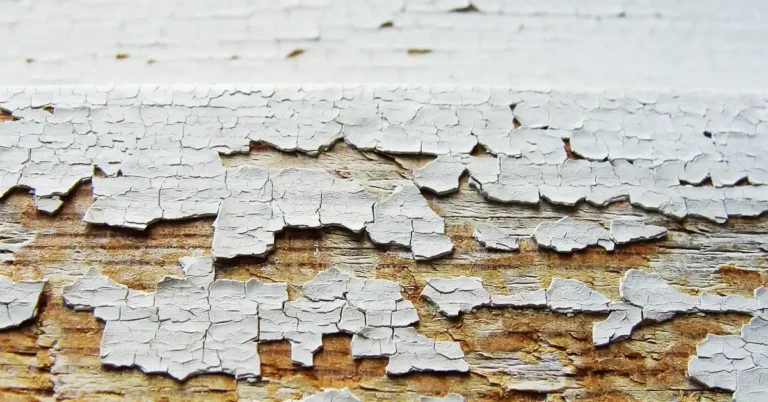
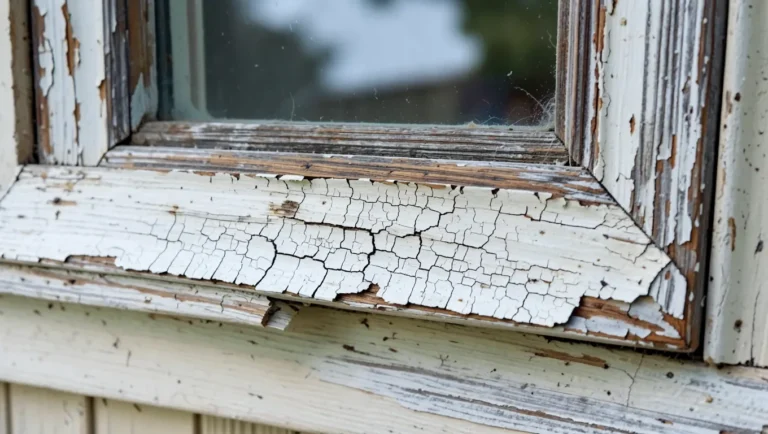
Chalk paint is a mineral-based paint that is a low-binder, ultra-matte finish that trades durability for its flat, vintage look. It contains far less resin than standard latex or oil paint, so the dried film stays soft and porous on its own. Left unsealed, that soft surface abrades under normal handling — keys dragged across a dresser top, a plate slid across a table, a chair pulled out every day.
That’s not a flaw specific to one brand of chalk paint — it’s inherent to the formula. The fix isn’t a better paint; it’s always a protective topcoat, which is why the next section is the one that actually matters for durability.
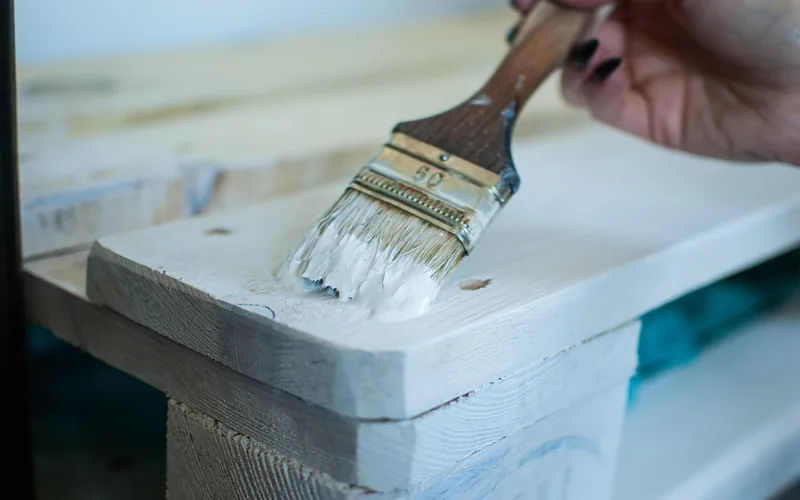
Choose the Right Topcoat: Wax vs. Polycrylic vs. Polyurethane
This is the single decision that determines whether your piece survives daily use. Sealing chalk paint with a liquid topcoat — water-based polycrylic or polyurethane — creates a continuous hard film that resists scratches far better than wax, which stays comparatively soft. Wax wins on the hand-rubbed, low-sheen look many chalk-paint projects are going for; poly wins on durability for anything that gets touched daily, like tabletops, chair arms, and cabinet doors.
| Topcoat | Scratch Resistance | Cure Time | Best For |
|---|---|---|---|
| Paste wax | Low–moderate; softens with heat, needs reapplication | Dry to touch ~30 min; full cure 7–21 days at 65–80°F | Low-traffic decor, accent pieces, hand-rubbed look |
| Water-based polycrylic / polyurethane | High — hard, continuous film | Recoat in ~2 hrs; light use in 24–48 hrs; full cure ~30 days | Tables, chairs, cabinets, anything used daily |
| Oil-based polyurethane | High, but ambers/yellows over time | Recoat in ~24 hrs; several days to full cure | Only when an amber tone is acceptable — avoid on white or light chalk paint |
A water-based finish also keeps the paint’s original color true — oil-based polyurethane will warm and yellow a white or pastel satin finish over months of light exposure, which is the opposite of what most chalk-paint projects are going for. If you’re debating whether to skip the topcoat altogether and just seal with a spray sealant instead, see our breakdown on using chalk paint under polyurethane for how the two layer together.
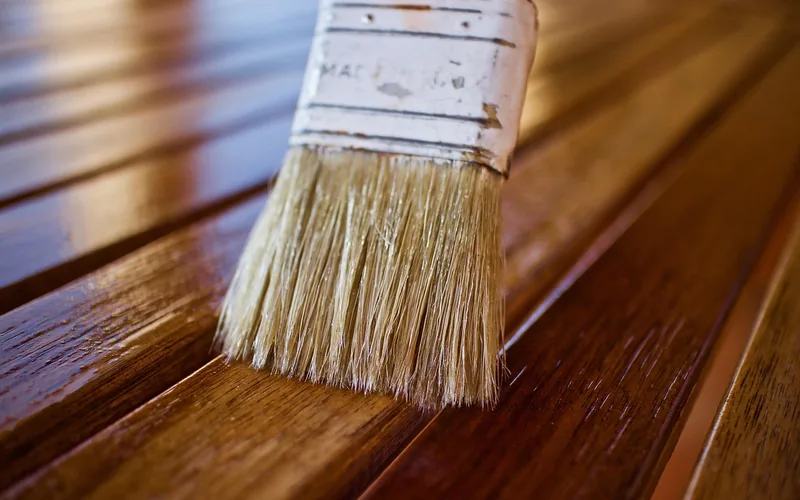
How Long Each Topcoat Needs to Cure
Dry and cured are not the same thing, and using a piece before the topcoat has fully cured is the single most common reason chalk paint scratches shortly after a “finished” project. Dry just means the surface no longer feels wet. Cured means the film has fully hardened and reached its final scratch resistance — and that takes much longer.
📊 Paste wax is touch-dry in about 30 minutes but needs 7 to 21 days at 65–80°F to fully cure. Water-based polycrylic can be recoated after roughly 2 hours and is safe for light use in 24–48 hours, though it keeps hardening for about a month — Source: manufacturer product literature (Minwax, General Finishes).
The fingernail test is the simplest way to check cure before putting a piece back into daily use — press lightly on the underside near an edge. If it dents or feels tacky, give it more time, especially with wax in humid weather.
Prep and Paint Correctly for a Durable Base
A topcoat can only protect a paint job that’s properly applied underneath it. Skipping prep is the second most common cause of early scratching, right behind skipping the topcoat entirely.
- Clean and scuff-sand the surface: wipe off dust and grease, then scuff-sand with 220-grit sandpaper. Chalk paint is famous for sticking to bare wood without primer, but a light scuff on slick, laminate, or previously varnished surfaces still improves adhesion and cuts down on early chipping.
- Prime if the surface will bleed through: knots, tannin-heavy woods like oak or cherry, and old dark stain can bleed pink or yellow through chalk paint. A stain-blocking primer stops this and gives the topcoat a more even surface to bond to.
- Apply 2–3 thin coats of paint, not one thick one: thin coats dry faster and cure harder. A single heavy coat stays soft at the center longer and is more prone to denting before it’s ready for a topcoat.
- Seal with your chosen topcoat within a day of the final paint coat: apply wax or polycrylic once the paint is dry to the touch and no longer tacky — typically a few hours, longer in humid rooms.
- Let the piece cure fully before regular use: 24–48 hours for water-based poly, 7–21 days for wax, per the cure times above.
Avoid Harsh Cleaning Products
Even a properly sealed piece can scratch if it’s cleaned wrong. Skip abrasive sponges, powdered cleansers, and anything with bleach or ammonia — they dull the topcoat’s sheen and create the fine surface scratches that make a finish look worn out early. A microfiber cloth with mild soap and water is enough for routine dusting and spills on both wax- and poly-sealed pieces.
Handle With Care and Use Furniture Pads
Most everyday scratches come from friction, not impact — a chair dragged instead of lifted, a plate slid instead of set down. Attach felt furniture pads to chair and table legs so they glide instead of scrape, and get in the habit of lifting rather than dragging anything placed on a chalk-painted surface. These two habits alone prevent more scratches over a piece’s lifetime than any topcoat upgrade.
How to Fix Chalk Paint That’s Already Scratched
For a light surface scratch, clean the area, feather-sand it with 320-grit sandpaper to smooth the edges, and dab on a small amount of matching chalk paint with a fine artist’s brush. Once that touch-up is dry, reseal just that spot with the same topcoat used on the rest of the piece — wax or poly — feathering it slightly past the repair so the sheen blends in rather than leaving a visible patch.
Deeper gouges that go down to bare wood need the same steps plus a thin second coat of paint before resealing. If the surrounding finish has also gone glossy or uneven from wear, a light full-piece re-coat of topcoat will even out the sheen instead of leaving one shiny repaired patch next to a duller original finish.
Frequently Asked Questions
Why does chalk paint scratch so easily?
Chalk paint has very little binder compared to standard latex or oil paint, which gives it that flat, powdery look but leaves almost no scratch resistance on its own. Without a wax or polyurethane topcoat, the paint film stays soft and abrades under normal handling — especially on high-touch spots like drawer edges and tabletops.
Does wax or polyurethane protect chalk paint better?
Water-based polyurethane or polycrylic protects better against scratches because it forms one continuous hard film, while wax stays comparatively soft and needs reapplication every few months on high-use pieces. Wax wins on hand-rubbed look and easy touch-ups; poly wins on durability for tables, chairs, and anything kids or pets touch daily.
How long does chalk paint wax take to cure?
Paste wax is dry to the touch in about 30 minutes but needs 7 to 21 days at 65–80°F to fully cure and reach its final hardness. Treat the piece gently during that window — avoid setting hot dishes, dragging objects, or heavy daily use until the wax has fully hardened.
Can you use polycrylic over chalk paint?
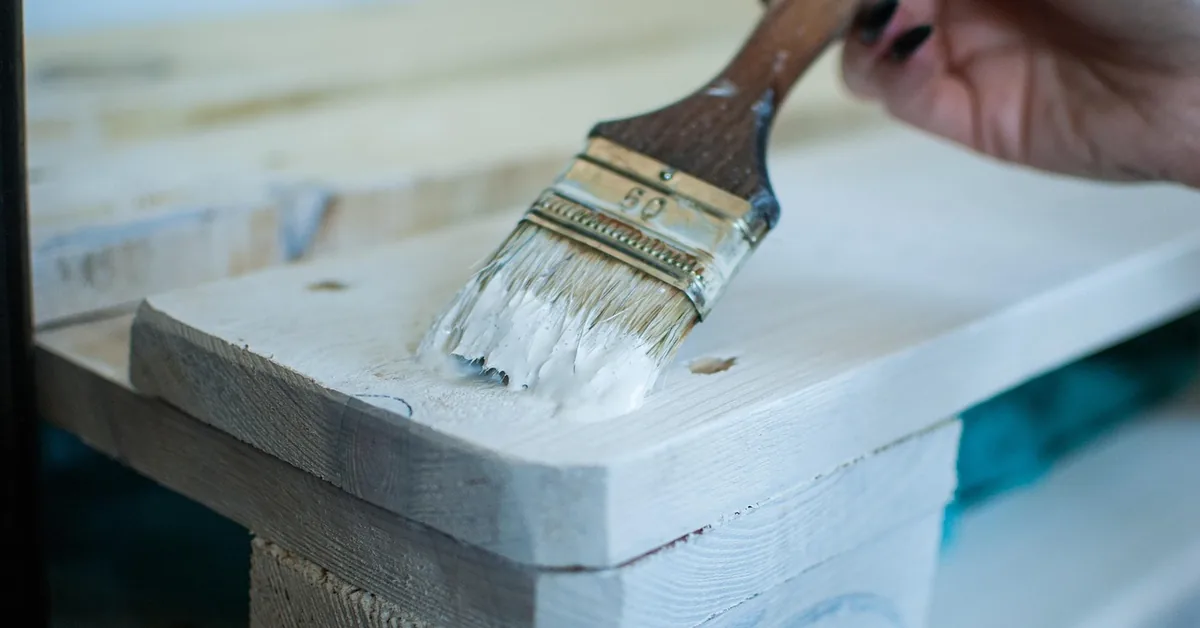
Yes — polycrylic is one of the most common topcoats for chalk paint because it dries clear, resists yellowing, and can be recoated in about 2 hours. Apply it with a synthetic-bristle brush or foam applicator in thin, even coats; a thick single coat is more likely to show brush marks and stay tacky longer.
How do you fix chalk paint that’s already scratched?
For a light scratch, clean the area, feather-sand it with 320-grit sandpaper, and dab on matching chalk paint with a fine brush before resealing that spot with the same topcoat used on the rest of the piece. Deeper gouges may need a thin coat of paint plus an extra layer of topcoat feathered out past the repair so it blends with the surrounding sheen.
Get the topcoat and cure time right, prep the surface before you paint, and handle the finished piece gently for the first few weeks — that combination is what actually keeps chalk paint from scratching, far more than any single product choice. Browse our full paints and finishes library for more project-specific guides.
Sponsored / affiliate links. As an Amazon Associate I earn from qualifying purchases. I may earn additional commission from eligible campaigns.