How to Make Wood Look Like Metal: 5 Techniques That Work
Metallic spray paint is the fastest way to make wood look like metal — but a convincing copper, chrome, or rusted-iron finish depends on the right prep and layering, not just the paint you pick. Skip sanding first and the metallic sheen goes on blotchy. This guide covers five techniques — paint, patina, and a household faux-rust method — plus which one fits your project.
Affiliate disclosure: this post contains Amazon affiliate links. We may earn a commission at no extra cost to you.
Quick Answer
Sand the wood smooth, apply metallic spray paint or a dark base coat plus a metallic dry-brush layer, then seal with a clear coat. For a realistic aged look, add texture with a wood-grain tool or a sawdust-and-glue mix before painting, then dust rust-colored pigment into the low spots while the final coat is still tacky.
Tools and Materials You’ll Need
Best All-Purpose Metallic Paint Pick
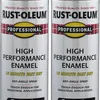
Rust-Oleum 7515838 Professional Enamel Spray Paint, Aluminum
Rated for both metal and wood, so it works for both the base coat and the finish coat in most faux-metal projects.
- Best for: silver, steel, or aluminum faux-metal looks on any wood project
- Why we picked it: rated for wood surfaces specifically, dries fast enough for the multi-coat technique this guide uses
- Main drawback: gloss finish reads more “new metal” than aged — dull it with fine sandpaper for a worn look
Compare more metal-look paint options
 Option 1 Rust-Oleum Stops Rust Bright Coat Metallic Spray Paint, Copper
|
 Option 2 Rust-Oleum Stops Rust Bright Coat Metallic Spray Paint, Chrome
|
 Option 3 Rust-Oleum Universal All Surface Metallic Spray Paint, Pure Gold
|
As an Amazon Associate we earn from qualifying purchases.
Every technique below starts the same way: sand the wood surface smooth before any paint touches it. Beyond that, the supply list depends on the look you’re after. For a full rundown of finishing basics, see our wood finishing guide.
- 100–220 grit sandpaper (100 for initial smoothing, 220 for a final pass)
- Metallic spray paint or acrylic craft paint in your target metal color
- A paint-and-primer-in-one product if the wood is bare and unsealed
- Painter’s tape and drop cloths
- A clear sealer (satin or gloss, depending on the finish you want)
- Optional: wood grain tool, texture paste, or a sawdust-and-wood-glue mix for aged/rusted looks
Which Faux-Metal Method Should You Use?
| Method | Time to Finish | Typical Cost | How Long It Lasts | Best For |
|---|---|---|---|---|
| Metallic spray paint only | 1–2 hours + dry time | $6–$12 per can | 2–3 years indoors before touch-up | Small decor pieces, hardware, picture frames |
| Layered patina (dry-brush + glaze) | Half a day (multiple dry times) | $15–$30 in paint/glaze | 3–5 years with a sealer coat | Furniture legs, cabinet hardware, accent panels |
| Faux rust (household materials) | Full day (texture must cure first) | Under $10 — mostly pantry items | 1–2 years, needs a matte sealer to stop flaking | Props, signage, industrial-style wall art |
How to Make Wood Look Like Metal With Paint
Metallic spray paint is the quickest route to a convincing metal look, and it works on almost any wood surface once the wood is sanded and primed. This method takes an afternoon and holds up well indoors.
- Sand the surface: Sand the wood with 100-grit paper first, then 220-grit for a smooth final surface.
- Prime if needed: Bare wood should get a coat of paint-and-primer-in-one so the metallic topcoat doesn’t soak in unevenly.
- Apply the first coat: Hold the spray can 10–12 inches from the surface and apply a thin, even coat. Heavy coats pool and run.
- Let it dry fully: Most metallic spray paints are dry to the touch in 20–30 minutes but need 24 hours to fully cure before a second coat.
- Apply a second coat: Once the second coat is dry, lightly distress the surface with fine-grit sandpaper if you want a worn look.
- Seal it: Finish with a clear sealer to protect the paint from scuffs and wear.
Skipping the primer step is the single biggest reason a DIY metallic finish looks patchy instead of solid — bare wood grain drinks up paint unevenly, and no amount of extra coats fully hides that once it happens.
How to Make Wood Look Like Copper
Copper is one of the easiest metal looks to fake convincingly because a single coat of copper-toned metallic paint already reads as “real” from a few feet away. Here’s the full process:
- Copper-toned metallic spray paint
- Clear sealer (satin finish keeps copper from looking plastic-shiny)
- 100–grit sandpaper
- Painter’s tape and a drop cloth
Prep your work area with a drop cloth and mask off anything you don’t want painted. Sand the surface with 100-grit paper until smooth, then wipe away dust with a damp cloth. Apply several light coats rather than one heavy coat — spray paint pools and runs if applied too thick. Let each coat dry fully before the next.
For a more weathered copper look, keep adding light coats until you reach the coverage you want, then dust a little raw umber acrylic paint into the recessed details with a dry brush before sealing — that’s what gives real aged copper its darker low spots.
How Do You Make Wood Look Like Rustic, Weathered Metal?
A rustic metal look needs texture, not just color — real weathered iron and steel are never a flat, even tone. This layered approach gets closer to the real thing than a single coat of paint ever will.
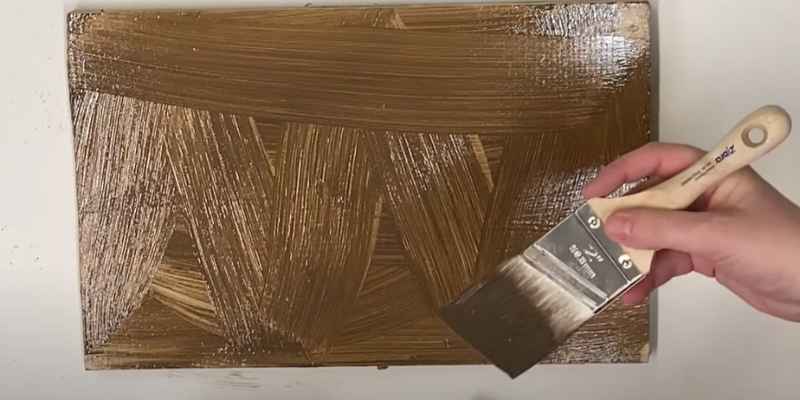
- Base coat: Paint the surface with dark gray or black paint, applying it vertically with a dry brush so some streaks show through.
- Add ridges: While the base coat is still workable, drag a wood-grain graining tool straight down through it to leave corrugated ridges — this is what sells the “sheet metal” texture.
- Layer the metallic: Once dry, stipple on a silver or steel-toned metallic paint with a nearly dry brush, leaving some of the dark base showing through in the recesses.
- Add a chemical patina (optional): For real oxidation instead of painted-on rust, our guide on using vinegar and salt to force rust works on metal hardware attached to the piece, not the wood itself.
- Seal it: A satin or matte clear coat keeps the texture from looking too glossy and “new.”
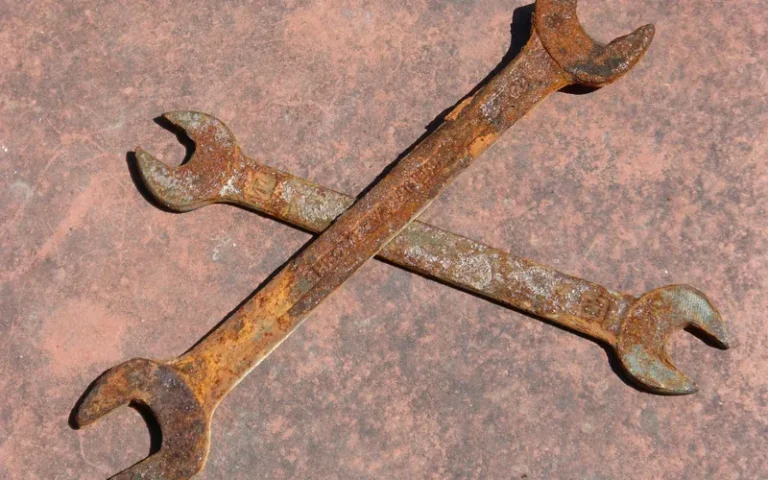
How to Create a Faux Rust Finish on Wood With Household Materials
This is the technique most tutorials skip: a real rust texture, not just a rust color, built from things you likely already have in the kitchen and shop. It takes longer than paint alone, but the result has actual dimension a flat coat of paint can’t fake.
Building the Texture Base
Mix fine sawdust or wood shavings with wood glue until it forms a thick, spreadable paste. Dab this onto the wood with a stiff brush or a palette knife wherever you want pitting or built-up corrosion — joints, edges, and screw heads are where real rust concentrates first. Let it cure for several hours before painting over it.
Layering the Rust Color
Once the texture base is dry, paint the whole surface matte black, then dry-brush a mix of burnt umber and red oxide acrylic paint over the raised texture, leaving black showing in the recesses. For the final layer, dust dry cinnamon and used coffee grounds into the wet paint on the raised areas — the grit and color read as real granular rust once sealed. A diluted burnt umber wash (thinned to a milky consistency) blended over the transitions softens any hard edges between colors.
If the piece has real metal hardware attached — hinges, brackets, or nails — you can also use steel wool on wood hardware to rough up the surface first, which helps any rust treatment grip better.
Finish with a matte clear sealer once everything is fully cured — skip a glossy topcoat here, since shine reads as “painted” and kills the illusion.
Can You Paint Wood to Look Like Gold, Chrome, or Steel?
Can You Paint Wood to Look Like Gold Metal?
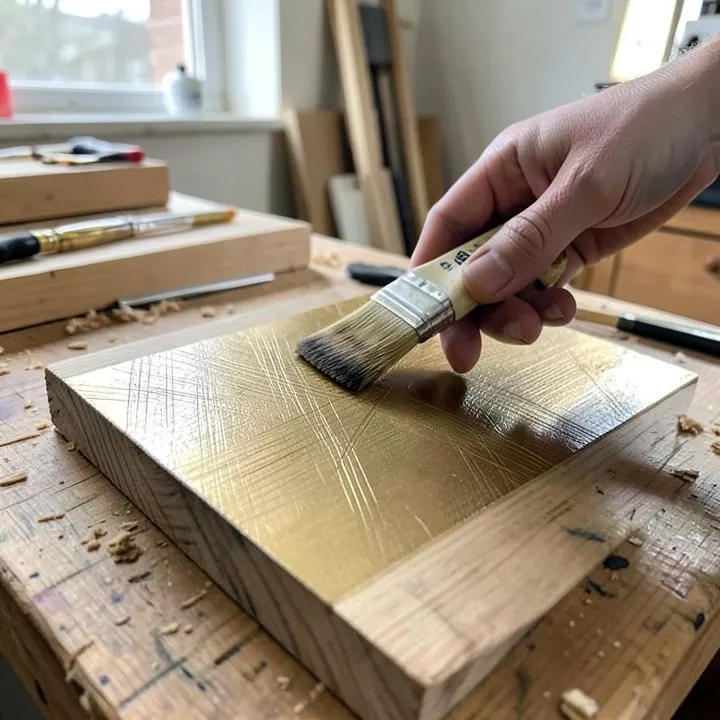
Yes. Sand the surface smooth, apply a thin, even coat of gold metallic paint, let it dry completely, then apply a second coat. A high-gloss clear finish over the top gives the wood a shiny, gold-metal appearance. For an aged-brass look instead of bright gold, dry-brush a small amount of brown glaze over the gold once it’s dry.
Can You Paint Wood to Look Like Chrome?
Yes, though chrome is the hardest metal look to fake since real chrome is a mirror finish. Sand the wood completely smooth — any texture will show under a reflective paint. Apply a primer first, then multiple thin coats of chrome-effect spray paint, letting each coat dry fully. Chrome paint shows brush marks badly, so a spray gun or aerosol can gives far better results than a brush.
Is There a Paint That Looks Like Steel?
Yes — steel-look metallic paints use a fine metallic pigment for a shiny, slightly cool-toned gray finish that reads as steel rather than chrome or silver. It works on both interior and exterior wood surfaces and holds up well when sealed with a clear topcoat.
Common Mistakes to Avoid
- Skipping the sanding step: Any leftover finish, wax, or rough grain telegraphs straight through metallic paint — it has almost no ability to hide surface flaws the way a solid color can.
- Applying one heavy coat instead of several thin ones: Thick coats of metallic paint pool, run, and dry with a blotchy, uneven sheen instead of the flat reflective look real metal has.
- Using a glossy topcoat on a rust or patina finish: Shine reads as “freshly painted.” Matte or satin sealers keep aged finishes believable.
- Forgetting to seal the piece: Metallic paint scuffs and rubs off with handling if it isn’t protected with a clear coat once it’s fully cured.
“The number one thing I see beginners get wrong is rushing the dry time between coats. Metallic paint looks dry to the touch in 20 minutes, but if you sand or recoat before it’s fully cured underneath, you scuff through to a dull, uneven layer that never buffs out.”
FAQ
Can You Paint Wood to Look Like Gold Metal?
Yes. Sand the wood smooth, apply a thin coat of gold metallic paint, let it dry, then add a second coat. A high-gloss clear finish over the top gives the wood a shiny, gold-metal appearance. Dry-brushing a little brown glaze over the gold once dry gives an aged-brass look instead of bright gold.
Can You Paint Wood to Look Like Chrome?
Yes, though chrome is the hardest metal look to fake since real chrome is a mirror finish. Sand the wood completely smooth, apply a primer, then several thin coats of chrome-effect spray paint. A spray gun or aerosol gives a much smoother result than a brush, which tends to leave visible strokes in reflective paint.
Is There a Paint That Looks Like Steel?
Yes. Steel-look metallic paints use a fine metallic pigment for a shiny, slightly cool-toned gray finish. It works on interior and exterior wood surfaces and holds up well once sealed with a clear topcoat.
Do You Need Primer to Make Wood Look Like Metal?
Bare, unsealed wood should be primed first. Wood grain and pores absorb paint unevenly, so skipping primer is the most common reason a metallic finish looks patchy or blotchy instead of solid. A paint-and-primer-in-one product can combine both steps on smaller projects.
How Long Does a Faux Metal Wood Finish Last?
A simple metallic spray paint finish holds up 2-3 years indoors before it needs a touch-up. A layered patina finish with a sealer coat can last 3-5 years. Faux rust finishes built from household materials like sawdust and glue are the least durable, typically 1-2 years, and need a matte sealer to keep the texture from flaking.
Conclusion
Making wood look like metal comes down to picking the right method for the level of realism you want. A single coat of metallic spray paint is enough for small decor pieces and hardware. For furniture and accent panels, a layered patina with a dry-brushed metallic top gives real dimension. And if you want a genuinely convincing rusted-iron look, the household faux-rust technique — sawdust, glue, coffee grounds, and cinnamon — beats paint alone every time. Whichever method you choose, sand the wood first so the finish adheres properly.
Sponsored / affiliate links. As an Amazon Associate I earn from qualifying purchases. I may earn additional commission from eligible campaigns.