Dog Pee Stains on Hardwood Floors: Fresh vs Set-In Fix
Dog urine sets fast because it’s mildly acidic and carries uric acid crystals that bond to hardwood’s finish and grain within minutes — but the fix depends on whether you catch it fresh or find it days later. Fresh spots lift with cold water and a mild rinse; set-in or black stains need an enzymatic cleaner to actually break the uric acid down, since vinegar alone can’t dissolve it. This guide covers fresh-stain removal, set-in stain removal, and which cleaner to skip.
Why Vinegar Works on Fresh Spots but Fails on Old Stains
Best Hard-Floor Enzymatic Cleaner Pick
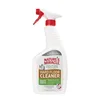
Nature’s Miracle Hard Floor Cleaner, Stain & Odor Remover
Formulated specifically for sealed hardwood and other hard floors, not carpet-first like most pet cleaners.
- Best for: Fresh accidents on sealed hardwood, daily pet-owner cleanup
- Why we picked it: Labeled safe for sealed wood and priced under $9, so you can keep it on hand instead of reaching for vinegar
- Main drawback: Not intended for unsealed or wax-finished floors — check your finish type first
Compare more dog urine cleaner options
 Option 1 Simple Solution Hard Floor Stain & Odor Remover
|
 Option 2 Nature’s Miracle Dog Urine Destroyer Plus
|
 Option 3 Biokleen Bac Out Enzyme Cleaner
|
As an Amazon Associate we earn from qualifying purchases.
Vinegar and water is the most repeated advice online for dog urine, but it only rinses the surface. Uric acid crystals are what actually cause the discoloration and lingering odor, and they don’t dissolve in a mild acid — they need to be enzymatically broken down. That’s why a fresh spot wiped with vinegar looks fine, but an old, set-in stain wiped with the same solution keeps coming back darker after it dries.
There’s a second problem with reaching for vinegar as your everyday hardwood cleaner: it’s still an acid, and repeated exposure gradually breaks down the polyurethane or wax finish that protects the wood underneath, according to Bona’s own homeowner care guidance. Use it for a one-time fresh-accident rinse, not as your regular floor cleaner.
“Cleaning your hardwood floors with vinegar and water can be very damaging over the long-term because the acid in vinegar can dull the finish and, over time, allow moisture to reach the wood.”
How to Remove Fresh Dog Pee Stains from Hardwood Floors
If you catch the accident within the hour, you can usually stop a stain from forming at all. Move fast — the longer urine sits on hardwood floors, the more time it has to seep past the finish and into the grain.
- Blot, don’t wipe: Press paper towels or a clean cloth straight down on the spot to pull up as much liquid as possible. Wiping just spreads it.
- Rinse with cold water: Dampen a cloth with cold water and blot again. Skip hot water — heat can set the stain into the wood instead of lifting it.
- Dry the area completely: Go over the spot with a dry cloth until no dampness remains; trapped moisture is what causes warping, not the urine itself.
- Apply an enzymatic cleaner if any odor remains: A quick vinegar rinse handles the visible liquid, but if you can still smell it after drying, the uric acid is still there — follow with an enzyme spray.
How to Remove Old or Set-In Dog Urine Stains
Old, set-in, or blackened urine stains need more than a rinse because the uric acid has already crystallized into the wood fibers. This is the situation where an enzymatic cleaner earns its price over a vinegar solution.
- Soak a cloth in enzymatic cleaner: Saturate a clean cloth (not the floor directly) and lay it over the stain.
- Let it dwell: Leave the cloth in place for the dwell time on the product label — usually 10 to 15 minutes — so the enzymes have time to break down the crystals.
- Blot and lightly scrub: Work the stain with the cloth in small circles, then blot dry.
- Repeat if the mark is still visible: Deep, months-old stains often need two or three applications over a couple of days — one pass rarely finishes it.
- Dry thoroughly and check the finish: If the stain has reached bare wood under a worn finish, expect a lighter patch to remain; that’s a refinishing job, not a cleaning one.
For a stain that’s still faintly visible after enzymatic cleaning, a diluted hydrogen peroxide solution (the standard 3% found in any drugstore) can lighten it further — but test an inconspicuous spot first, since peroxide can bleach some wood species and stain colors unevenly.
Vinegar vs. Hydrogen Peroxide vs. Enzymatic Cleaner
| Method | Breaks Down Uric Acid? | Best For |
|---|---|---|
| Vinegar + water | No — rinses surface liquid only | Fresh accidents caught within the hour |
| 3% hydrogen peroxide | Partially — bleaches discoloration, doesn’t digest crystals | Lightening a stain that remains after cleaning |
| Enzymatic cleaner | Yes — enzymes digest the uric acid itself | Set-in, black, or repeat-odor stains |
Preventing Dog Pee Stains on Hardwood Floors
Prevention beats repeat treatment. A consistent bathroom routine, the right training aids, and a couple of protective habits cut down how often you’re back here scrubbing.
Build a Consistent Bathroom Routine
- Take your dog out at fixed points — first thing in the morning, after meals, and before bed.
- Use the same verbal cue every time (“go potty”) so your dog associates it with the action, not the location.
- Reward immediately after they go outside — timing matters more than the treat itself.
- If an indoor accident happens, clean it and move on; punishing your dog after the fact doesn’t connect to the behavior and can create anxiety-driven marking instead.
Training Aids Worth Considering
Puppy pads catch accidents near doors while you’re still training, and can be moved progressively closer to the exit. Indoor dog toilets with a grass-like surface work well in apartments with limited outdoor access. Crate training uses dogs’ natural instinct not to soil their own space, which helps them learn to hold it until you’re back at the door.
Protect the Floor Itself
| Option | What It Does |
|---|---|
| Hardwood sealant or wax | Creates a barrier that repels liquid so it beads instead of soaking straight into the wood — reapply per the product’s schedule, since sealant wears with foot traffic. |
| Pet-safe washable rugs or mats | Placed in high-accident zones (near doors, a dog bed’s usual spot), they take the hit instead of the finish. |
| Prompt cleanup habit | The single biggest factor — a stain caught in minutes rarely needs anything beyond blotting and a rinse. |
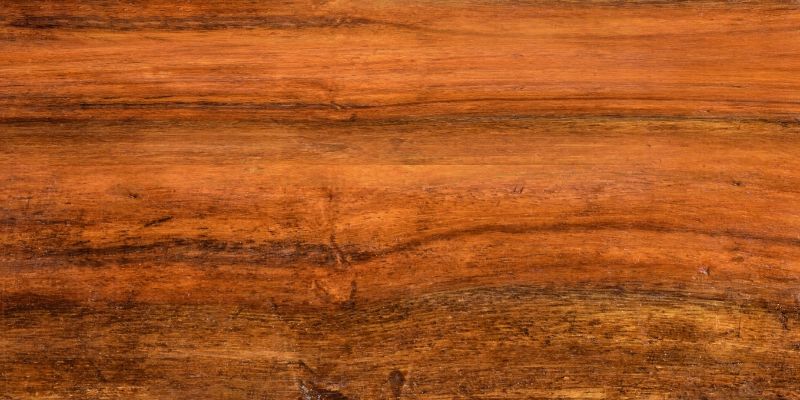
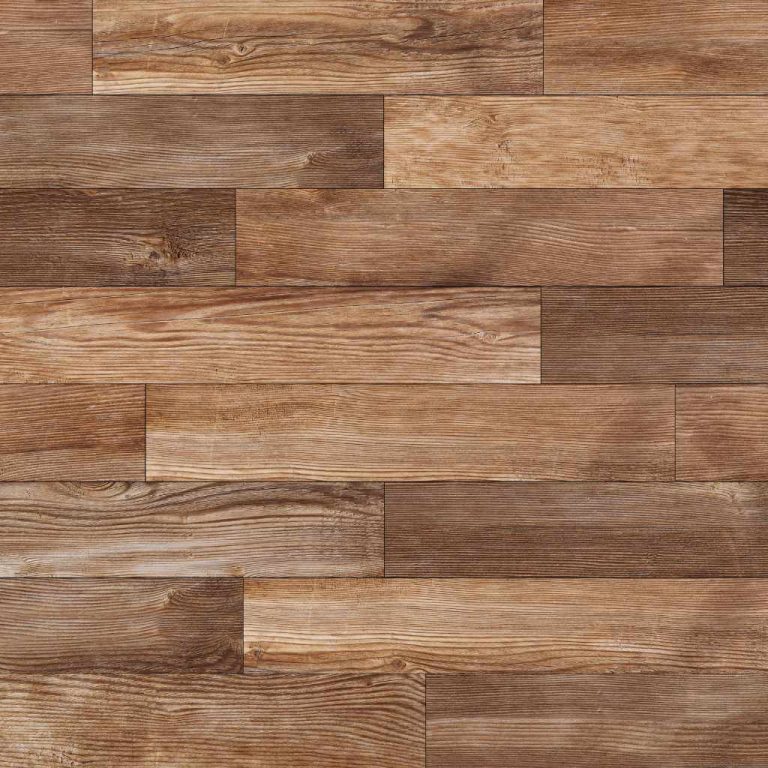
Close, unsealed grain like this is exactly where urine soaks in fastest — a sealant fills these pores before an accident can.
Frequently Asked Questions on Dog Pee Stains on Hardwood Floors
How do you get pet urine stains out of hardwood floors?
Blot up the urine with paper towels first, then apply an enzymatic cleaner for set-in stains or a vinegar-and-water rinse for fresh ones. Let the enzymatic cleaner dwell 10-15 minutes before blotting dry, and repeat if the stain or odor remains.
How do you get old black dog urine stains out of hardwood floors?
Soak the stain with an enzymatic cleaner and let it dwell before scrubbing gently with a soft cloth. Black staining usually means the urine reached bare wood under the finish, so expect to repeat the treatment two or three times, and consider a diluted hydrogen peroxide follow-up if color remains.
Will hydrogen peroxide damage hardwood floors?
Standard 3% household hydrogen peroxide is generally safe when diluted and applied with a soft cloth, but it can bleach some wood species and darker stain colors unevenly. Test a hidden spot first and never use full-strength peroxide or leave it sitting on the floor.
Does baking soda remove dog urine stains from hardwood floors?
Baking soda helps absorb odor but doesn’t remove the uric acid crystals causing a visible stain. Sprinkle it on a dried, cleaned spot and vacuum it up after a few hours for odor control, then treat any remaining discoloration with an enzymatic cleaner.
Can vinegar damage a hardwood floor’s finish?
Yes, with repeated use. Vinegar is mildly acidic, and cleaning hardwood with it regularly gradually wears down the polyurethane or wax finish, leaving the floor dull and more vulnerable to moisture damage. Use it as a one-time fresh-stain rinse, not a standing cleaning routine.
Conclusion
Fresh dog urine comes up with a quick blot, cold-water rinse, and thorough drying. Old or black stains need an enzymatic cleaner to actually break down the uric acid crystals vinegar leaves behind — that’s the real difference between the two situations, not just how long you scrub. Pair quick cleanup with a consistent bathroom routine and your pet-safe floor cleaning kit to keep the problem from recurring.
Sponsored / affiliate links. As an Amazon Associate I earn from qualifying purchases. I may earn additional commission from eligible campaigns.